




Traditional Door Hardware
Traditional door hardware comprises period door knockers, knobs, and locks designed to anchor entranceways with historical weight.
Traditional Door Hardware
Traditional door hardware encompasses functional brass, bronze, and iron items meant for period entrances, ranging from Georgian bell pulls to Victorian centre door knobs. These pieces provide an immediate sense of age and established craftsmanship to a wooden door.
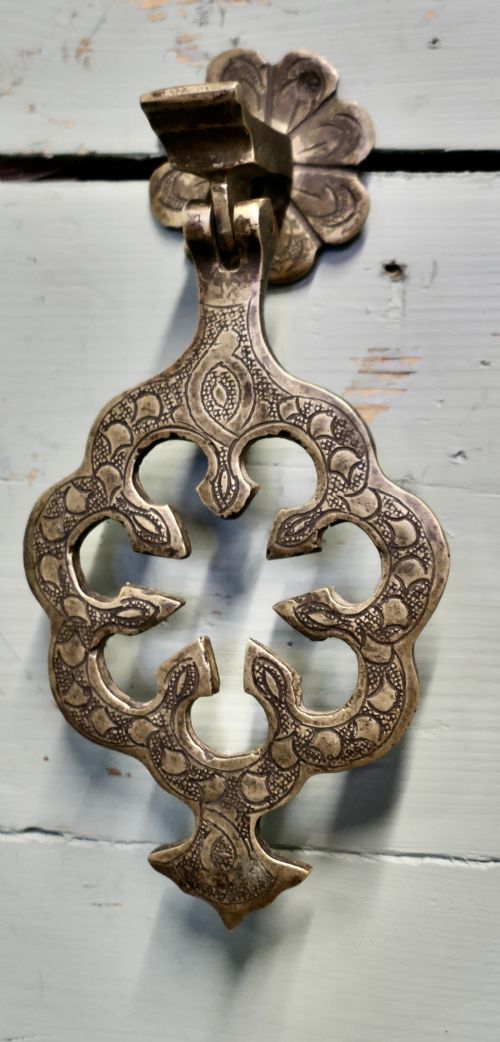
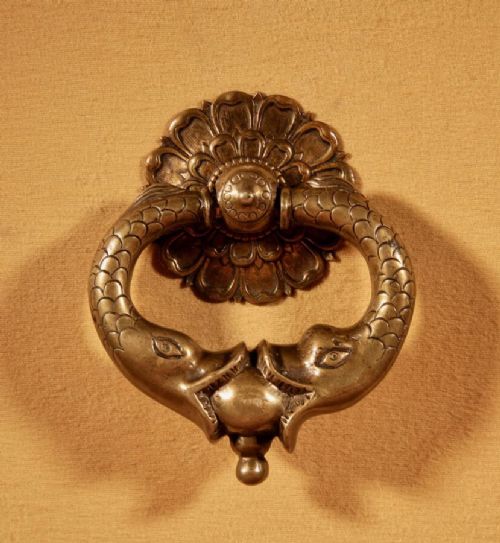
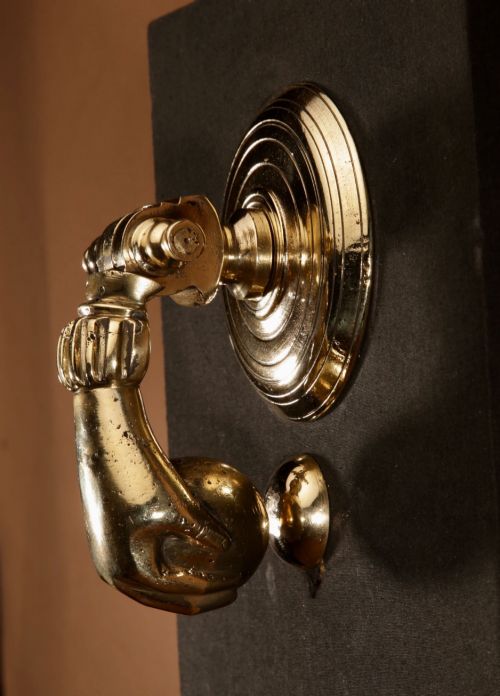
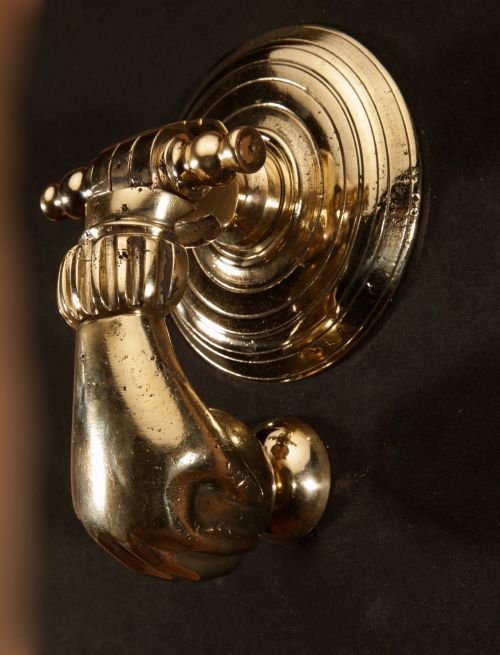
The selection on this page relies heavily on Victorian and Georgian examples, alongside pieces from the Edwardian and Regency periods. Buyers frequently encounter solid brass knockers shaped like hands or dolphins, alongside beehive and octagonal door knobs.
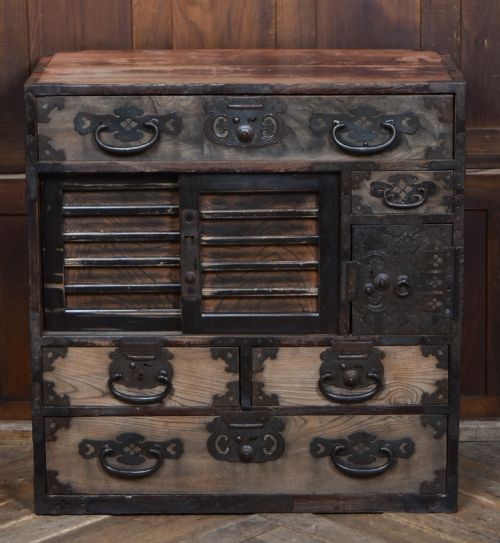
Beyond standard knockers and knobs, the listings include specialised mechanisms such as oak-cased stock locks and letterboxes. These objects represent the durable hardware necessary for daily domestic function in past centuries.
Materials and construction methods
Brass, bronze, and iron dominate the physical makeup of these items, often shaped via casting techniques to produce heavy, durable door furniture. Cast brass and solid bronze components endure years of handling while developing a natural patina.
Object forms range from operational stock locks and letterboxes to decorative hand-shaped and dolphin door knockers.
Assessing quality in period hardware
Quality rests primarily in the weight of the metal and the crispness of the cast detailing, distinguishing heavy gauge bronze or solid brass from lighter alternatives. Pierced brass work and hand-shaped elements show superior artistic execution.
The presence of original working keys, matching striking plates, and complete lock mechanisms elevates an item's utility and historical integrity. Pieces retaining their original functional components offer a more authentic touch than matched modern replacements.
The Traditional Door Hardware Glossary
- Stock lock
- A self-contained lock mounted directly onto the surface of a door within a wooden case. These mechanisms often secure older internal or external doors.
- Centre door knob
- A stationary knob positioned in the middle of a door rather than near the edge, used for pulling the door shut. Victorian examples frequently feature beehive or octagonal profiles.
- Bell pull
- A mechanical lever connected to a household bell system, positioned beside the entrance before the adoption of electrical buzzers. Georgian models are typical examples.
- Striking plate
- The metal plate affixed to a door jamb that receives the bolt or latch when the door closes. It prevents wear on the surrounding woodwork.
- Doctors knocker
- A specific style of brass door knocker featuring a hinged upper hammer designed for formal residential entrances. These pieces gained popularity during the Victorian era.
Traditional Door Hardware: Frequently Asked Questions
How do I date a brass door knob?
Dating relies on stylistic cues such as the beehive turning popular in the Victorian era or the simpler ovular shapes found in Georgian examples. Material composition and manufacturing marks also help place an item within the nineteenth or eighteenth centuries.
Examining the underlying construction and the type of metal gauge used provides further confirmation of the period.
Will an antique lock still work?
Many surviving stock locks and box locks remain operational, provided they include their original key and internal mechanisms intact. Working oak-cased locks from the Georgian and Victorian periods can still be fitted to suitable doors.
Buyers should verify whether a key and keep are included if operational security is required.
What is a centre door knob used for?
A centre door knob sits in the middle of a heavy exterior door to serve as a handle for pulling the door closed behind someone. Unlike latching door knobs, these items remain stationary and do not operate a lock.
They frequently appear alongside a separate door knocker on larger residential properties.
How do I care for antique brass hardware?
Maintenance typically involves gentle cleaning to preserve the natural patina built up over centuries of handling. Aggressive polishing removes the historical surface character that collectors value.
Periodic dusting and mild wax application protect the metal from excessive atmospheric wear.