


Traditional Display Shelving
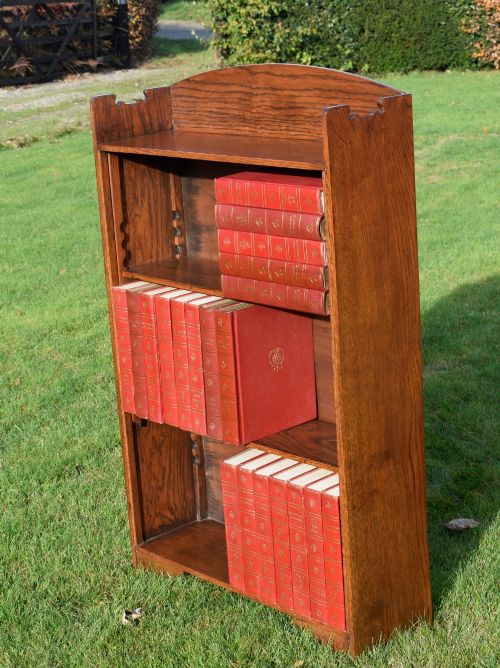
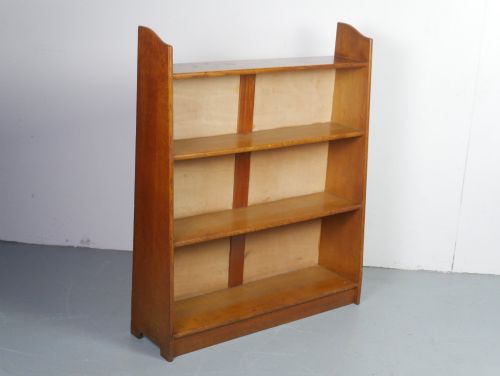
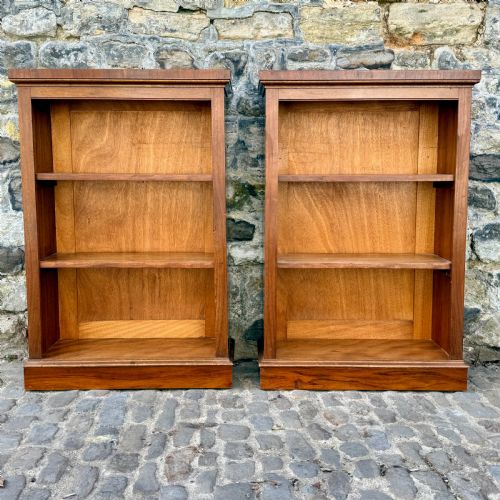
Traditional display shelving gathers timber open bookcases, wall racks and dressers designed to show books and pottery in domestic rooms.
Traditional Display Shelving
Traditional display shelving covers open bookcases, wall hanging shelves and dressers created to hold books, ceramics and ornaments. When you search for traditional display shelving, you encounter formats spanning Victorian, Edwardian and Regency periods, through to the early twentieth century.
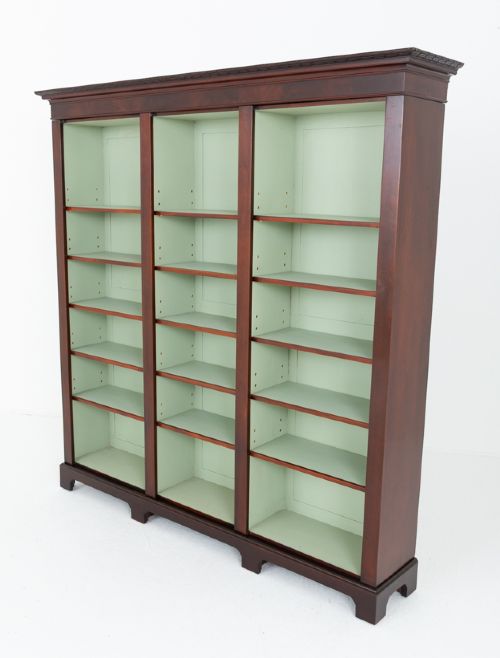
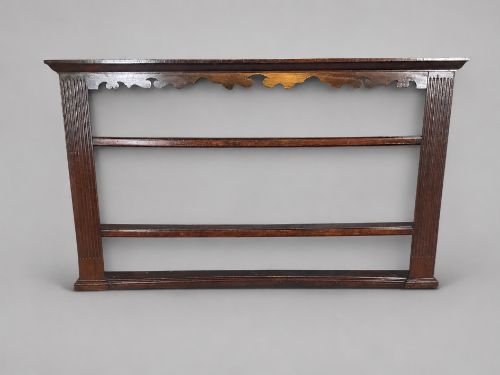
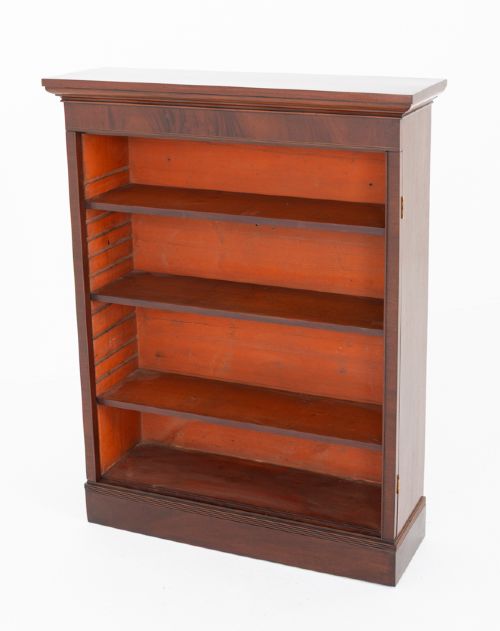
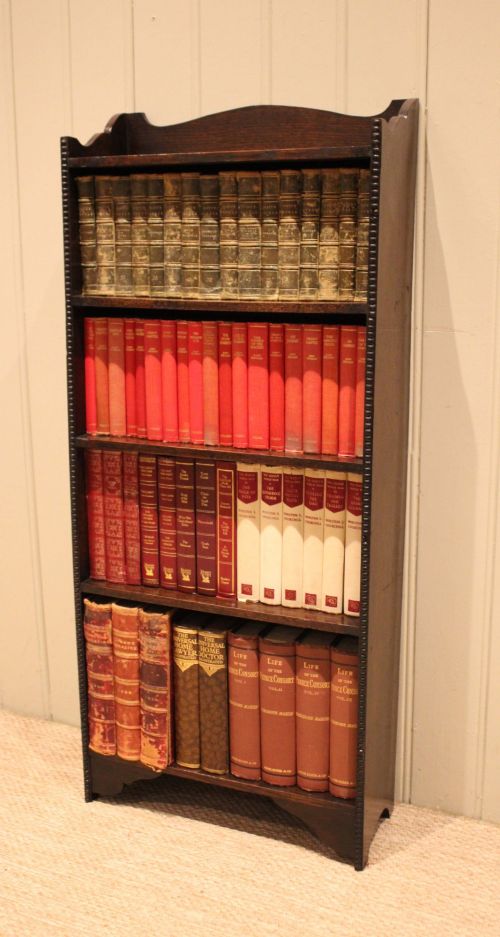
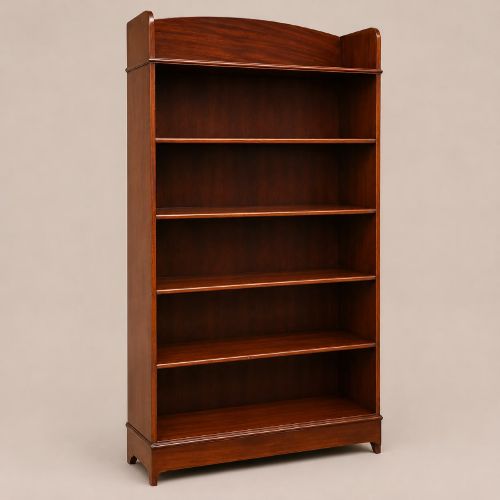
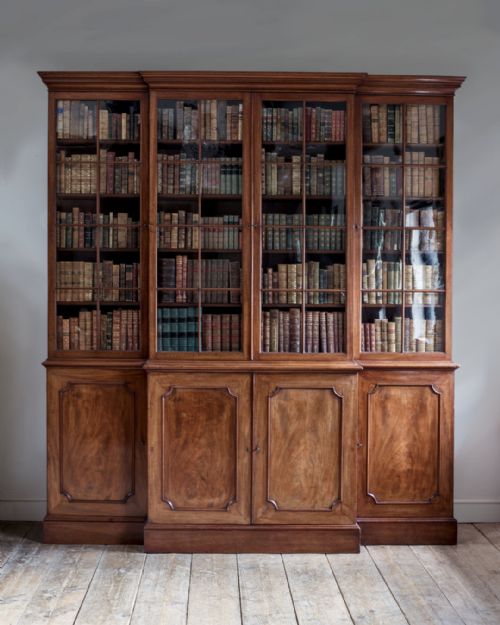
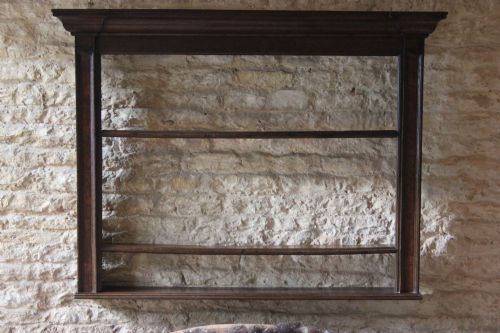
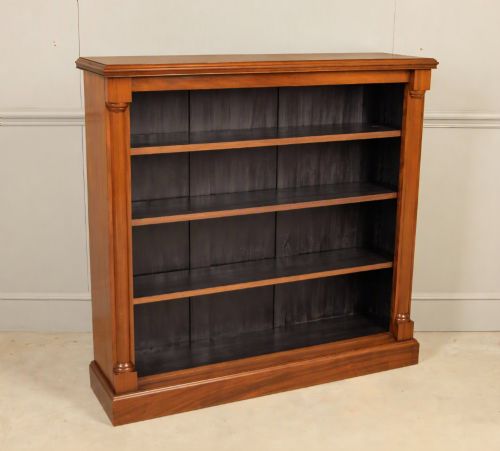
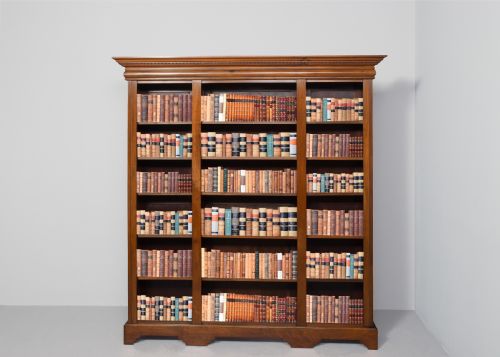
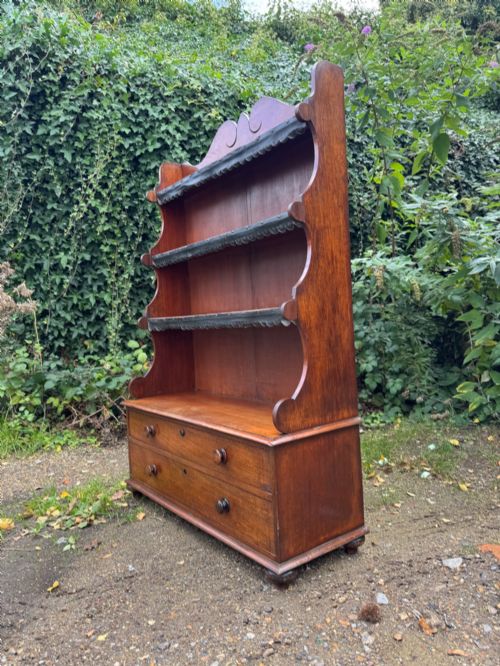
The pieces you meet most often on this page are oak and mahogany open bookcases, frequently featuring adjustable shelves, dentil cornices or raised galleries. Dressers and wall shelves also appear, providing lower cupboards or plate racks alongside the main display tiers.
How they were made
Cabinet makers constructed these units predominantly from solid hardwoods and softwoods including oak, mahogany, walnut, pine and flame mahogany veneer, often incorporating brass hardware. Timber frames were joined to support heavy loads of books or display items over decades of domestic use.
Surfaces were finished to highlight the natural grain of the wood, while specific forms utilised carved decoration, dentil cornicing, glazed elements or turned legs to denote their period style.
Traditional Display Shelving Retail Price Guide 2026
Typical asking prices for traditional display shelving among the pieces listed under this phrase on Sellingantiques today, from the lower quarter to the upper quarter. They describe what is for sale here now, not the wider market.
Object types seen across the inventory include open bookcases, wall shelves, dressers and breakfront display units.
What varies in quality
The distinction between standard utility items and finer examples rests on timber selection, such as burr walnut or flame mahogany veneer, alongside the precision of decorative elements like hand-carved oak details or dentil cornices. Structural adaptability also marks out superior pieces, particularly bookcases designed with adjustable shelving systems that allow flexible arrangement.
Ercol
The Traditional Display Shelving Glossary
- Dentil cornice
- A classical moulding decorated with a series of small rectangular blocks resembling teeth, commonly found along the top edge of bookcases.
- Breakfront
- A cabinet or bookcase design where the central section projects forward from the flanking outer sections.
- Welsh dresser
- A traditional kitchen or dining room furniture piece combining lower storage cupboards or drawers with upper open display shelves for plates.
- Raised gallery
- A low decorative railing or rim running along the top surface of a piece of furniture to keep objects secure.
- Adjustable shelves
- Internal shelves resting on movable supports that allow the vertical spacing to be altered for different book sizes.
Traditional Display Shelving: Frequently Asked Questions
What is traditional display shelving?
Traditional display shelving encompasses wooden open bookcases, wall racks and dressers built to house books and decorative items.
These pieces originate from periods including the Victorian and Edwardian eras, utilising materials like oak, mahogany and walnut.
How do I style a wooden bookcase?
Wooden bookcases suit living rooms, studies and hallways where books and ceramics require open storage.
Adjustable shelves allow you to configure the internal layout for different volumes and decorative ornaments.
How do I identify an Edwardian bookcase?
Edwardian bookcases often feature light oak construction, sometimes with golden tones, alongside details like dentil cornices or raised galleries.
They reflect the domestic furniture designs popular during the early twentieth century.