

Traditional Display Shelves
Traditional display shelves offer practical storage and timeless charm, bringing period character and warm timber tones to domestic interiors.
Traditional Display Shelves
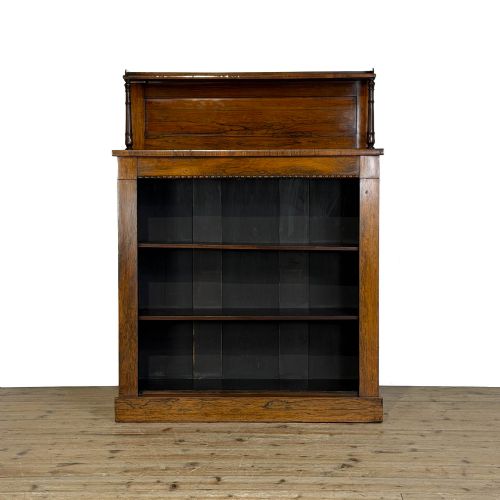
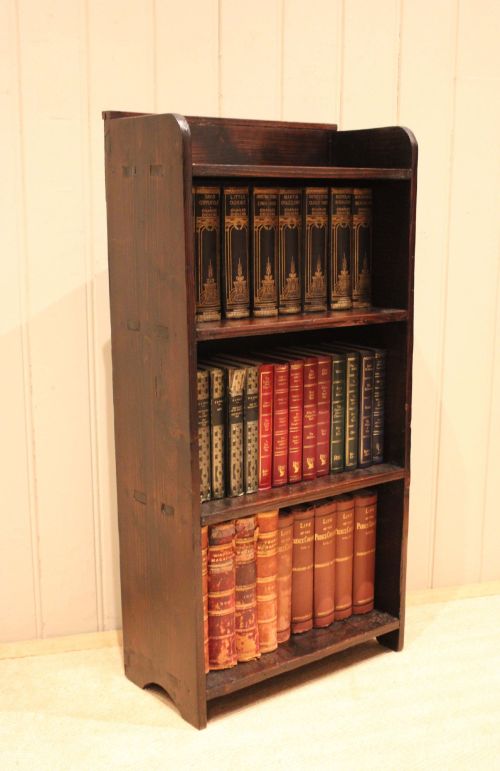
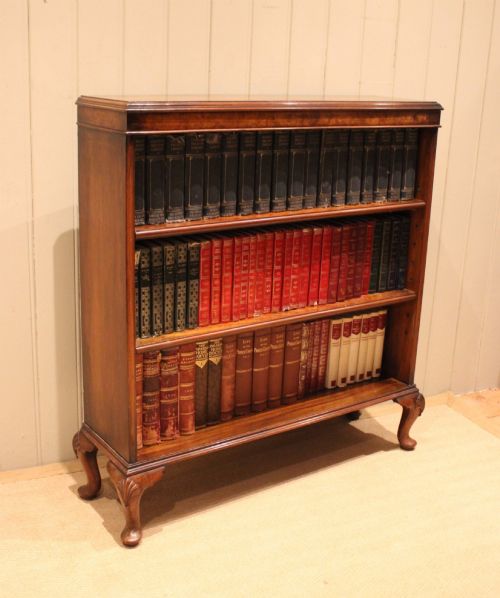
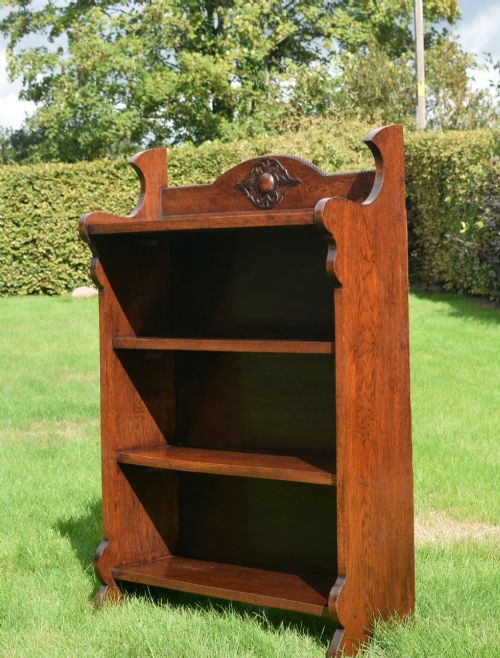
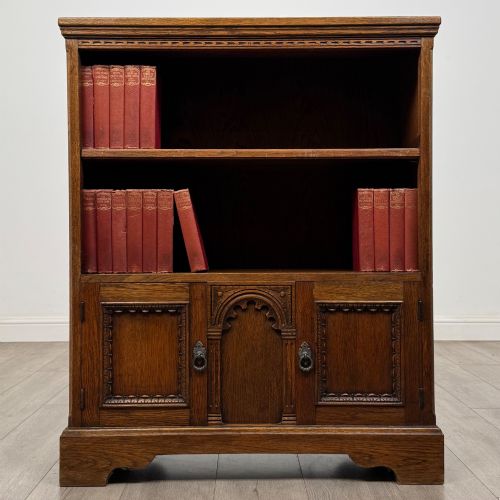
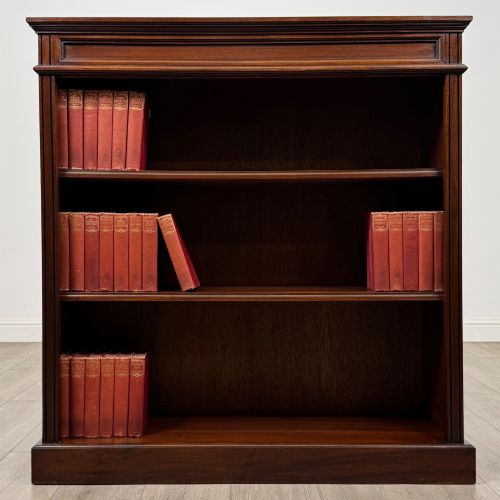
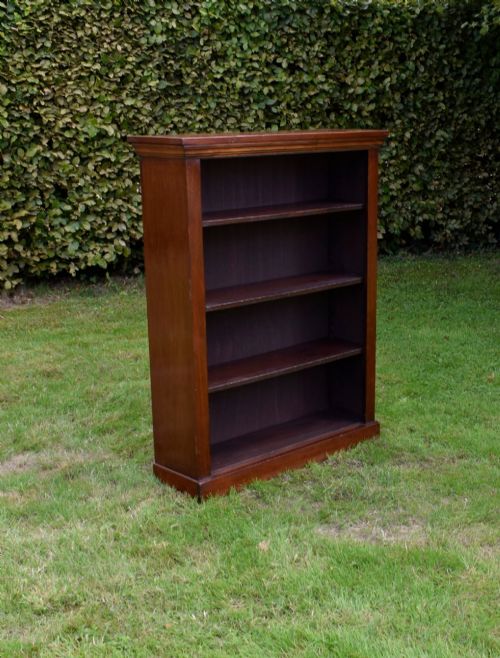
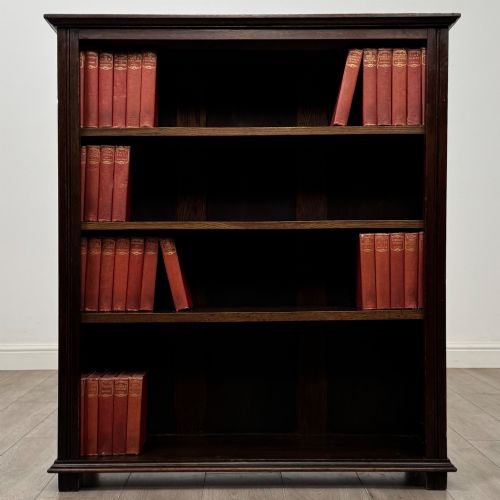
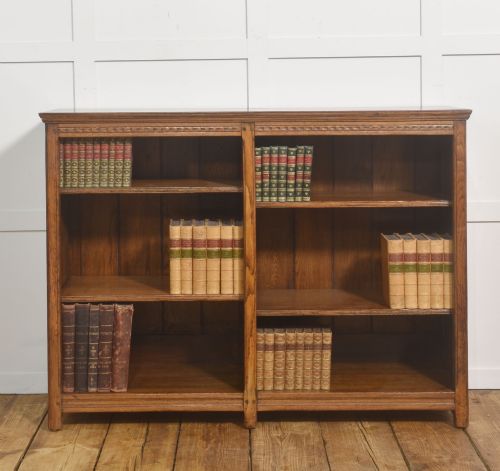
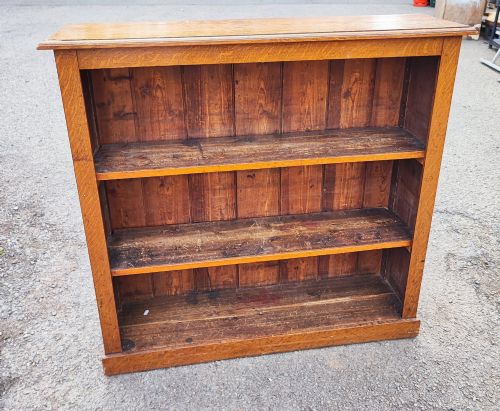
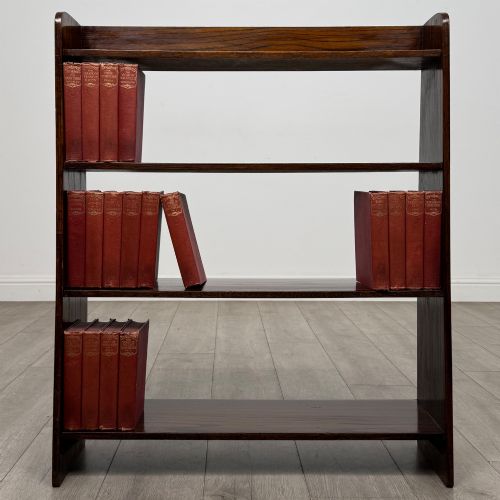
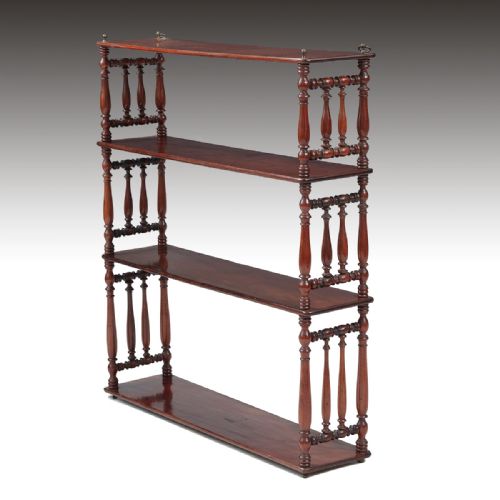
Traditional display shelves encompass open bookcases, wall shelves, and dresser plate racks spanning from the eighteenth century through the Edwardian era and the early twentieth century. Buyers seeking traditional display shelves will encounter sturdy oak and mahogany forms, ranging from modest rustic pine bookshelves to large breakfront walnut library pieces.
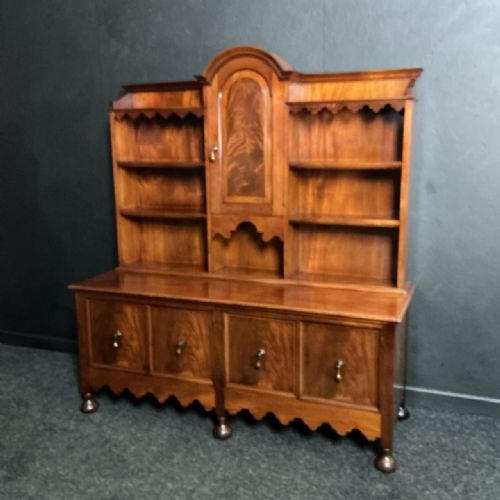
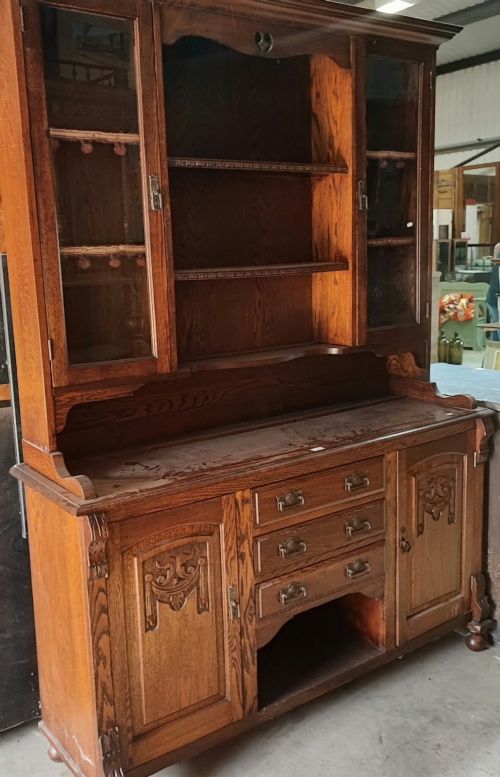
The selections on this page lean heavily towards Edwardian and nineteenth-century examples in oak and mahogany. Open bookcases and Welsh dressers dominate the inventory, providing functional tiers for books, ceramics, and ornaments in domestic settings.
Materials and construction
Cabinet makers relied primarily on solid hardwoods such as oak, mahogany, and walnut, complemented by pine in rustic utility pieces and glass in glazed cabinets. Timber selection dictated the structural integrity and visual weight of each piece.
Joinery methods focused on durability, featuring adjustable shelving systems in finer library bookcases and pegged joints in earlier oak dressers. Brass hardware frequently appeared on supporting elements and associated clocks, while back panels utilised simpler wood construction.
Some oak bookcases carry the quiet ghosts of vanished libraries, waiting patiently for new volumes to fill their adjustable tiers.
Assessing craftsmanship and proportion
Quality reveals itself in the selection of figured timbers, such as burr walnut or tiger oak, which elevate a standard storage unit into a striking focal point. Grain matching across front-facing boards and cornices indicates deliberate cabinet work.
The presence of functional mechanisms, like cleanly operating adjustable shelf ratchets, separates utilitarian iterations from finer library furnishings. Proportion, timber depth, and restrained decorative moulding distinguish disciplined period design from later revival pieces.
The Traditional Display Shelves Glossary
- Breakfront
- A cabinet or bookcase whose central section projects forward from the flanking wings. This configuration adds architectural depth to large room settings.
- Welsh dresser
- A traditional kitchen or dining storage unit featuring base cupboards or drawers surmounted by open display shelves or plate racks. They originated for storing and displaying domestic tableware.
- Waterfall bookcase
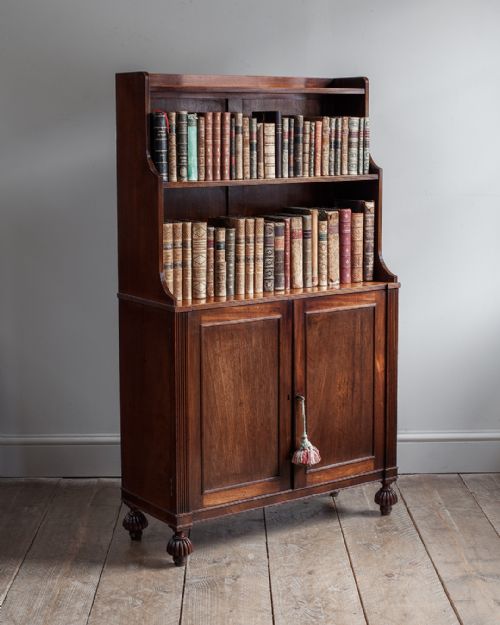
- A set of open shelves where the sideboards step back progressively from bottom to top, creating a cascading profile. These pieces are typically encountered in Regency or revival mahogany.
- Plate rack
- A set of wall-mounted or dresser-integrated wooden slats designed to hold ceramic plates upright for display. They prevent crockery from sliding forward.
- Tiger oak
- Quarter-sawn oak timber exhibiting distinctive flecking and medullary ray patterns resembling tiger stripes. Cabinet makers utilised this cut for decorative impact during the Victorian and Edwardian periods.
Traditional Display Shelves: Frequently Asked Questions
How do I clean old wood?
Dust surfaces regularly with a dry, soft lint-free cloth to prevent particulate accumulation. Avoid modern silicone sprays that build up residue and damage period finishes.
Apply a traditional beeswax polish sparingly once or twice a year to nourish dry timber. Buff gently with a clean cloth to maintain a natural, subtle sheen.
Can I adjust the shelves?
Many period bookcases feature functional adjustable shelving systems utilising wooden ratchets, brass studs, or metal track supports. These allow you to customise shelf heights for varied book sizes.
Older fixed-shelf constructions remain stationary as originally built by the cabinet maker. Forcing immovable shelves risks damaging historical joinery.
Where should I place these?
Position wooden shelving units away from direct sunlight and strong heat sources such as radiators. Extreme temperature fluctuations cause timber to warp, dry out, or split.
Ensure large bookcases and tall dressers are secured to wall studs for stability, particularly on uneven period flooring. Proper anchoring protects heavy furniture from accidental tipping.
What is tiger oak?
Tiger oak refers to quarter-sawn oak timber displaying striking light and dark grain flecks created by the wood's medullary rays. This cutting method exposes unique decorative patterns resembling animal stripes.
Cabinet makers favoured this figured grain for prominent Victorian and Edwardian display pieces. It adds visual texture and depth to otherwise plain functional furniture.