




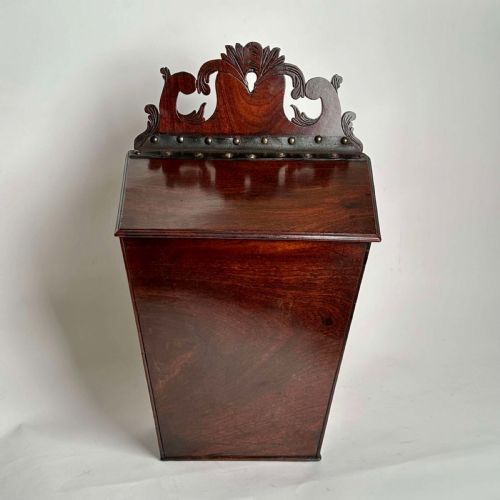


Traditional Dining Storage
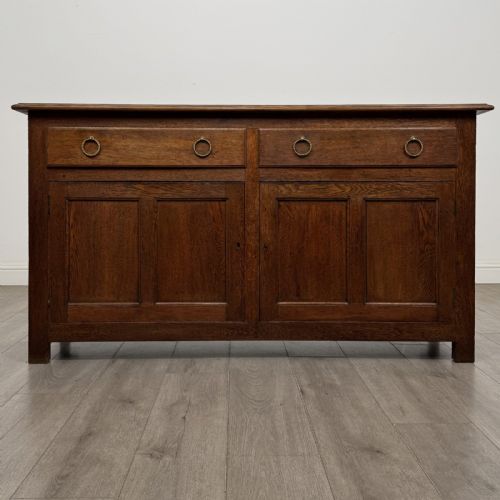
Traditional dining storage encompasses the solid oak dressers, mahogany sideboards and walnut cabinets that anchor a formal dining room.
Traditional Dining Storage
Traditional dining storage spans sideboards, dressers, buffets and chiffoniers built to hold tableware and silver.
Mahogany and oak dominate the selection, appearing across Victorian, Edwardian and 18th century pieces.
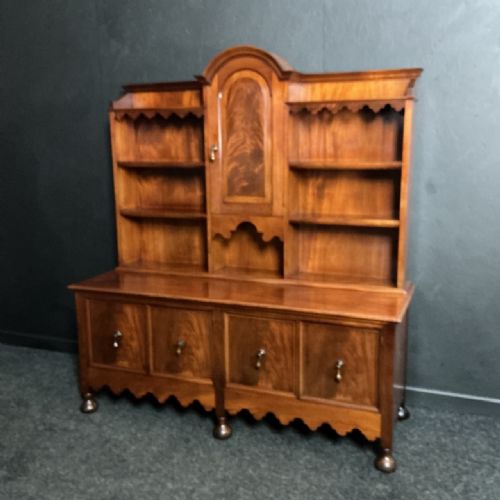
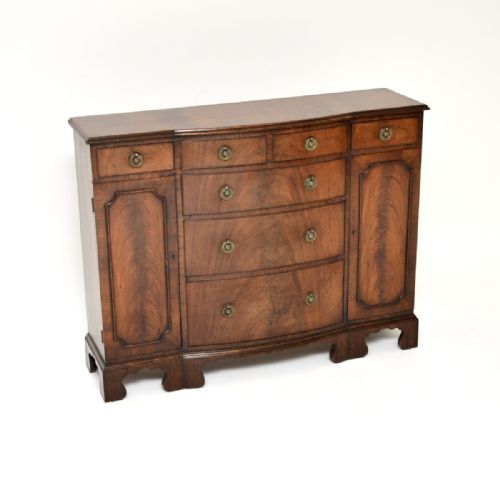
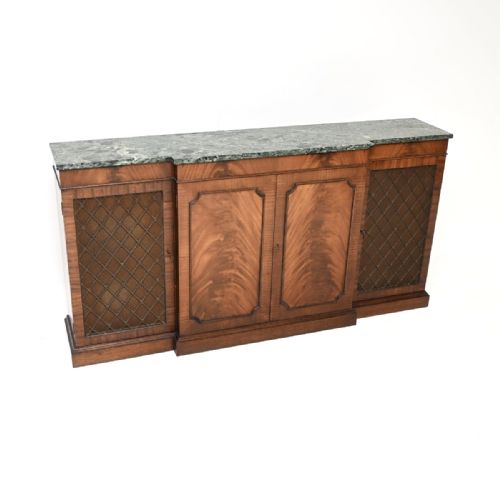
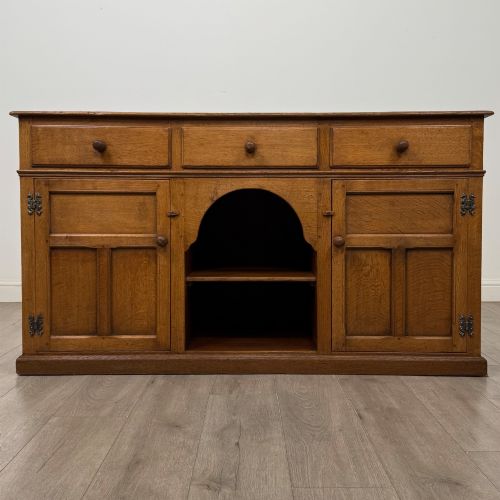
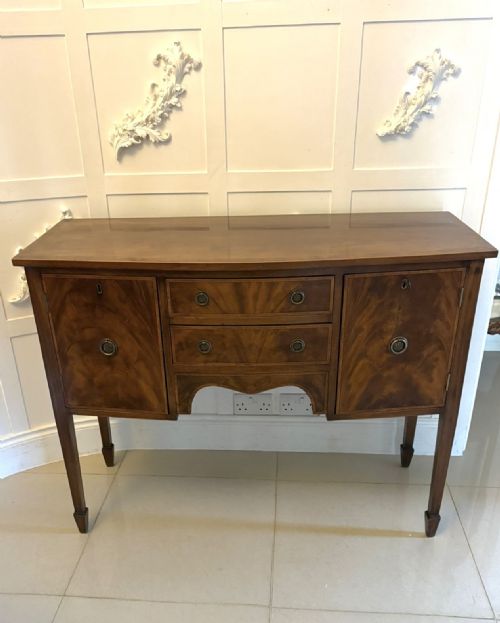
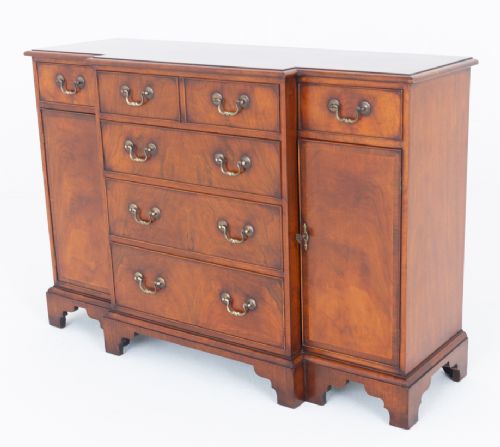
Sideboards range from breakfront configurations to bow front cabinets, while dressers offer open plate racks or enclosed base storage.
Materials and Construction
Cabinetmakers utilised solid mahogany, oak and walnut, often applying flame mahogany veneer to drawer fronts and cupboard doors.
Brass handles, iron hardware and inset marble tops provide functional contrast to the timber frames.
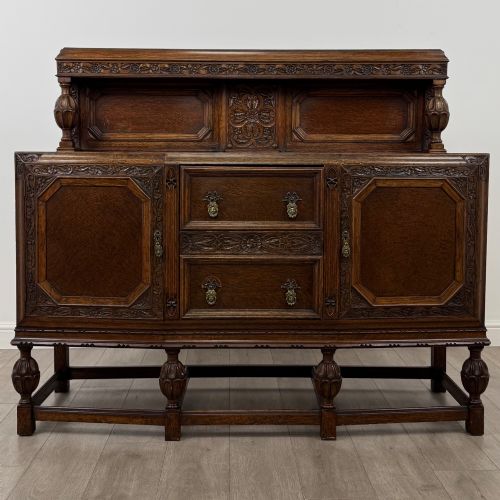
Carved decoration and raised galleries appear alongside simpler panelled construction.
Traditional Dining Storage Retail Price Guide 2026
Typical asking prices for traditional dining storage among the pieces listed under this phrase on Sellingantiques today, from the lower quarter to the upper quarter. They describe what is for sale here now, not the wider market.
Listings feature oak, mahogany and walnut across Victorian, Edwardian and 18th century periods.
Judging Quality
Superior examples display figured timber grains and precise joinery that maintain structural integrity over centuries.
The choice of solid hardwoods versus secondary timbers dictates the weight and longevity of the piece.
Refined hardware, such as original brass handles and intact mirror backs, distinguishes higher grade items.
Maple And Co
The Traditional Dining Storage Glossary
- Breakfront
- A cabinet design where the central section projects forward from the flanking outer sections. This architectural arrangement creates depth and visual interest in large sideboards.
- Chiffonier
- A compact sideboard featuring a low cabinet base, frequently topped with a small shelf or mirror. These pieces serve tighter dining spaces.
- Court cupboard
- An antique enclosed storage piece featuring recessed upper tiers supported by pillars. They originate from earlier centuries.
- Flame mahogany veneer
- Thin slices of timber cut from mahogany forks to produce a distinctive rippled, flame-like grain pattern. Cabinetmakers apply this to principal visual surfaces.
- Raised gallery
- An elevated wooden border fitted to the rear top edge of a sideboard or dresser base. It prevents items from sliding off the surface.
Traditional Dining Storage: Frequently Asked Questions
How do I care for a mahogany sideboard?
Keep wooden storage pieces away from direct heat sources and strong sunlight to prevent the timber and veneer from splitting.
Apply a traditional wax polish periodically to nourish the surface and maintain the natural sheen of the mahogany.
What is the difference between a dresser and a sideboard?
A dresser typically combines a lower cupboard base with an upper tier of open shelves for displaying plates and ceramics. Sideboards consist solely of a lower cabinet structure with drawers and cupboards.
Both items fulfill dining room storage needs but offer distinct display options.
How do I identify an Edwardian sideboard?
Edwardian sideboards often incorporate lighter mahogany timbers, delicate inlay work, and occasionally tall mirror backs. The construction reflects a shift toward slightly less heavy proportions than mid-Victorian pieces.
Look for combinations of bow front shapes and Edwardian brass hardware.