



Traditional Dining Room
Traditional dining room furnishings bring formal assembly and solid timber craftsmanship to the home through sets of chairs, substantial tables and service boards.
Traditional Dining Room
A traditional dining room centres on matching seating, a central table and a serving piece to hold provisions. Buyers exploring a traditional dining room frequently encounter complete sets of chairs accompanied by large sideboards and extending tables.
The selections span the Victorian, Edwardian and Regency eras alongside later revival pieces styled after Georgian and Jacobean designs. Mahogany dominates the seating and serving items, supported by oak, walnut, rosewood and elm variants.
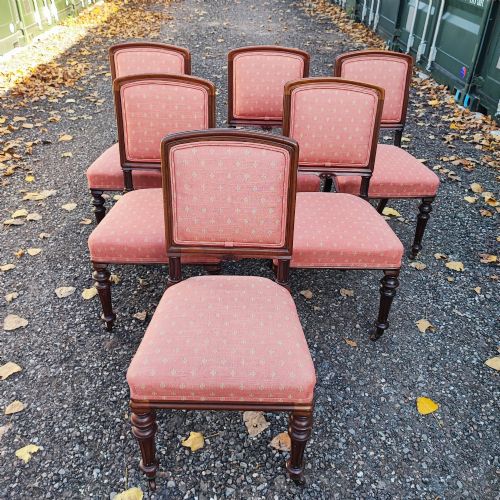
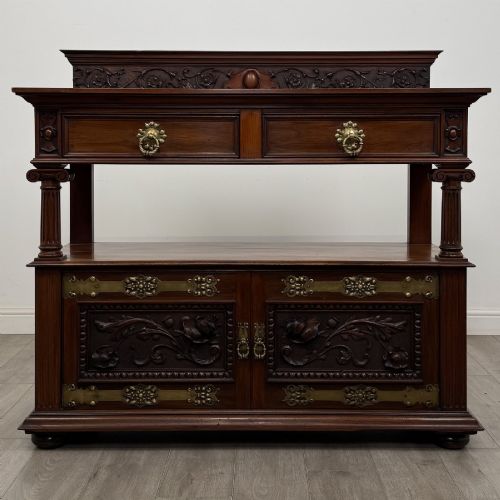
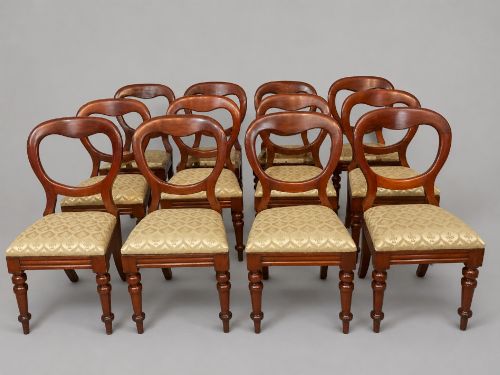
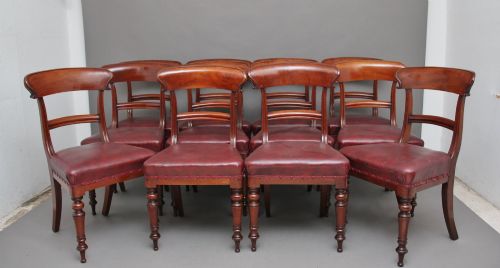
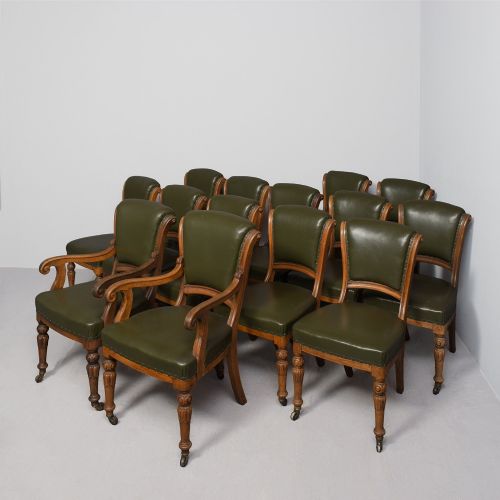
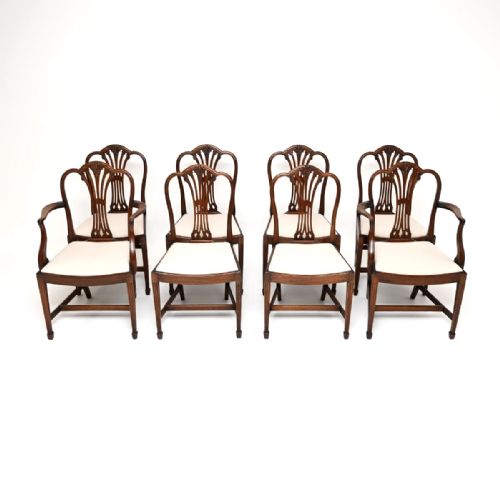
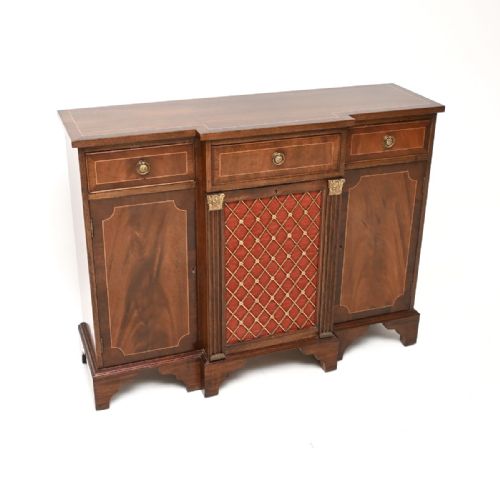
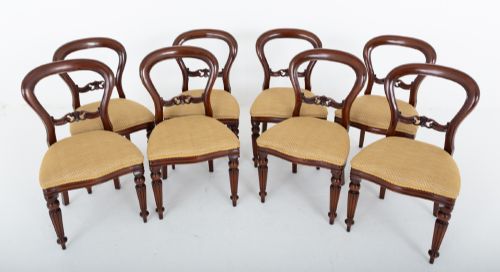
Seating arrangements range from sets of four up to massive gatherings of twenty chairs, often including armed carvers for the ends of the table. Sideboards appear in bow-front, breakfront and grill-front configurations, sometimes fitted with brass galleries and ring pulls.
Materials and construction
Cabinet makers built these pieces primarily from dense tropical hardwoods such as mahogany and rosewood, alongside native British timbers including oak, walnut and elm. These woods provided the structural integrity required for heavy dining tables and large sideboards with stretcher bases.
Traditional Dining Room Retail Price Guide 2026
Typical asking prices for traditional dining room among the pieces listed under this phrase on Sellingantiques today, from the lower quarter to the upper quarter. They describe what is for sale here now, not the wider market.
Listings feature dining room items spanning the nineteenth and early twentieth centuries, constructed predominantly from mahogany, oak and walnut with fabric upholstery.
Craftsmanship and distinction
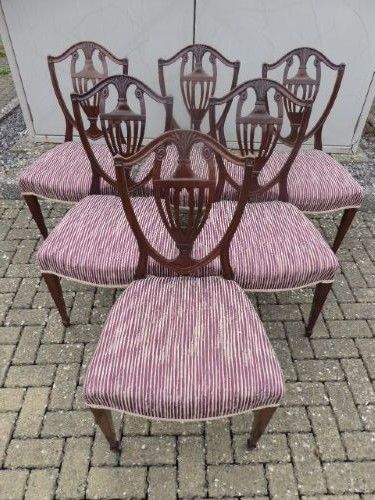
Gradations in quality rest upon the crispness of carved details such as pierced splats and shield backs on chairs, and the selection of figured wood veneers on sideboards. Superior seating sets demonstrate careful matching of timber grain and robust joinery that maintains rigidity across numerous legs.
Exhibition pieces display refined brass inlay, complex pedestal bases on dining tables, and extensive sets numbering ten or more chairs that have survived intact together. Lesser items show simpler turned members and more common secondary woods without specialised decorative enrichment.
Maple and Co
The Traditional Dining Room Glossary
- Carver
- An armchair designed to sit at the head of a dining table, traditionally accompanying a set of side chairs. These items feature supportive armrests for the host.
- Shield back
- A chair back shaped in the outline of a heraldic shield, popular in Georgian and later revival seating. This design often incorporates carved splats or lattice work.
- Pedestal table
- A dining table supported by one or more central pillars rather than traditional corner legs. This configuration allows greater legroom for seated guests.
- Brass gallery
- A low metal rail mounted along the top surface of a sideboard. Such additions prevented serving dishes from sliding during use.
- Refractory table
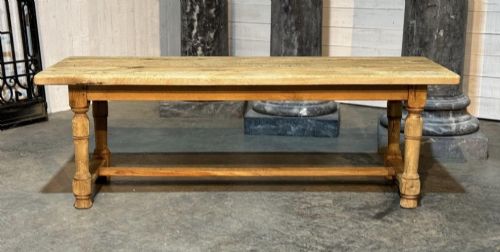
- A long, narrow dining table traditionally built with a central stretcher connecting the legs. These items derive their heavy form from monastic dining halls.
Traditional Dining Room: Frequently Asked Questions
How many chairs come in a set?
Sets typically range from four to twelve chairs, though larger groupings occasionally appear. Many substantial sets include a pair of armless dining chairs alongside two armed carver chairs for the ends of the table.
Buyers should verify the exact composition of the set to ensure it meets their seating requirements for hosting dinner guests.
What is a sideboard used for?
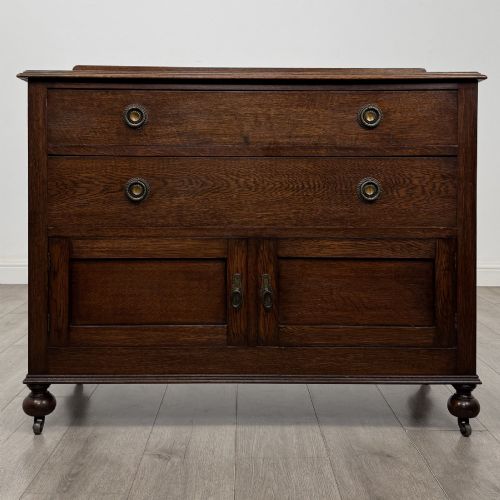
Sideboards serve as utility furniture within the dining space for storing tableware, linens and serving dishes. The flat top surface provides a convenient station for laying out food and drinks during meals.
Many examples include internal drawers and cupboards designed specifically to organise cutlery and dining accessories.
How do I identify a revival style?
Revival pieces replicate the aesthetic characteristics of earlier periods such as the Georgian or Jacobean eras while utilising the manufacturing techniques of their actual production date. An Edwardian chair built in the Chippendale style applies eighteenth-century carved motifs to twentieth-century timber.
Examining the interior construction, secondary woods and wear patterns helps determine whether an object is original to a period or a later revival.
Can I extend a dining table?
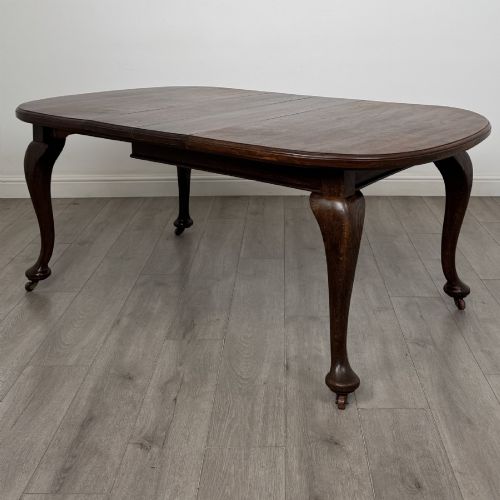
Many traditional dining tables are constructed with drop leaves or removable central sections supported by multiple pedestals. These mechanisms allow the table length to adjust depending on the number of guests.
Inspect the runners and leaf joints to understand how the extension system operates before arranging the room layout.