

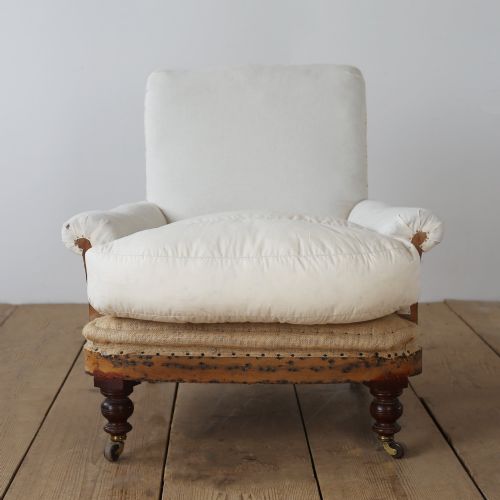
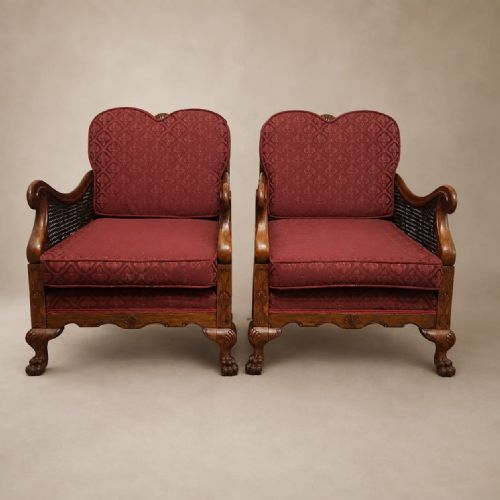
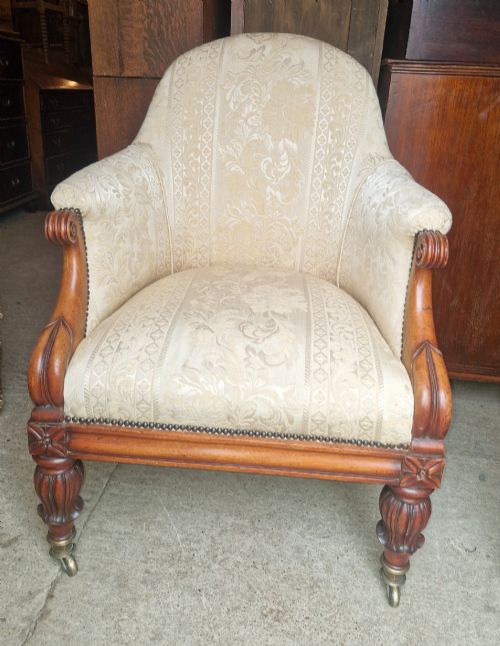
Traditional Deep Armchair
A traditional deep armchair brings generous proportions and low-slung seating into a room, offering a place to settle in for hours.
Traditional Deep Armchair
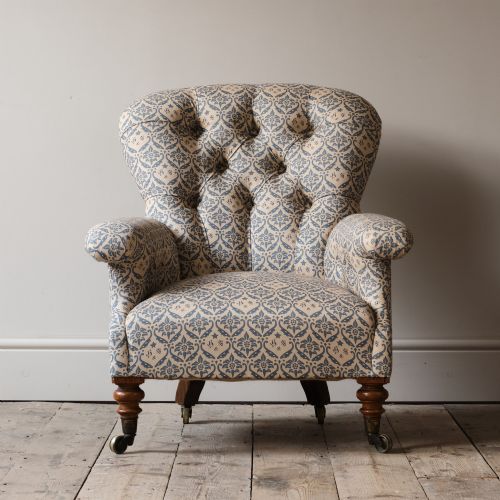
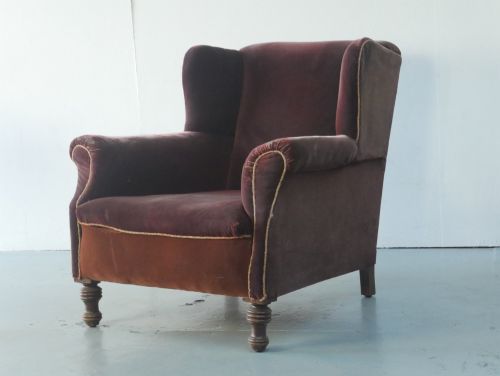
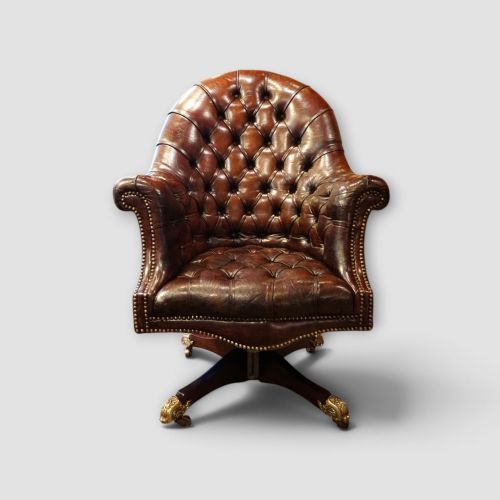
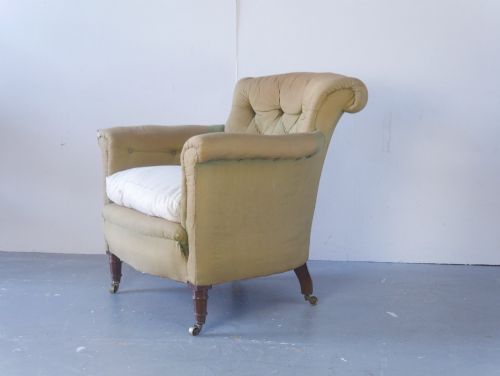
A traditional deep armchair spans several periods from the nineteenth century through to the nineteen-thirties, taking the form of library chairs, wingbacks, and low club seats. These pieces emerge from Victorian, Edwardian, and Regency eras, often arriving upholstered in leather, fabric, or calico.
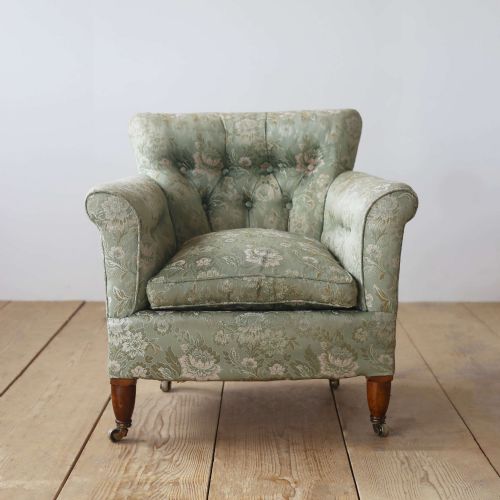
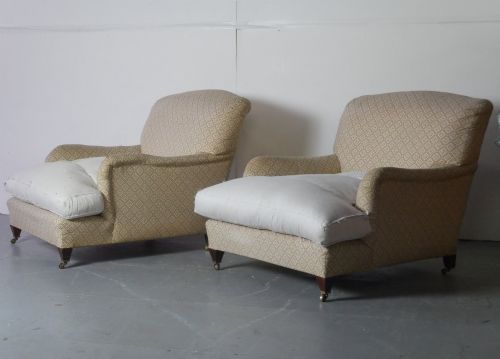
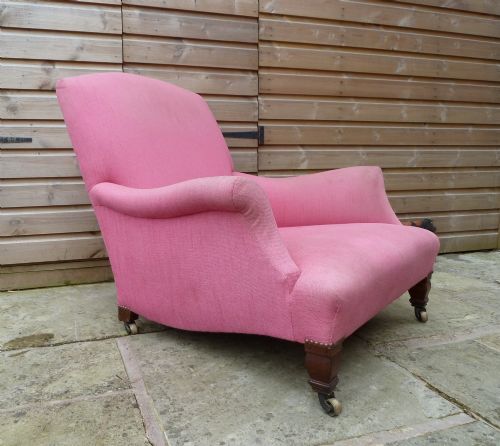
The most common variants on this page lean towards generous country house proportions, button backs, and low seats designed for comfort. Makers and styles such as Howard and Sons heavily influence the aesthetic, alongside Chesterfield designs and split cane bergere chairs.
How they were made
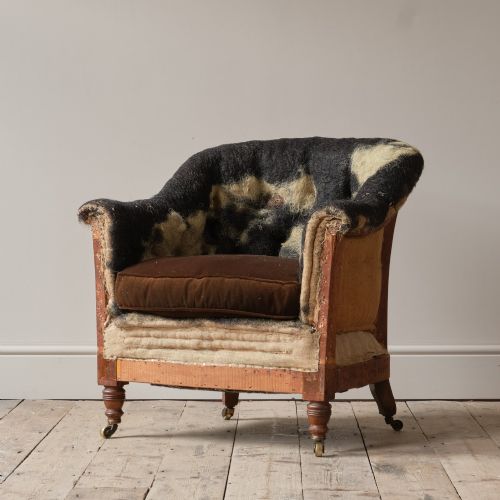
Frames rely on sturdy timbers including mahogany, walnut, rosewood, and general hardwood, providing a strong structural skeleton beneath the upholstery. Brass fittings and castors often support the lower framework on library and club chairs.
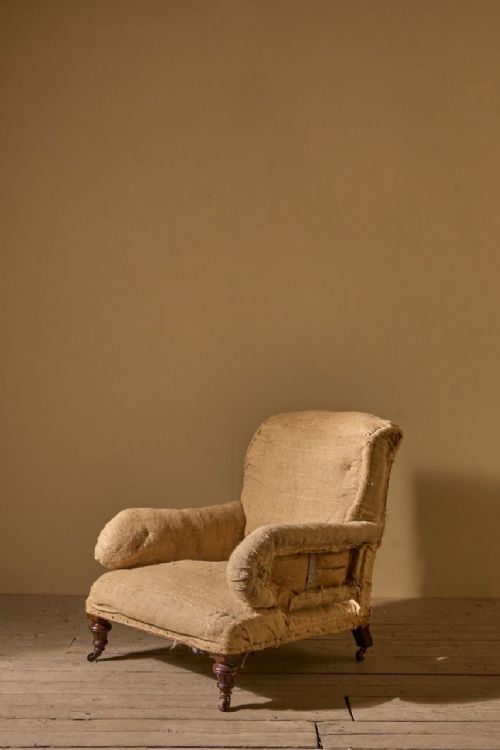
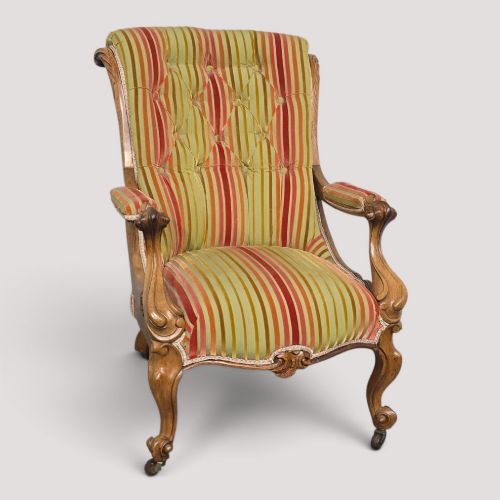
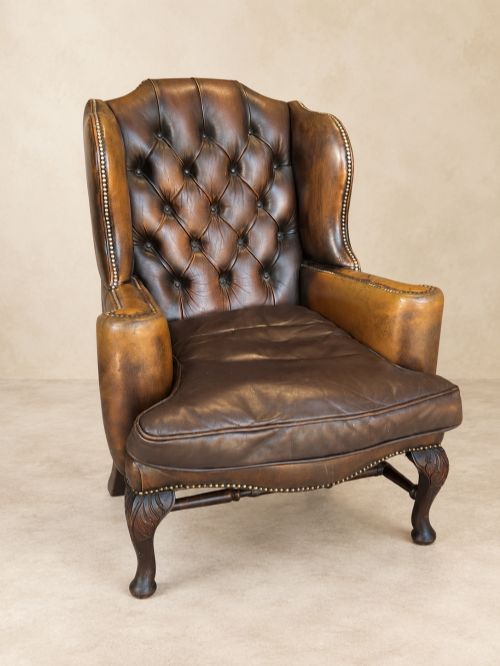
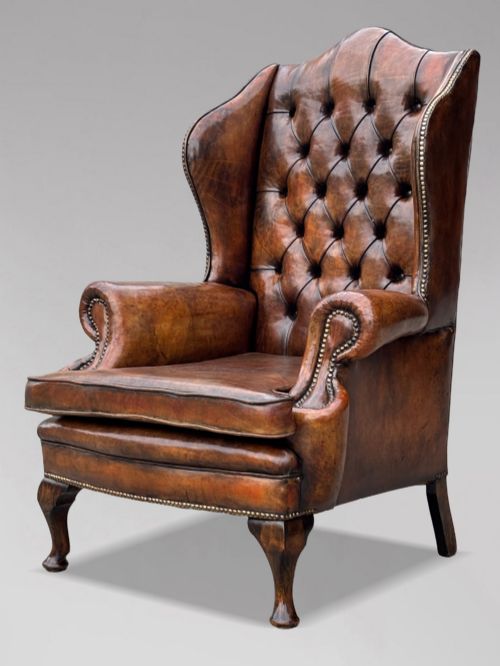
Upholstery techniques involve traditional stuffing, feather fillings, and supportive webbing, often finished with leather, hessian, calico, or split cane panels. Buttoning secures the deep cushioning and creates the characteristic tailored dips across the backrests.
The selection spans the nineteenth century, Regency period, Victorian era, Edwardian years, and nineteen-thirties.
What varies in quality
The integrity of the underlying hardwood frame and the tautness of the original webbing dictate the structural longevity of the piece. Superior examples maintain firm support in the springs and feather fillings without excessive sagging.
The grade of the leather or fabric, alongside the finesse of the wood carving and turning on the legs, separates standard workshop output from exceptional commissions.
Howard and Sons·Gillows·SF Cullen
The Traditional Deep Armchair Glossary
- Bergere
- An enclosed armchair with cane panels set into the wooden frame. This French-inspired form often appears with loose seat cushions.
- Button back
- An upholstery method where deep indentations are secured with buttons pulled tight through the padding. This technique creates a tufted surface.
- Library armchair
- A sturdy reading chair usually framed in mahogany or walnut. These pieces frequently feature low arms and upholstered backs designed for prolonged sitting.
- Bridgewater style
- A relaxed upholstered chair design with low arms and deep seating. This comfortable form gained popularity in the late nineteenth and early twentieth centuries.
Traditional Deep Armchair: Frequently Asked Questions
How do I identify a Howard style armchair?
Look for low-slung proportions, tapered wooden legs with brass castors, and deep comfortable cushioning designed for country house interiors.
Many pieces in this style reflect the signature comfort and tailored aesthetic popularised by Victorian workshops.
What is the difference between a club chair and a wing chair?
A club chair offers a low, deep seat enclosed by solid upholstered arms designed for relaxed lounging. A wing chair incorporates protective side panels on the upper back to block draughts.
Both forms appear frequently in leather and heavy fabric finishes across the nineteenth and early twentieth centuries.
Are these chairs suitable for daily use?
These pieces were built with robust hardwood frames and traditional sprung interiors intended for heavy domestic use. Their deep proportions make them well suited to modern living rooms and studies.
Checking the internal webbing and filling ensures the seating remains supportive for everyday sitting.
How do I date a nineteenth century armchair?
Dating relies on timber choices such as mahogany or walnut, leg turning styles, and structural upholstery methods. Victorian and Edwardian examples often display distinct design cues reflecting their specific decade.
Comparing the frame construction against known maker traits helps narrow down the period of manufacture.