

Traditional Crystal Light
Traditional crystal light fixtures illuminate a room with refracted prisms, bringing period elegance and sparkle from Edwardian and early twentieth century origins.

Traditional Crystal Light
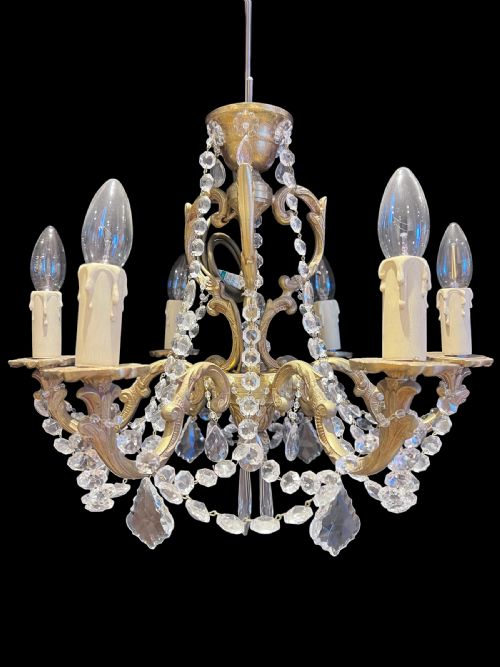
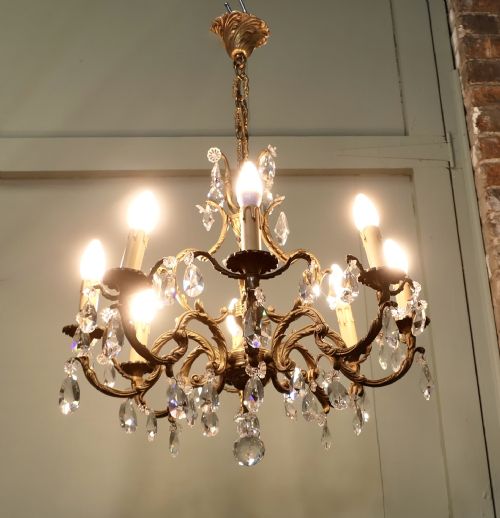
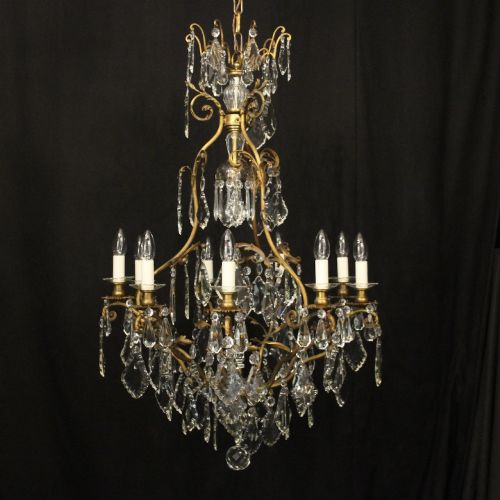
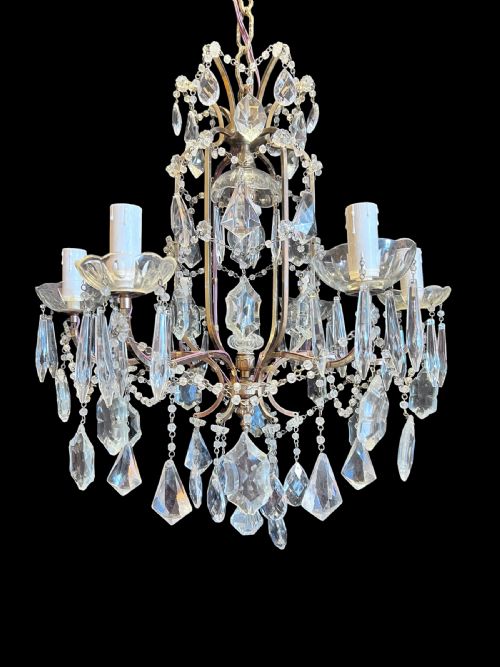
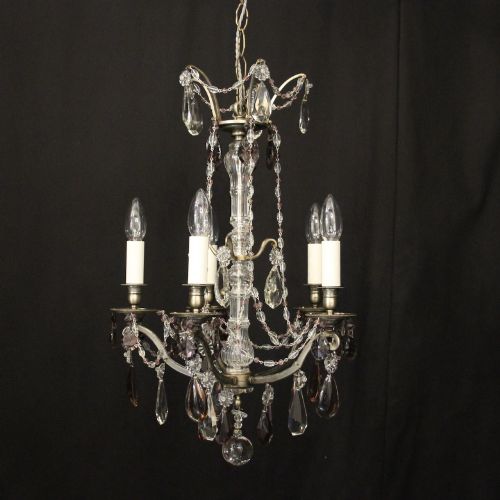
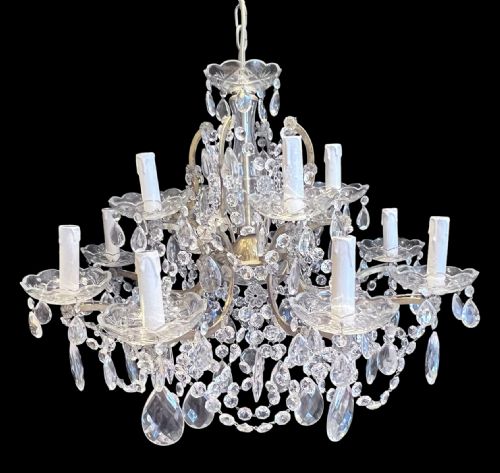
When you search for traditional crystal light, you examine illuminating fixtures designed to scatter brilliance across a space through cut prisms and glass droplets. The selection focuses heavily on multi-arm chandeliers, plafonniers, wall lights, and table lamps originating from the late nineteenth century through the mid twentieth century.
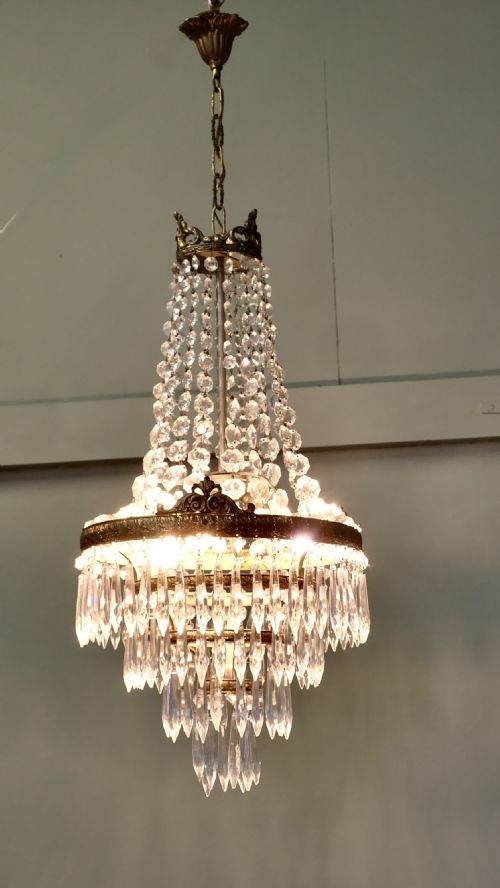
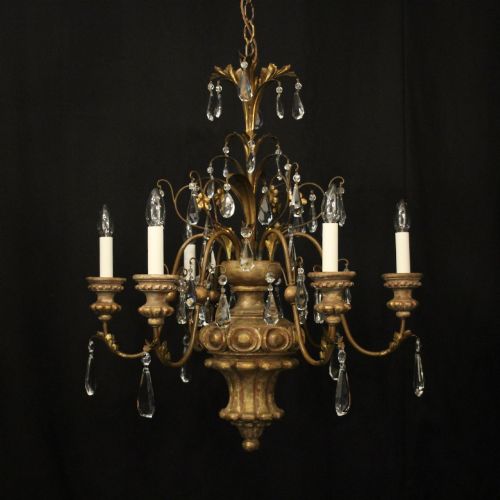
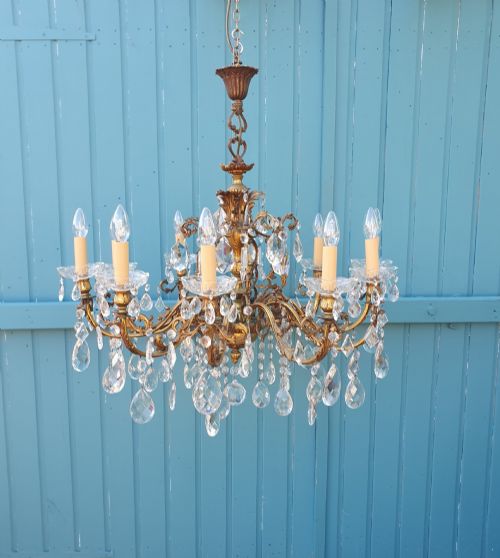
French and Italian designs dominate the selection, spanning styles such as French Empire, Louis Revival, and Florentine Baroque. Buyers frequently encounter multi-light brass or gilt bronze frames hung with elaborate crystal lustres, teardrops, and cascading waterfall configurations.
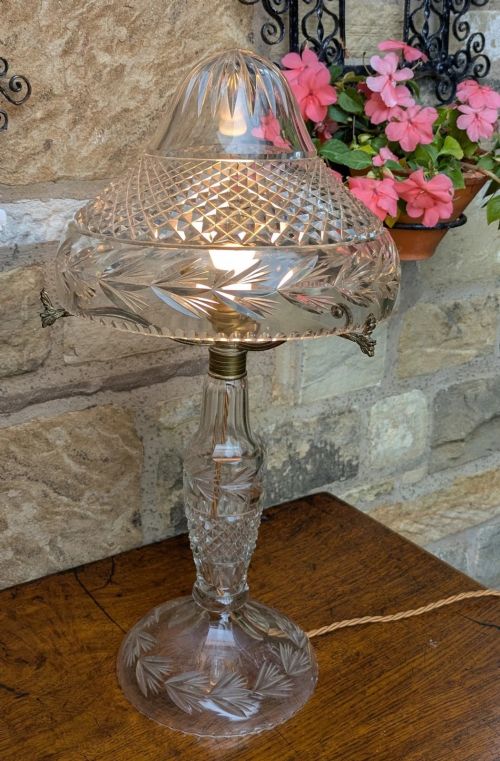
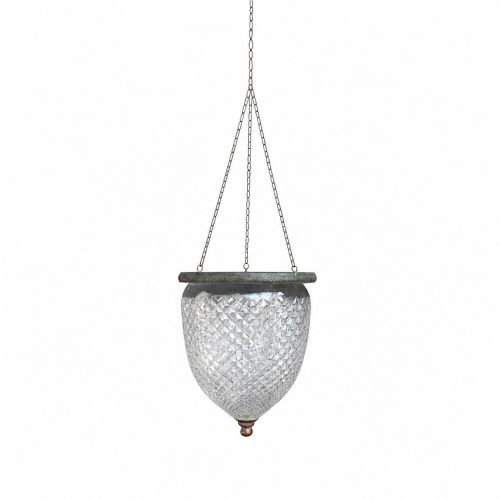
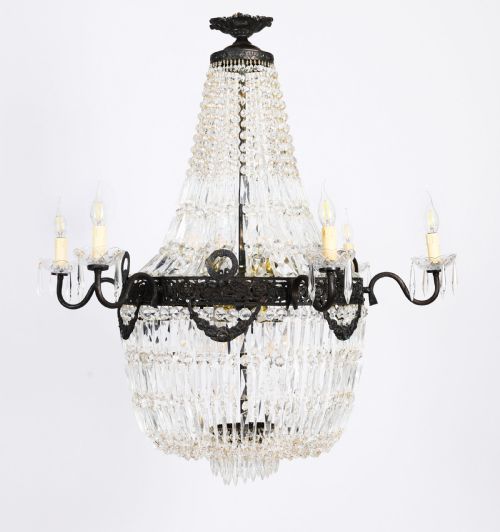
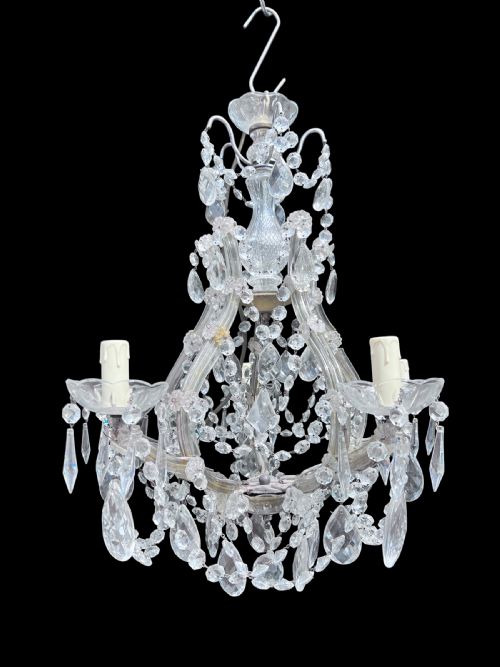
Smaller variations include table lamps featuring cut glass mushroom shades alongside ceiling-mounted plafonniers and bag chandeliers. These pieces bring historical character to domestic interiors, utilising diverse formats from simple single-bulb lamps to grand fourteen-light ballroom fixtures.
How they were made
Maker workshops constructed the primary structural frameworks using cast brass, gilt bronze, and gilded metal to support heavy glass components. Skilled artisans then wired multiple arms and secured hundreds of individual cut crystals using metal pins.
The decorative hanging elements rely on moulded and cut glass or crystal, shaped into teardrops, beads, and pendeloques to maximise light refraction. Frames frequently incorporate silver gilt or standard gilt finishes over brass bases, matching specific regional tastes from French chateau styles to Italian Marie Theresa designs.
Traditional Crystal Light Retail Price Guide 2026
Typical asking prices for traditional crystal light among the pieces listed under this phrase on Sellingantiques today, from the lower quarter to the upper quarter. They describe what is for sale here now, not the wider market.
Materials across the inventory include cut crystal, standard glass, brass, gilt brass, and specialised toleware frames paired with coloured crystal teardrops.
What varies in quality
Quality differences emerge in the depth of hand-cut facets on the glass crystals and the weight of the underlying metal frame. Superior examples display crisp prism edges that disperse light cleanly, whilst simpler pieces use pressed glass with softer refraction.
The richness of the gilding on the brass or bronze armature also separates standard production from finer work. Heavier casting, intricate chased details on metal mounts, and complete original sets of matching crystal drops distinguish the upper tier of surviving pieces.
Stuart Crystal·F. and C. Osler
The Traditional Crystal Light Glossary
- Plafonnier
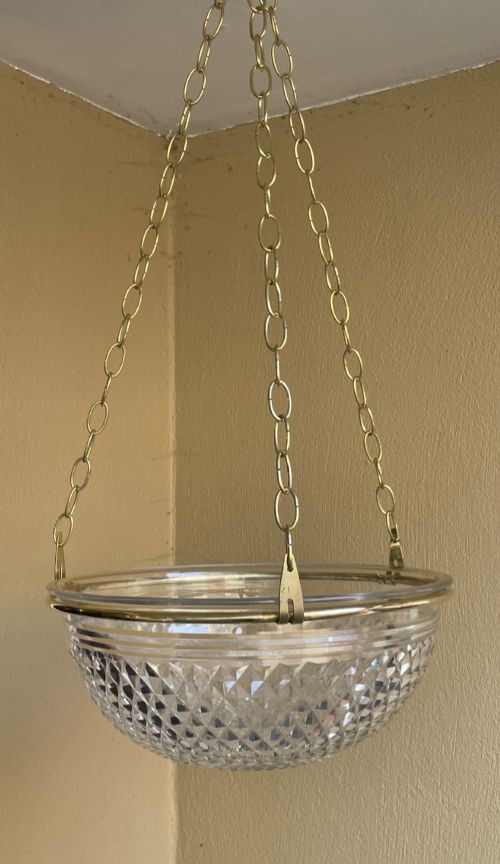
- A ceiling-mounted light fixture that sits flush or close to the ceiling surface. These enclosed or semi-enclosed glass bowls disperse ambient illumination downward.
- Bag Chandelier
- A lighting fixture shaped like a flattened bag or basket formed of numerous hanging crystal beads. The bulb sits inside the mesh of crystals, creating a glittering enclosed effect.
- Tent and Waterfall
- A chandelier design featuring an upper canopy of strings of crystals forming a tent shape above a cascading lower section of drops. This layered construction maximises the prismatic display.
- Lustre
- A pendant drop of cut glass or crystal hung from the arms or frame of a light fixture. Lustres move gently with air currents to catch and scatter light.
- Gilt Bronze
- An alloy of copper and zinc coated with a thin layer of gold leaf or applied gold powder. This finish provides a warm metallic sheen to the structural frame.
Traditional Crystal Light: Frequently Asked Questions
What is a bag chandelier?
A bag chandelier is a compact fixture where numerous small crystal beads form a basket or bag shape around the internal light source. This design concentrates sparkle within a tight silhouette.
Such pieces suit smaller rooms or hallways where a sprawling multi-arm frame would hang too low for comfort.
How do I clean a crystal light?
Cleaning involves wiping individual glass drops with a mild solution while the fixture remains securely hung from the ceiling. Many restorers use a specialist spray that dissolves dust without requiring the removal of every individual pin.
Careful drying prevents water spots from dulling the sharp facets of the cut glass.
Where do Marie Theresa chandeliers originate?
Marie Theresa chandeliers trace their lineage to central European and Italian design traditions, named in honour of the Austrian empress. Their characteristic flat, glass-covered metal bands and sweeping arms give them a distinctive flattened profile.
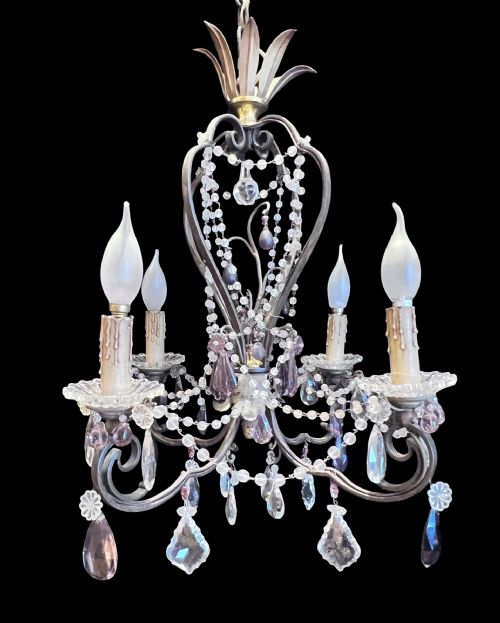
These fixtures often feature coloured crystal accents alongside clear glass drops.
Are these lights suitable for low ceilings?
Plafonniers and bag chandeliers provide excellent illumination options for rooms with restricted vertical clearance. Their flush or semi-flush mounts keep the glass elements close to the ceiling plane.
Multi-arm chandeliers require higher clearance to allow passage underneath the hanging crystal drops and metal tiers.