





Traditional Counter Scales
Traditional counter scales are the heavy brass and iron workhorses of old shops and kitchens, prized for their genuine mechanical utility and handsome patination.
Traditional Counter Scales
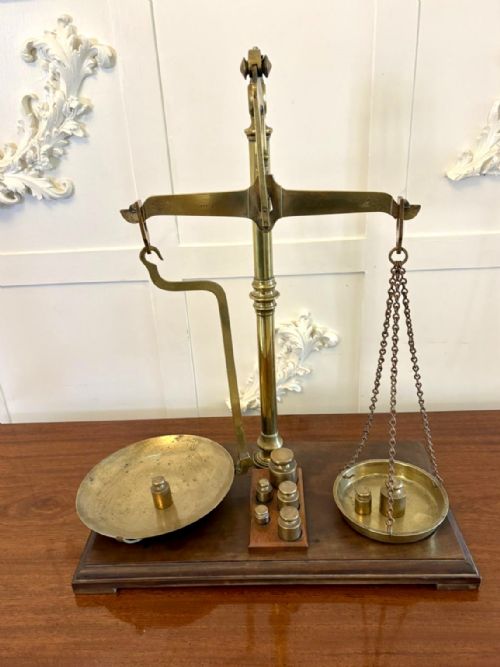
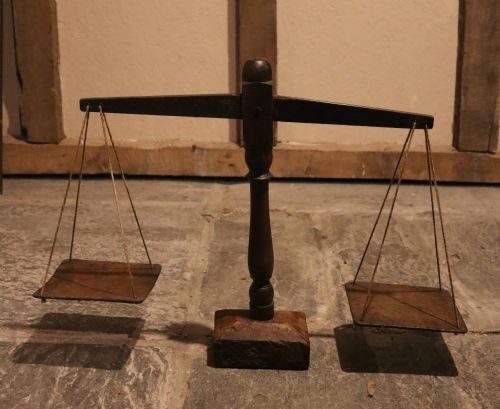
Traditional counter scales comprise heavy cast iron bases, copper pans and polished brass beams designed for commercial and domestic weighing. These utilitarian objects span the eighteenth, nineteenth and early twentieth centuries, emerging from Georgian vernacular workshops through to Victorian and Edwardian mercantile supply houses.
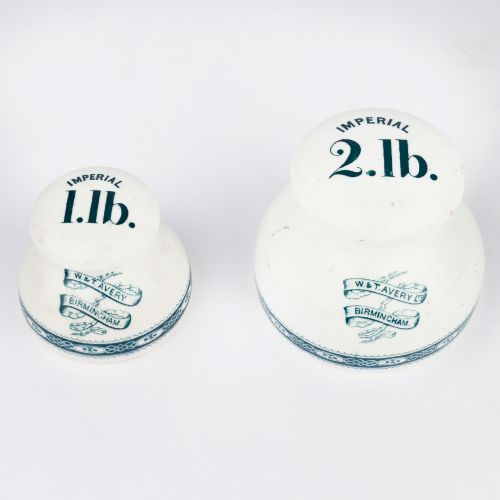
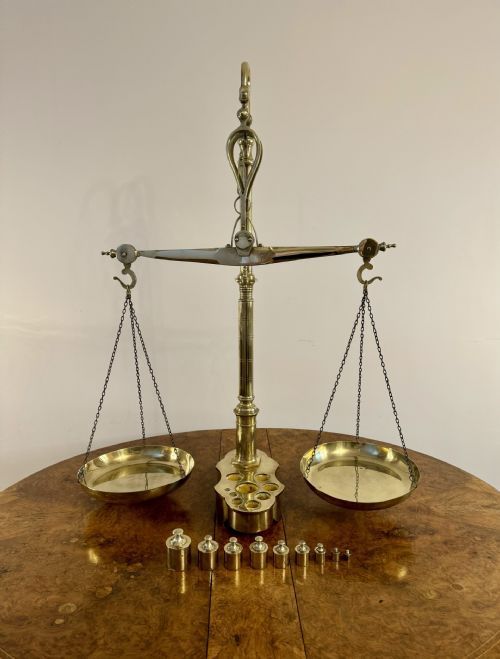
The versions most commonly met on this page are Victorian balance scales and beam scales mounted on mahogany or oak boards, often accompanied by matching sets of brass or ceramic weights. Examples range from robust grocers scales used in nineteenth century co-operatives to specialised apothecary balances and dairy scales.
Object forms include simple scales and balances, complete sets with scale weights, and heavy industrial shop units bearing maker stamps. Their origins stretch from local British boroughs like Blackpool to Welsh rural dairies, reflecting the diverse scales of trade across the country.
How traditional counter scales were made
Makers constructed these pieces using a combination of cast iron, heavy copper and polished brass for the structural beams and weighing pans. Bases were frequently fashioned from dense timbers such as mahogany and Welsh oak, providing a stable platform for precise mechanical balance.
Working mechanisms relied on finely calibrated iron pivots and brass bearings to ensure accurate movement. Additional components utilised ceramic for specialised weights and glazed surfaces, while original iron weights accompanied the heavier shop scales.
Traditional Counter Scales Retail Price Guide 2026
Typical asking prices for traditional counter scales among the pieces listed under this phrase on Sellingantiques today, from the lower quarter to the upper quarter. They describe what is for sale here now, not the wider market.
Some scales carry the official inspection stamps of local city boroughs, having once settled disputes over a pound of butter or sugar.
What varies in quality in traditional counter scales
Quality in traditional counter scales rests in the integrity of the original mechanical components and the retention of matching maker hardware. Pieces bearing legible stamps from recognised firms show a higher standard of workshop execution than unbranded variants.
The choice of materials dictates the standing of the piece, with dense mahogany boards, heavy cast iron bases and thick brass beams marking out superior examples. Completeness also defines worth, particularly where original brass or ceramic weight sets remain with the scale.
W and T Avery·Day and Millward·Parnall and Sons of Bristol·Bartlett and Sons
The Traditional Counter Scales Glossary
- Balance scales
- A weighing device operating on a central fulcrum with two suspended pans. They measure mass by comparing an unknown load against known weights.
- Beam scale
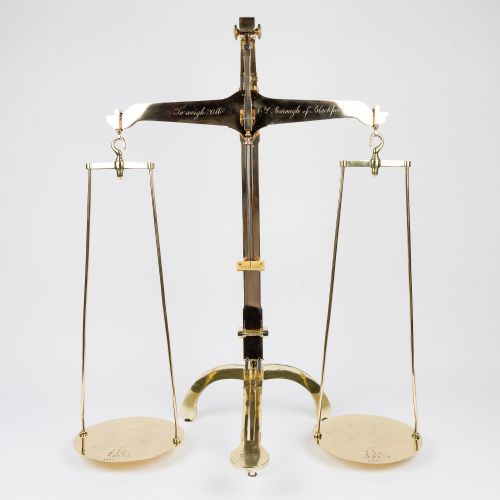
- A heavy weighing instrument featuring a horizontal metal beam supported at the centre. These larger units typically handled commercial mercantile trade.
- Apothecary balance
- A smaller, highly sensitive scale designed for measuring medicinal quantities. They often feature delicate brass construction and specialised wooden storage cases.
- Imperial stacking weights
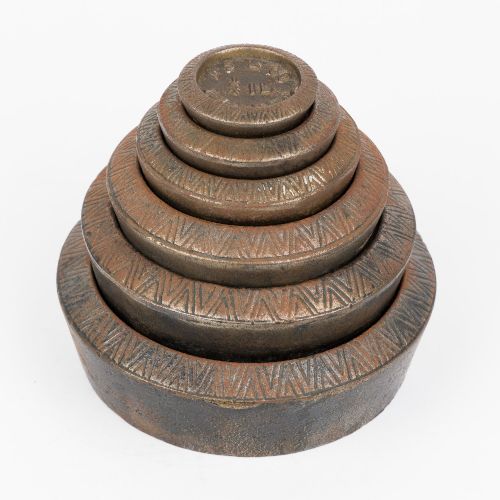
- A set of cylindrical metal weights designed to nest inside one another. These were standard for British commercial trade.
- Vernacular style
- An architectural or object design tradition rooted in local craftsmanship and regional materials rather than formal academic rules.
Traditional Counter Scales: Frequently Asked Questions
How do traditional counter scales work?
These pieces operate on the principle of mechanical equilibrium, using a central fulcrum to balance the weight of an object against standard metal or ceramic masses. The beam tips when the load in one pan matches the counterweight in the other.
Most surviving examples retain their original pivots and leveling feet to ensure the movement remains true. Regular use requires keeping the brass and iron components clean and properly balanced.
Where were these scales used?
Traditional counter scales served daily commercial life in Victorian grocers shops, Edwardian mercantile stores, and rural cooperative societies. They also functioned in specialised environments like apothecary shops and country dairies.
Domestic kitchens and municipal offices utilised them for everyday measuring tasks. Their heavy construction allowed them to withstand decades of continuous retail trade.
How do I date traditional counter scales?
Dating relies on identifying the prevailing materials, construction techniques, and any stamped maker names or municipal inspection marks on the brass beams. Victorian and Edwardian examples often feature cast iron frames and mahogany bases with clear factory stamps.
Earlier pieces from the eighteenth century display hand-worked timber and simpler forged iron elements without mass-produced stamps. Comparing the style of the base and the shape of the weights helps narrow the period of manufacture.
Can I still use antique scales for weighing?
Many surviving balances remain mechanically sound and capable of accurate weighing if the fulcrum and pans are properly aligned. However, commercial regulations usually require modern certification for trade use.
For domestic use, they function well as decorative objects that still perform basic weighing tasks. Collectors generally treat them with care to preserve the original patination on the brass and copper.