


Traditional Copper Hearth Vessel
A traditional copper hearth vessel brings warmth and honest metalwork to a room, offering the heavy warmth of Georgian and Victorian fireside life.
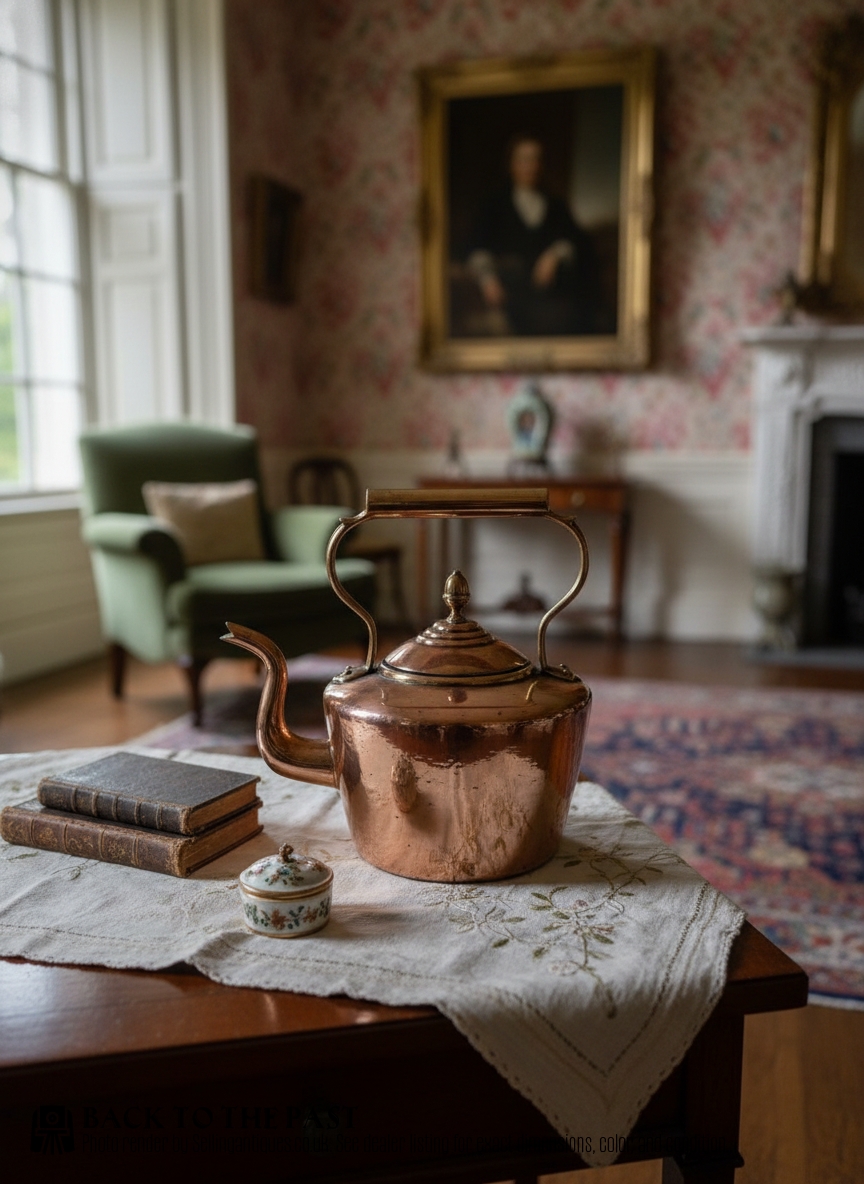
Traditional Copper Hearth Vessel
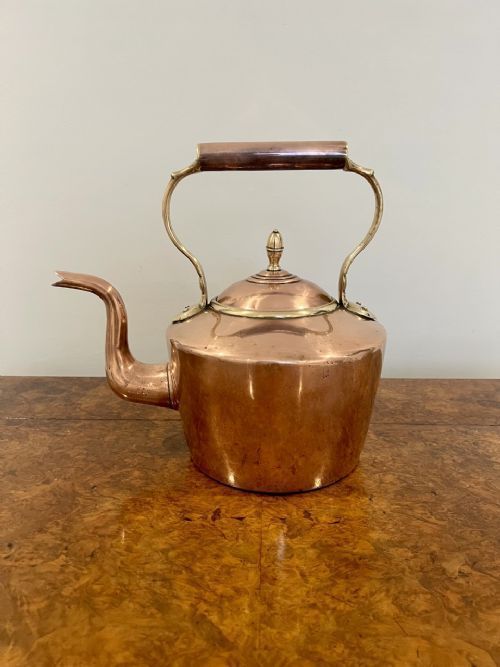
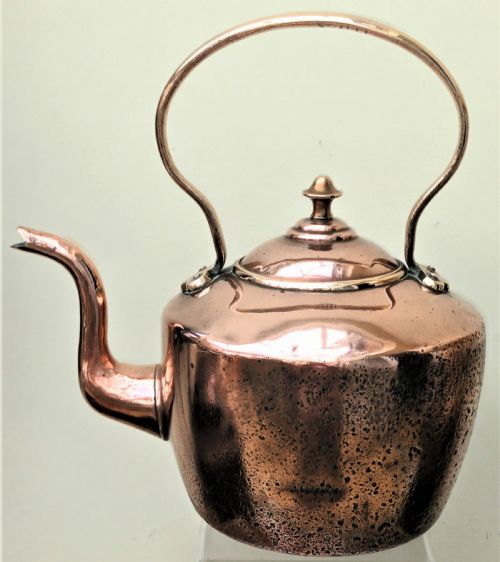
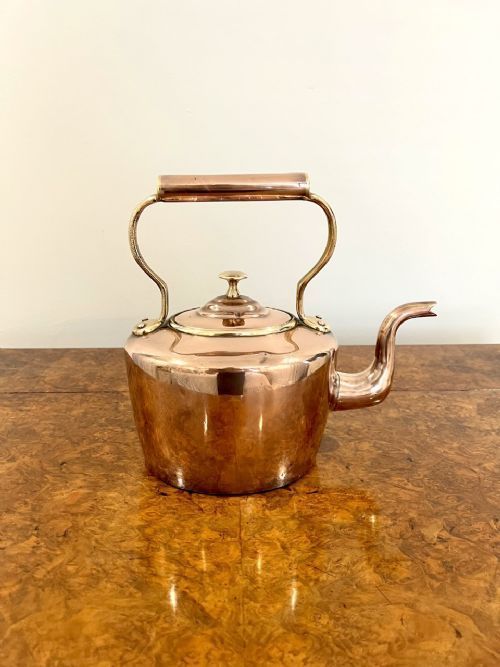
When you search for a traditional copper hearth vessel, you encounter a robust mix of utilitarian fireside equipment shaped over two centuries. These pieces represent the everyday metalwork of British homes, moving from Georgian rooms into Victorian parlours.
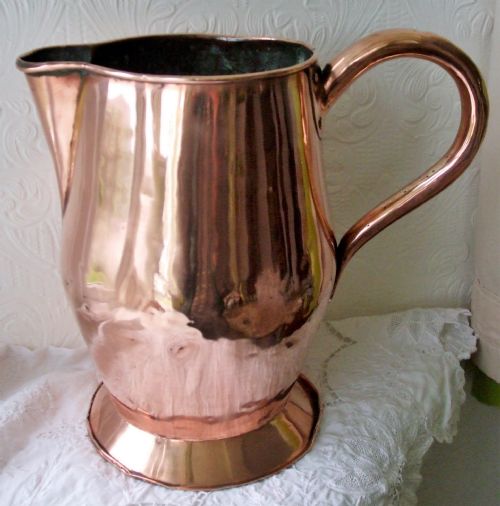
Kettles dominate the selection, appearing alongside large log bins, coal scuttles, jugs, and ale mullers. You meet both small domestic pieces and large gallon vessels meant for heavy fireside service.
The objects stem predominantly from the Georgian and Victorian eras, carrying the marks of rustic farmhouse workshops and refined domestic production. Each form served a distinct thermal or storage role beside the hearth.
How they were made
These vessels rely on sheet copper hammered and joined to withstand intense hearth heat. Makers combined the primary copper body with brass handles, iron swing bails, and tin linings.
Forged iron and wrought iron provided structural strength for heavy log bins and coal scuttles. Brass components added durable attachment points and contrasting trim to kettles and jugs.
Ale mullers were thrust directly into glowing tavern coals, serving as the ancient world's fast beverage heater.
What varies in quality
The calibre of a piece rests on the thickness of the metal sheet and the integrity of the joins. Heavier gauge copper and robust brass attachments distinguish superior domestic objects from standard utility wares.
Proportion and form separate ordinary items from exceptional examples. Oval kettles and helmet scuttles with balanced spouts, handles, and polished surfaces demonstrate higher workshop ambition.
The Traditional Copper Hearth Vessel Glossary
- Coal scuttle
- A container built to hold and transport coal for the fireplace. These often take bucket or helmet shapes with sturdy carrying handles.
- Log bin
- A large container used to store firewood near the hearth. They are constructed to handle heavy timber loads without buckling.
- George III
- A design period spanning the late eighteenth and early nineteenth centuries. Pieces from this era often show restrained Georgian proportions.
Traditional Copper Hearth Vessel: Frequently Asked Questions
How do I clean a copper kettle?
Polishing depends on whether you prefer a bright shine or a dark, historic patina. Gentle cleaning preserves the underlying metal without stripping character.
Avoid harsh abrasives that scratch the surface and remove the subtle tool marks left by early makers.
Were these vessels used for cooking?
Many kettles and cooking vessels saw daily service boiling water over open coals. The tin linings helped prevent the copper from reacting with food and liquids.
Over time, regular fireside heat left distinct thermal discoloration across the base and sides.
How do I date a piece?
Dating relies on observing construction methods, handle attachments, and overall stylistic forms. Georgian items often display simpler, heavier lines compared to Victorian variants.
Matching the object type to recorded periods helps narrow down the decade of manufacture.
Where should I place a log bin?
Log bins sit naturally beside a fireplace or wood-burning stove to keep fuel close at hand. Their generous scale allows them to function as sculptural floor pieces.
Ensure the floor surface is protected if storing damp timber inside antique metal containers.