

Traditional Club Seating
Traditional club seating brings together deep leather armchairs and substantial brass club fenders designed for fireside comfort across the nineteenth and twentieth centuries.
Traditional Club Seating
Traditional club seating encompasses low, deep-seated armchairs, library chairs, wingbacks, and brass club fenders intended for fireside and study use. Buyers searching this phrase will find nineteenth-century and early twentieth-century pieces spanning Victorian, Edwardian, and Art Deco styles.
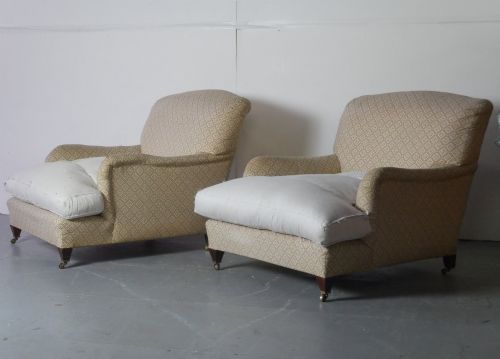
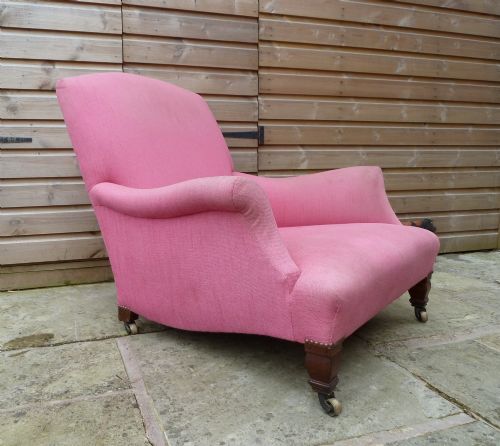
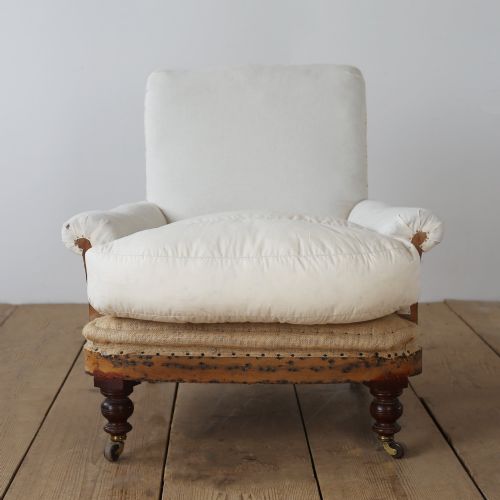
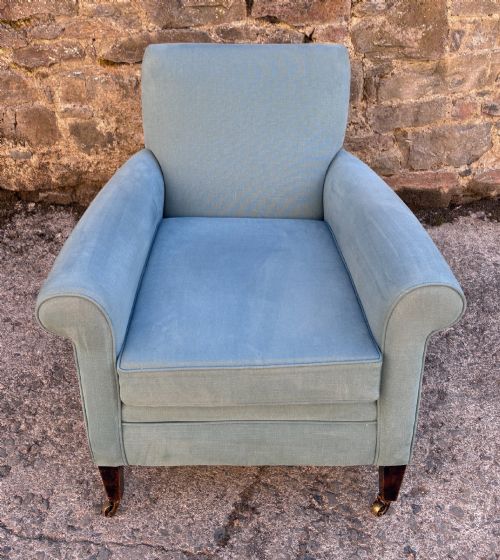
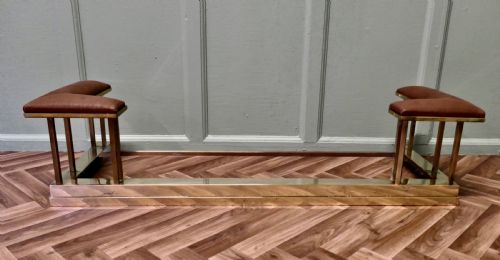
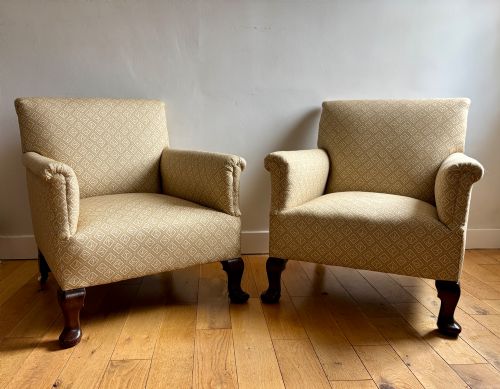
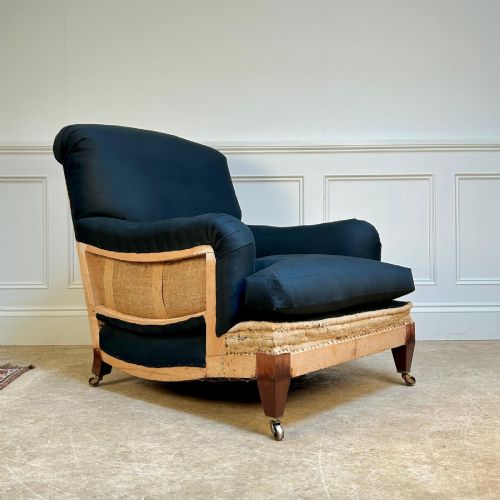
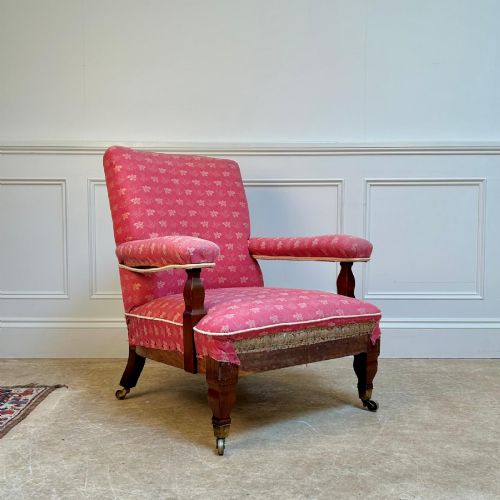
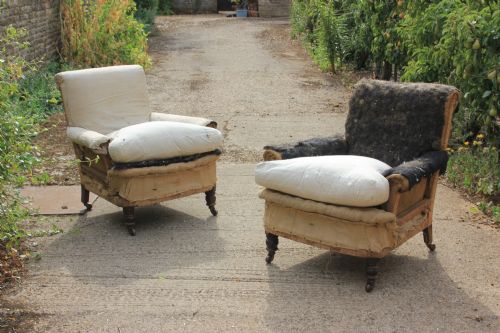
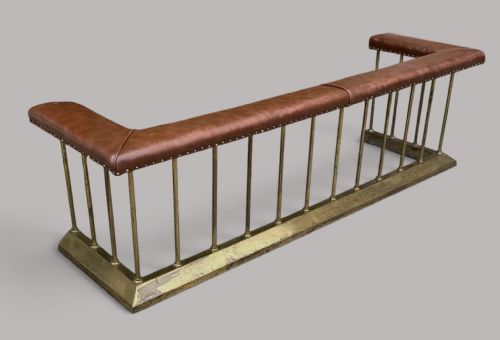
Armchairs dominate the selection, appearing in variants from Howard and Sons style builds to country house armchairs and French chairs. Club fenders also feature prominently, combining brass frames with leather-upholstered seats for fireside perching.
Origins stretch from Georgian mahogany library seating through late Victorian carved mahogany models to 1930s traditional forms upholstered in plaid wool or leather.
Materials and construction
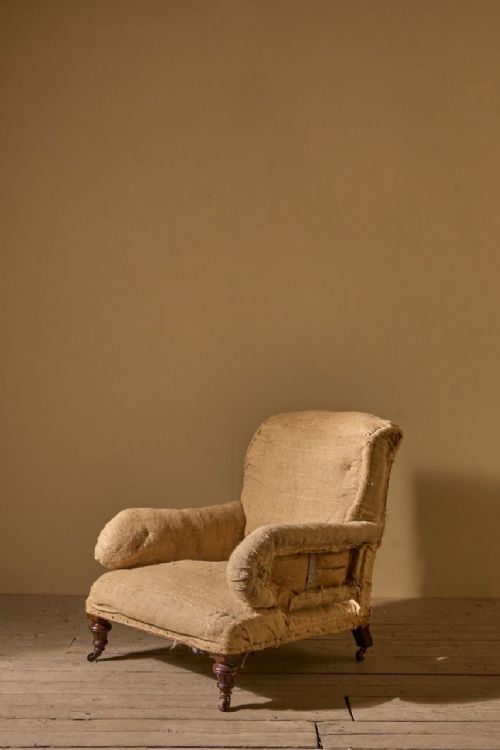
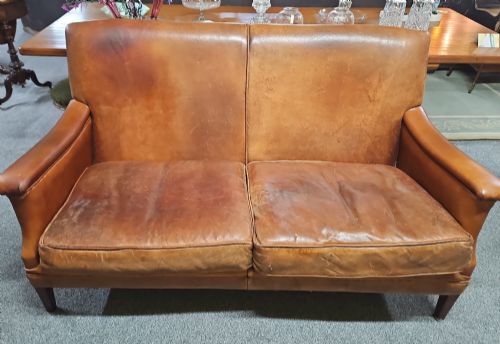
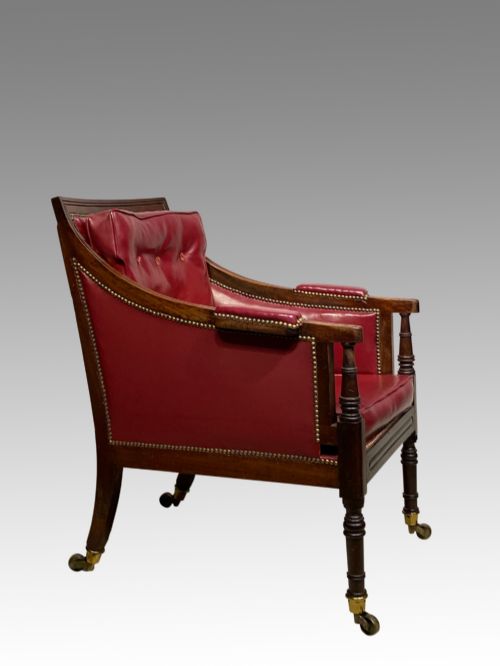
Upholstery employs leather, fabric, calico, and hessian beneath outer layers of mature tan leather or patterned wool plaid. Buttoned leather techniques appear on Victorian library chairs, paired with brass tack detailing.
Listings feature materials including brass, mahogany, leather, calico, hessian, and hardwood across Victorian, Edwardian, and Art Deco periods.
Distinctions in quality
Quality rests on the integrity of the underlying hardwood frame and the depth of the seating suspension. Maker attribution, such as pieces by George Jack for Morris & Co or Whytock & Reid, elevates a piece significantly.
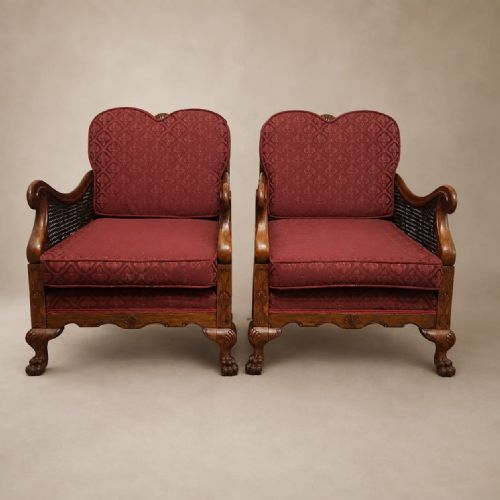
The finish and patina of mature leather, combined with authentic period brass work on club fenders, separate standard vernacular seating from high-end country house commissions.
Howard and Sons·Whytock and Reid·Morris and Co·Hampton and Sons
The Traditional Club Seating Glossary
- Club Fender
- A low metal frame with upholstered seats placed around a fireplace opening. These fixtures provide additional seating directly beside the hearth.
- Bergere
- An enclosed upholstered armchair with a wooden frame. Cane panelling frequently forms the sides and back of these seats.
- Wingback
- An armchair with high back panels designed to shield the sitter from draughts. These chairs often feature prominent side wings and deep cushioning.
- Library Chair
- A sturdy armchair constructed for reading rooms and studies. These pieces typically utilise mahogany or oak frames with leather upholstery.
- Bridgewater
- A traditional armchair style characterised by low arms and deep loose cushions. This form provides relaxed comfort associated with country house interiors.
Traditional Club Seating: Frequently Asked Questions
What defines a club fender?
A club fender is a metal frame, usually brass, built to surround a hearth with integrated upholstered seats.
They originated in gentlemen's clubs and large houses to allow comfortable seating close to the fire.
How do I identify a Howard style armchair?
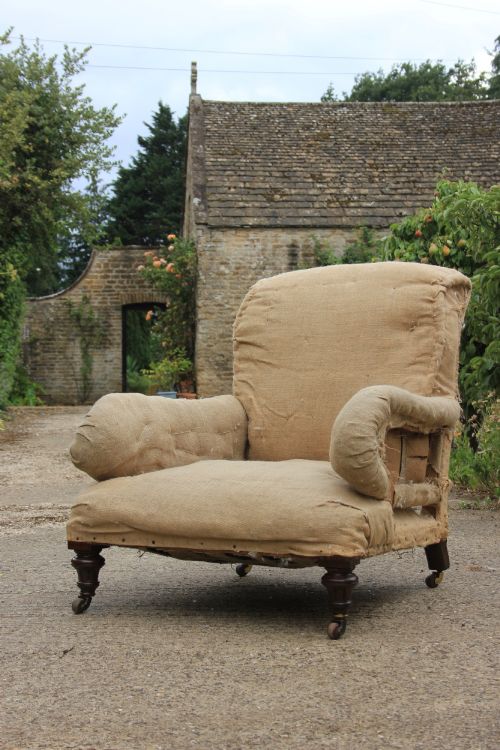
Howard style armchairs are known for their generous proportions, low scrolled arms, and deep sprung seating.
Original pieces or quality revival models often stand on tapered wooden legs with brass castors.
Are these chairs suitable for daily use?
These pieces were built with robust hardwood frames and durable leather or fabric upholstery designed for sustained daily sitting.
Their deep seats and supportive construction make them practical for modern living rooms and studies.
What is the difference between Victorian and Edwardian seating?
Victorian seating tends to feature darker carved mahogany frames, buttoned leather, and heavier proportions.
Edwardian and later pieces often lean towards lighter woods, simpler lines, and looser, plainer cushion arrangements.