



Traditional Chinese Figurines
Traditional chinese figurines bring historical figures, deities, and daily scenes into a room through the detailed work of carvers and potters.
Traditional Chinese Figurines
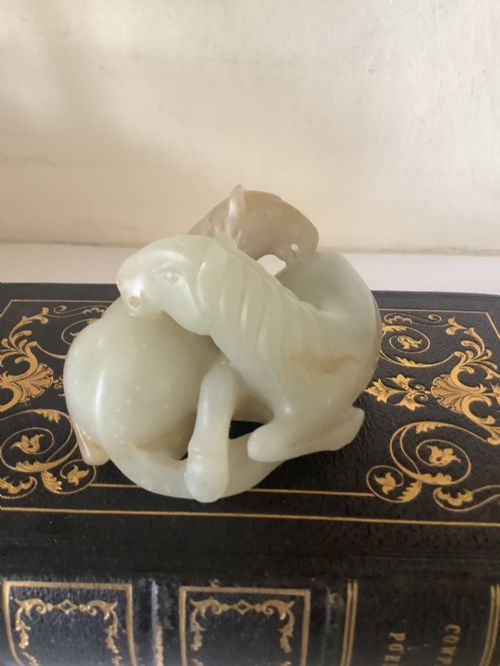
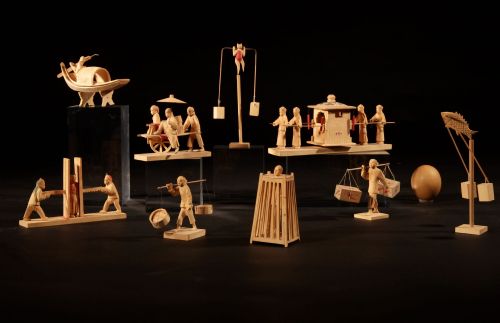
Traditional chinese figurines encompass carved wood, stone, soapstone, jade, and glazed earthenware figures that capture figures from daily life, mythology, and folklore. These pieces range from depictions of Daoist immortals and laughing buddhas to fishermen, sages, and animals such as horses and quails.
The version most likely to be met on this page is the carved hardwood or stone figure dating from the nineteenth century or around nineteen hundred. These sculptures vary from single standing subjects to small groups showing daily activities or animals.
How they were made
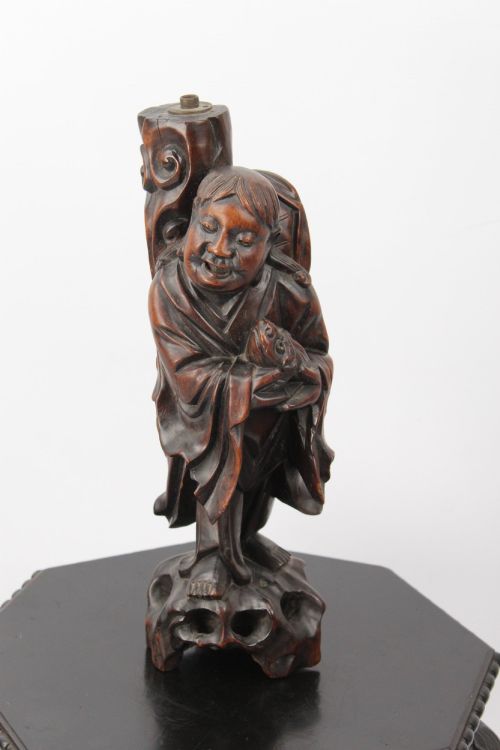
Carvers shaped dense hardwoods, soapstone, bamboo, and hardstone using hand tools to define facial expressions, drapery folds, and natural textures like gnarled wood or animal hair. These materials demanded patience and precision from the artisan to reveal the natural grain or colour of the medium.
Potters and metalworkers utilised glazing, such as sancai lead glazes, and metal casting techniques to produce ceramic horses and brass statues. Each method resulted in durable objects that retain their surface detail and finish over centuries.
Traditional Chinese Figurines Retail Price Guide 2026
Typical asking prices for traditional chinese figurines among the pieces listed under this phrase on Sellingantiques today, from the lower quarter to the upper quarter. They describe what is for sale here now, not the wider market.
Several pieces capture lively animal interactions, including a sow with piglets and quails rendered in cloisonné enamel.
What varies in quality
Quality rests in the expressiveness of the carving, the sensitivity to the natural material, and the precision of the anatomical or textural details. A superior piece shows fluency in the posture of a figure and careful handling of hands, garments, and attributes.
The selection of the medium also distinguishes the work, where well-chosen gnarled wood, clear hardstone, or finely applied glazes elevate the presence of the sculpture. Less successful examples rely on stiff postures and flat surfaces that lack life.
The Traditional Chinese Figurines Glossary
- Hardwood
- Dense, durable timber such as rosewood or zitan used for intricate carving. It holds fine detail and develops a deep patina over time.
- Soapstone
- A soft, talc-based stone that is easily carved into detailed figures and animals. It often displays mottled natural colours ranging from green to brown.
- Sancai
- A type of lead-glazed pottery using a three-colour palette, typically amber, green, and cream. It is characteristic of Tang dynasty ceramics and later revivals.
- Immortal
- A mythological or Daoist figure associated with longevity and spiritual attainment. They often appear with distinct attributes such as a basket, staff, or toad.
- Cloisonné
- An enamel technique where metal wire forms compartments on a base to hold coloured paste. Firing creates a smooth, patterned surface across the object.
Traditional Chinese Figurines: Frequently Asked Questions
What materials were used for traditional chinese figurines?
Makers carved these figures from hardwoods, soapstone, bamboo, jade, and other stones. Other examples use metal, terracotta, and glazed earthenware.
The choice of material often influenced the scale and level of detail possible, from the deep grain of hardwood to the smooth surface of soapstone.
How do I identify a Daoist immortal figure?
Daoist immortals often appear with specific attributes or companions that signal their identity. Liu Hai, for instance, is traditionally shown with a three-legged toad.
Figures may also carry staffs, gourds, or peaches, which serve as symbols of longevity and wisdom in Chinese folklore.
Where should I place these sculptures at home?
These figures suit display surfaces where their details can be appreciated up close, such as sideboards, cabinets, or desk tops. Placing them away from direct heat sources protects wood and stone.
Pairing matching pieces together or grouping smaller carvings creates a balanced display that echoes traditional collector arrangements.
How can I tell the age of these carvings?
Age is indicated by the wear on the material, the tool marks left by the carver, and the natural patina developed on wood and stone over time. Stylistic details also connect pieces to specific periods like the nineteenth century or the early twentieth century.
Examining the base and the interior of the carving often reveals the methods and tools characteristic of older workshop production.