




Traditional Chinese Chair
A traditional chinese chair brings centuries of refined seating history into a room, offering striking silhouettes crafted from hardwoods and elm.
Traditional Chinese Chair
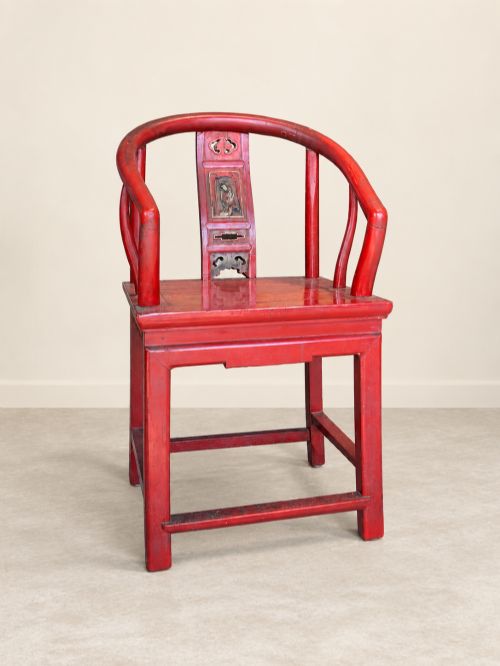
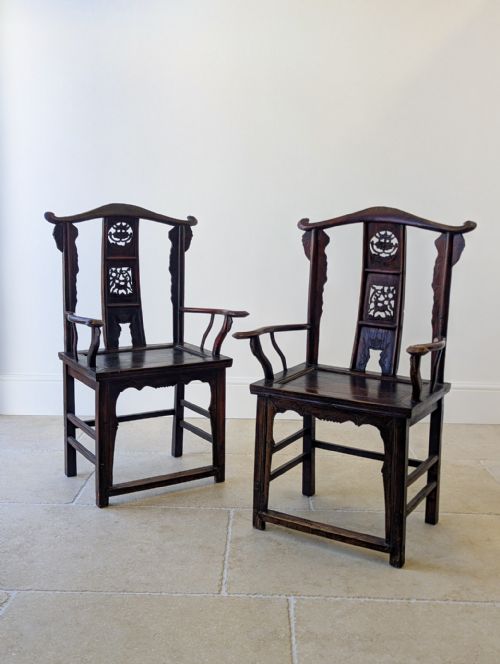
When searching for a traditional chinese chair, buyers encounter forms ranging from horseshoe-back armchairs and yoke-back scholars chairs to lacquer side chairs and benches. These seating pieces span periods from the eighteenth century through the nineteenth century and into the early decades of the twentieth century, including Qing Dynasty examples and revival pieces. Buyers most frequently meet elm and hardwood versions, alongside lacquered wood, mahogany, and bamboo canework variations.
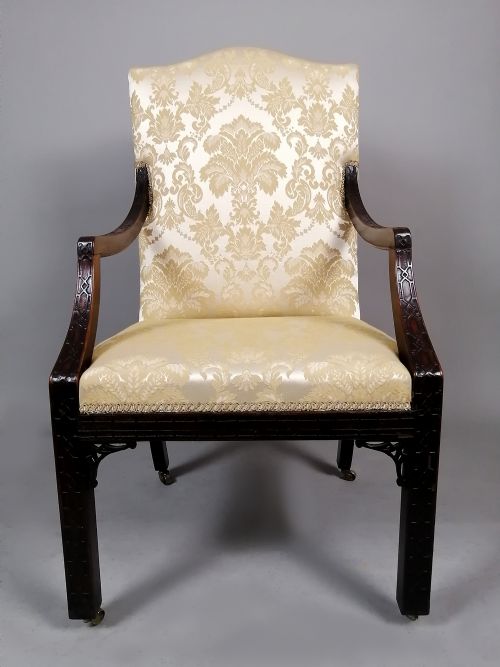
The selection includes dining chairs, hall chairs, library chairs, and folding armchairs, alongside seating sets and day beds. Many pieces originate from traditional Chinese craftsmanship, while others reflect British and European interpretations such as Chinese Chippendale styles. Whether seeking an ornate painted piece or a minimalist yoke-back design, collectors find diverse expressions of seating that served scholars, officials, and households alike.
How They Were Made
The construction of these pieces relies heavily on dense hardwoods, elm, and mahogany, shaped into robust frames using traditional joinery methods that often avoid metal nails. Artisans applied layers of lacquer or paint to surfaces, occasionally incorporating cane seating panels, fabric inserts, or brass inlays for decorative detail.
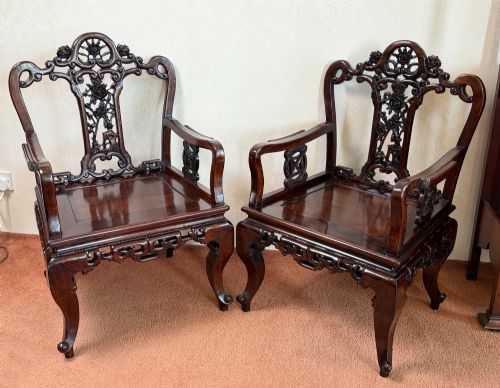
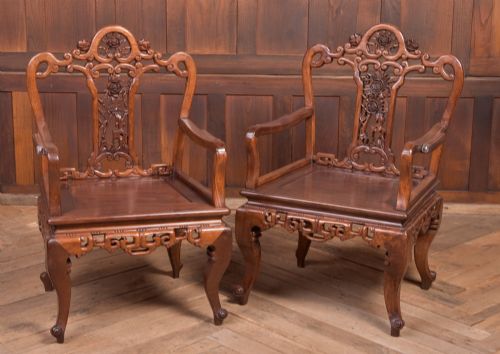
Carved elements appear across backs and aprons, utilising woods like hongmu and blonde wood to achieve intricate floral or geometric motifs. Selected pieces combine structural timber with flexible bamboo canework, demonstrating versatile manipulation of natural materials.
Traditional Chinese Chair Retail Price Guide 2026
Typical asking prices for traditional chinese chair among the pieces listed under this phrase on Sellingantiques today, from the lower quarter to the upper quarter. They describe what is for sale here now, not the wider market.
Stargazers chairs and day beds offer unusual reclining options for nineteenth-century contemplation.
What Varies in Quality
Quality in these seating items rests upon the integrity of the timber selection and the precision of the joinery that holds the frame together. Hardwood and dense elm examples with crisp, deep relief carving demonstrate superior craftsmanship compared to simpler or softer constructions.
The preservation of original surface finishes, such as aged red lacquer, painted details, or intact cane work, distinguishes higher-grade specimens. Proportion, balance, and the crisp execution of traditional back shapes like the horseshoe curve or yoke profile determine the visual success of the piece.
The Traditional Chinese Chair Glossary
- Yoke-back chair
- A traditional seating form characterised by a top rail that curves and extends outwards, resembling an ox yoke. This design supported the posture of scholars and officials.
- Horseshoe-back armchair
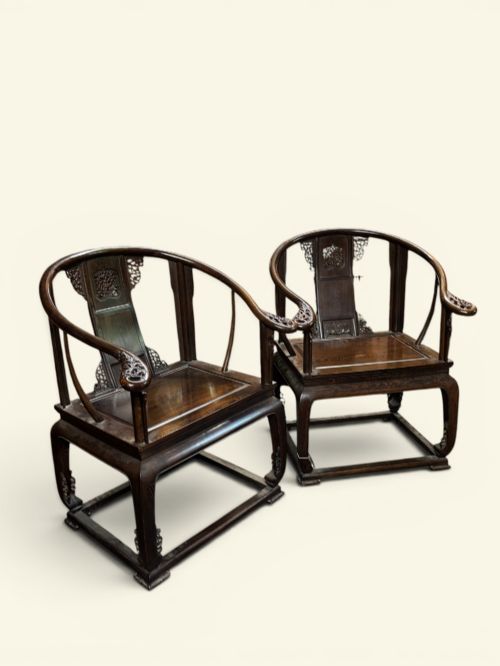
- A comfortable seating type featuring a continuous curved crestrail and armrests that sweep down in a semi-circle. It provides ergonomic support through its embracing, rounded contours.
- Hongmu
- A category of dense, heavy Asian hardwoods translated literally as red wood. It encompasses several species prized for deep colour and durability.
- Cane
- Woven material derived from the peeled bark of rattan palms, utilised for resilient seat panels. Canework offers lightweight flexibility within wooden frames.
- Qing Dynasty
- The final imperial dynasty of China, spanning from sixteen forty-four to nineteen twelve. Furniture from this era often displays formal carving and structured proportions.
- Cockpen chair
- A Western adaptation of Chinese lattice designs featuring open geometric fretwork. It gained popularity during the eighteenth century within European interiors.
Traditional Chinese Chair: Frequently Asked Questions
How do I identify a horseshoe chair?
A horseshoe chair is defined by its continuous, sweeping arm and back rail that forms a semi-circle. This curved profile allows the user to rest their arms comfortably at various angles.
Many examples date from the nineteenth century and incorporate sturdy timber construction. Brass inlays or carved details occasionally accent the back splat.
Where were these chairs used?
These chairs served various domestic and formal functions within households, studies, and halls. Scholars utilised yoke-back designs for reading and writing.
Larger benches, armchairs, and dining sets accommodated guests or family gatherings. Lighter folding versions allowed for flexible placement indoors or outdoors.
What materials are common?
Elm and various dense hardwoods form the primary structural materials for these pieces. Lacquered wood, mahogany, and blonde wood also appear across different styles.
Decorative elements include painted surfaces, brass inlays, and cane work seat panels. Each material influences the weight, colour, and texture of the seating.
How do I date an antique chair?
Dating relies on examining the timber species, joinery techniques, and surface wear consistent with recorded periods. Pieces range from eighteenth-century Chippendale interpretations to nineteenth-century Qing Dynasty examples and early twentieth-century creations.
Stylistic shifts, such as the transition from carved hardwood to painted finishes, provide clues. Comparing the form to documented archival types helps narrow the origin era.