




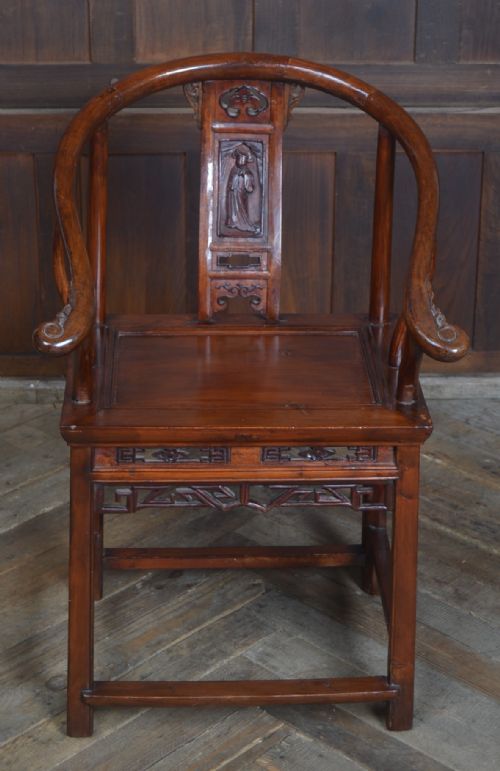


Brown Chinese Armchair
A brown chinese armchair offers sculptural timber forms and centuries of seating history, bringing distinct architectural presence to any interior.
Brown Chinese Armchair
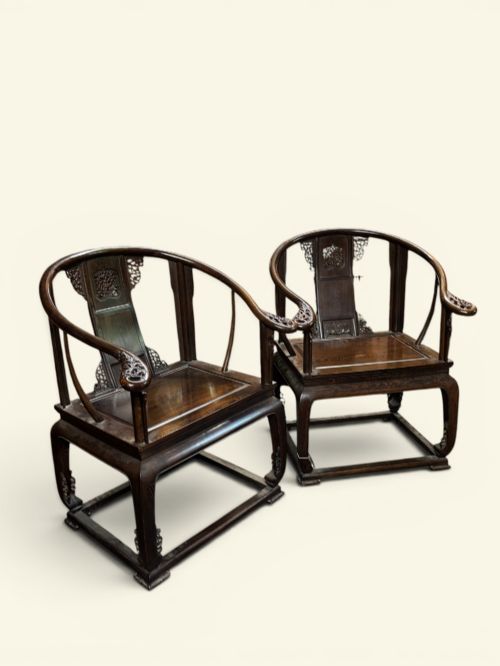
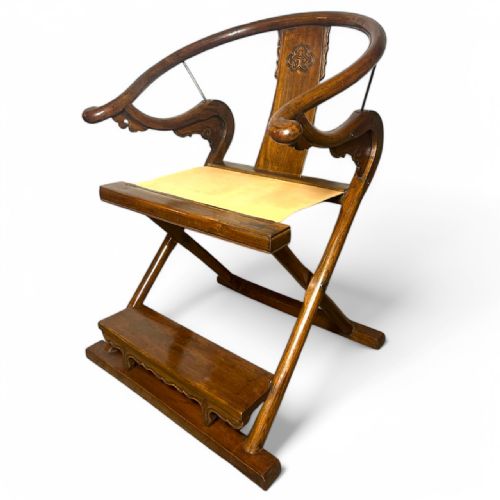
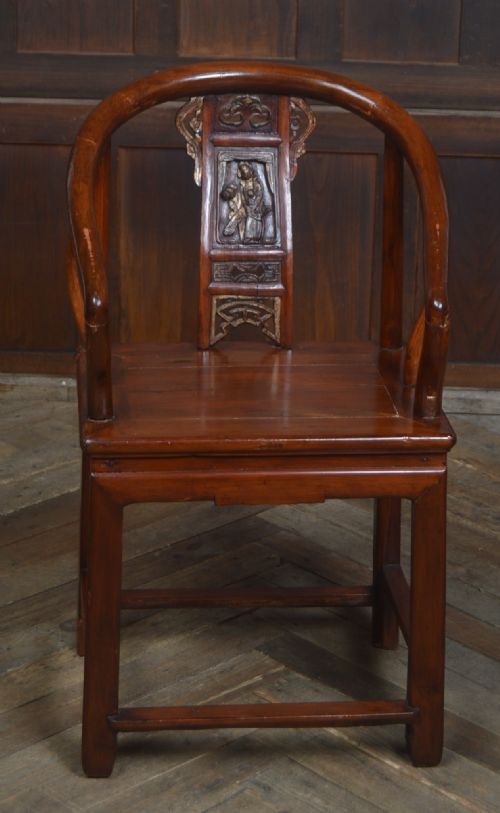
Buyers will most frequently encounter horseshoe-back armchairs, yoke-back scholars chairs, and folding variations amongst the current listings. These seating options range from simple elm forms to elaborate horseshoe-back throne chairs and matching seating sets.
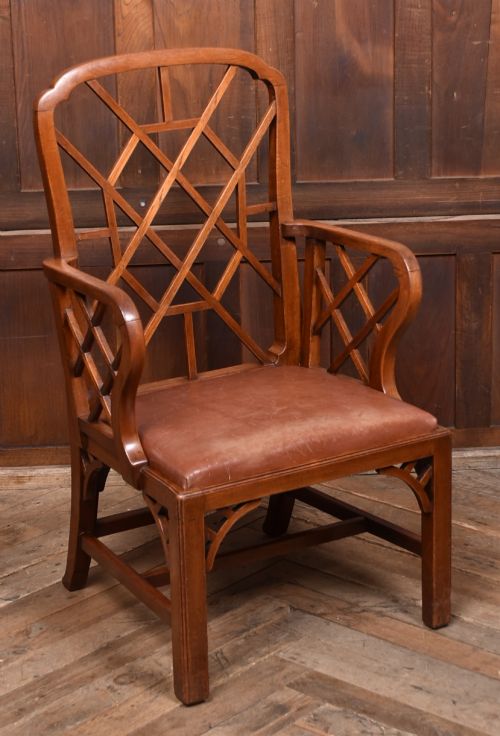
Originating through various export and domestic traditions, these chairs also span stylistic intersections like Chinoiserie and Chippendale influences. Each piece provides a functional seat rooted in historical craftsmanship.
Materials and construction methods
Construction relies heavily on dense timbers such as elm, teak, mahogany, and dark hardwood, chosen for structural integrity and rich natural colour. Artisans utilised traditional joinery techniques to frame these brown chinese armchair examples without relying on modern metal fasteners.
Surface finishes include applied lacquer, polished hardwood surfaces, and occasional cane or fabric inserts. These treatments highlight the natural grain of the wood while providing a durable outer layer.
Current listings feature materials spanning elm, teak, mahogany, and lacquer, alongside specialised forms like folding thrones and day beds.
Assessing quality in construction and form
Quality rests upon the crispness of carved details and the structural tightness of the traditional joinery. Superior examples maintain balanced proportions and harmonious wood grain across visible surfaces.
The choice of timber significantly shifts the character of the piece, with dense hardwoods offering greater weight and longevity than softer domestic woods. Intricacy in horseshoe-back curves and yoke terminals further distinguishes finer workshops from utilitarian seating.
The Brown Chinese Armchair Glossary
- Horseshoe-back
- A continuous curved crest rail that sweeps downward to form the armrests. This ergonomic profile provides distinctive lumbar support.
- Yoke-back
- A chair design featuring a stepped or winged top rail resembling an ox yoke. Scholars utilised these chairs for upright posture during study.
- Qing Dynasty
- The final imperial dynasty of China lasting from the mid seventeenth to early twentieth century. Many traditional hardwood chairs date from the later decades of this era.
- Elm
- A resilient native timber valued for its visible grain pattern and structural flexibility. It served as a primary material for domestic Chinese seating.
- Lacquered wood
- Timber coated with multiple layers of refined tree sap resin to create a durable and lustrous seal. This finish protects the underlying structure while adding visual depth.
Brown Chinese Armchair: Frequently Asked Questions
How do I style a brown chinese armchair at home?
These chairs function effectively as standalone accent pieces in hallways, studies, or living rooms. Their sculptural timber profiles pair naturally with both contemporary and traditional interior schemes.
Allow sufficient physical space around the chair to let the curved arms and high backs remain visually prominent. They work well placed beside plain walls or neutral upholstery.
Are these chairs comfortable for daily use?
Traditional Chinese seating was designed for upright posture rather than lounging, meaning wooden seats are firm. Many owners add simple loose cushions for extended sitting.
The ergonomic sweep of horseshoe and yoke backs provides surprisingly effective lumbar support despite the lack of upholstered padding.
How do I date an antique chinese armchair?
Dating relies on timber patination, construction wear patterns, and stylistic markers associated with specific dynasties or decorative periods. Elm and hardwood examples often show gradual surface softening over generations of touch.
Joinery methods also offer clues, as older pieces depend entirely on pegged mortise and tenon joints without modern adhesives or screws.