



Traditional China Dresser
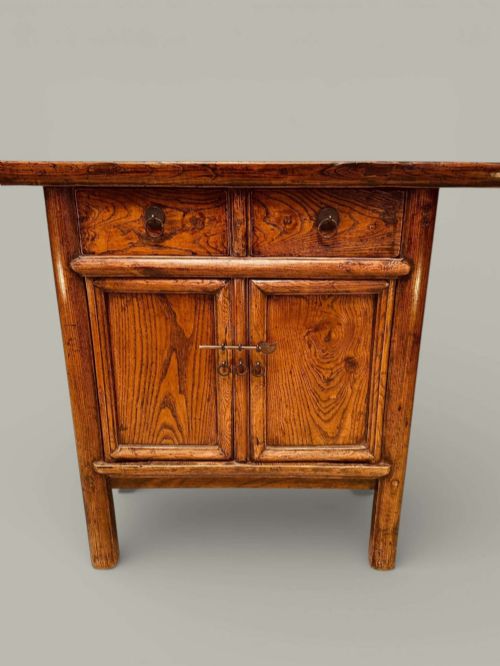
A traditional china dresser is a sturdy storage piece designed to display ceramic plates and hold tableware, combining open shelving with enclosed cupboards.
Traditional China Dresser
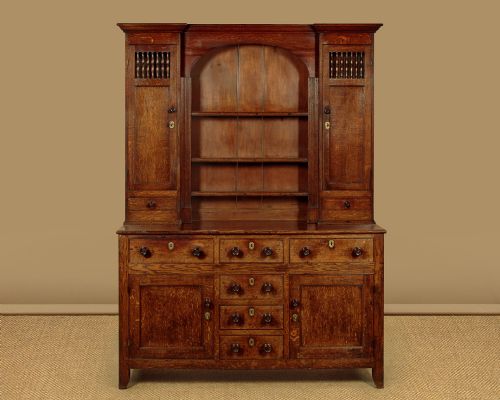
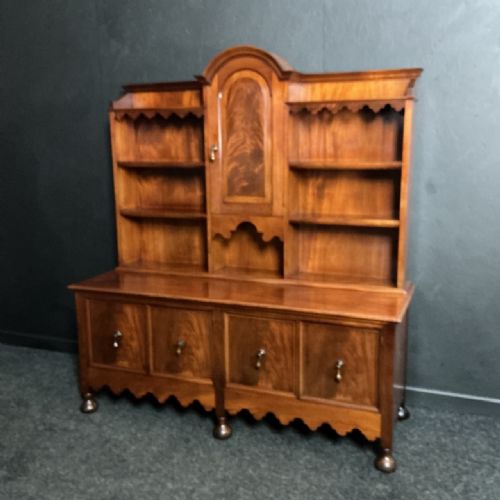
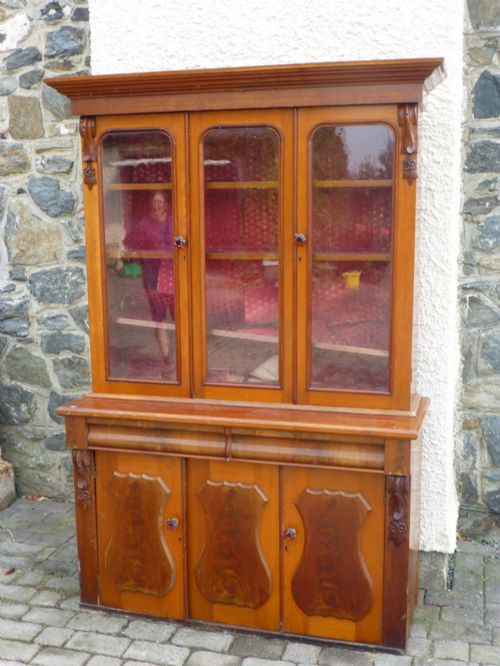
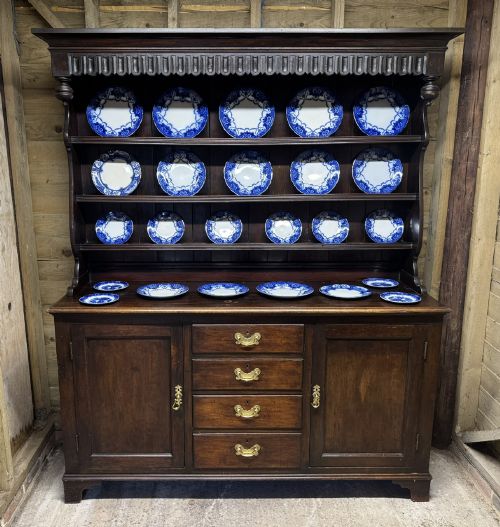
A traditional china dresser serves as a dual-purpose furniture item, typically featuring an open plate rack or glazed cabinet top paired with a lower base of drawers and cupboards. These pieces evolved from utilitarian kitchen furniture into prominent dining room and parlour furnishings used to showcase household china.
The versions most commonly met on this page span the eighteenth, nineteenth, and early twentieth centuries, reflecting regional English, Welsh, Dutch, and Edwardian cabinet-making traditions. Buyers encounter forms ranging from stripped pine cottage dressers to large carved oak displays and mahogany breakfront designs.
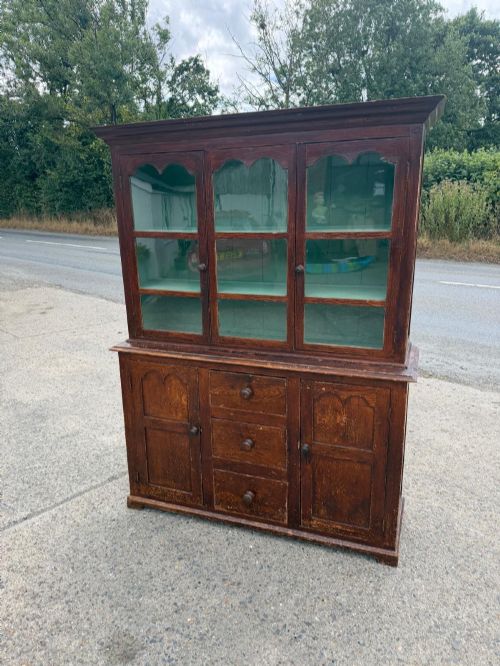
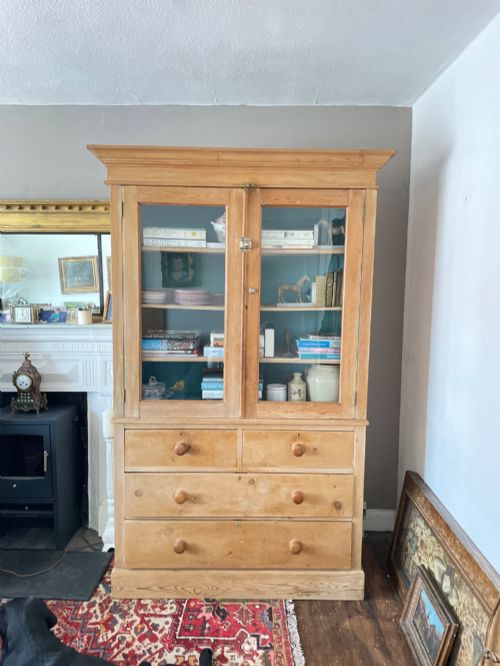
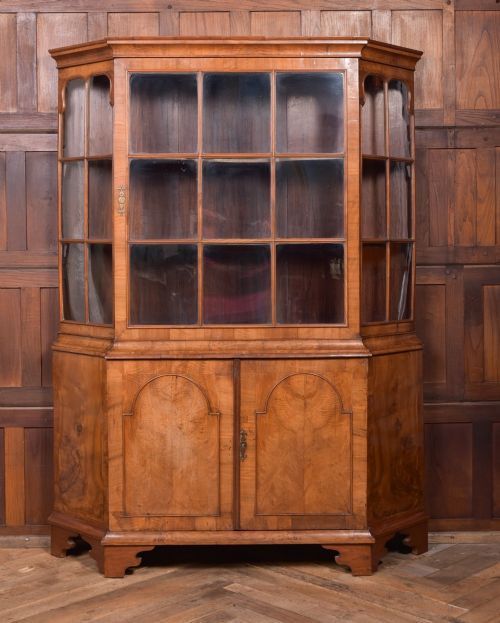
Object variations include kitchen dressers, Welsh dressers, display cabinets, and bookcases with glazed doors. Each type maintains the characteristic division between upper display space and lower storage, though proportions and decorative details shift according to period and regional origin.
How they were made
Cabinet makers built traditional china dressers using solid timbers such as oak, pine, mahogany, and walnut, often combining woods within a single piece like oak and mahogany. Construction methods involved traditional joinery for the two main sections, as many examples separate into an upper rack or cabinet and a lower sideboard base.
Glazing techniques utilised lead to secure glass panes within cabinet doors, while brass hardware, iron metalwork, and carved wooden panels provided structural and decorative detailing. Surfaces were finished in various ways, including waxed pine, painted interiors, and polished flame mahogany veneers.
Traditional China Dresser Retail Price Guide 2026
Typical asking prices for traditional china dresser among the pieces listed under this phrase on Sellingantiques today, from the lower quarter to the upper quarter. They describe what is for sale here now, not the wider market.
The available pieces span the eighteenth century through the Edwardian period, including specific dates such as seventeen-fifty and nineteen-twenty.
What varies in quality
Quality in these dressers is determined by the selection of timber and the precision of the joinery, particularly in the construction of drawers and the fitting of doors. Superior examples feature well-figured woods, such as flame mahogany or dense old-growth oak, paired with harmonious proportions between the upper display tier and lower base.
The refinement of decorative elements also separates standard pieces from finer ones, seen in carved panels, turned legs, and original brass or iron hardware. Alterations over time, such as replaced plate racks or modified cornices, influence the integrity of the piece.
The Traditional China Dresser Glossary
- Plate rack
- An open shelving structure mounted on the upper back of a dresser, designed to display ceramic plates upright in grooves. It often incorporates shaped friezes or small spice drawers.
- Breakfront
- A cabinet design where the central section projects forward from the flanking wings, creating depth and architectural presence. This configuration appears on larger kitchen and display pieces.
- Glazed door
- A frame holding glass panes that encloses the upper section of a cabinet, protecting china from dust while maintaining visibility. These doors frequently utilise lead cames to hold smaller panes together.
- Vernacular furniture
- Domestic pieces made by regional craftsmen using local traditions and available materials rather than following metropolitan high-style fashions. Welsh and West Country dressers often fall into this category.
- Cornice
- The moulded projection that crowns the top of a dresser or display cabinet, providing a finished architectural transition. Its profile helps indicate the period and stylistic influence of the piece.
Traditional China Dresser: Frequently Asked Questions
What is a traditional china dresser?
A traditional china dresser is a two-part furniture item combining an upper display section, such as an open rack or glazed cabinet, with a lower storage base of cupboards and drawers.
These pieces were traditionally used in kitchens and dining rooms to store and exhibit tableware and ceramic collections.
How were these dressers used?
They served as both practical storage for everyday kitchen utensils and formal display units for valued ceramic collections. The open shelves held plates for easy access, while enclosed lower cupboards stored heavier pots and linens.
Over time, their role shifted toward the display of decorative china in dining rooms and living spaces.
How do I live with a wooden dresser?
Placing a wooden dresser away from direct heat sources and strong sunlight protects the timber and historic finishes from warping or fading. Regular dusting and occasional waxing help maintain the surface condition of older woods like oak and pine.
Because many examples come in two sections, ensure the upper rack is securely anchored to the base or wall for stability.
How do I tell different periods apart?
Periods are identified through a combination of timber choice, hardware style, and construction characteristics. Eighteenth-century and early nineteenth-century pieces often display regional vernacular traits and solid oak or pine construction, while Edwardian and later examples may feature revived styles or factory-made hardware.
Examining the drawer construction, backboards, and glazing bars provides further clues to the manufacturing date.