

Traditional Chairs
Traditional chairs bring centuries of regional woodworking and formal dining history straight into daily life through sturdy timber frames.
Traditional Chairs
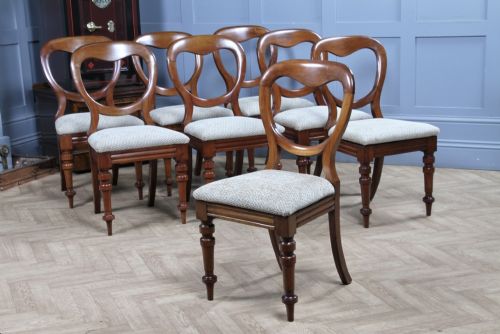
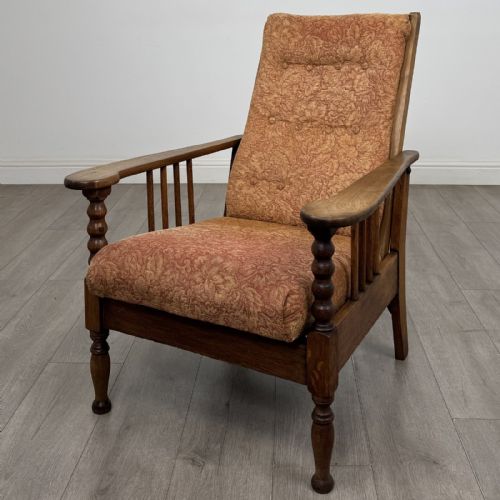
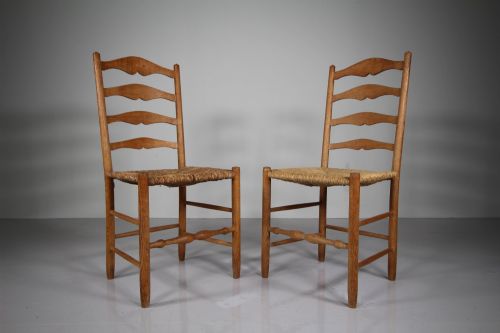
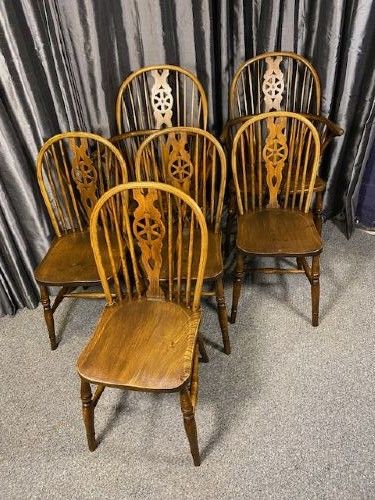
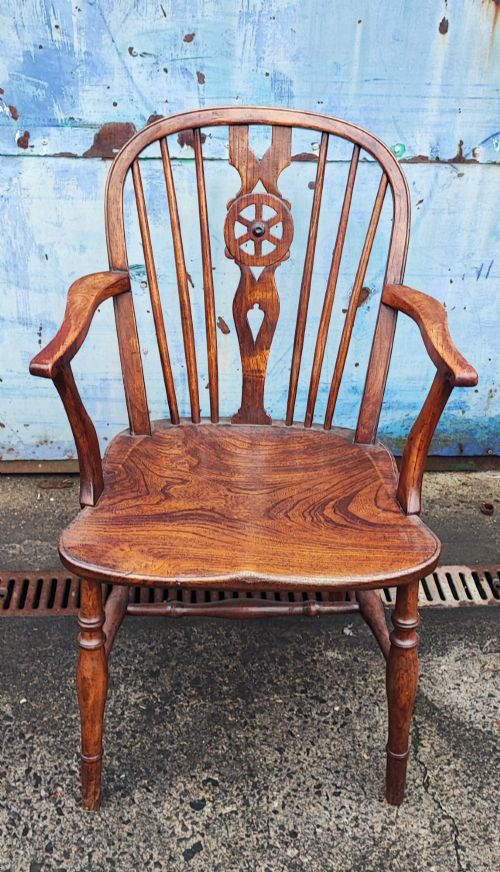
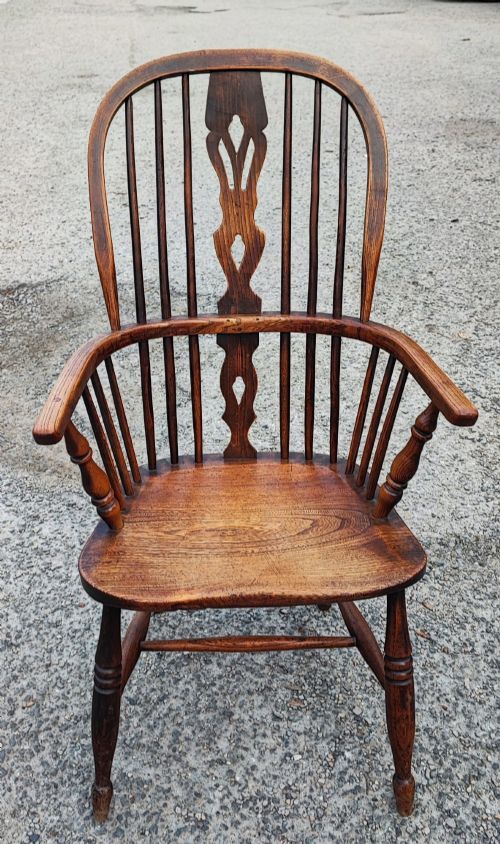
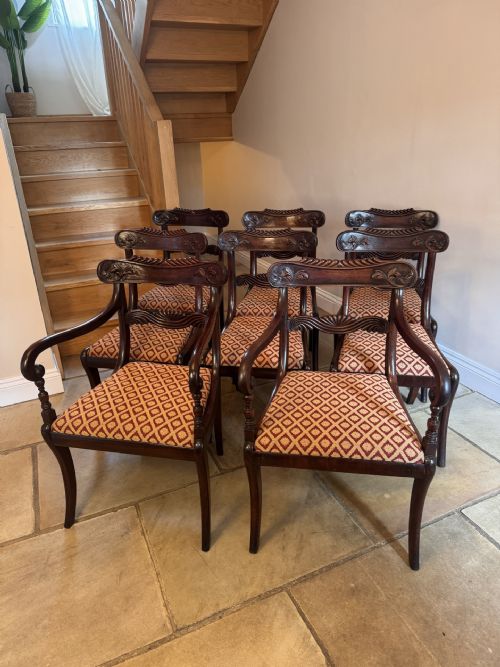
Traditional chairs encompass a broad category of seating spanning from eighteenth century country workshops to formal nineteenth century dining rooms. When exploring traditional chairs, buyers encounter diverse forms including Windsor armchairs, provincial ladderbacks, and mahogany dining sets.
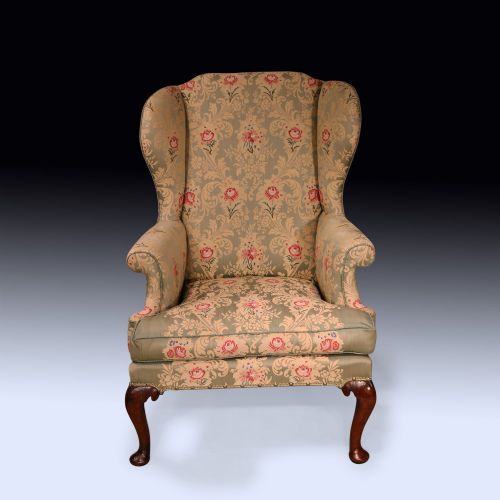
The selection ranges widely across eras from seventeenth century styles through Victorian and Edwardian periods. Regional English country vernacular pieces appear frequently alongside formal Regency and Georgian dining seats.
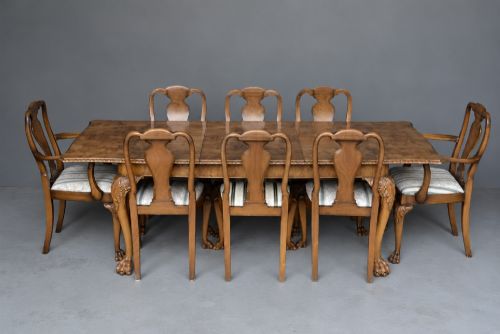
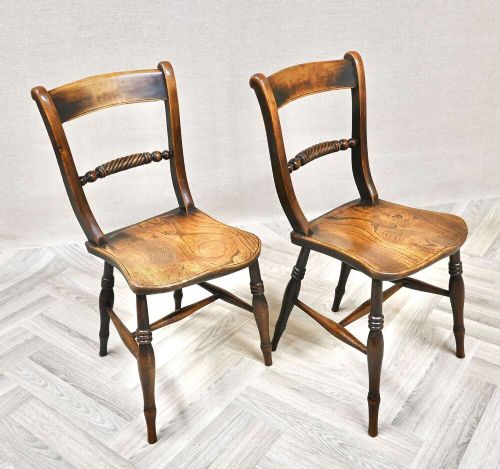
Object types on this page cover functional domestic seating such as side chairs, carvers, high chairs, and complete dining sets. Elm, oak, and mahogany feature heavily across these historic regional and formal iterations.
How they were made
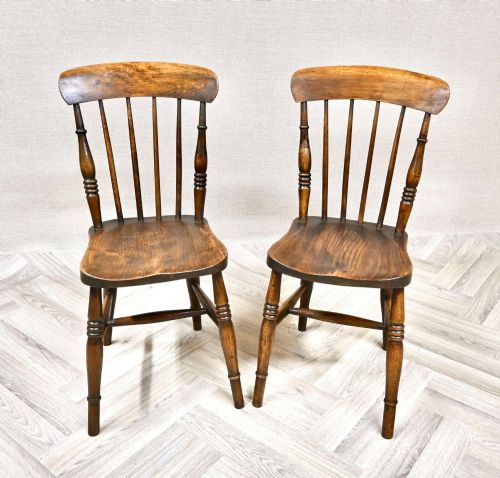
Cabinet makers and bodgers relied on native timbers such as elm, ash, beech, and fruit wood for country seating. Turnery, steam bending, and pegged joints secured the components of stickback and hoop back Windsor chairs.
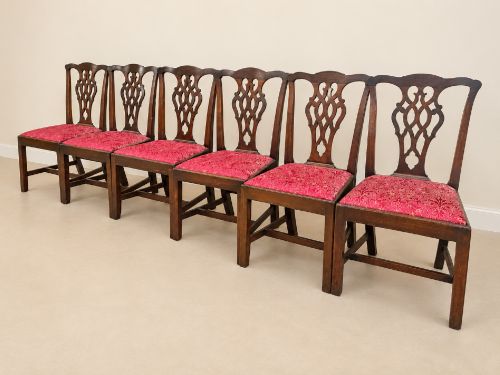
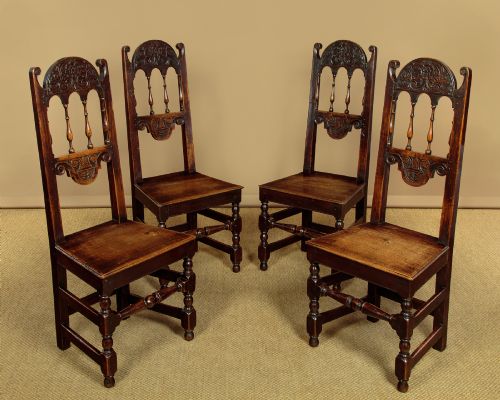
Formal dining chairs utilised dense imported hardwoods like mahogany and walnut, shaped with carved details and finished with upholstered drop-in seats or fabric coverings. Rush seating also appears on ladderback vernacular forms, woven tightly across wooden frames.
Traditional Chairs Retail Price Guide 2026
Typical asking prices for traditional chairs among the pieces listed under this phrase on Sellingantiques today, from the lower quarter to the upper quarter. They describe what is for sale here now, not the wider market.
Penny seats carry literal indentations shaped by generations of kitchen occupants sitting down for supper.
What varies in quality
The calibre of a piece often rests upon timber selection, such as richly figured burr elm or densely grained mahogany. Honest patination and minimal structural intervention elevate a chair above standard commercial stock.
Refined carving on mahogany splats or carefully turned spindles demonstrate superior workshop execution. Matching sets maintain higher desirability when all individual chairs share identical timber grain and construction integrity.
James Mein Kelso·Rockley maker
The Traditional Chairs Glossary
- Windsor
- A traditional wooden chair featuring a saddle-shaped solid timber seat into which the legs and back spindles are wedged. These chairs often incorporate bentwood bow backs or comb pieces.
- Carver
- An armchair designed to match a set of dining side chairs, typically placed at the head of a table. They feature supportive arms integrated into the upper frame.
- Ladderback
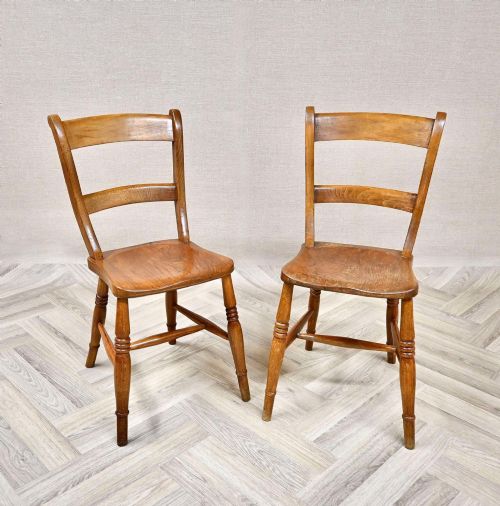
- A chair with a back consisting of horizontal arched wooden slats between vertical posts. This regional style frequently accompanies woven rush seats.
- Penny seat
- A solid wooden seat sculpted with deep depressions resembling large coins for comfort. This technique appears on nineteenth century kitchen and country chairs.
- Barback
- A chair back style defined by a horizontal wooden bar supporting vertical spindles or splats. These appear commonly on nineteenth century kitchen seating.
Traditional Chairs: Frequently Asked Questions
How do I care for antique wooden chairs?
Historic timber thrives in stable indoor environments away from direct heat sources and dramatic humidity shifts. Applying occasional natural wax preserves the aged patina without sealing the wood.
Avoid chemical polishes that can degrade nineteenth century finishes. Check structural joints periodically to ensure pegs and glue remain secure.
Are dining sets matched or assembled later?
Many large dining sets combine chairs produced together in a workshop with occasional later additions to make up counts of eight or ten. Examining timber grain, turnery details, and underframe construction reveals whether chairs originated as a single set.
Original sets display consistent wear patterns and identical wood species throughout. Matched sets command distinct interest from collectors seeking uniformity.
What is a rush seat?
A rush seat consists of dried marsh grass twisted into cords and hand-woven tightly across a wooden chair frame. This technique provides a resilient, supportive surface common on ladderbacks and country seating.
Historic rush work ages to a warm golden tone over decades of use. Regular dusting keeps the natural fibres intact and strong.