








Traditional Ceramic Plate
A traditional ceramic plate brings lasting craft to a table, combining durable earthenware or porcelain with hand-painted or transfer-printed decoration.
Traditional Ceramic Plate
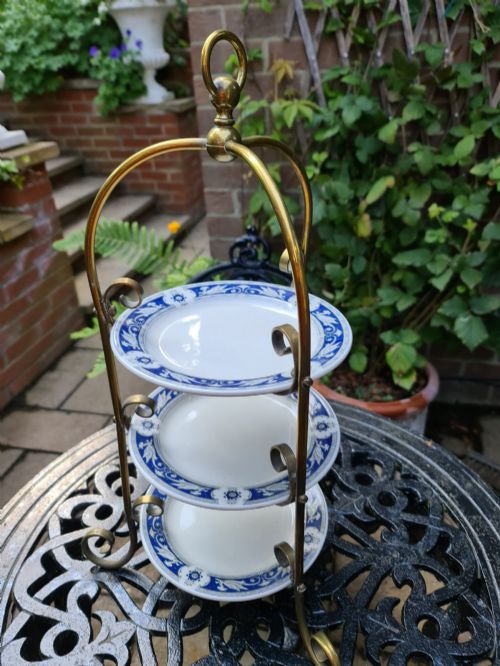
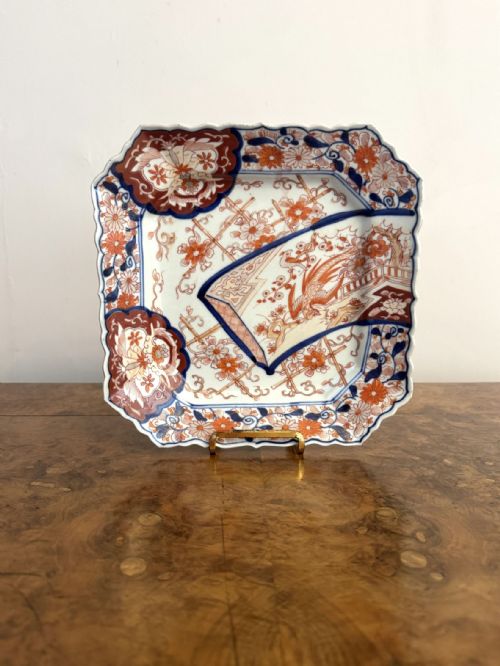
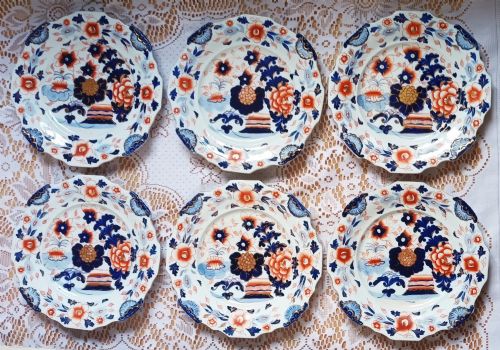
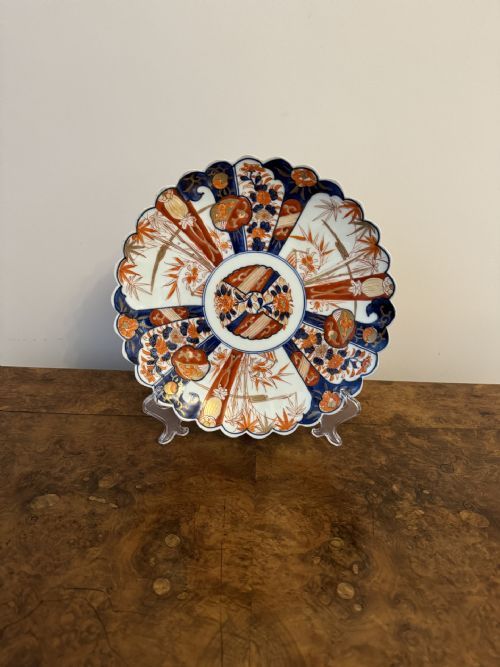
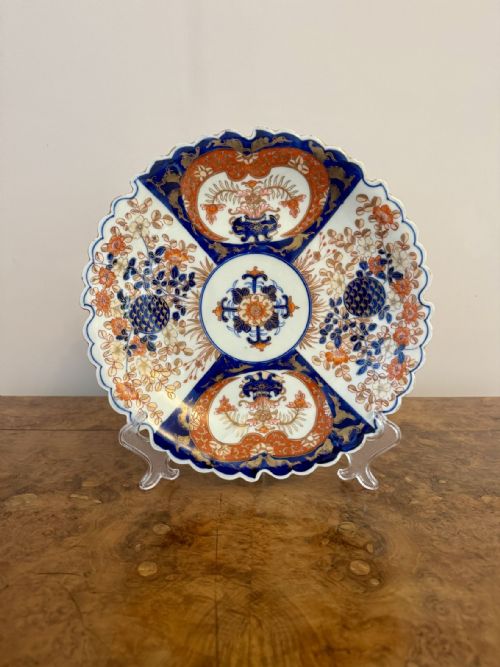
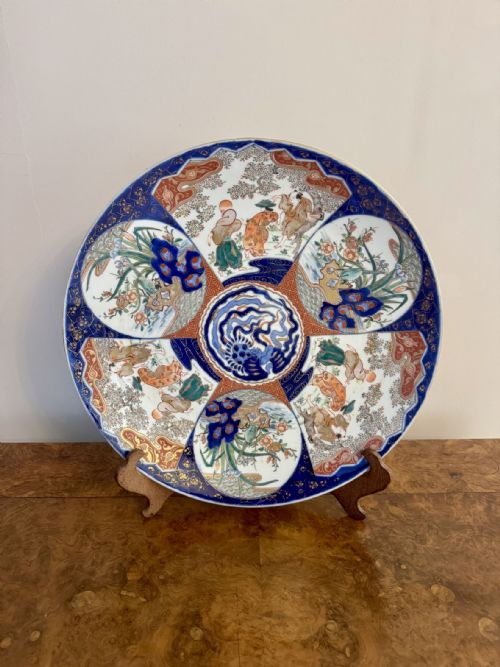
A traditional ceramic plate encompasses utilitarian dishes, display chargers, and cake stands produced across the nineteenth and early twentieth centuries. When searching for a traditional ceramic plate, buyers most frequently encounter Japanese Imari wares from the Meiji period, alongside English ironstone and blue and white transfer-printed earthenware.
The selection ranges from single decorative dishes with scalloped or hexagonal edges to complete sets of service plates and large chargers. These objects reflect both Asian export traditions and nineteenth-century European domestic dining habits.
Objects span from late seventeenth-century Arita porcelain to Edwardian cake stands and Victorian willow pattern plates. Collectors encounter various forms, from square shapes to large meat platters.
How they were made
Potters shaped ceramic, porcelain, and earthenware bodies before applying cobalt underglaze, enamel colours, and occasional gold leaf or gilt highlights. Ironstone provided a robust alternative to standard porcelain for utilitarian dining services.
Decoration relied on hand-painted motifs or transfer printing, notably seen in blue and white transfer print meat platters and willow pattern sets. Glazes sealed the surfaces, while kiln firing ensured the durability of the ceramic material.
Traditional Ceramic Plate Retail Price Guide 2026
Typical asking prices for traditional ceramic plate among the pieces listed under this phrase on Sellingantiques today, from the lower quarter to the upper quarter. They describe what is for sale here now, not the wider market.
Listings feature porcelain, earthenware, and ironstone materials decorated with cobalt underglaze, enamel, and gold leaf across Victorian and Edwardian periods.
What varies in quality
Quality rests in the precision of the hand-painted detailing, particularly the richness and registration of cobalt underglaze and enamel colours on Imari chargers. Crispness of the transfer print and the smoothness of the glaze surface also distinguish finer examples.
The weight, resonance, and integrity of the ceramic or porcelain body separate robust utility wares from purely decorative items. Uniformity across sets and the preservation of gilt or gold leaf highlight superior manufacturing standards.
Masons·Doulton·Seaton Pottery
The Traditional Ceramic Plate Glossary
- Imari
- A style of Japanese export porcelain decorated in underglaze blue, iron red, and gilt. It originated in Arita and became popular in European interiors.
- Ironstone
- A type of durable earthenware patented in the nineteenth century. It combined clay and slag iron to create a robust body suitable for everyday dining.
- Transfer Print
- A decoration technique where an engraved copper plate transferred a design onto paper, which was then stamped onto the ceramic body before glazing. This method allowed for intricate repeatable patterns such as the willow pattern.
- Charger
- A large decorative plate intended for display on a sideboard or table rather than for serving food. These pieces frequently feature elaborate painted or glazed scenes.
- Slipware
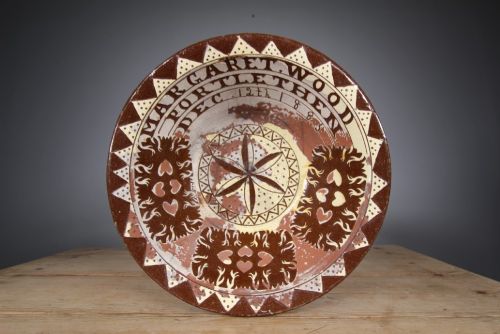
- Pottery decorated with liquid clay, known as slip, applied to the unfired body. Seaton Pottery utilised this technique for bowls and utilitarian vessels.
Traditional Ceramic Plate: Frequently Asked Questions
What is an Imari plate?
An Imari plate is a Japanese ceramic piece traditionally decorated with cobalt blue, red, and gold accents. These items were produced for export and prized for their vibrant palettes.
Such plates served as decorative chargers or dining ware in European and British homes. Their distinctive style remains recognisable across different periods.
How do I display a charger?
A charger is a large decorative plate suited for mounting on a wall or standing on a dresser rack. Because of their substantial size and detailed designs, they function well as visual focal points.
Ensure secure mountings or stable plate stands to support the weight of porcelain and ironstone pieces. Avoid placing them in areas prone to accidental knocks.
Can I use antique plates for dining?
Many nineteenth-century ironstone and porcelain plates were built for utility and remain robust enough for occasional dining. However, pieces with delicate enamel work or gold leaf require careful hand washing.
Inspect the glaze for wear before serving food on older earthenware. Everyday use can gradually diminish the condition of antique surfaces.
How do I date a ceramic plate?
Dating relies on maker marks, ceramic bodies, and stylistic traits such as transfer printing methods or Meiji period motifs. Comparing the glaze texture and raw foot rims helps identify the era of manufacture.
Reference materials and standard pottery guides assist in narrowing down the decade of production. Examining the back of the plate often reveals factory stamps or potter signatures.