

Traditional Ceiling Light Fitting
A traditional ceiling light fitting brings heavy brass, cut crystal and bronze from the nineteenth and early twentieth centuries directly into a room.
Traditional Ceiling Light Fitting
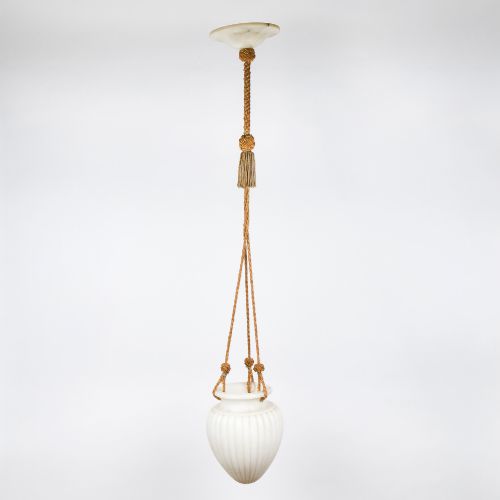
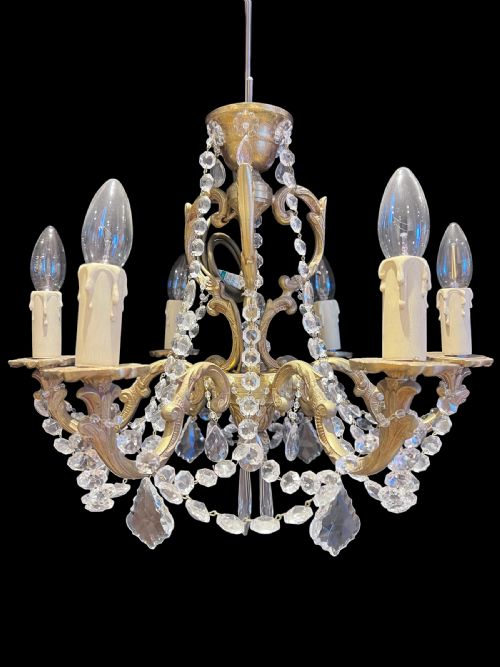
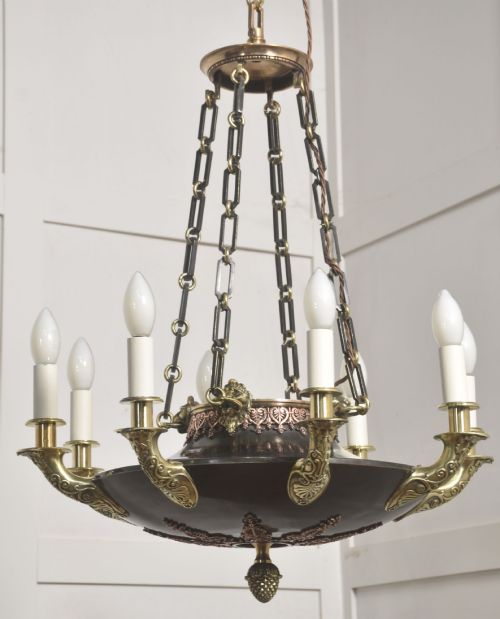
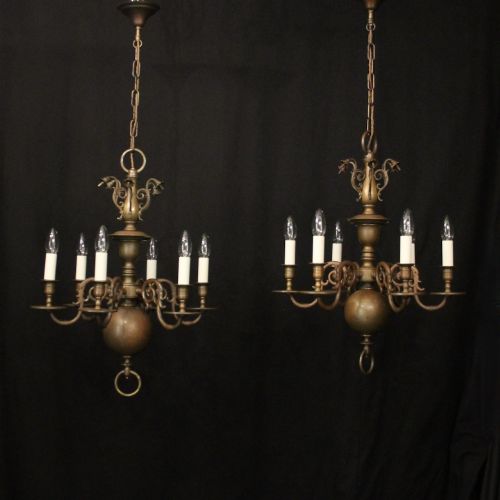
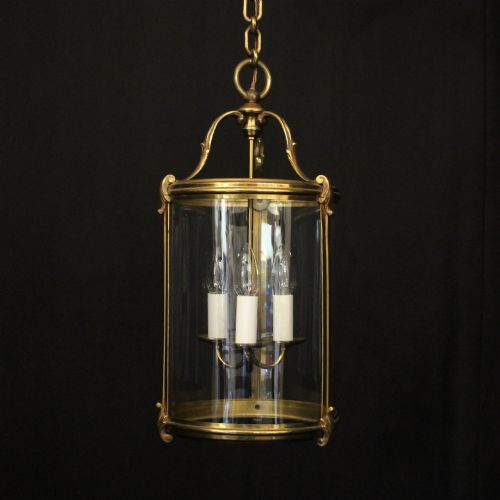
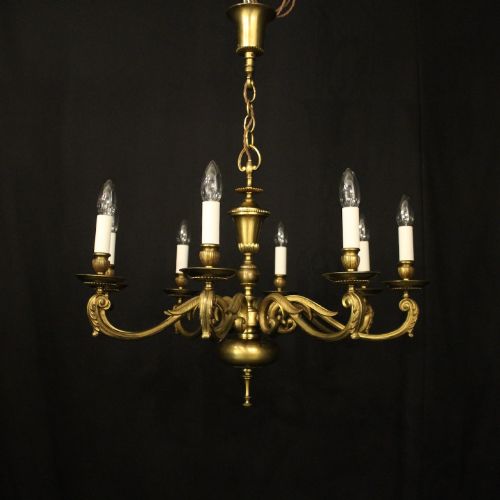
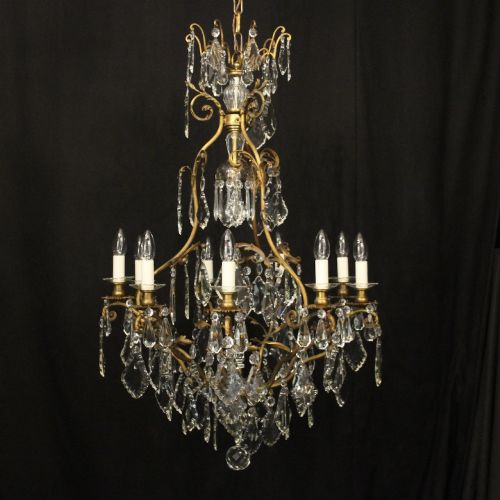
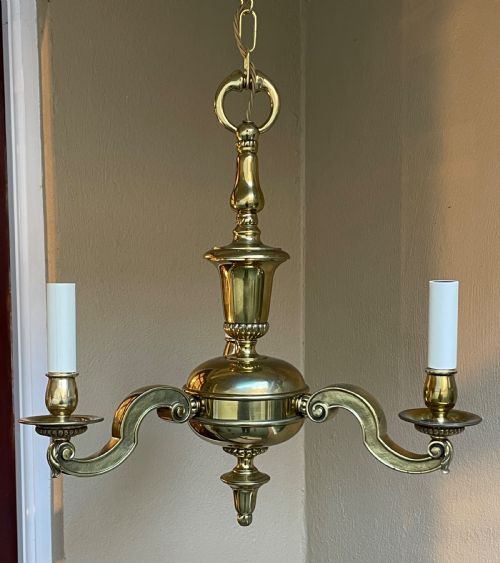
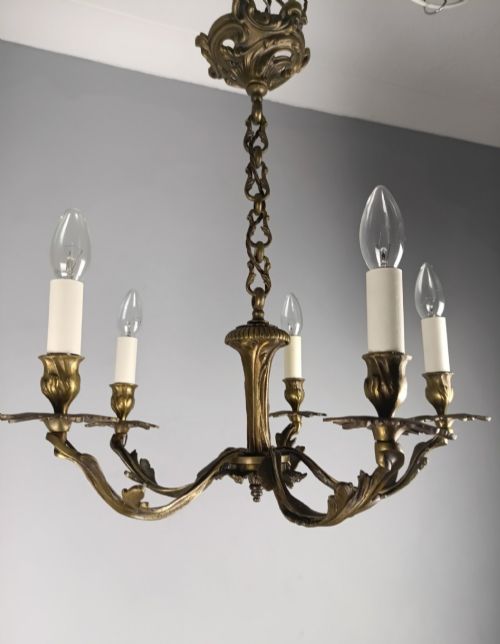
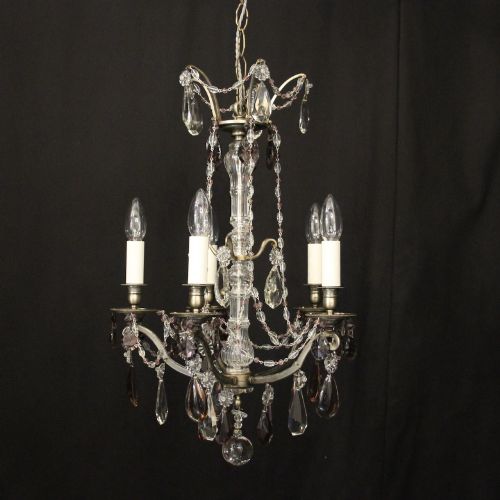
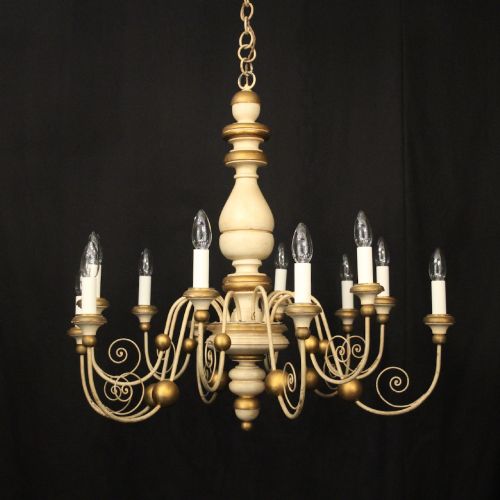
A traditional ceiling light fitting spans grand multi-branched chandeliers, hall lanterns and hanging pendant lights originating from periods between the mid-nineteenth century and the nineteen-thirties. You will most frequently encounter French and English multi-light fixtures employing brass, bronze and crystal.
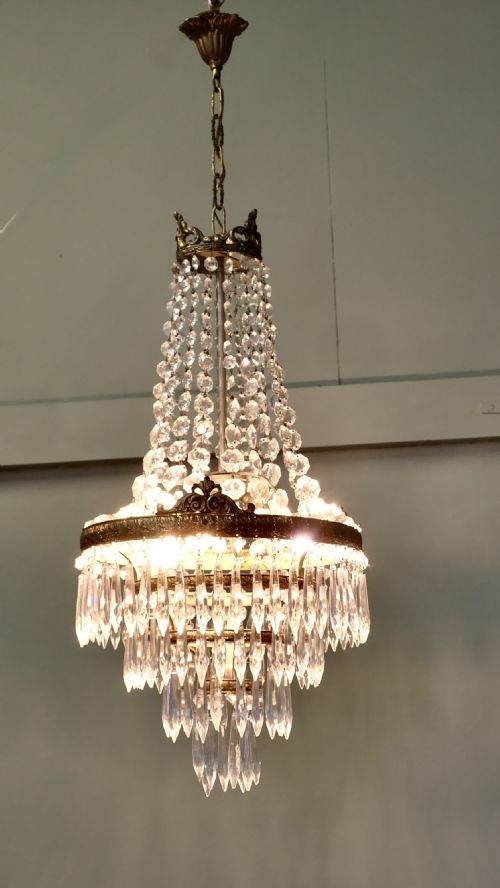
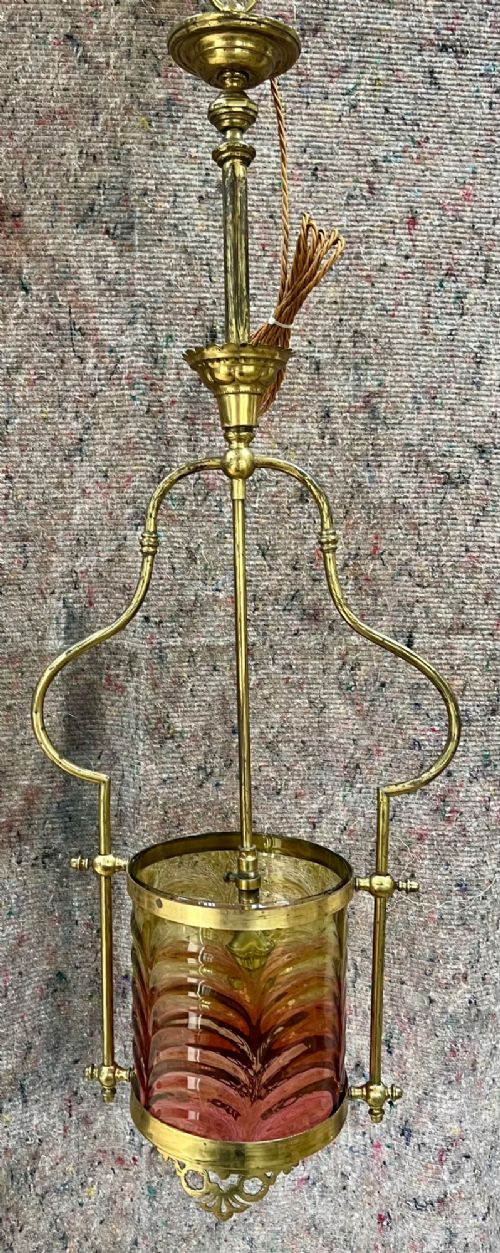
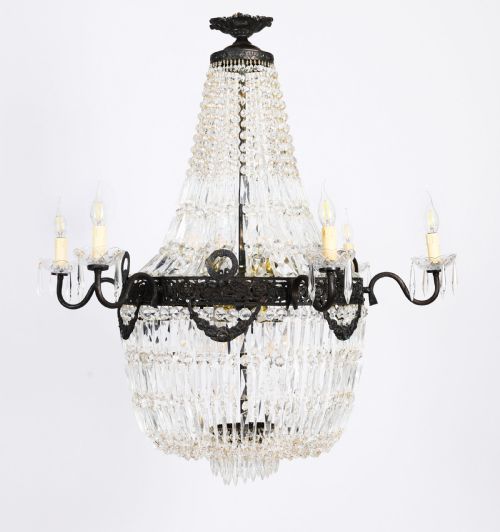
The selections range from simple convex hall lanterns to massive ballroom chandeliers with tent and waterfall crystal arrangements. French chateau and empire styles dominate the aesthetic, alongside English and Dutch interpretations.
These overhead fixtures provide both general illumination and a strong decorative focus for high-ceilinged spaces. Their forms reflect historical revival movements stretching from Victorian gesso to Edwardian brass.
How they were made
Metalworking relies heavily on cast brass, bronze and copper, often finished with gilding, silvering or polychrome paint. Foundries shaped these metals into detailed arms, scrolling branches and decorative ceiling plates.
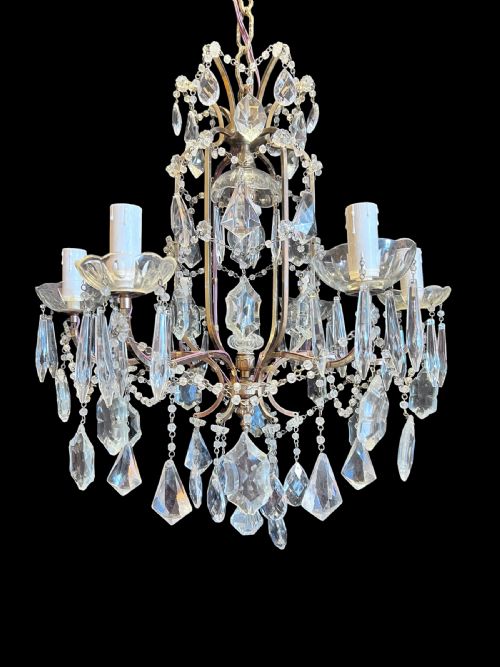
Glass and crystal components were hand-cut and pinned together with wire to form cascading waterfalls, beads and tents that refract light. Alabaster and moulded glass bowls also appear as hanging diffusers.
The listings here feature brass, bronze, copper, crystal and alabaster shaped into chandeliers, lanterns and pendants across eight distinct periods.
What varies in quality
Quality rests on the crispness of the metal casting and the depth of the hand-chasing applied to bronze and brass elements. Finer pieces display sharper botanical or rococo ornamentation rather than soft, mass-produced contours.
The brilliance and cut of the crystal prisms distinguish standard examples from high-end fixtures, where lead crystal creates sharper light refraction. Original matching components and substantial gauge metal indicate superior manufacturing standards.
The Traditional Ceiling Light Fitting Glossary
- Chandelier
- A branched ceiling light designed to hold multiple light sources. These fixtures suspend from chains or rods and often feature extensive crystal ornamentation.
- Hall lantern
- An enclosed ceiling light fitted with glass panels, designed specifically for corridors and entranceways. They frequently employ brass or bronze frames.
- Gilt bronze
- Bronze metal treated with a thin layer of gold or gold paint. This finish prevents oxidation and yields a rich metallic sheen.
- Tent and waterfall
- A chandelier configuration where upper strings of crystal beads form a conical tent above a cascading flow of prisms. It maximises light reflection.
- Gasoliere
- An early lighting fixture designed specifically to burn piped coal gas before widespread electrification. Many examples undergo later conversion to electricity.
Traditional Ceiling Light Fitting: Frequently Asked Questions
How do I hang a heavy antique chandelier safely?
Heavy fixtures require direct attachment to ceiling joists using a steel mounting bracket rated for the weight of the metal and crystal.
An electrician should install a proper load-bearing hook and verify that the internal wiring meets current safety standards.
Can I clean the crystals without taking them down?
Surface dust can be gently removed in place using a microfiber cloth and a mild glass cleaning solution sprayed onto the cloth.
For thorough cleaning, individual crystal drops require careful unhooking and washing in lukewarm soapy water to restore their brilliance.
Are these lights compatible with modern electrical wiring?
Most surviving fixtures have already been converted from candles or gas to electricity during their lifespan. Rewiring older brass fittings ensures they accommodate standard modern bulbs safely.
An accredited lighting restorer can safely update old internal lampholders while preserving the historic exterior metalwork.
How do I distinguish an Edwardian fitting from a Victorian one?
Victorian lighting often displays heavier cast ornamentation, dark bronzing, and dense gesso work reflecting nineteenth-century revival styles. Edwardian examples frequently shift towards lighter brass constructions and cleaner neoclassical proportions.
Examining the manufacturing techniques and mounting hardware helps confirm the specific period of production.