

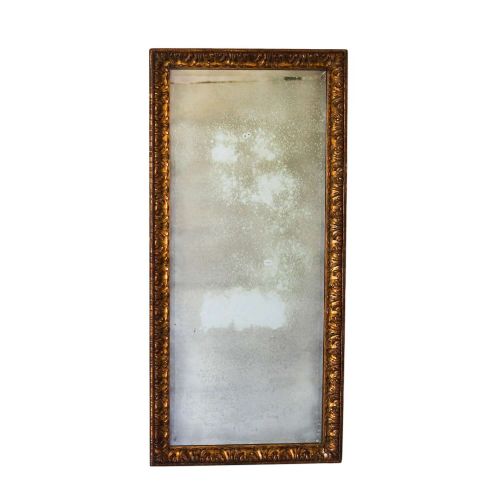
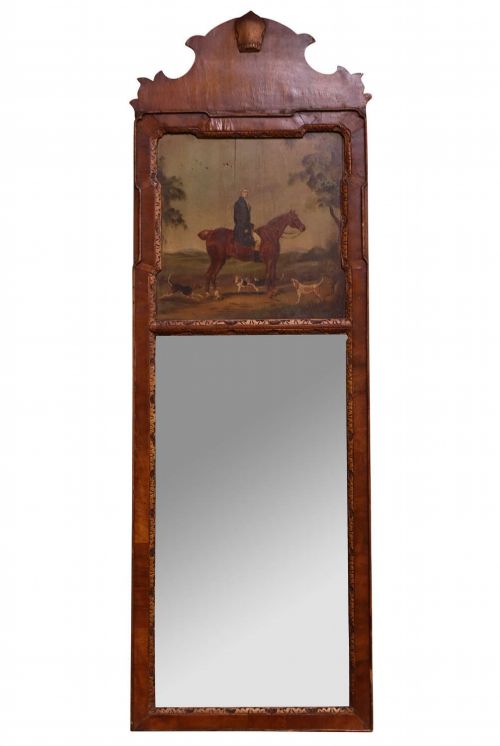

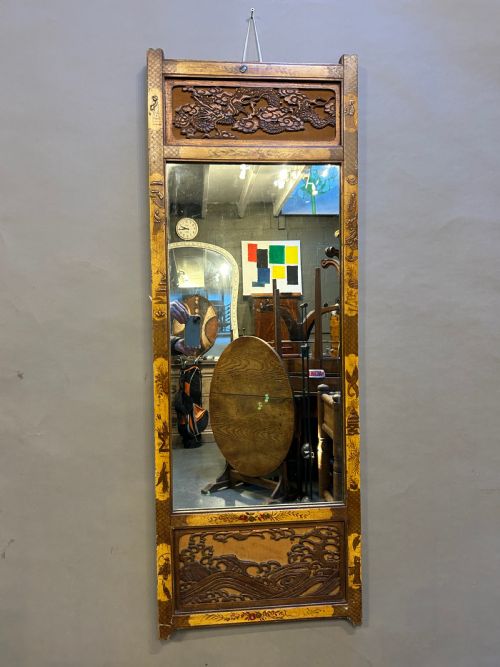


Traditional Carved Pier Glass
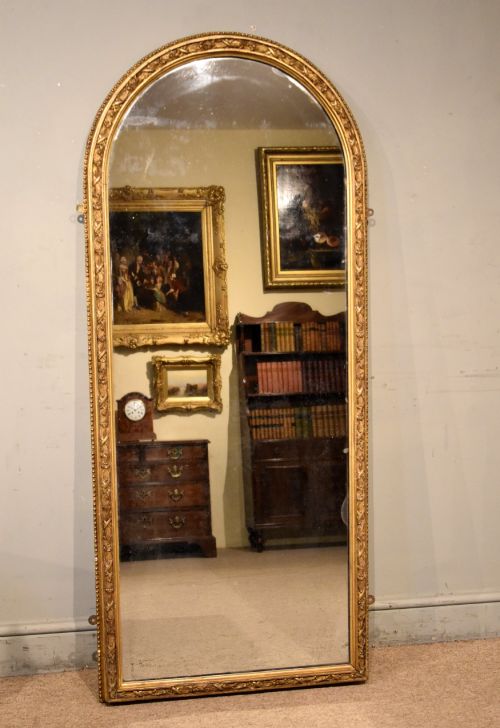
A traditional carved pier glass is a tall, narrow mirror designed to hang between windows, bringing light and depth into a room.
Traditional Carved Pier Glass
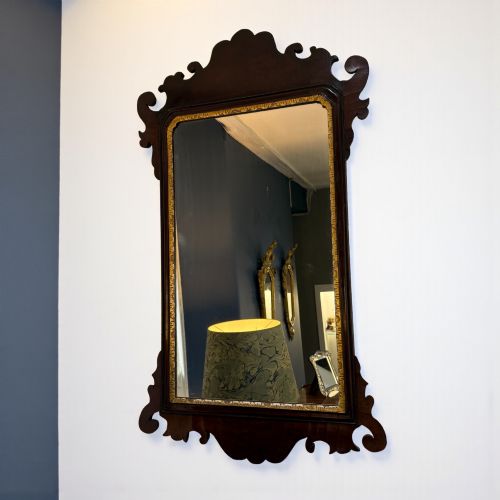
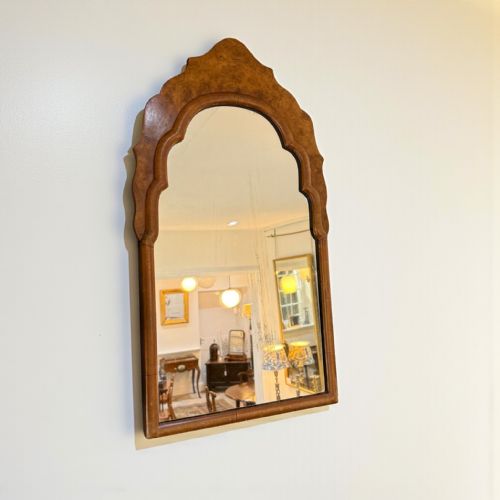
When you search for traditional carved pier glass, you encounter tall, vertical wall mirrors designed specifically to hang on the narrow wall space between windows. These pieces originate across the eighteenth, nineteenth and early twentieth centuries, spanning Georgian, Victorian and revival styles.
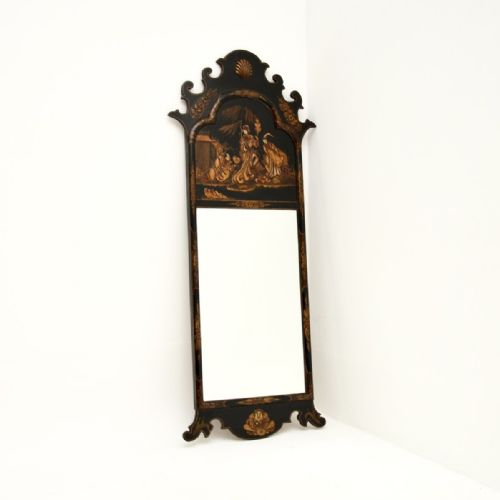
The versions most commonly met on this page combine timber frames with glass panels, occasionally incorporating oil paintings or hand-painted foliate panels within the upper section. They appear in walnut, mahogany, giltwood and painted finishes, reflecting the decorative preferences of their respective periods.
Makers and craftsmen built these mirrors to amplify natural daylight in formal reception rooms. Their slender proportions distinguish them from standard overmantel mirrors or broad landscape wall mirrors.
How they were made
Frames are constructed primarily from timber such as walnut and mahogany, frequently enhanced with gesso and finished in gold leaf or paint. Craftsmen applied parcel gilt details to highlight carved mouldings and architectural elements.
Carving techniques vary from simple moulded borders to elaborate rococo flourishes and chinoiserie motifs. Inset oil paintings and painted panels are integrated directly into the wooden framework above the primary glass.
Traditional Carved Pier Glass Retail Price Guide 2026
Typical asking prices for traditional carved pier glass among the pieces listed under this phrase on Sellingantiques today, from the lower quarter to the upper quarter. They describe what is for sale here now, not the wider market.
Listings for traditional carved pier glass span walnut, mahogany, giltwood and paint, covering the Georgian, Victorian and early twentieth-century periods.
What varies in quality
The standard of carving defines the upper tiers of these mirrors, where crisp details in the gesso and woodwork demonstrate superior workshop skill. Finer examples retain their original gilding and primary glass plates, showing depth without modern distortion.
Proportion and timber selection separate ordinary pieces from exceptional ones. Richly figured walnut veneers and well-balanced architectural frames indicate a higher grade of manufacture from the outset.
The Traditional Carved Pier Glass Glossary
- Pier glass
- A tall mirror designed to be hung on the pier, which is the wall space situated between two windows. It frequently matches a console table placed below.
- Giltwood
- Timber carved and subsequently covered with a thin layer of gold leaf over a prepared gesso ground. This technique creates a bright, reflective metallic surface.
- Parcel gilt
- A decorative treatment where only specific portions of a wooden or painted object are gilded, leaving the underlying wood grain or paint visible elsewhere.
- Gesso
- A plaster-like mixture applied to wood surfaces to provide a smooth base for subsequent gilding or painting. It is often modelled in relief before finishing.
- Chinoiserie
- European artistic style reflecting Chinese motifs and decorative techniques, popular during various periods including the eighteenth and twentieth centuries.
Traditional Carved Pier Glass: Frequently Asked Questions
Where should I hang a pier glass?
These mirrors suit narrow wall spaces, traditionally positioned between two windows to reflect natural light back into the interior.
They also function effectively in hallways or above modest side tables where a vertical orientation complements the architecture.
How do I identify a Georgian pier glass?
Georgian examples typically feature timber frames in walnut or mahogany, often with parcel gilt accents and restrained architectural proportions.
Later revival versions from the nineteenth and twentieth centuries frequently emulate these eighteenth-century characteristics using period manufacturing methods.
What is the difference between a pier glass and an overmantel mirror?
A pier glass is narrow and tall, engineered specifically for the wall space between windows.
An overmantel mirror is broader and designed to be mounted horizontally above a fireplace mantelpiece.
Are painted finishes original on these mirrors?
Many period mirrors feature original painted or over-painted gilt surfaces applied during the nineteenth century or earlier.
Examination of the underlying gesso and paint layers reveals whether the finish belongs to the original construction period or a later decorative update.