


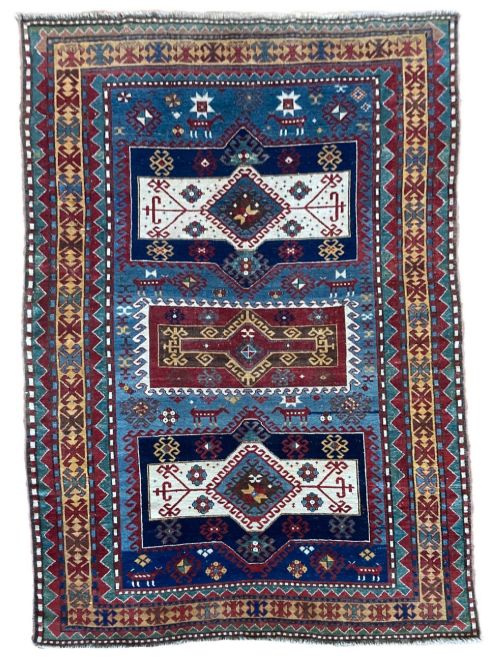
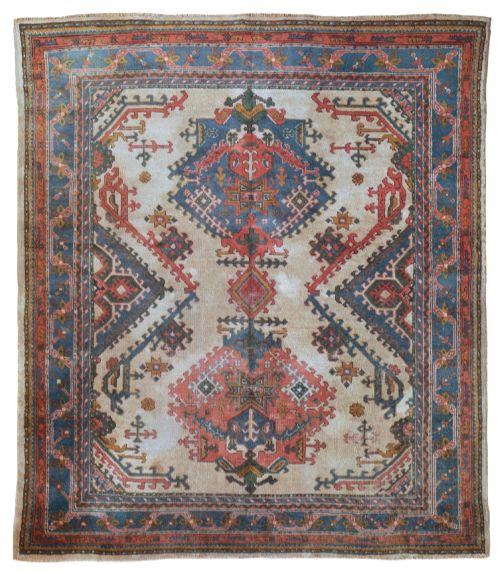
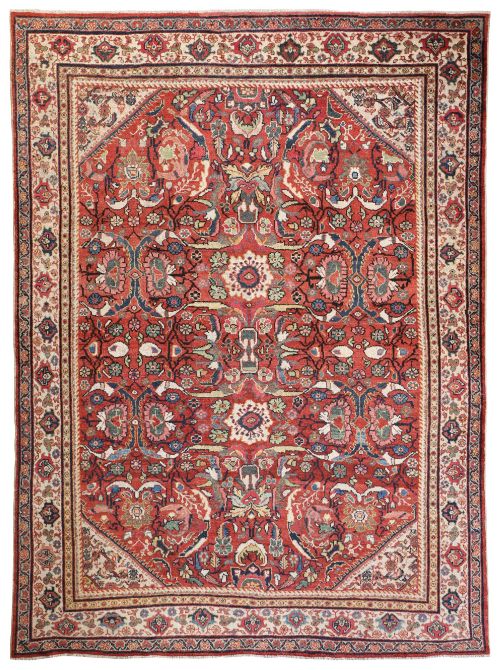
Traditional Carpet
A traditional carpet brings centuries of textile artistry and grounded regional design straight to your floor.
Traditional Carpet
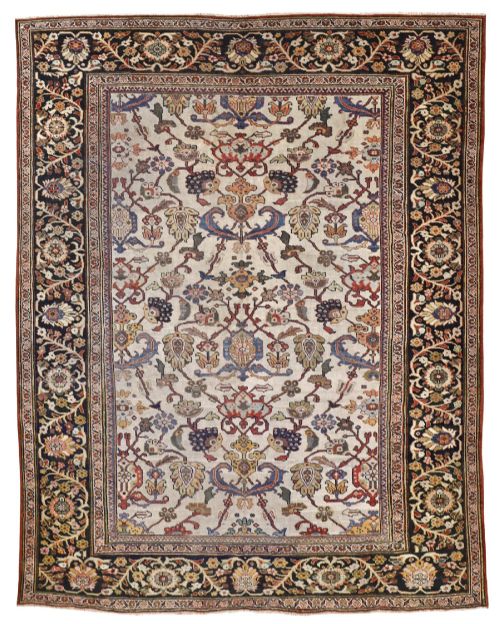
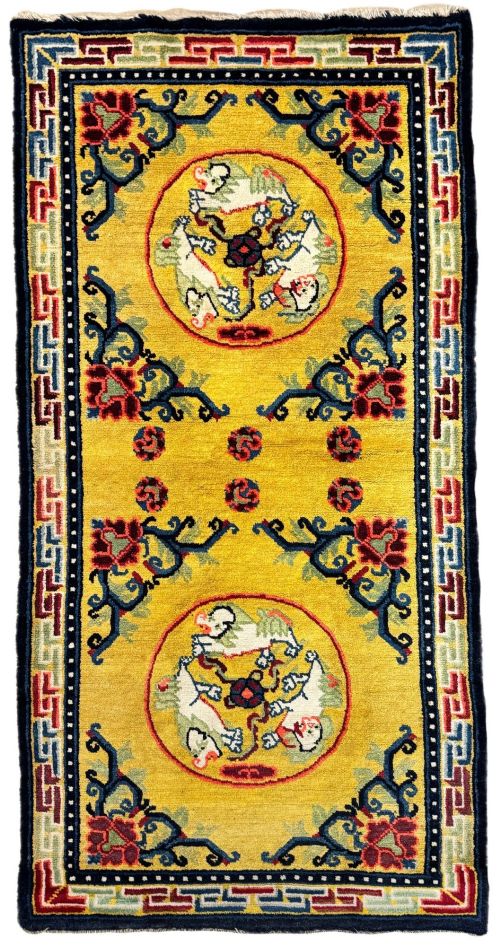
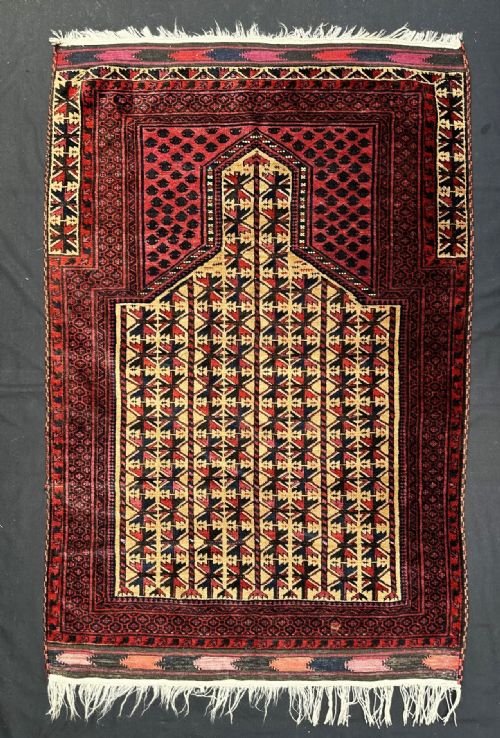
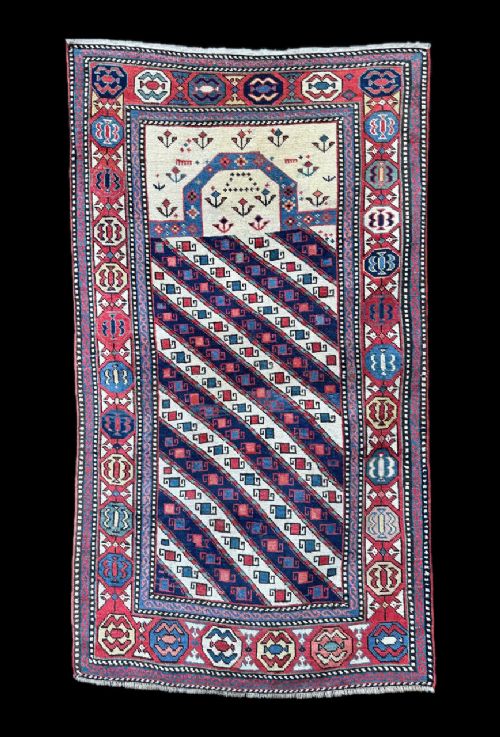
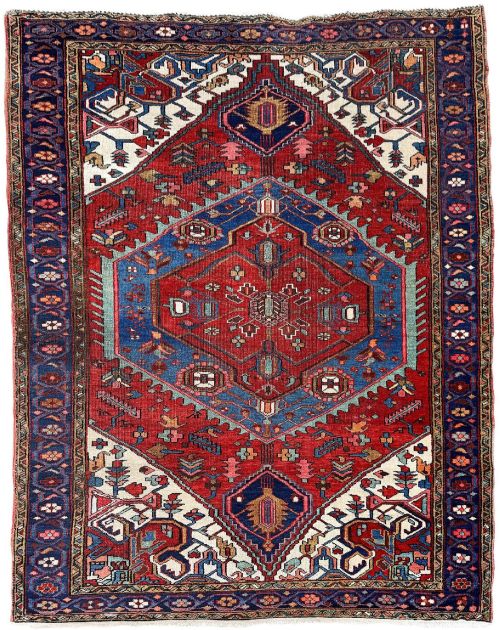
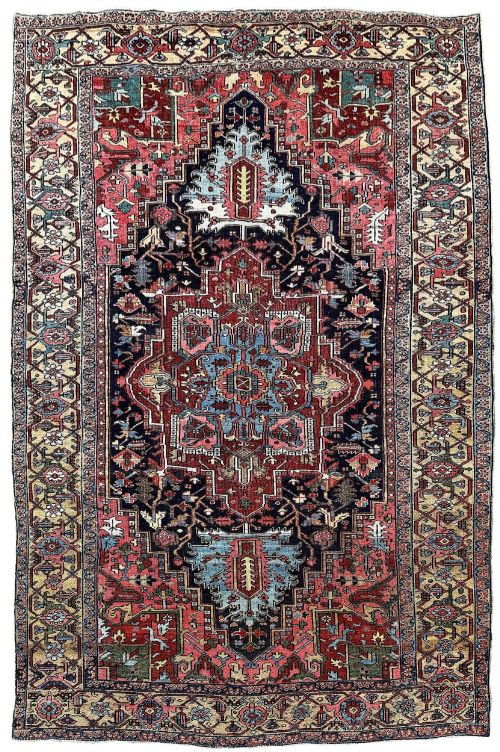
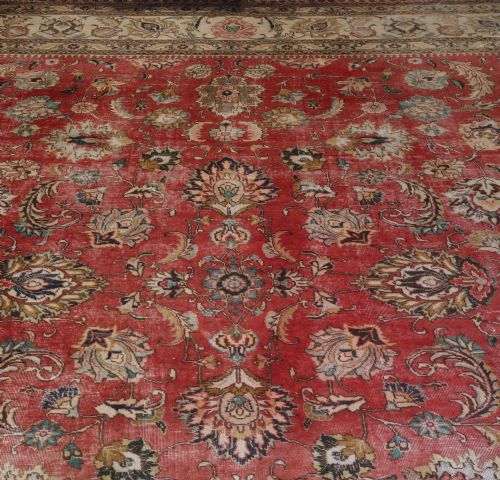
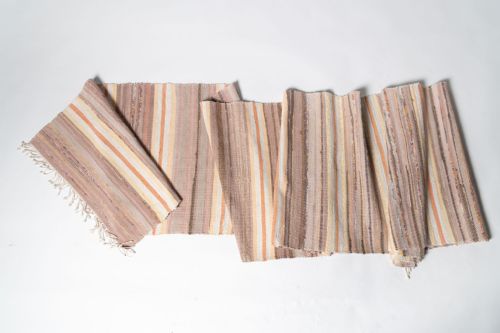
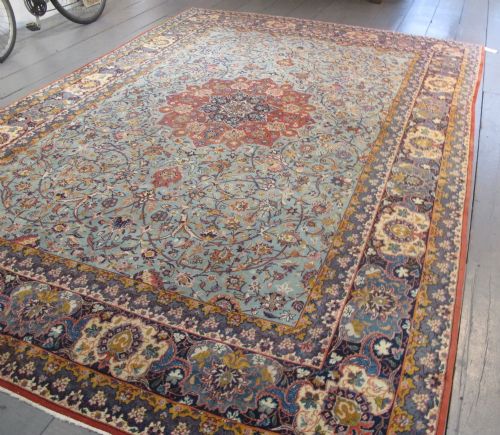
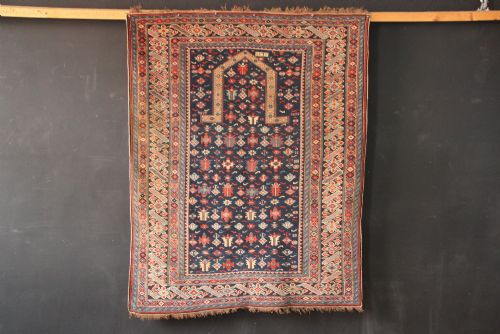
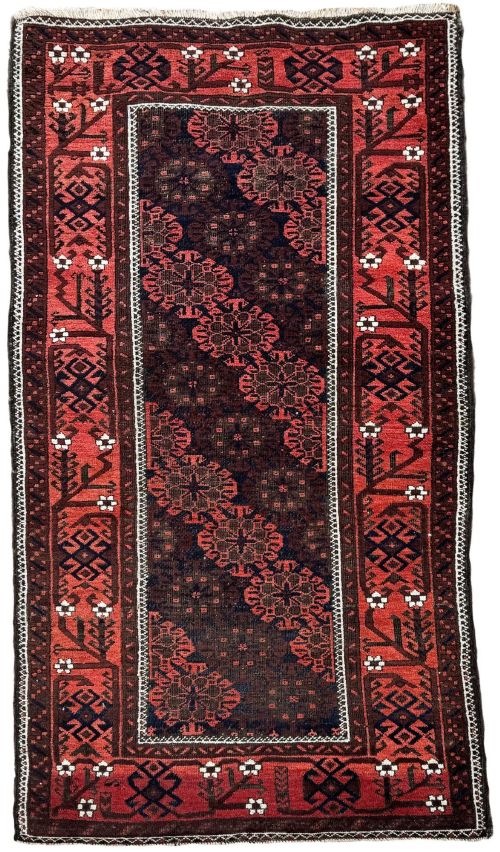
A traditional carpet encompasses hand-woven floor coverings originating from distinct weaving centres across Persia, the Caucasus, Anatolia, Central Asia, and China. When exploring this selection, buyers encounter formats ranging from intimate prayer rugs and long runners to substantial room-size carpets.
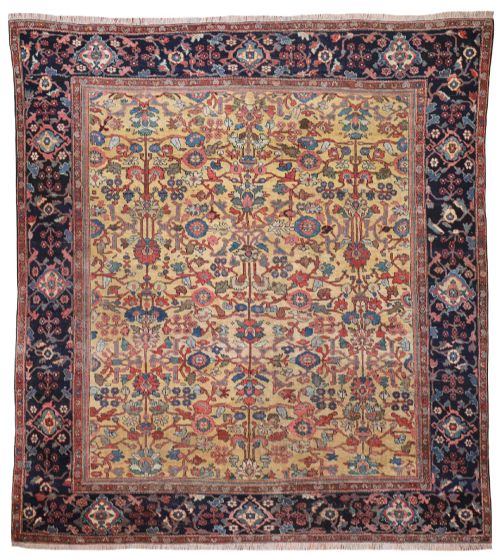
The pieces documented here span from the late nineteenth century into the early decades of the twentieth century, reflecting established regional weaving cultures. Regional denominations such as Heriz, Kazak, Khamseh, and Tabriz dominate the selection, each carrying specific local motifs and palettes.
Makers utilised traditional formats including area rugs, village runners, and large carpets tailored for domestic utility or ceremonial functions. These woven textiles provide a tangible link to historical regional aesthetics without relying on modern machine production.
Materials and Construction
Weavers constructed these traditional carpet examples primarily using wool, cotton, and silk, with hand-spun wool frequently forming the durable pile of village and tribal pieces. Cotton typically serves as the foundation warp and weft for many Persian and Caucasian city and town workshops.
Textiles like Soumak employ flat-weave techniques without a cut pile, creating a distinct textured structure characteristic of specific Caucasian workshops. Artisans relied on natural dye sources to colour the wool and cotton yarns, producing rich tones that age with considerable depth.
Traditional Carpet Retail Price Guide 2026
Typical asking prices for traditional carpet among the pieces listed under this phrase on Sellingantiques today, from the lower quarter to the upper quarter. They describe what is for sale here now, not the wider market.
Current listings feature pieces dated from the nineteenth century through the 1950s, utilising wool, cotton, silk, and hand-spun wool.
Evaluating Quality
Quality in a traditional carpet rests upon the precision of the knotting, the integrity of the wool foundation, and the balance of the regional design. Finer knot density allows complex geometric or curvilinear motifs to maintain sharp definition across the field.
The choice of dyestuffs and the harmony of the colour palette dictate the visual impact of the piece as it ages. Well-preserved wool pile and structurally sound selvedges distinguish robust examples from heavily compromised textiles.
The Traditional Carpet Glossary
- Warp
- The stationary vertical threads stretched across the loom that form the structural foundation of the carpet. Fringe ends typically consist of these exposed warp threads.
- Weft
- The horizontal threads passed alternately over and under the warp threads to bind the knots in place. Together with the warp, they constitute the underlying grid of the textile.
- Pile
- The vertical or slanted cut ends of yarn that create the soft surface texture of the carpet. Flat-woven rugs lack this raised pile entirely.
- Mihrab
- A niche design motif found on prayer rugs, representing the direction of prayer. This architectural element points the user toward Mecca during daily devotions.
- Selvedge
- The reinforced side edges of a carpet formed by wrapping extra warp threads. A sound selvedge prevents the edges from fraying over time.
Traditional Carpet: Frequently Asked Questions
How do I clean an antique carpet?
Gentle surface vacuuming without a rotating beater bar removes loose grit safely from the wool pile. Professional specialist cleaning remains essential for deep maintenance.
Water exposure and harsh chemical detergents cause dye bleeding and fibre degradation in historical textiles. Regular rotation ensures even wear across high-traffic areas in the home.
Can I place these carpets in hallways?
Long runners and specific tribal rugs fit narrow corridors and high-traffic transitional spaces effectively. Wool naturally resists dirt and withstands moderate foot traffic.
Purchasing a breathable underlay prevents slipping and cushions the foundation against hard flooring surfaces. This simple addition extends the working life of older cotton and wool foundations.
How do I identify a Kazak rug?
Kazak rugs originate from the Caucasus region and typically feature bold geometric medallions, hooked polygons, and saturated primary colours. Their sturdy wool pile and distinct tribal symbolism set them apart from curvilinear Persian workshops.
Examining the structural construction on the reverse reveals characteristic Caucasian weaving habits. Local dying traditions give these pieces their characteristic vibrant red and blue grounds.
What is a Soumak weave?
Soumak refers to a specific flat-weave technique where coloured weft threads wrap consecutively over and under the warp threads. This method creates a sturdy structure without a traditional cut pile.
The reverse side of a Soumak piece often displays loose trailing yarn ends left from the wrapping process. This technique produces a durable textile historically utilised for storage bags as well as floor coverings.