


Traditional Candle Stands
Traditional candle stands offer steady illumination and elegant elevation, bringing historic craftsmanship and warm brass or timber into your living spaces.
Traditional Candle Stands
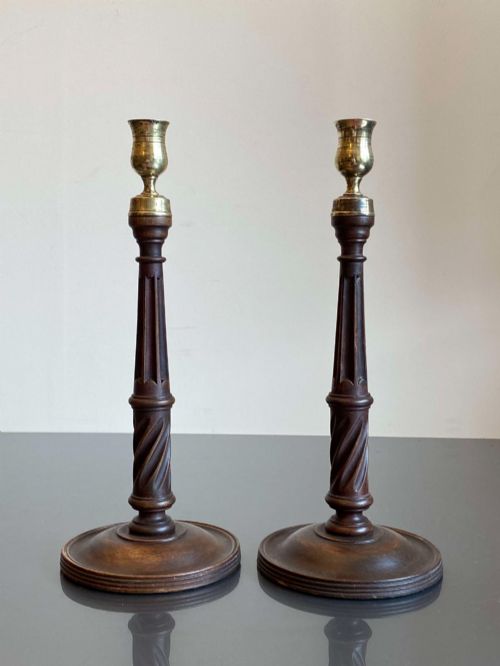
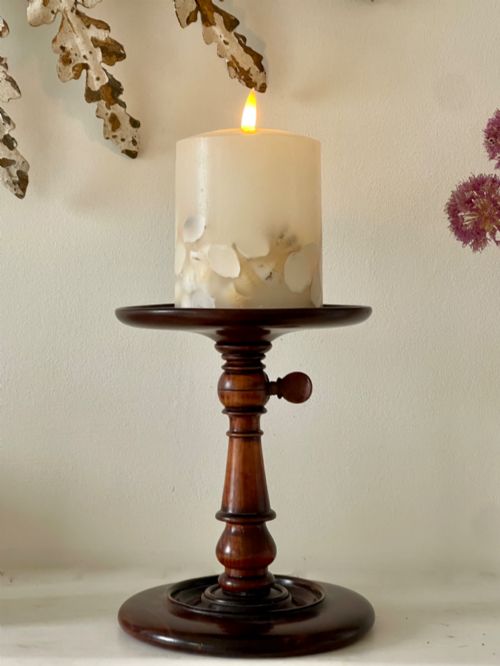
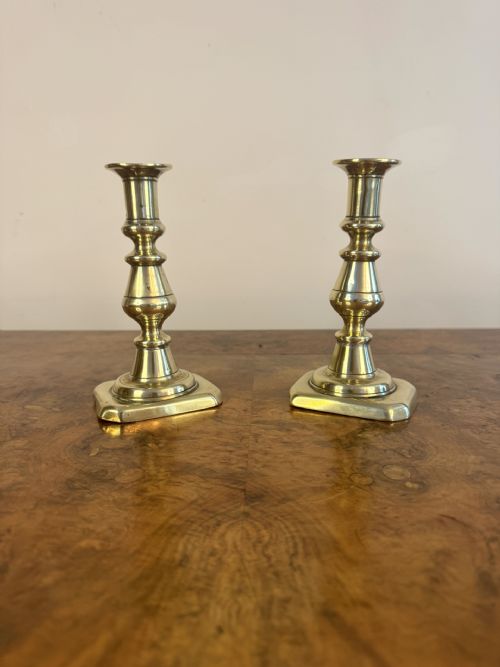
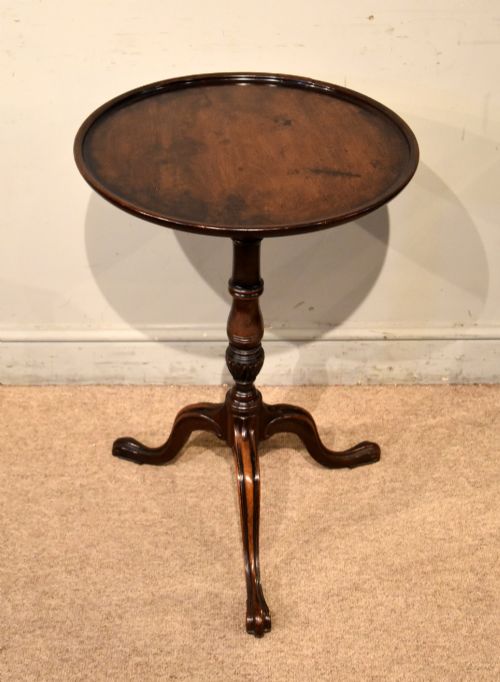
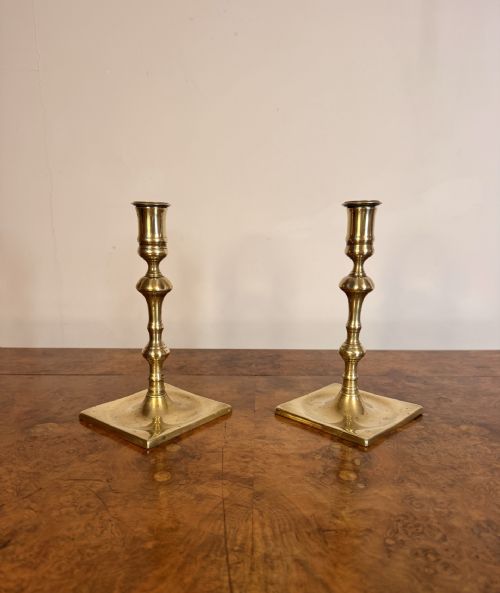
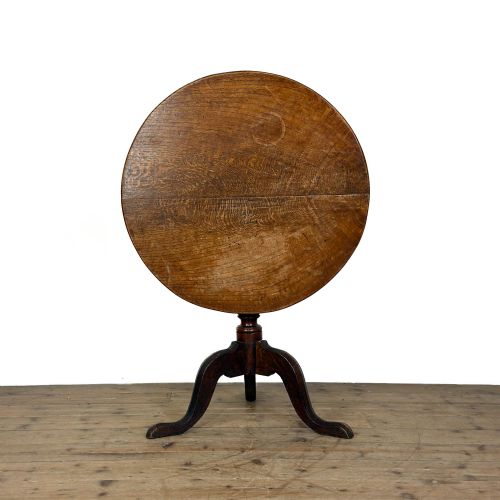
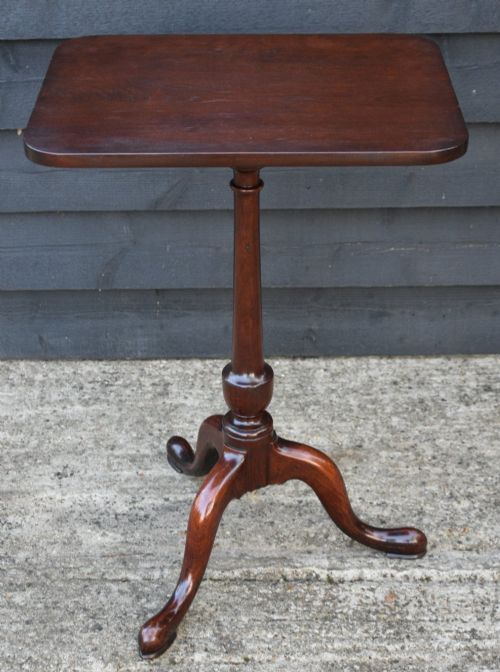
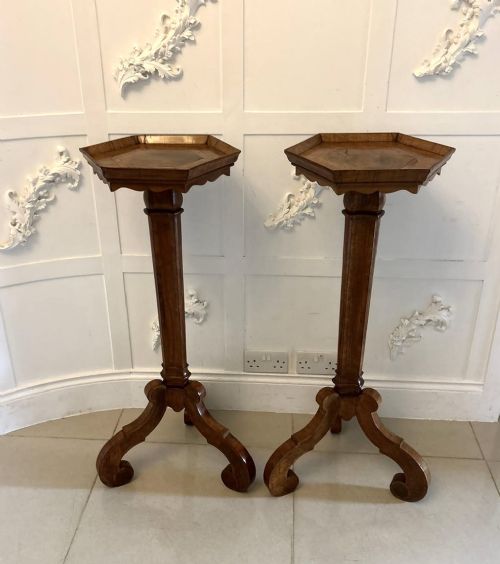
Traditional candle stands encompass a diverse group of objects designed to hold lights or support small items, including tall floor torcheres, desk candlesticks, and compact wine tables. When searching for traditional candle stands, buyers encounter pieces ranging from simple 18th century brass sticks to elaborate Victorian mahogany tripod pedestals and Edwardian occasional tables. These items reflect centuries of domestic routines, serving as functional lighting supports or small accent surfaces in reception rooms and hallways.
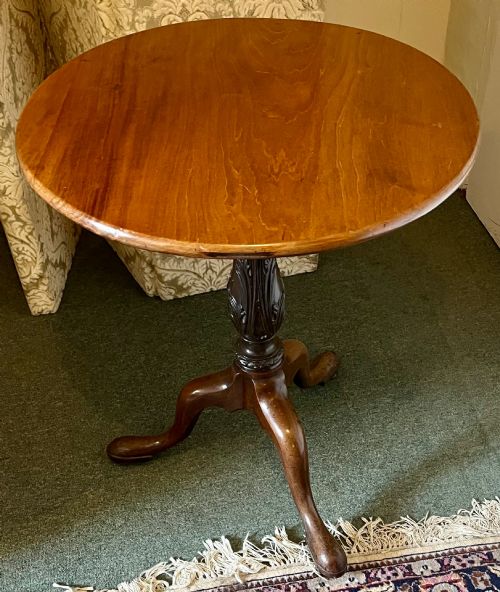
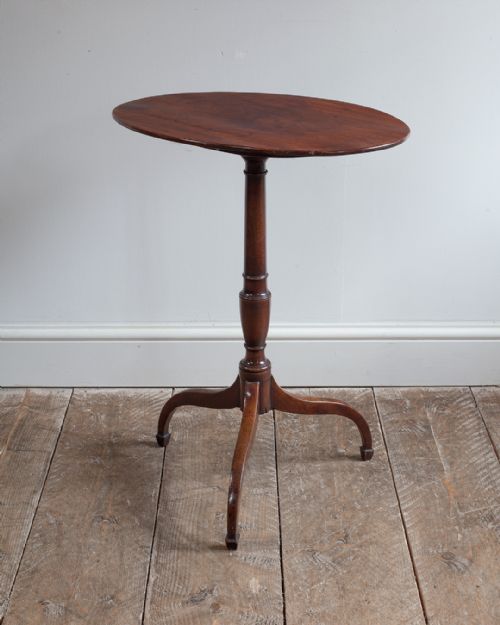
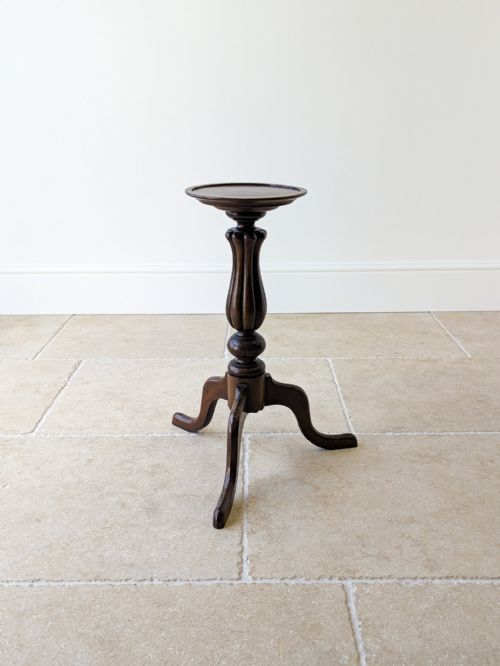
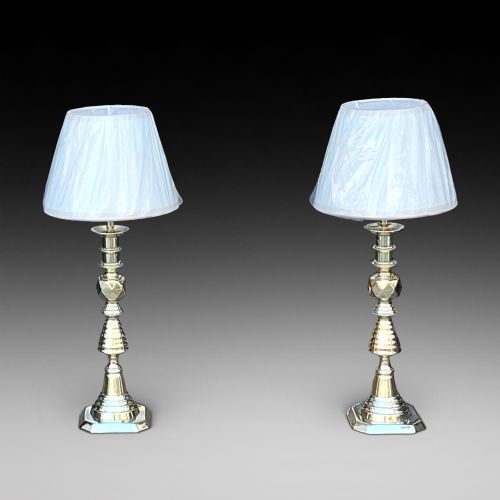
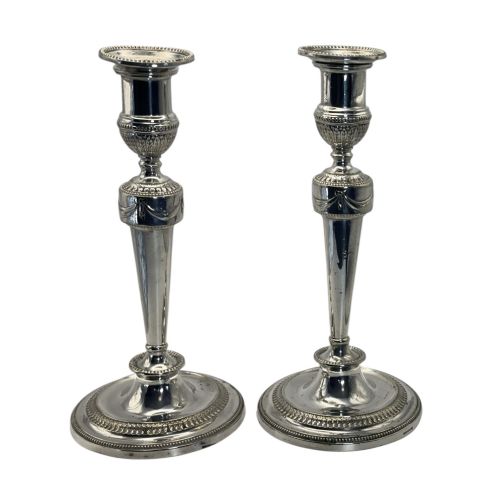
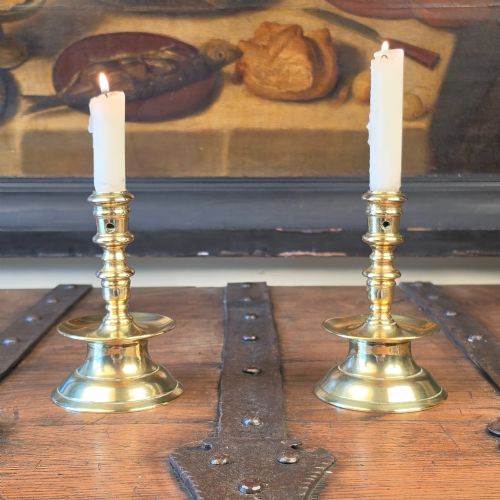
The selection on this page leans heavily toward mahogany wine tables with tripod bases, alongside pairs of heavy brass candlesticks dating from the Georgian era through to the early 20th century. You will also find walnut pedestal torcheres, pewter sticks, and wrought iron floor stands that illustrate the varied ways makers addressed the need for raised light. Each form retains the proportions and structural logic of its original period.
Originating from British, Dutch, and broader European workshops, these objects demonstrate how domestic furniture evolved to suit changing interior illumination needs. Early examples prioritize solid metal casting or dense timbers like oak and walnut, while later Victorian and Edwardian pieces often utilise mahogany with decorative turned shafts or carved cabriole legs. Selecting a piece involves understanding whether you need a dedicated floor torchere, a tabletop candlestick, or a small tripod stand.
How they were made
Metal candle stands rely on traditional foundry methods, notably brass casting using seamed moulds or heavier bronze and pewter techniques. Blacksmiths shaped wrought iron by hand, hammering and bending the hot metal to form sturdy stems and tripod feet. Silver plate and sterling silver versions combine skilled metal-spinning over base cores with soldered joints and applied decorative borders.
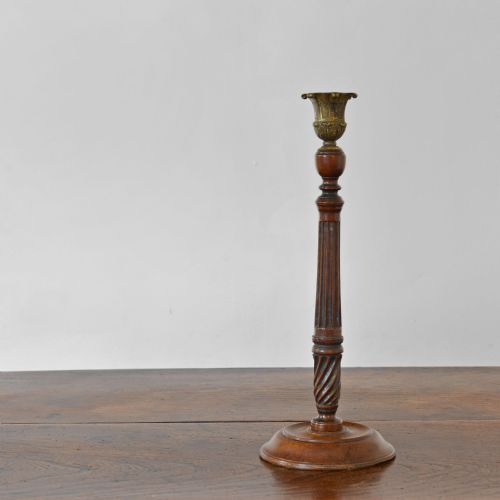
Wooden stands and small tables utilise dense hardwoods such as mahogany, walnut, oak, and kingwood, shaped by skilled turners on lathes and joiners working with traditional hand tools. Tripod bases employ dovetail or tenon joints to secure the legs to the central pedestal, often supporting tilt-top mechanisms or fixed tops with moulded edges. Finishers applied wax or shellac polishes by hand to seal the timber and highlight the natural grain.
Traditional Candle Stands Retail Price Guide 2026
Typical asking prices for traditional candle stands among the pieces listed under this phrase on Sellingantiques today, from the lower quarter to the upper quarter. They describe what is for sale here now, not the wider market.
What varies in quality
Quality in these pieces depends on the crispness of casting detail in metalwork and the selection of timber grain in wooden tables. Superior brass candlesticks exhibit sharp mould seams, well-defined drip pans, and solid weight, whereas lesser examples show softness in the cast patterns and thin metal construction. In wooden tripod tables, the choice of well-figured mahogany or walnut and the precision of the turned column dictate the overall refinement.
Structural integrity also separates standard items from exceptional ones, particularly in the stability of tripod bases and the smooth operation of tilt mechanisms. A well-made table stands firm on its three legs without rocking, possessing tight joints that have endured decades of use without requiring excessive intervention. The quality of the hand-applied finish, preserving the patina of the wood or the natural oxidation of the metal, completes the distinction.
Mappin and Webb
The Traditional Candle Stands Glossary
- Torchere
- A tall ornamental stand designed to support a candlestick or plant pot. These elevated pieces often feature carved wooden columns and tripod bases originating from 18th or 19th century workshops.
- Tripod base
- A three-legged support structure commonly found on small tables and candle stands. This design ensures stability on uneven historical floors.
- Tilt top
- A tabletop mechanism that allows the surface to pivot to a vertical position when not in use. This clever feature saved valuable floor space in historic homes.
- Ejector candlestick
- A brass candlestick fitted with an internal sliding mechanism to push out the remaining candle stub. This practical addition prevented burnt fingers.
- Pricket candlestick
- A candle holder featuring an upward-facing spike that impales the base of the candle. Such designs frequently appear in ecclesiastical or early revival pieces.
Traditional Candle Stands: Frequently Asked Questions
What is the difference between a torchere and a candlestick?
A torchere is a tall floor-standing pedestal designed to elevate a light source or decorative object well above the ground level. Candlesticks are smaller, heavier items meant for placement on tables, desks, or mantelpieces.
While both serve the primary purpose of holding candles, their scale and placement within a room differ significantly according to historical domestic use.
How do I care for antique brass candle holders?
Antique brass benefits from gentle dusting with a soft cloth to prevent the accumulation of dirt in recessed cast details. Avoid harsh chemical polishes that strip away the desirable dark patina accumulated over centuries.
Applying a light microcrystalline wax can protect the metal surface from further oxidation without altering its historic appearance.
How can I tell if a mahogany stand is Georgian?
Georgian mahogany stands exhibit dense timber weight, hand-cut joinery, and a rich, mellow patina developed through generations of hand-polishing. Look for subtle tool marks and traditional construction methods beneath the top and around the tripod block.
Later revival pieces often display machine-tooled elements and lighter, more uniform wood staining that lacks the depth of 18th century examples.