


Traditional Candle Lamp
These traditional candle lamp pieces span multiple periods, offering illumination through brass, bronze, and glass forms.
Traditional Candle Lamp
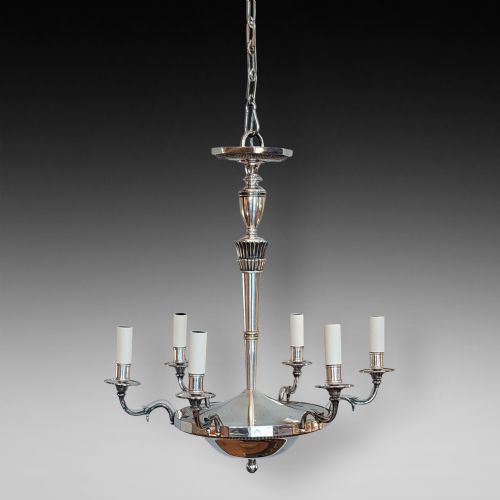
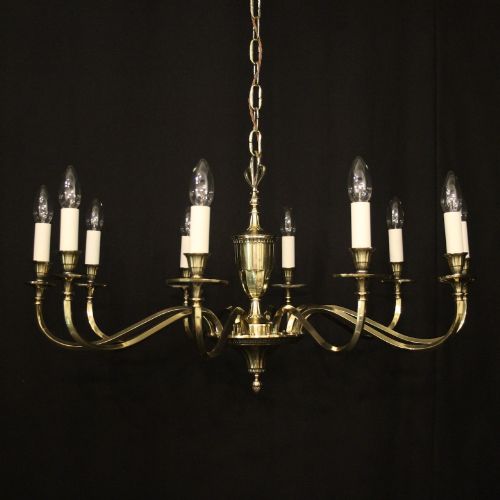
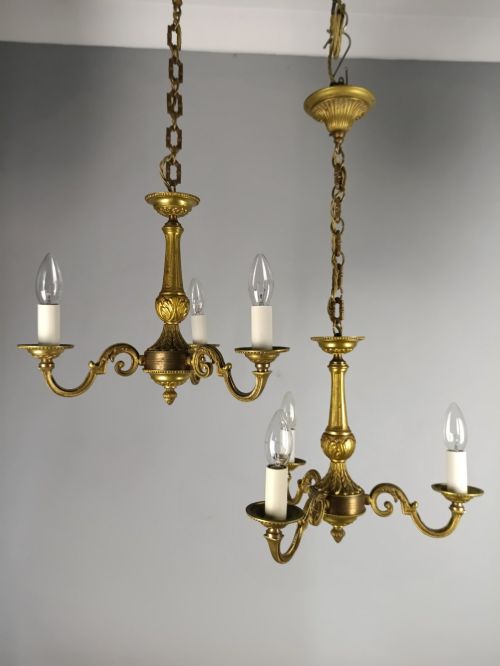
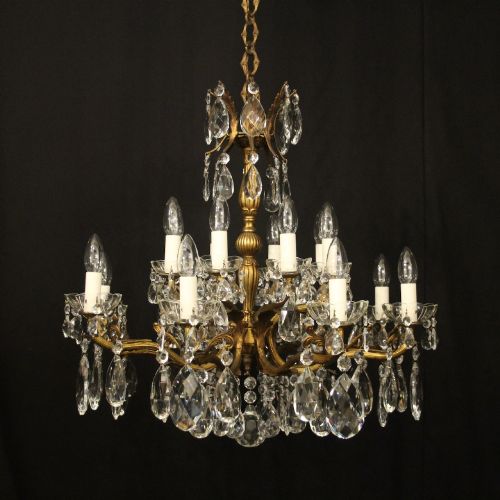
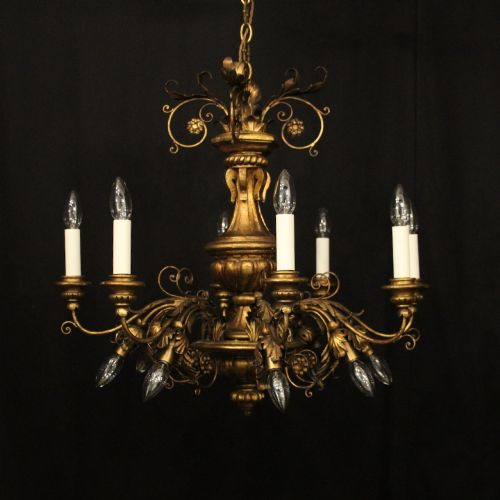
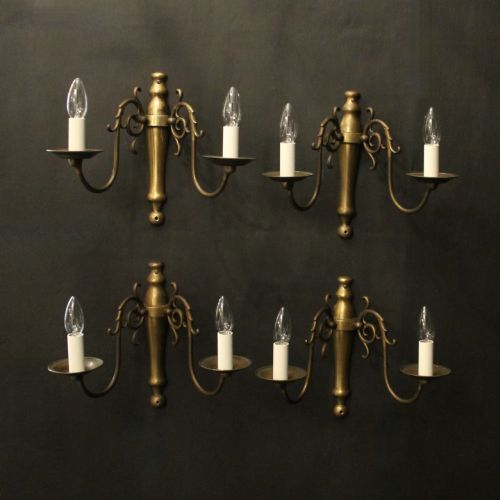
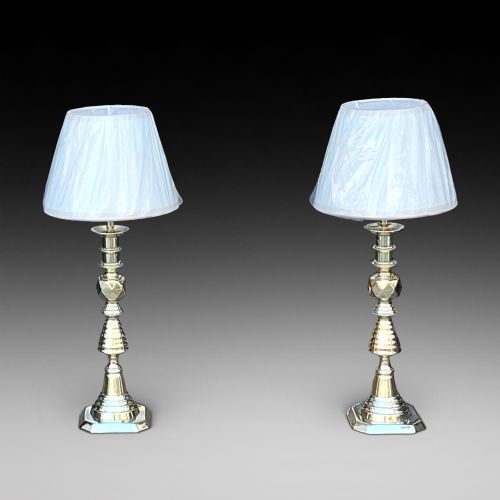
Traditional candle lamp items and related lighting pieces appear across various forms, including desk lamps, wall lights, and chandeliers from the Victorian, Edwardian, and Georgian periods.
Buyers seeking a traditional candle lamp encounter items originating from English workshops and French sources, spanning from the nineteenth century into the nineteen thirties.
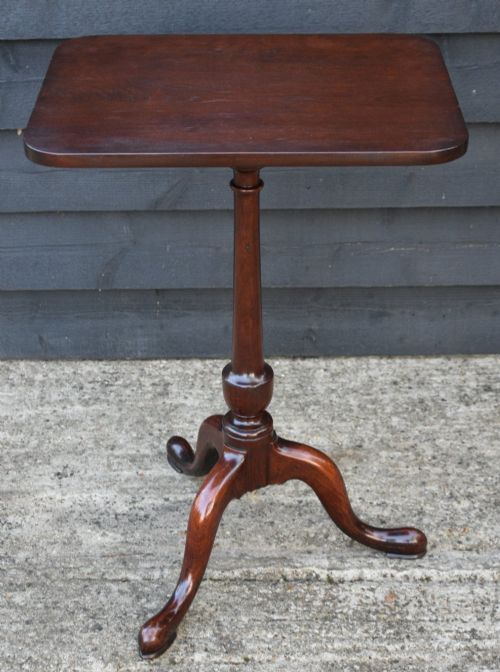
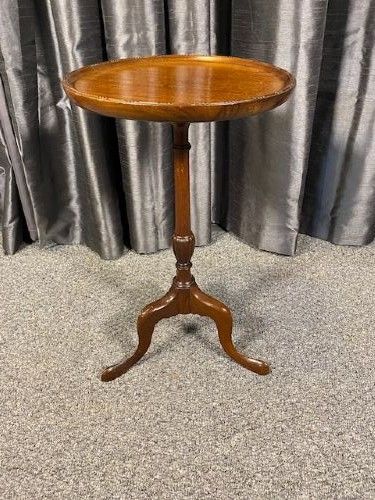
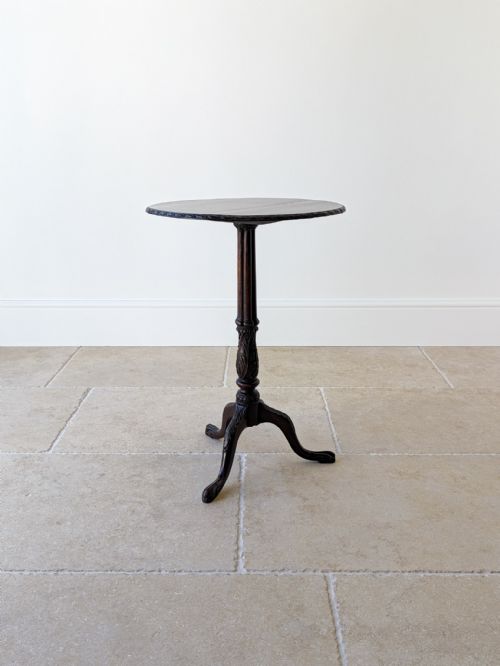
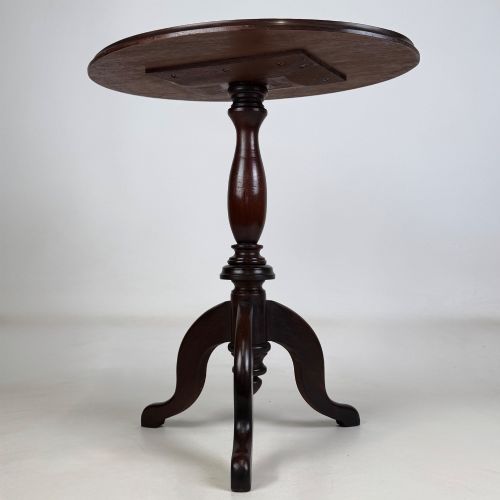
The selection frequently includes metal illumination pieces alongside timber occasional tables that historically served alongside lighting devices.
Materials and construction methods
Metalwork dominates the construction of these lighting items, utilising cast brass, gilt bronze, copper, and silver plating shaped into branches, stems, and shades.
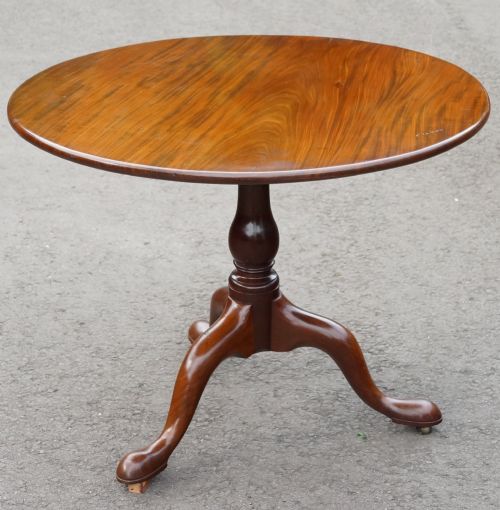
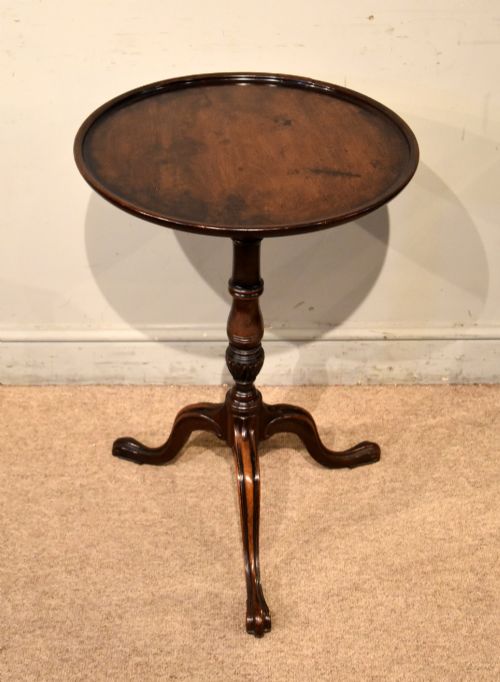
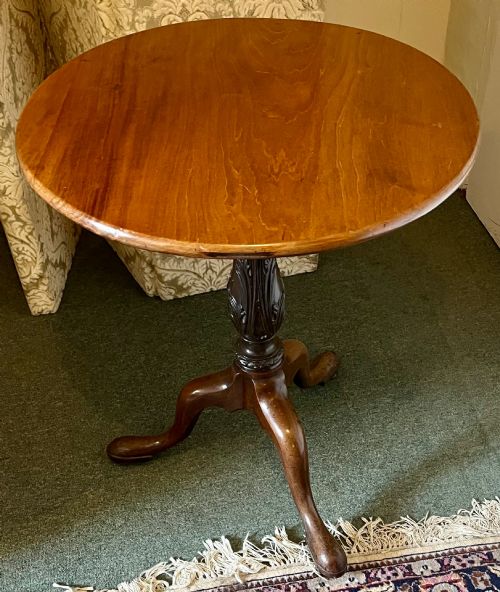
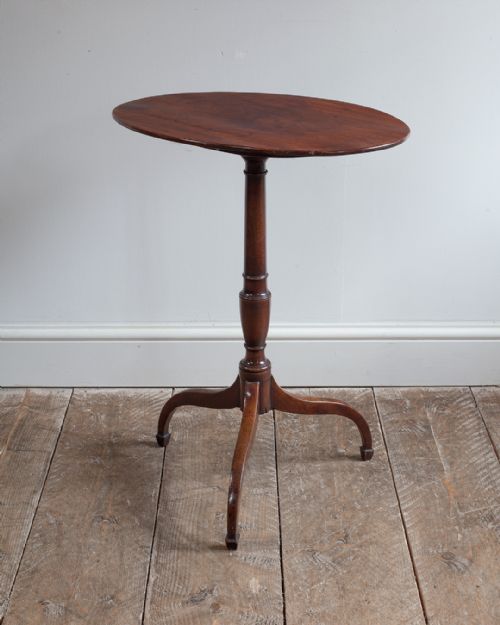
Timber versions employ mahogany, walnut, rosewood, fruitwood, and oak, often featuring turned pedestals, tripod bases, and inlaid details.
Glass elements, crystal drops, and green toleware components complement the metal and wood structures, reflecting period decorative preferences.
Traditional Candle Lamp Retail Price Guide 2026
Typical asking prices for traditional candle lamp among the pieces listed under this phrase on Sellingantiques today, from the lower quarter to the upper quarter. They describe what is for sale here now, not the wider market.
Some nineteenth-century student lamps arrive complete with their original implements tucked into the design.
Distinctions in quality and execution
The standard of metal casting and chasing separates standard production from finer examples, particularly in multi-branch chandeliers and detailed wall lights.
Timber selection and joinery define the better tables and stands, where finely figured mahogany or walnut supports intricate tripod legs and tilt-top mechanisms.
The preservation of original elements, such as matched crystal drops, functional adjustable arms, and intact toleware shades, influences the integrity of each piece.
The Traditional Candle Lamp Glossary
- Tripod table
- A small freestanding table supported by a pillar above three legs. These items often served as wine or lamp tables in period interiors.
- Toleware
- Painted or lacquered sheet metal items. Green toleware frequently appears on nineteenth-century bouillotte desk lamps and candle lamps.
- Bouillotte lamp
- An adjustable desk or table lamp featuring a central shade above candle arms. They typically combine brass and toleware materials.
- Tripod base
- A three-legged support structure common to nineteenth-century occasional tables and stands. This design provides stability on uneven floors.
- Tilt-top table
- A table equipped with a mechanism that allows the top to pivot to a vertical position when not in use. This feature saved space in period rooms.
Traditional Candle Lamp: Frequently Asked Questions
What is a traditional candle lamp?
These items encompass period lighting devices and related fixtures designed to hold candles or adapt to early illumination methods. They draw upon designs from the Victorian, Edwardian, and Georgian eras.
Such pieces often incorporate metal components like brass and toleware, reflecting the domestic lighting technology of their respective centuries.
How do I identify a Victorian candle lamp?
Victorian examples frequently display heavier cast brass work, distinctive shade materials like toleware or specialised glass, and period-specific manufacturing techniques. Examining the metal patination and construction joints helps determine the era.
Comparing pieces against documented examples from the nineteenth century provides further context for their origins.
Where were these lighting pieces made?
The available selection includes pieces originating from English makers and French workshops. Regional design tendencies appear in the decorative details and metal finishes.
French pieces often showcase gilt bronze and toleware, while English examples frequently feature brass work and mahogany stands.
How should I care for brass and bronze lighting?
Metal components require gentle dusting and cleaning without abrasive agents that could strip historical patination. Preserving the natural surface finish maintains the integrity of the piece.
Timber elements benefit from standard wax polishing suited to period furniture like mahogany and walnut.