
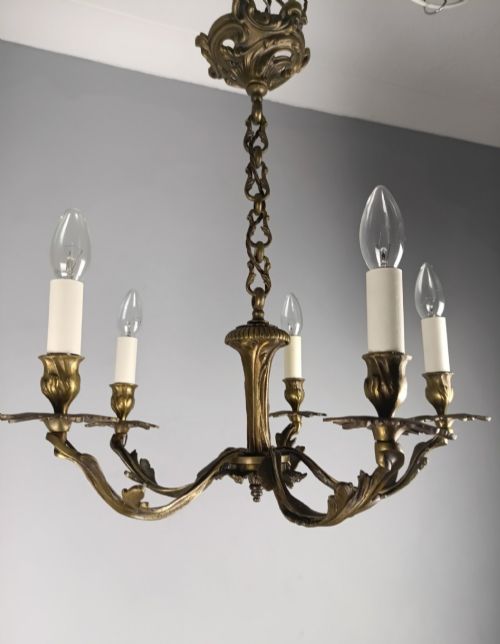
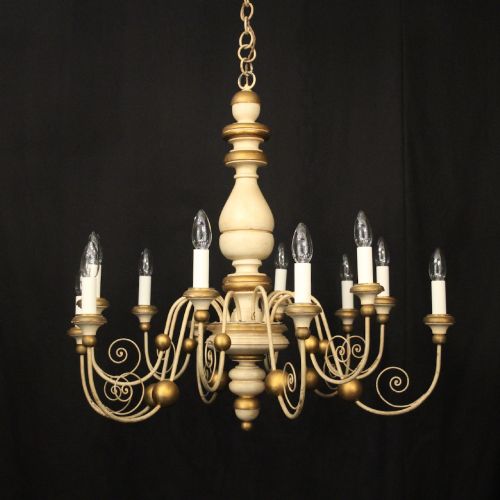
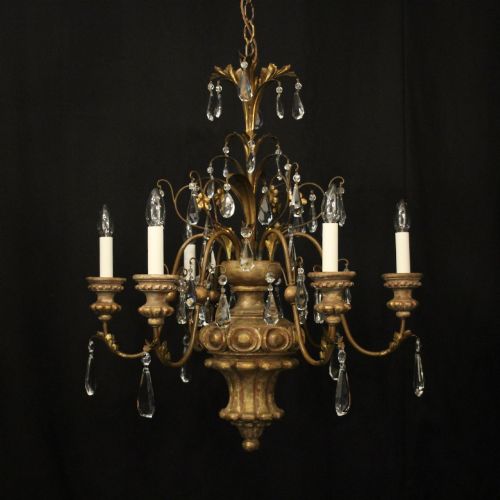
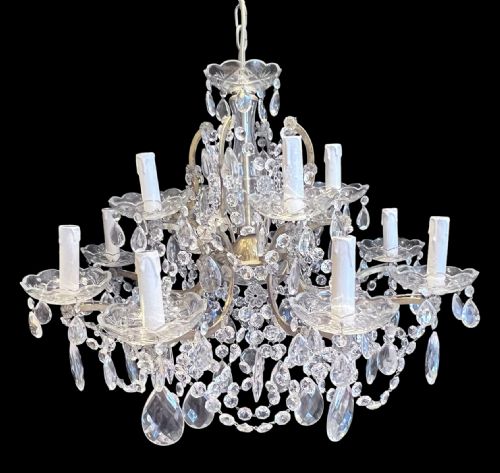

Traditional Candle Chandelier
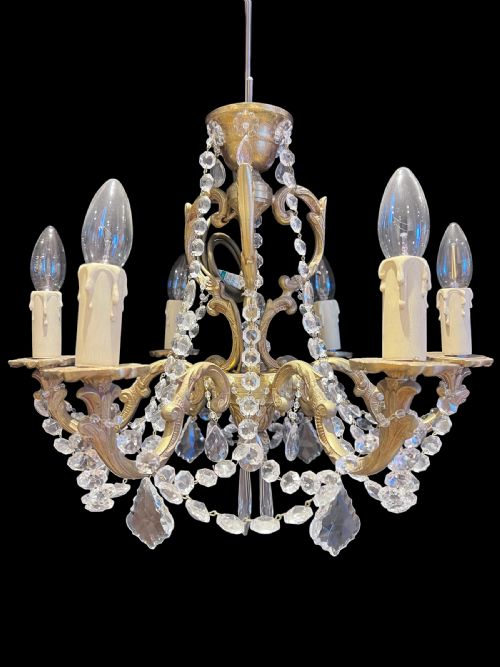
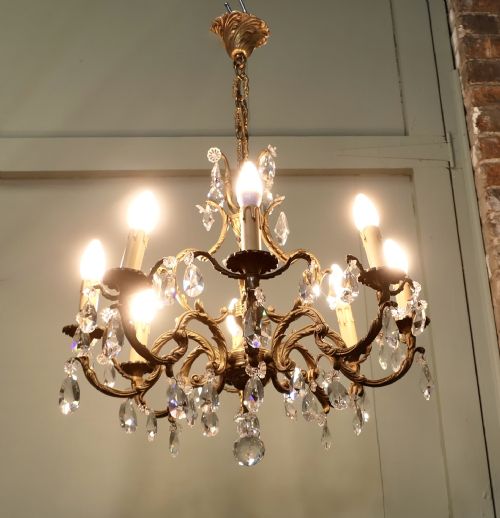
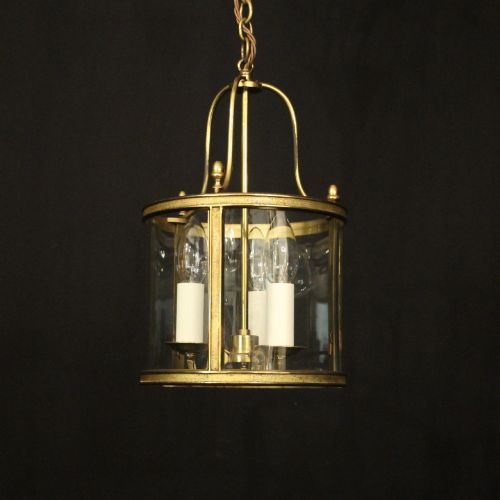
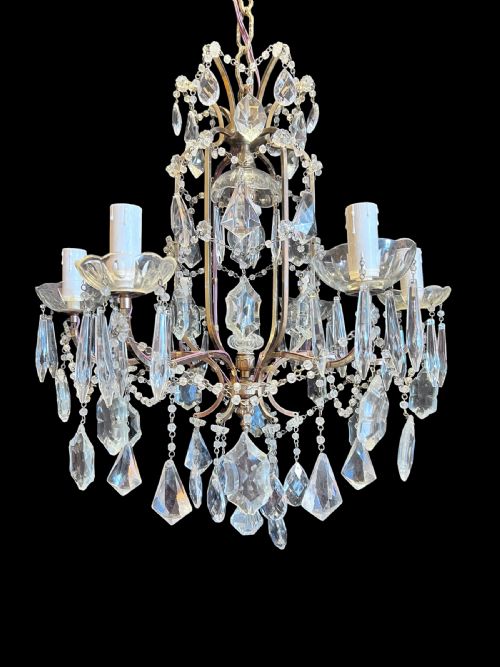
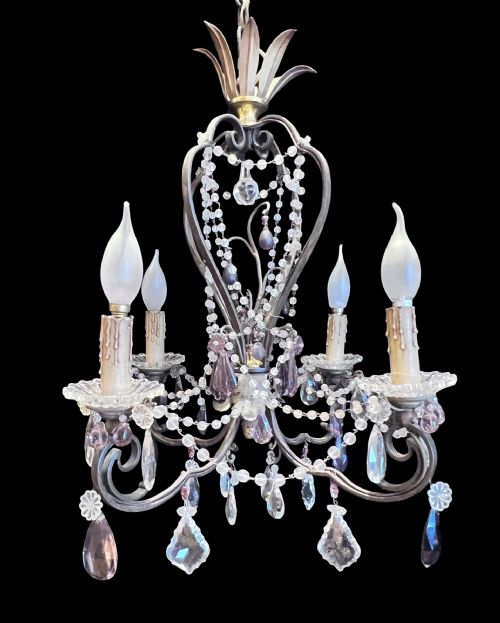
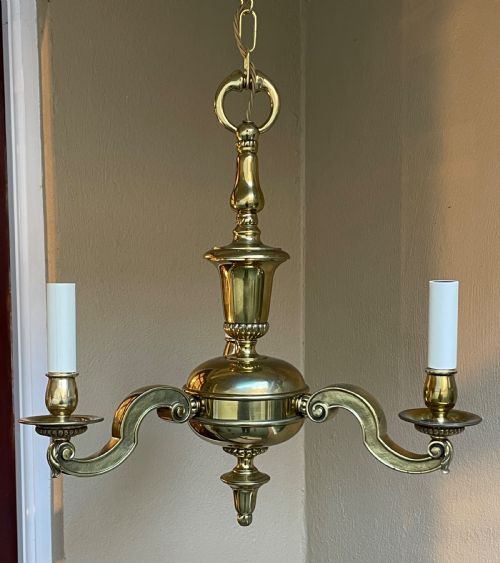
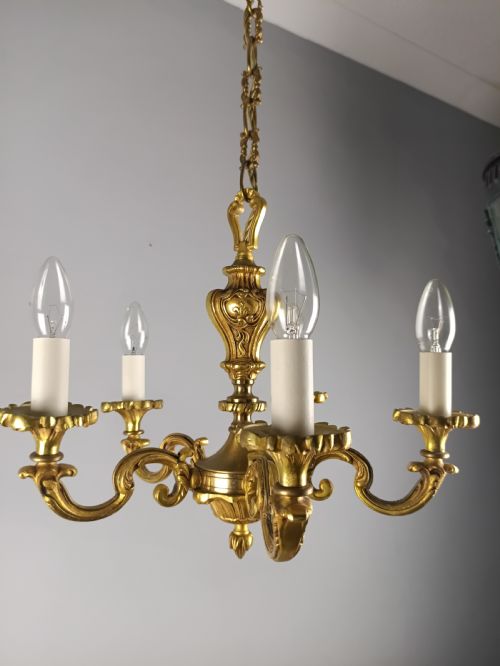
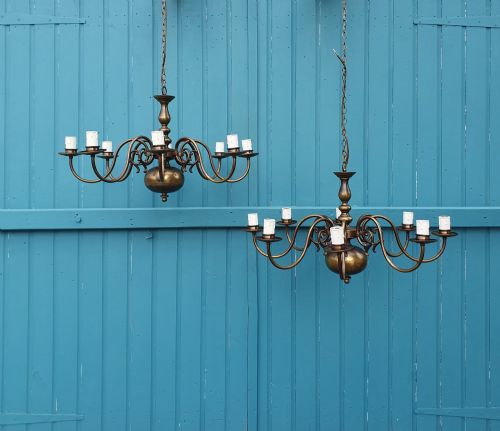
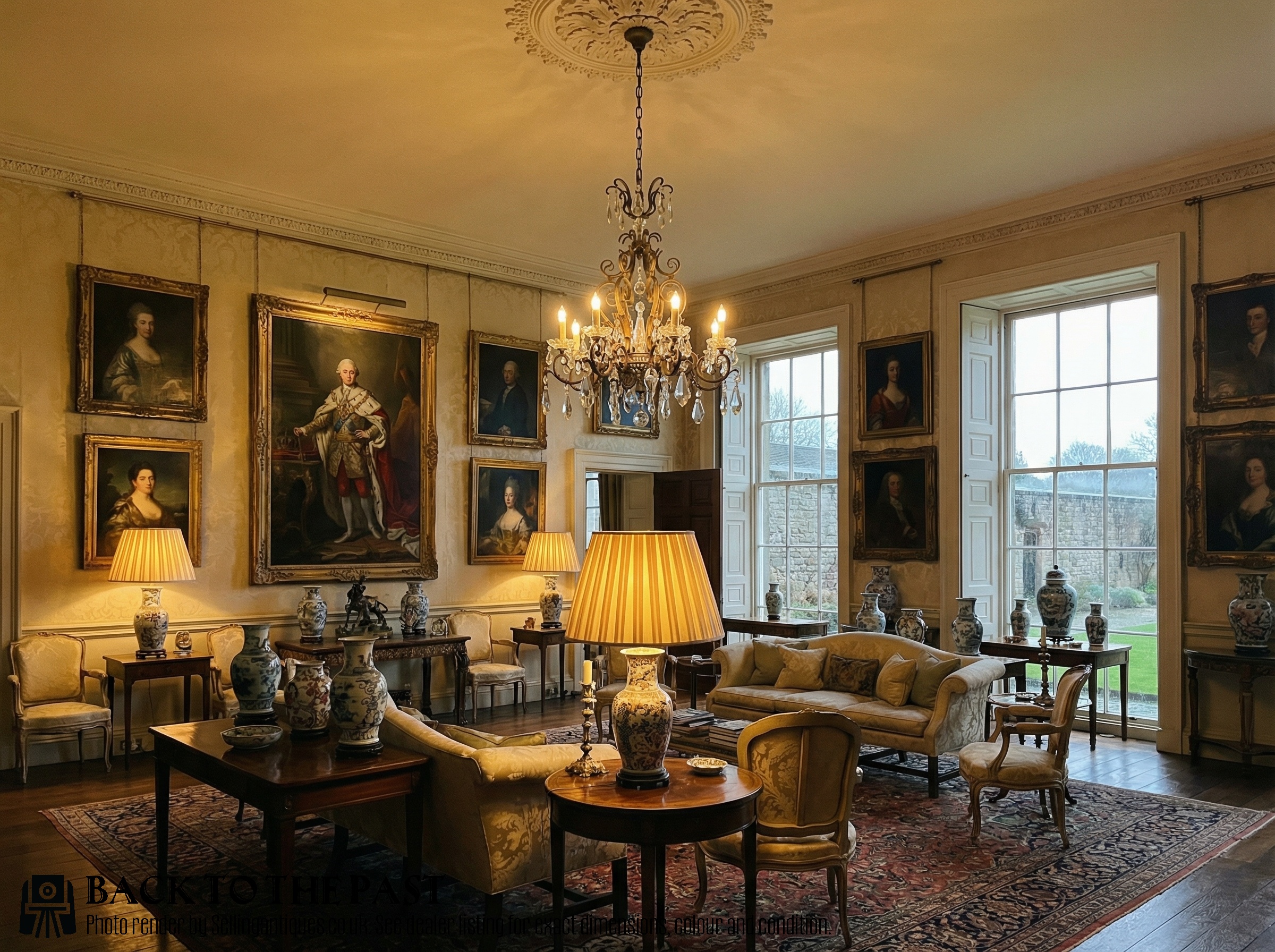
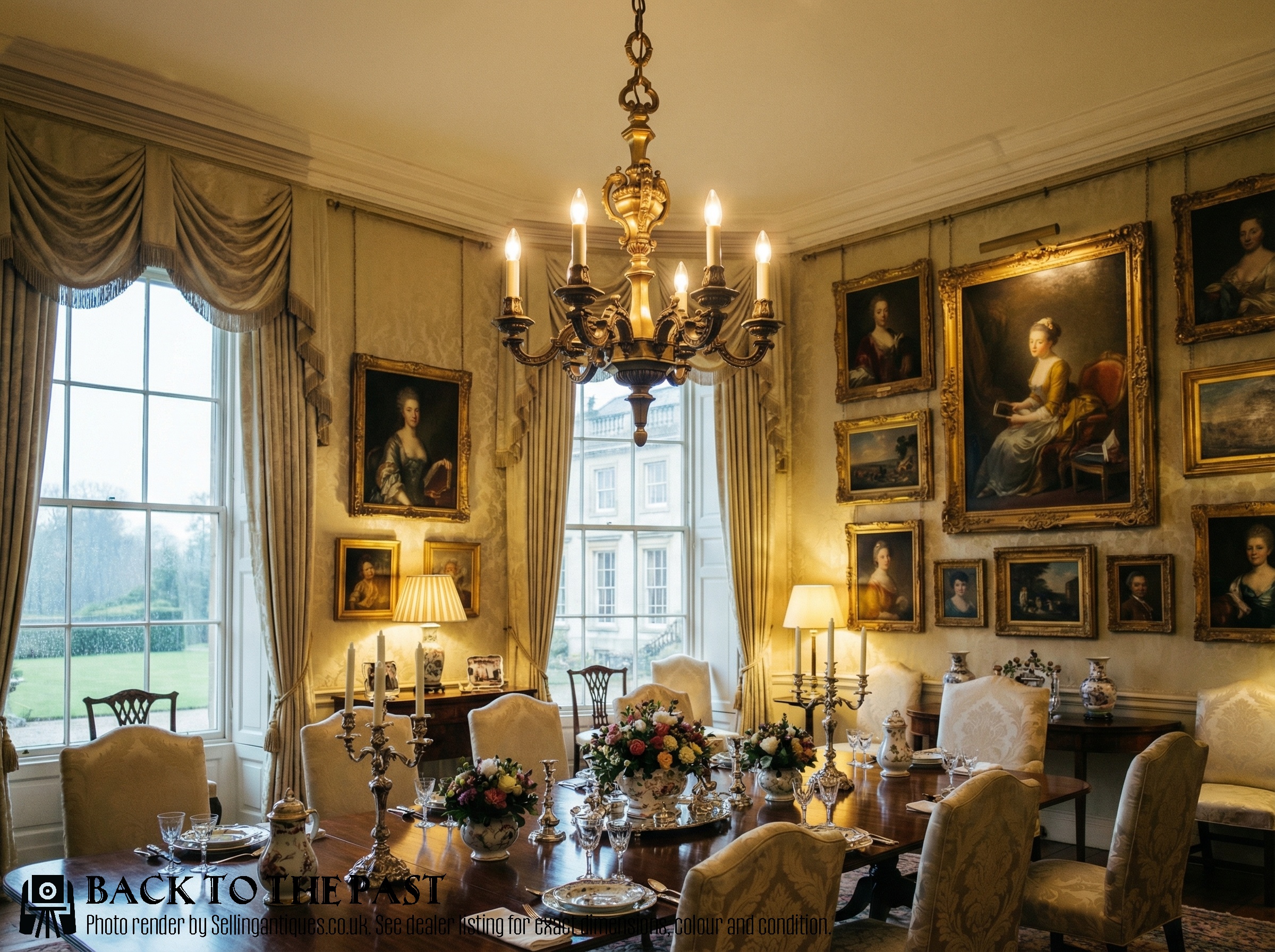
These traditional candle chandelier pieces bring genuine period weight and old illumination to a room, driven by ironwork, giltwood and cut crystal.
What traditional candle chandelier pieces are
When you search for traditional candle chandelier, you are looking at multi-branch lighting fixtures designed to hold candles across several arms. The examples gathered here span from the eighteenth century through to the nineteen thirties.
You are most likely to meet French and Italian pieces on this page. These range from rustic wrought iron frames to grand giltwood and heavily beaded Florentine designs.
The forms vary from simple five branch fixtures to enormous twenty-four light structures. Materials shift between heavy metals and carved timber according to the regional style and period.
How they were made
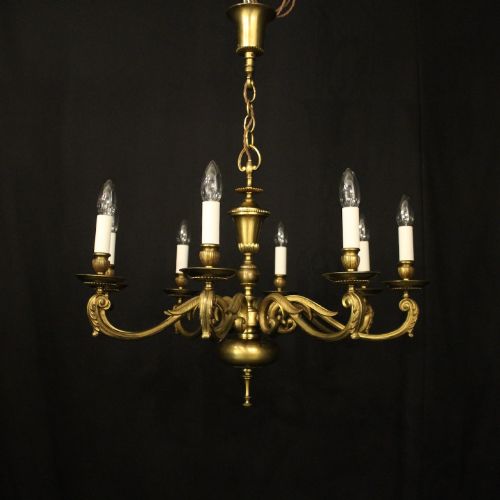
Makers built the iron versions using hand forged wrought iron branches, sometimes adding polychrome paint finishes. Bronze and brass frames were cast and chased, then occasionally silver gilded.
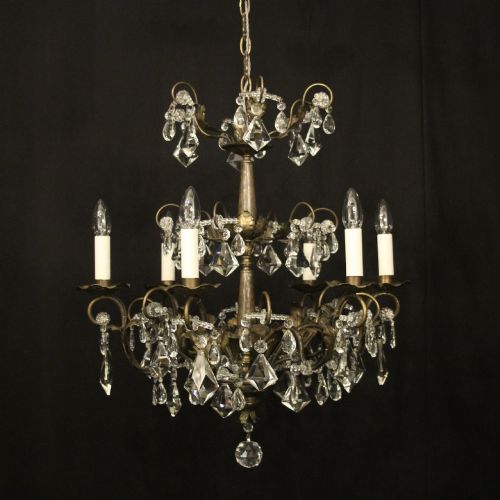
Crystal and glass components were hand cut and wired or pinned into place on the metal or giltwood armatures. Giltwood chandeliers relied on carved timber bases covered in gold leaf or polychrome decoration.
Retail Price Guide 2026
Typical UK retail prices for traditional candle chandelier, calculated from the Sellingantiques database of over a million retail prices indexed since 2003. This retail price guide relies exclusively on Sellingantiques data; no external sources or auction records are used, so the figures do not describe the wider market.
Materials appearing across these chandeliers include crystal, wrought iron, giltwood, bronze and timber.
What varies in quality
Quality rests in the crispness of the metal chasing, the depth of the giltwood carving, and the purity and cutting of the crystal drops. Heavier cast bronzes and intricate wrought ironwork sit at the upper end of the scale.
The integration of the branches and the proportion of the drops determine the visual balance of the piece. Lesser examples feature simpler turned timber or basic welded iron without the hand finishing seen on eighteenth and nineteenth century work.
The Traditional Candle Chandelier Glossary
- Wrought iron
- Iron beaten and shaped by hand rather than cast in a mould. This material gives early rustic fixtures their characteristic textured surface.
- Giltwood
- Timber carved and coated with gold leaf. It provides a bright reflective surface on Italian Florentine pieces.
- Polychrome
- Decorated in multiple colours. Paint is applied directly to iron or timber frames to create surface patterns.
- Armature
- The structural skeleton or framework of the chandelier that supports the branches and candle cups.
Frequently Asked Questions
How do I hang a heavy chandelier safely?
Heavy fixtures require direct fixing into ceiling joists or structural timber rather than plaster alone. Use steel fixings rated well above the weight of the bronze, iron or crystal.
Consult a professional electrician to ensure the ceiling can bear the load of large multi-light chandeliers safely.
Can I convert these to electricity?
Most antique candle chandeliers are adapted to hold electrified candle tubes without altering the visible exterior frame. Wiring is typically threaded discreetly through the central shaft and along the branches.
Retaining the original candle drip pans helps maintain the authentic appearance of the piece after conversion.
How do I clean crystal drops?
Remove delicate glass and crystal drops individually where possible to clean them in warm soapy water. Dry each piece thoroughly with a lint free cloth before rehanging them on the frame.
Avoid harsh chemical sprays that can damage the underlying gilt or metal finishes on the arms.
What rooms suit a large chandelier?
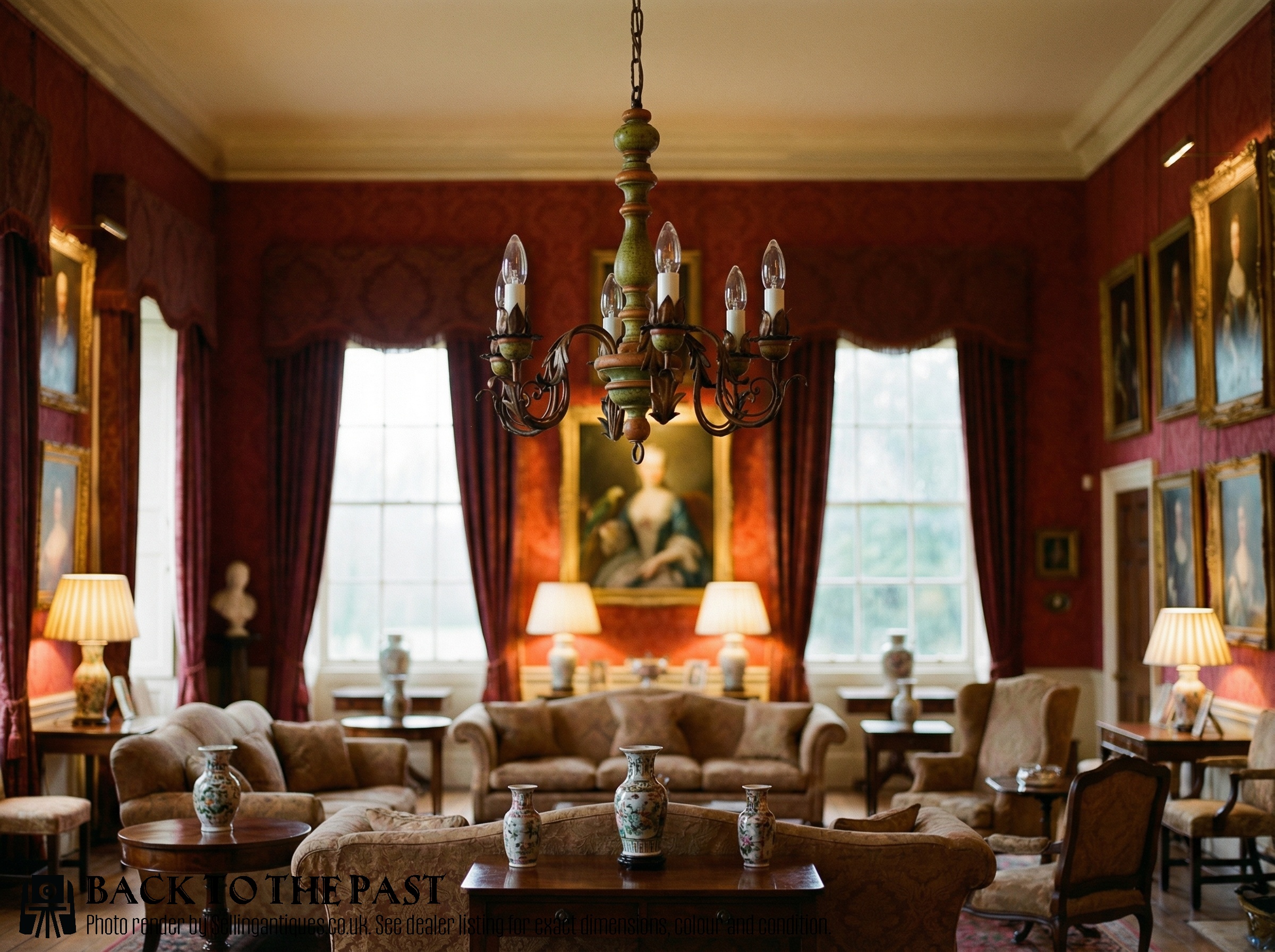
High ceilings and generous floor spaces allow twenty-four light or fifteen light chandeliers to hang without overwhelming the proportions of the room. Grand Regency and Florentine pieces work well in reception rooms and hallways.
Smaller five or six branch iron fixtures suit lower domestic spaces and dining areas.