

Traditional Buttoned Couch
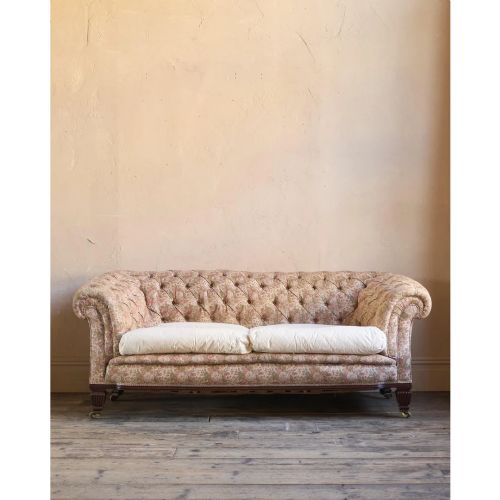
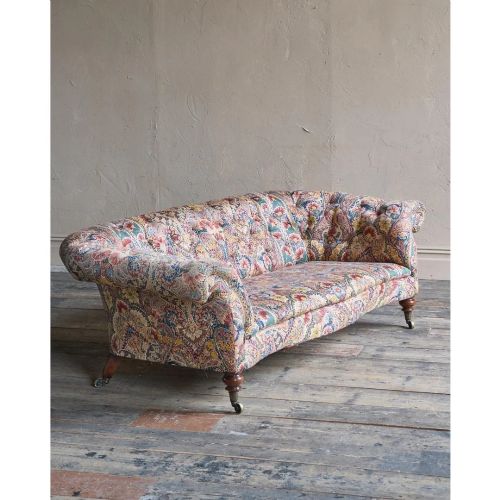
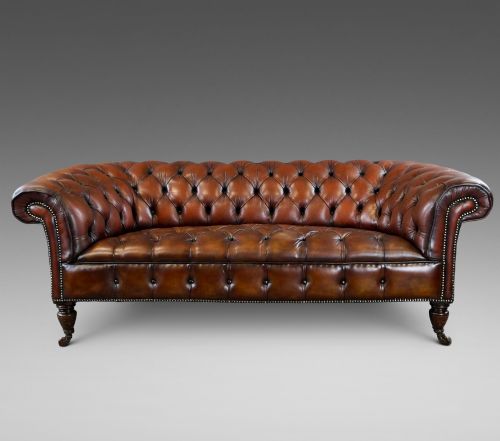
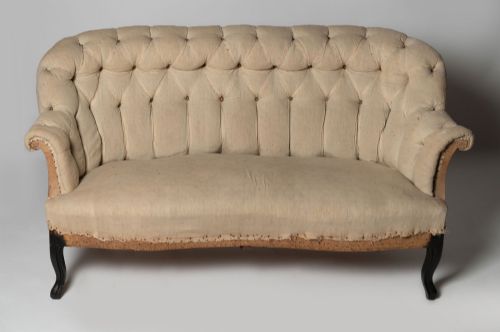
A traditional buttoned couch brings deep upholstery and characteristic tufting to a room, offering both formal presence and generous seating.
Traditional Buttoned Couch
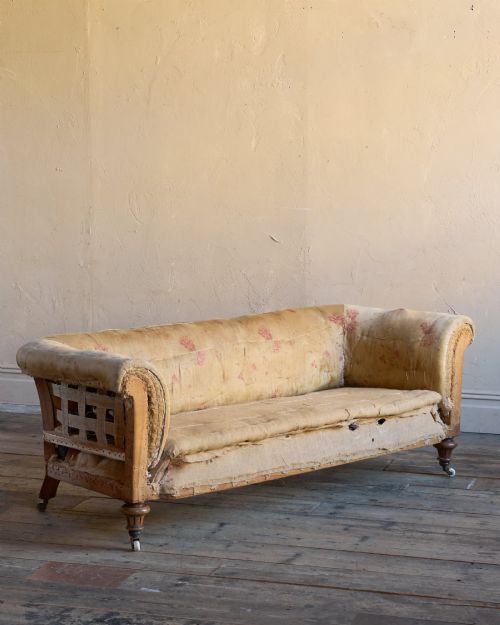
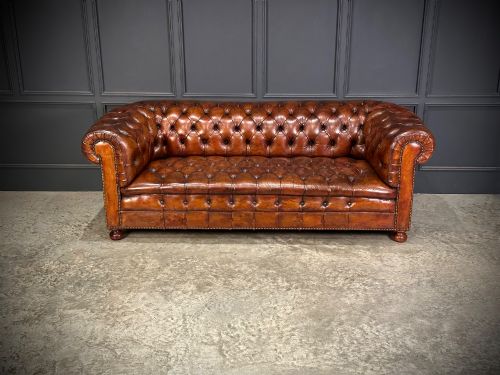
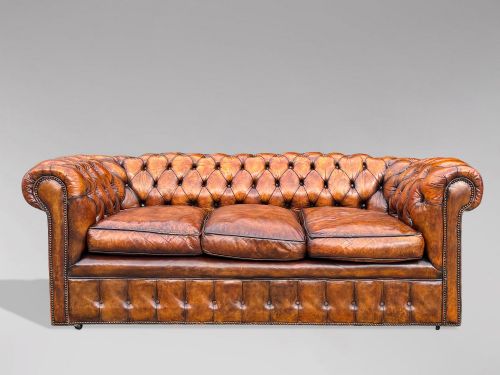
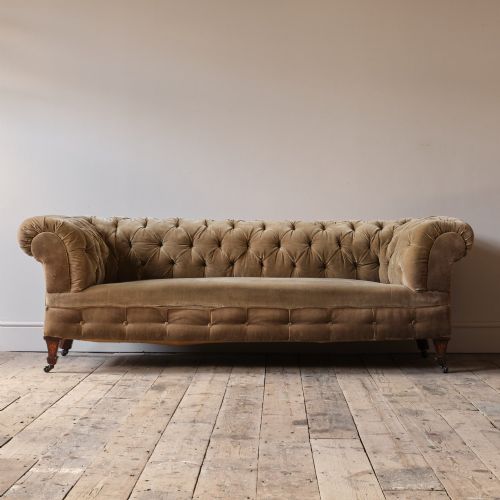
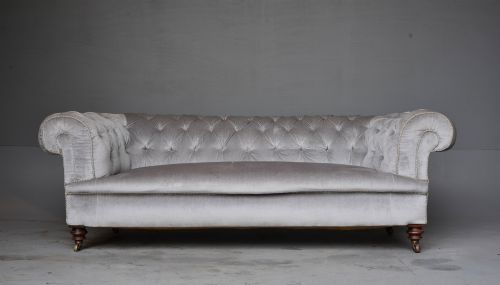
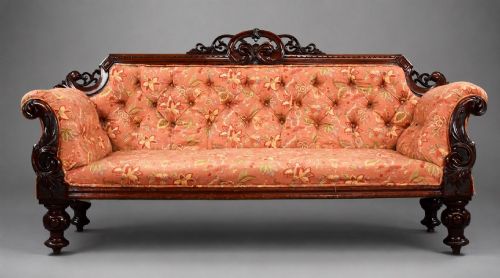
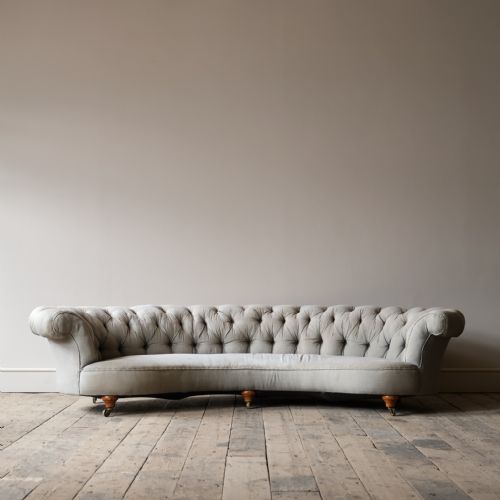
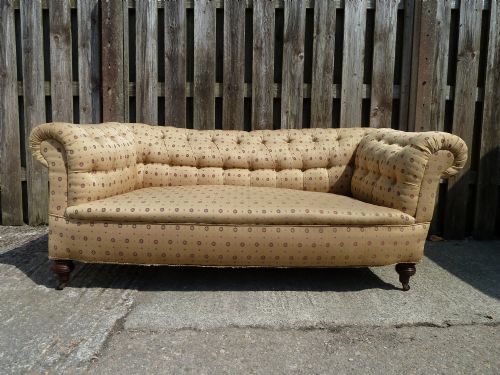
Buyers seeking a traditional buttoned couch encounter a range of nineteenth-century and early twentieth-century seating, most frequently leather Chesterfields and button-backed settees. These pieces originate predominantly from the Victorian period alongside Edwardian and nineteen-thirties examples.
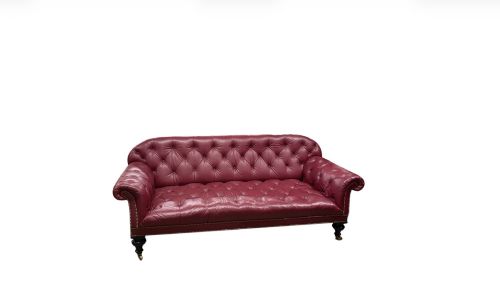
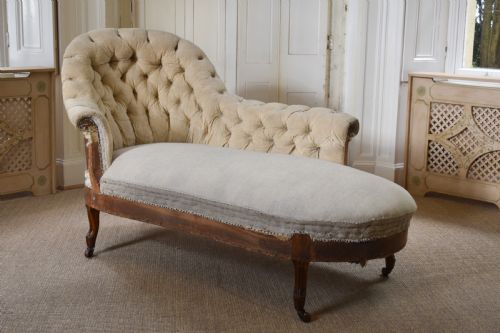
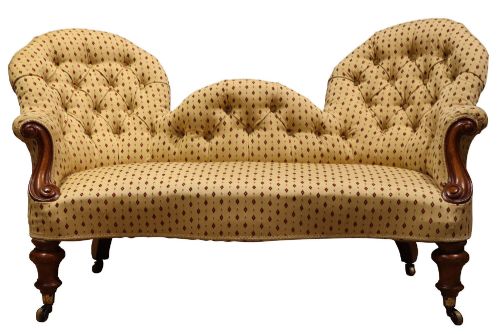
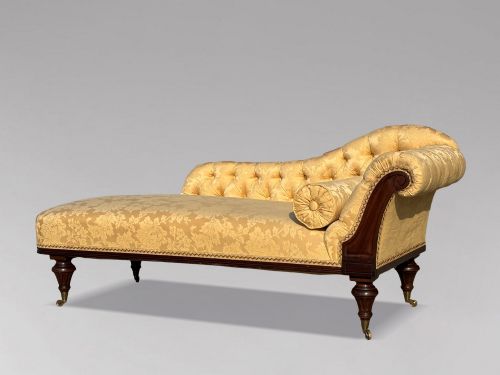
The selection extends beyond standard three-seaters to include double-ended sofas, library settees, and chaise longues. Victorian and nineteenth-century forms dominate the listings alongside specific variations like Howard-style open-arm sofas.
Makers such as Howard and Sons, Jas Shoolbred, Gillows, and Hampton and Sons of Pall Mall appear among the pieces. Most examples use traditional sprung bases and deep buttoning across leather or velvet upholstery.
Materials and construction
Frames rely on sturdy timbers including mahogany, rosewood, and general hardwoods to support heavy internal springing and upholstery layers. Horsehair stuffing and coil springing provide the traditional foundation for deep seating.
Upholstery materials range from raw and hand-dyed leathers to deep pile brocade, velvet, and fabric finishes. Brass tacks and detailed wood carvings frequently accent the legs, frames, and arm supports.
Traditional Buttoned Couch Retail Price Guide 2026
Typical asking prices for traditional buttoned couch among the pieces listed under this phrase on Sellingantiques today, from the lower quarter to the upper quarter. They describe what is for sale here now, not the wider market.
Several pieces arrive ready for a complete transformation, offering raw leather waiting for a custom colour of your choice.
Quality factors in traditional seating
The integrity of the internal frame and the quality of the sprung base set superior pieces apart from standard iterations. Original un-restored condition versus sensitive modern reupholstering alters the character of the piece.
The depth of the buttoning technique and the grade of leather or textile used dictate the tactile and visual standard. Maker attributions to prominent workshops like Howard and Sons or Gillows elevate the standing of a couch.
Howard and Sons·Jas Shoolbred·Gillows·Hampton and Sons of Pall Mall
The Traditional Buttoned Couch Glossary
- Chesterfield
- A large upholstered sofa characterised by arms and back of the same height and deep button tufting. It remains a staple of nineteenth-century British seating.
- Chaise Longue
- An upholstered long chair or daybed designed for reclining, often featuring a single raised end or scroll arm. Victorian examples frequently utilise carved mahogany frames.
- Horsehair
- A traditional stuffing material utilised in upholstery for its resilience and ability to hold shape over decades of use. It forms the primary padding beneath leather or fabric covers.
- Sprung Settee Base
- A seat construction utilising metal coil springs tied together to distribute weight evenly and improve comfort. This technique replaced simpler webbing and stuffing methods in nineteenth-century furniture.
Traditional Buttoned Couch: Frequently Asked Questions
How do I identify a Victorian Chesterfield?
Victorian Chesterfields are typically defined by their deep button-tufted leather or fabric upholstery, robust timber frames, and low-set scrolled arms. They frequently employ horsehair stuffing and traditional coil springs beneath the seat.
Evidence on this page shows nineteenth-century examples often span three-seater layouts or deep club sofa proportions. Maker attributions to firms like Howard and Sons or Gillows further confirm the period origin.
What is the difference between a settee and a chaise longue?
A settee provides formal seating for multiple people with a defined backrest and two arms. A chaise longue is an elongated daybed intended for reclining, featuring a single raised backrest or end.
Listings here include carved mahogany frames for chaise longues alongside fully upholstered multi-seat settees. Both forms utilise buttoning and traditional timber construction.
Are these sofas upholstered in leather or fabric?
Traditional buttoned couches utilise both leather and various fabrics depending on the specific model and period. Hand-dyed whiskey brown and red leathers appear frequently alongside velvet, brocade, and heavy textiles.
Some nineteenth-century and early twentieth-century pieces retain raw leather intended for custom dyeing, while others feature rich blue velvet or patterned pile covers.
How should I care for a vintage leather Chesterfield?
Vintage leather requires gentle cleaning and regular conditioning to maintain the suppleness of the hide. Hand-dyed and whiskey brown finishes benefit from wax-free leather balms that preserve the natural patina.
Keeping the piece away from direct heat sources prevents the leather from drying out and cracking. The original buttoning and horsehair stuffing inside also last longer when weight is distributed evenly.