

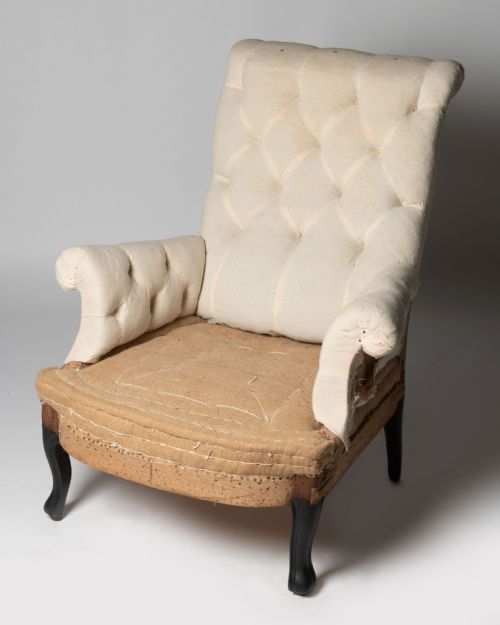
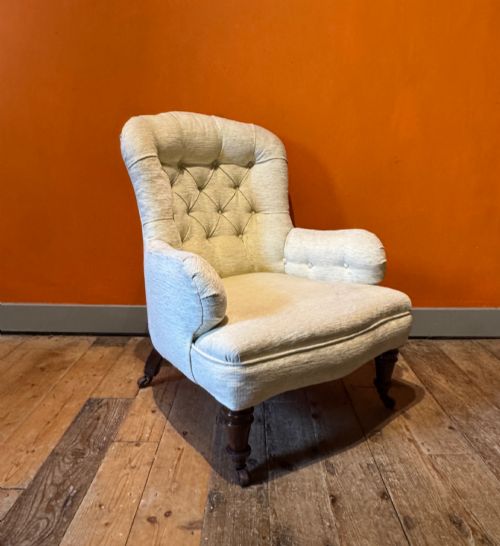
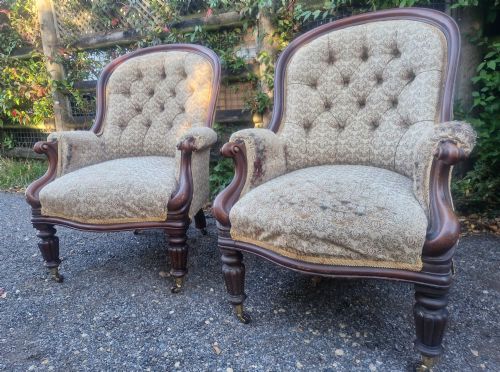
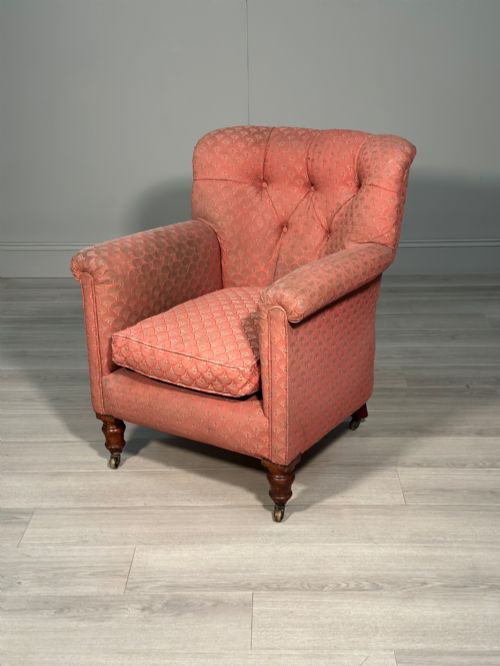
Traditional Buttoned Chair
A traditional buttoned chair brings deep upholstery and tactile leather into a room, offering robust comfort with a tailored finish.
Traditional Buttoned Chair
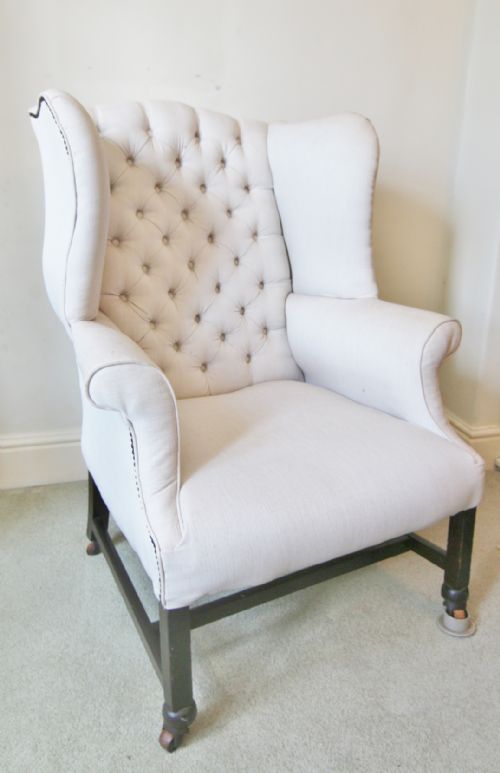
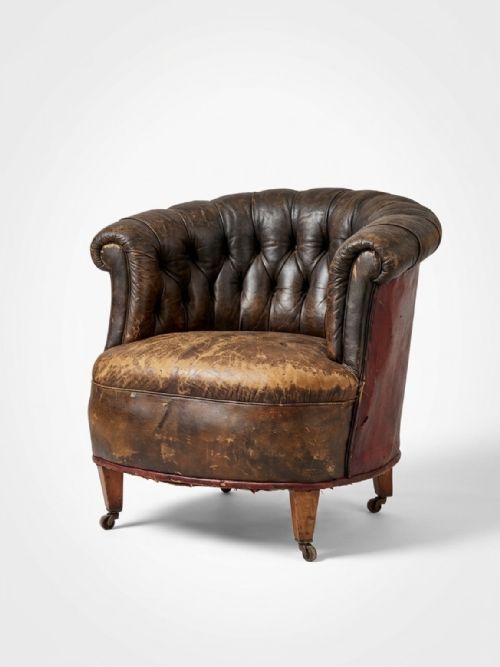
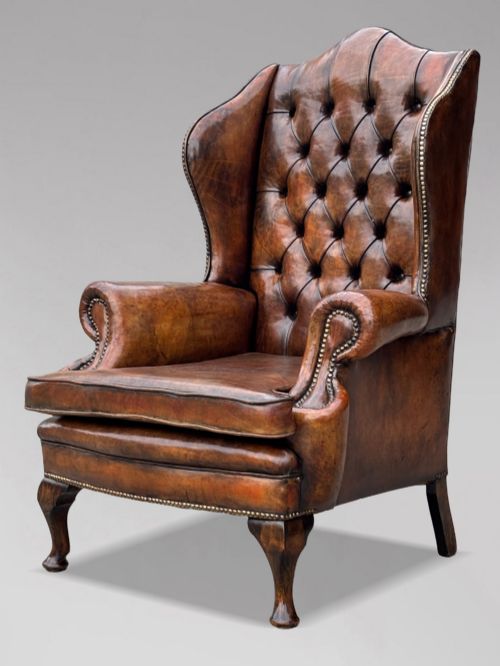
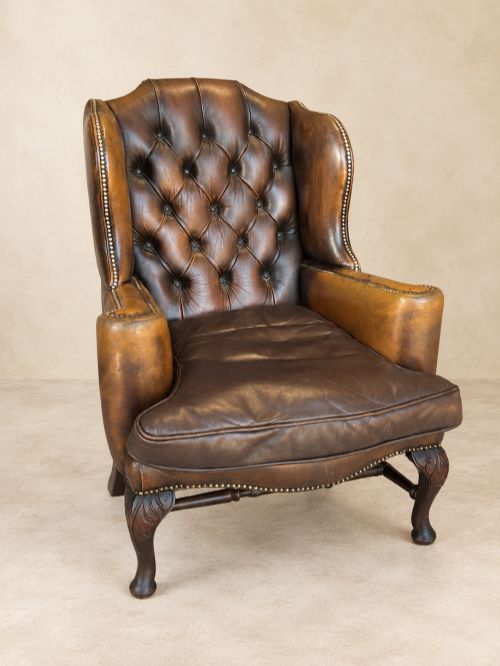
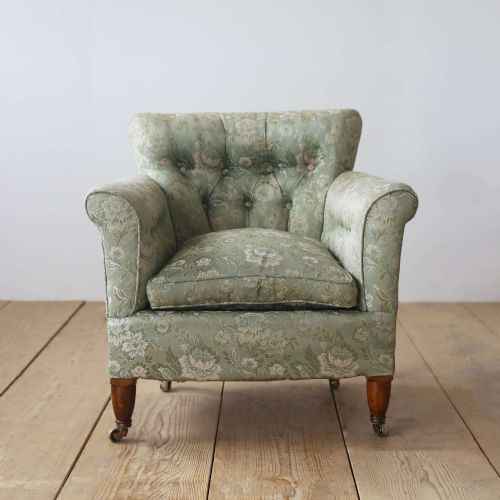
A traditional buttoned chair encompasses a variety of heavily upholstered seating forms designed for deep seated comfort, predominantly hailing from the nineteenth century. These pieces include substantial club chairs, wing armchairs, and low nursing chairs featuring distinctive tufted upholstery.
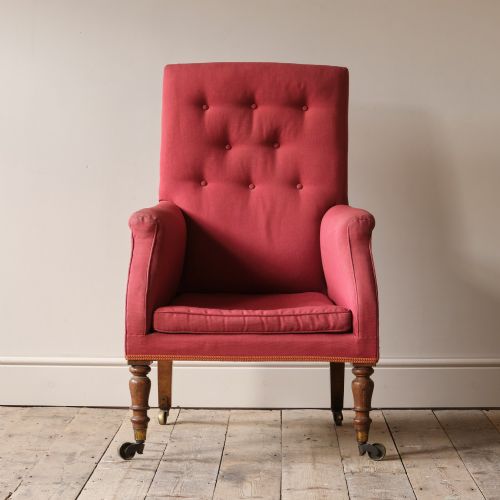
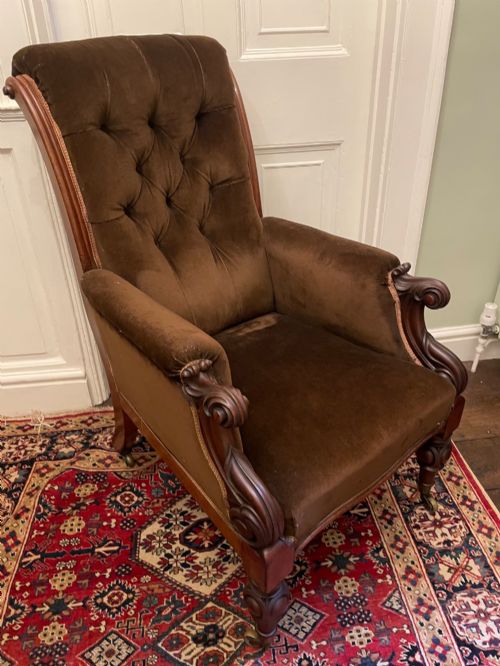
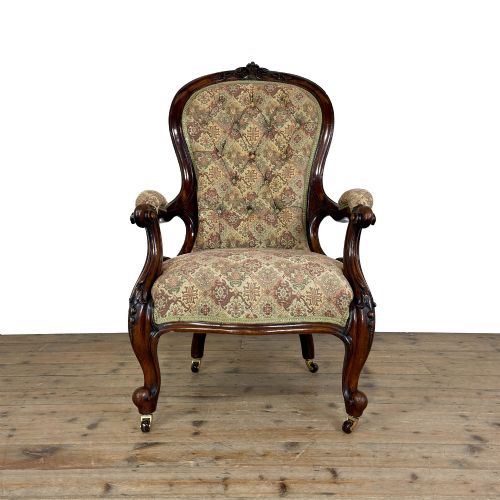
Victorian examples in mahogany, walnut, and oak dominate the selection, alongside specific nineteenth century forms such as library armchairs and low slipper chairs. Makers like Howard and Sons and Gillows also appear, representing high quality English craftsmanship from the period.
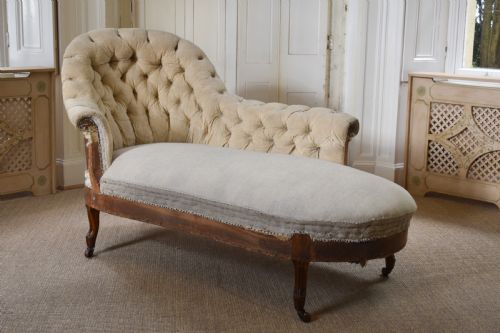
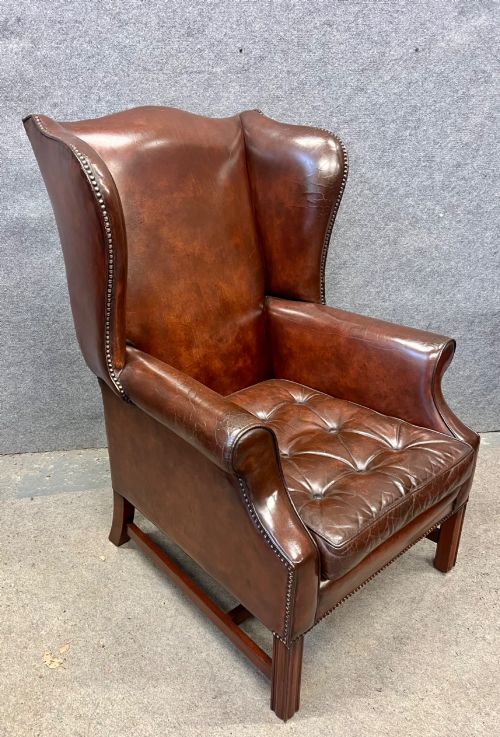
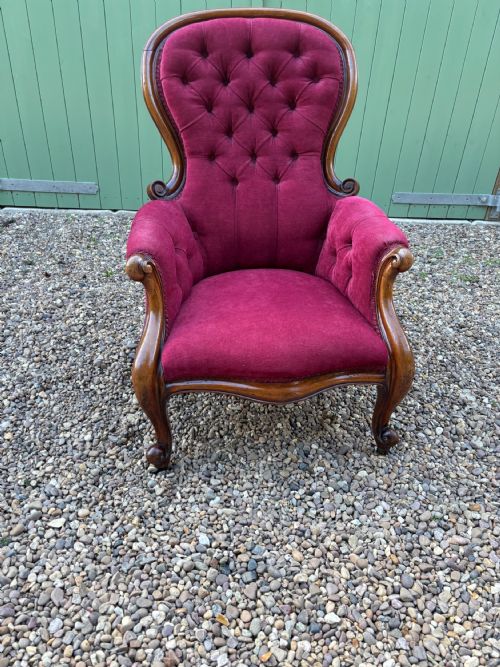
Buyers encounter numerous variations, from country house armchairs finished in tan or brown leather to velvet and brocade covered parlour seating. The common thread is the buttoned back construction, which secures the padding and creates a distinctive geometric pattern.
Materials and construction
Frames rely on sturdy timbers such as mahogany, walnut, oak, and rosewood, often carved with traditional detail around the arms and legs. Brass castors frequently support the heavier library and club chairs for ease of movement across carpets.
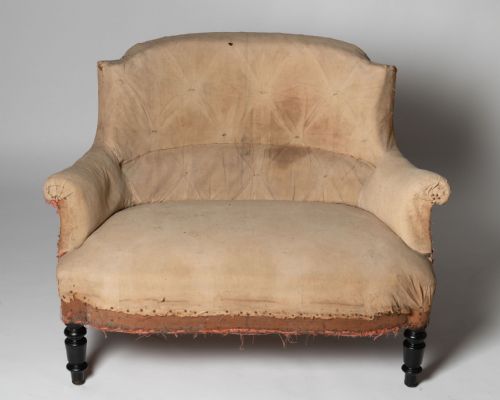
Upholstery combines traditional stuffing with durable top layers of leather, velvet, calico, hessian, and fabric. Deep buttoning pulls the material firmly into the internal padding, secured with twine to maintain the signature tufted shape over decades of use.
Traditional Buttoned Chair Retail Price Guide 2026
Typical asking prices for traditional buttoned chair among the pieces listed under this phrase on Sellingantiques today, from the lower quarter to the upper quarter. They describe what is for sale here now, not the wider market.
Listings feature nineteenth century pieces spanning Victorian, Regency, and Edwardian periods, utilising leather, mahogany, walnut, velvet, and brass.
Assessing craftsmanship and finish
The integrity of the internal wooden frame and the precision of the joinery set finer pieces apart from standard workshop output. Carved detailing on mahogany or walnut arms reflects the skill invested by the original cabinet maker.
Leather quality and the regularity of the buttoning tension dictate the visual appeal and longevity of the piece. Premium examples maintain tight, uniform tufting and rich patination on the hide, while lesser pieces show uneven wear or loose padding.
Howard and Sons·Gillows
The Traditional Buttoned Chair Glossary
- Button back
- A style of upholstery where recessed buttons pull the fabric or leather tight against the internal padding to form a diamond grid pattern.
- Club chair
- A deep, low slung armchair designed for heavy use, typically upholstered in dark leather with generous padded arms.
- Nursing chair
- A low seated Victorian chair originally designed for nurseries or bedrooms, allowing comfortable seating close to a hearth.
- Wing armchair
- A high backed chair featuring side panels designed to shield the sitter from draughts, often paired with deep leather buttoning.
- Chaise longue
- An elongated upholstered seat for reclining, sharing stylistic periods and woodwork with traditional armchairs.
Traditional Buttoned Chair: Frequently Asked Questions
What defines a traditional buttoned chair?
These chairs combine exposed wooden frames in mahogany, walnut, or oak with heavily padded upholstery secured by deep tufted buttons. They span various nineteenth century forms, including library armchairs, club chairs, and low nursing seats.
Most feature either rich leather hides or heavy woven fabrics like velvet and brocade. The style prioritises structural comfort alongside formal nineteenth century elegance.
How were these chairs used historically?
Library and club chairs provided substantial seating for reading rooms and gentlemen's studies, whilst nursing chairs offered low seating suited to bedrooms and hearths. Their robust frames and deep upholstery were built for prolonged daily sitting.
Many examples originated in country houses, where functional comfort outweighed delicate parlour display. Reclining mechanisms and sturdy brass castors added practical utility for moving heavy seating.
How do I care for leather upholstery?
Leather surfaces require regular dusting with a dry cloth and occasional treatment with appropriate leather balms to prevent drying and cracking. Keeping the hide away from direct heat sources preserves its natural suppleness.
Avoid abrasive cleaners and excessive moisture, which can damage the original patination and weaken the thread securing the deep buttoning.
How do I identify Victorian pieces?
Victorian chairs typically display dense hardwood frames made from mahogany or walnut, often featuring hand carved detailing and brass castors. The presence of traditional materials like horsehair stuffing, hessian, and calico beneath the outer leather points to nineteenth century construction methods.
Maker stamps on wooden frame edges or castor housings can also confirm origins, particularly on pieces associated with notable workshops of the era.