


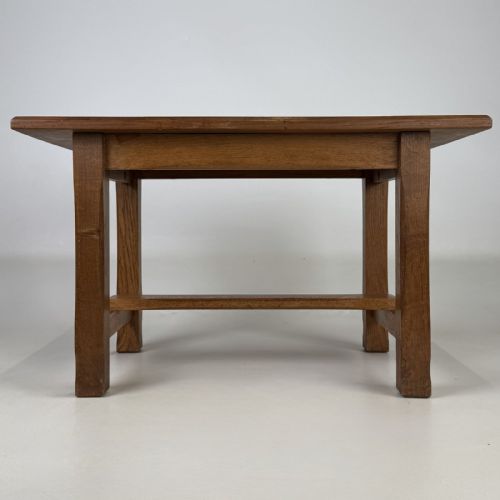
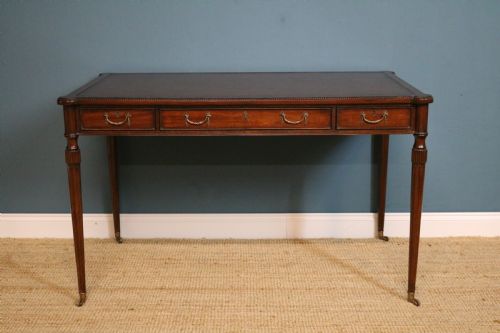
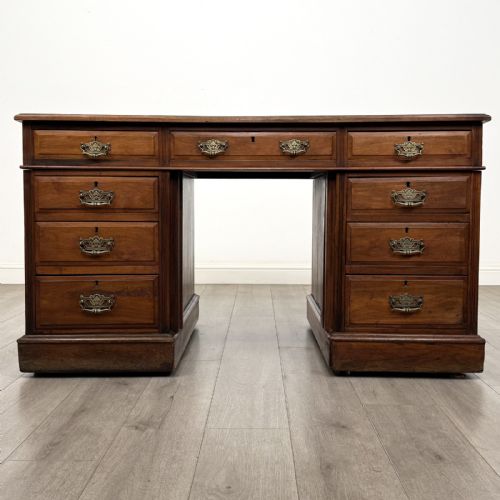
Traditional Brown Table
A traditional brown table brings solid timber warmth into a room, offering practical surface space rooted in historic periods.
Traditional Brown Table
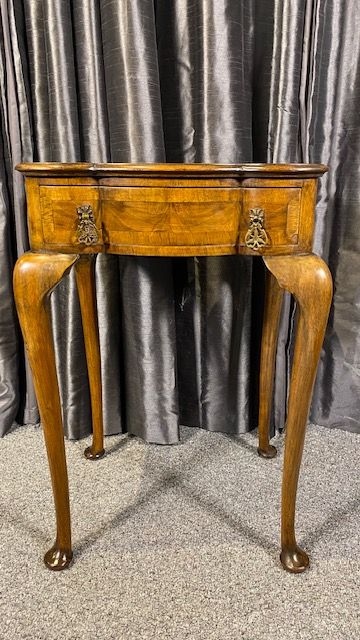
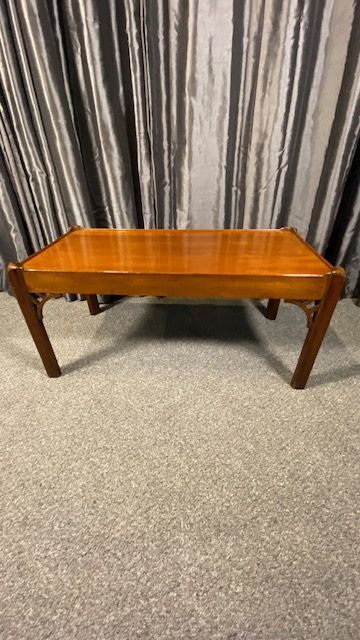
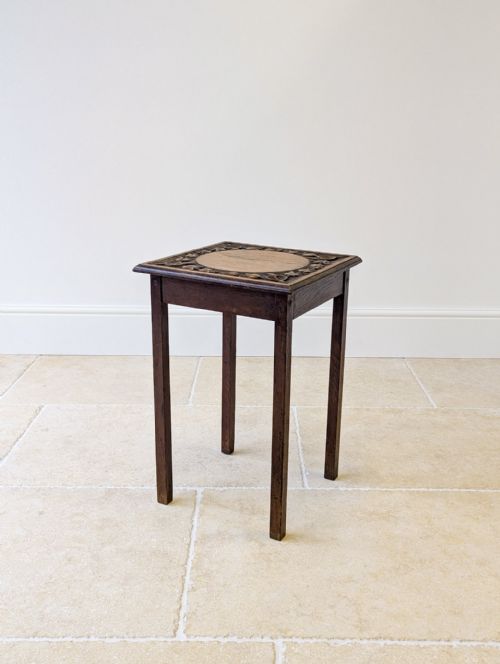
A traditional brown table encompasses various wooden forms designed for dining, writing, or side placement within domestic spaces. These pieces span the 18th century, Georgian, Victorian, and Edwardian periods, alongside later revival styles.
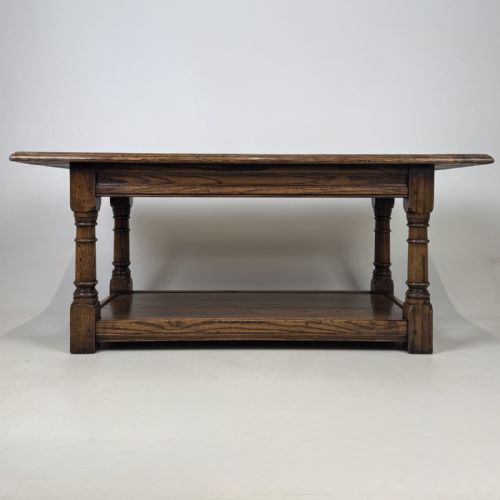
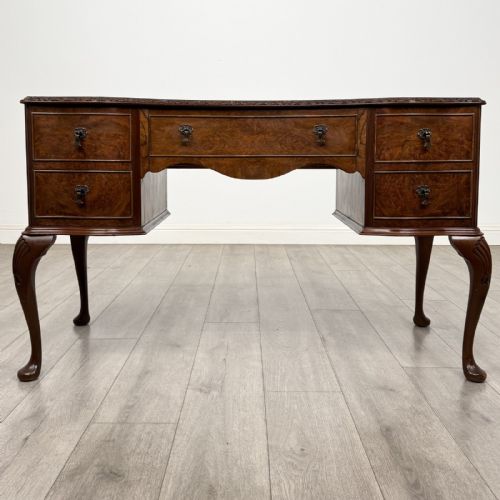
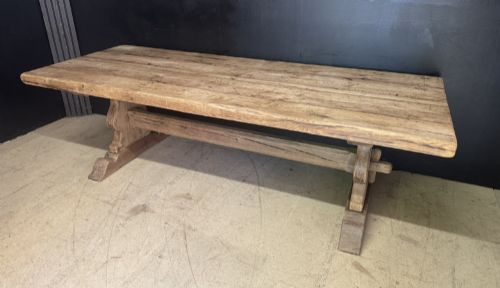
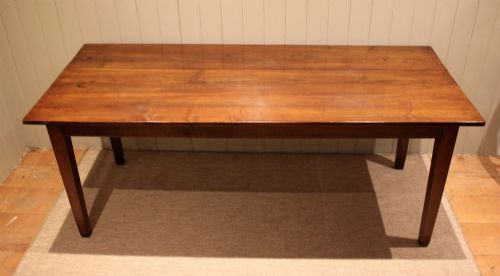
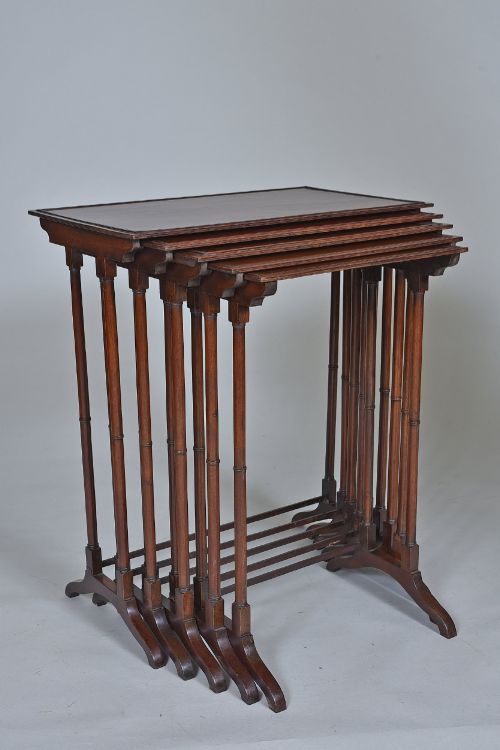
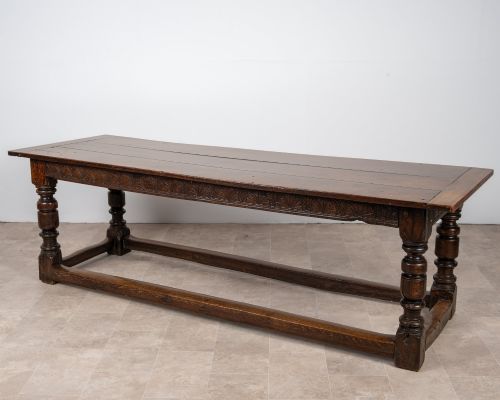
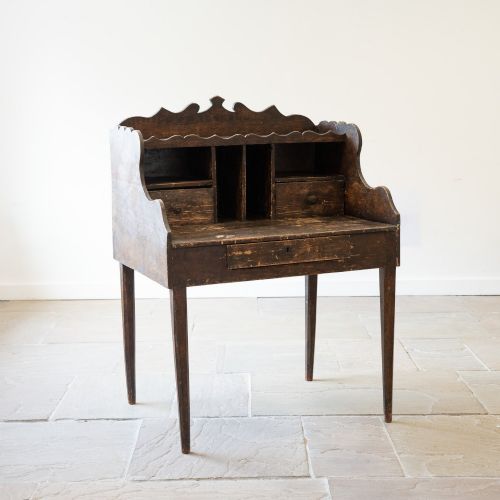
Dining tables dominate the selection, appearing as refectory, wake, or extending formats built to accommodate gatherings. Alongside these larger pieces, smaller formats such as side tables, nests of tables, and desks provide functional timber surfaces.
Makers utilised woods like mahogany, oak, walnut, elm, and yew wood, shaping them into Georgian, Regency, Jacobean Revival, and country styles. Buyers meet pieces ranging from 19th-century oak tilt-top tables to Edwardian mahogany nests.
How they were made
Cabinet makers constructed these tables using solid hardwoods and veneers, pairing oak and mahogany with secondary timbers for structural stability. Joinery techniques varied from pegged mortise and tenon frames on refectory dining tables to dovetailed drawer boxes on desks and side tables.
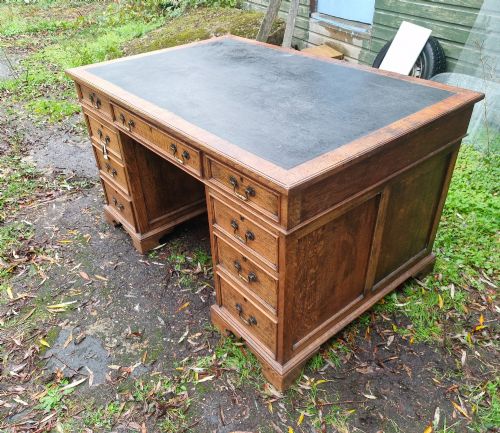
Surface treatments included polished mahogany finishes and fielded panel doors on related cabinetry, whilst specific desks incorporated red writing leather inserts. Brass hardware, drop handles, and raised galleries frequently completed the construction of these brown timber furnishings.
Traditional Brown Table Retail Price Guide 2026
Typical asking prices for traditional brown table among the pieces listed under this phrase on Sellingantiques today, from the lower quarter to the upper quarter. They describe what is for sale here now, not the wider market.
Listings feature woods including mahogany, oak, walnut, elm, yew, and brass, spanning the 18th century through the Edwardian period.
What varies in quality
The refinement of timber selection dictates the visual depth of a traditional brown table, particularly where figured mahogany or burr walnut veneers are present. Superior examples display careful grain matching across table leaves and desk tops.
Structural integrity and the retention of original period elements distinguish finer pieces from later revivals. Proportions, leg turning, and the crispness of carved oak or mahogany details reveal the hand of skilled workshops.
The Traditional Brown Table Glossary
- Refectory table
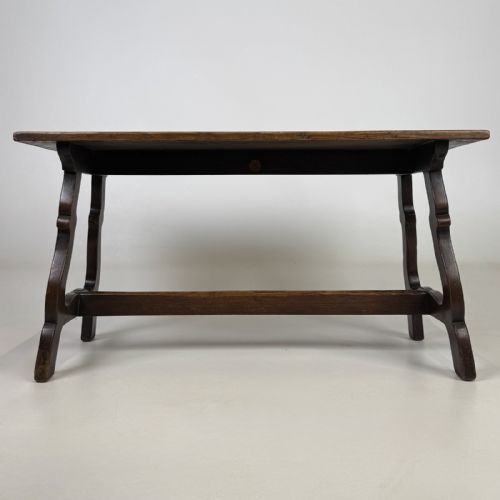
- A long, narrow dining table traditionally used in monasteries and large halls, characterised by substantial wooden legs and a central stretcher.
- Tilt-top table
- A small occasional table featuring a mechanism that allows the wooden top to pivot vertically when not in use.
- Gateleg table
- A drop-leaf table supported by hinged legs that swing out like a gate to hold up the folding flaps.
- Demi-lune
- A half-moon shaped table designed to stand flat against a wall, frequently utilised as a side or console table.
- Pedestal desk
- A heavy writing table consisting of two box-like pedestals supporting a wide top, often featuring inset leather writing surfaces.
Traditional Brown Table: Frequently Asked Questions
How do I care for a wooden surface?
Maintain your table by dusting regularly with a soft cloth and avoiding placement near direct heat sources or strong sunlight.
Apply traditional beeswax periodically to nourish the timber grain and preserve the historic finish without sealing the wood.
Where should I place a side table?
Position side tables beside seating areas, in hallways, or against blank walls to provide functional surface space for lamps or decorative objects.
Their compact proportions allow them to fit easily into smaller rooms while adding historic timber character.
What is a refectory table used for?
Refectory tables serve as large dining surfaces, historically designed for communal meals in large halls and refectories.
Today, they function as substantial dining or kitchen tables capable of seating numerous guests.
How do I identify the period of a table?
Examine the timber species, construction methods, leg styles, and hardware to determine whether a piece belongs to the Georgian, Victorian, or Edwardian eras.
Revival pieces often replicate earlier 17th or 18th-century designs while retaining construction traits characteristic of the 20th century.