



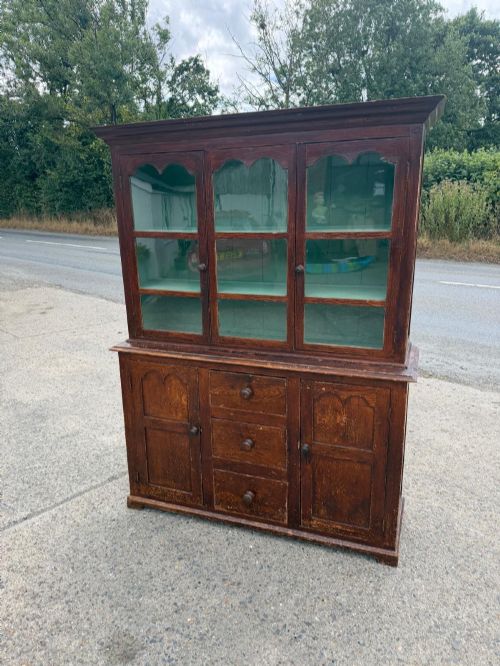

Traditional Brown Hutch
A traditional brown hutch brings solid timber presence and display space to a room, drawing on centuries of vernacular furniture design.
Traditional Brown Hutch
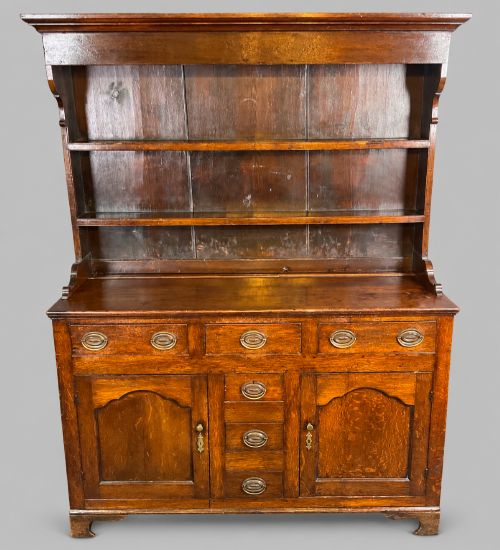
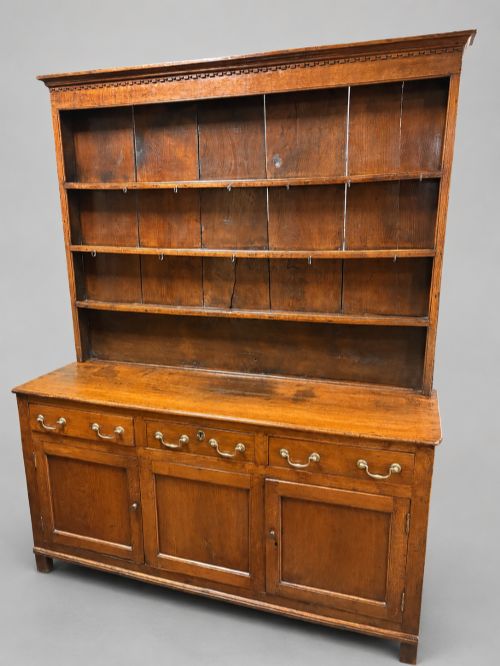
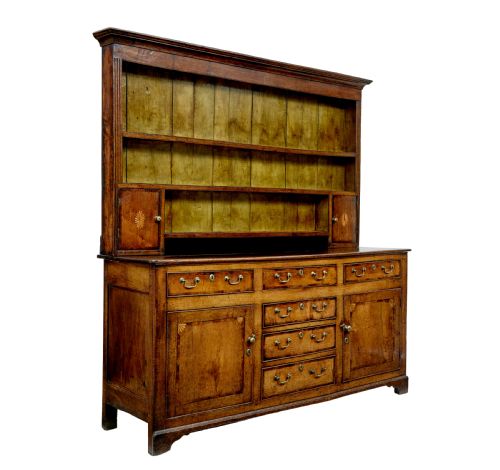
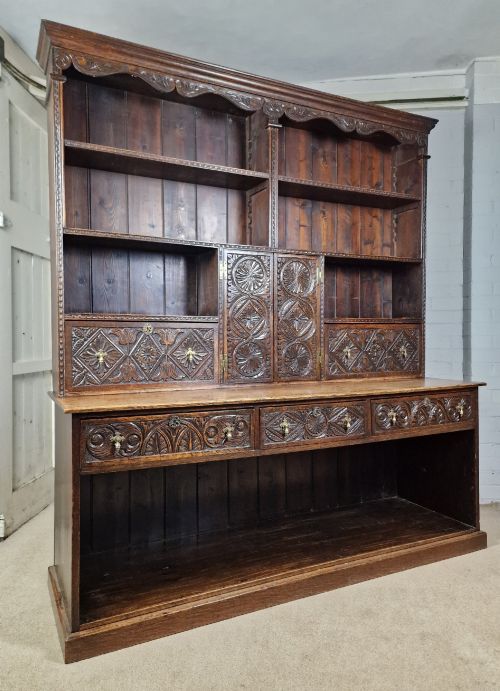
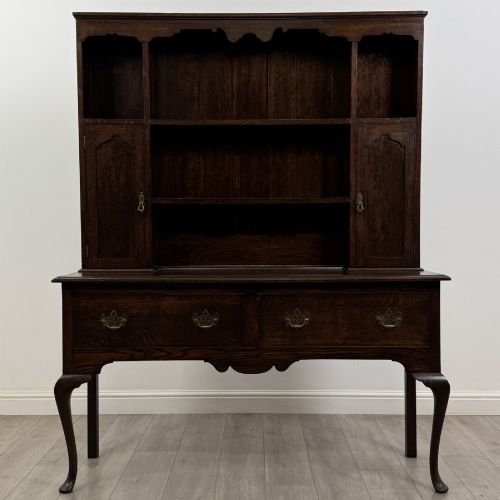
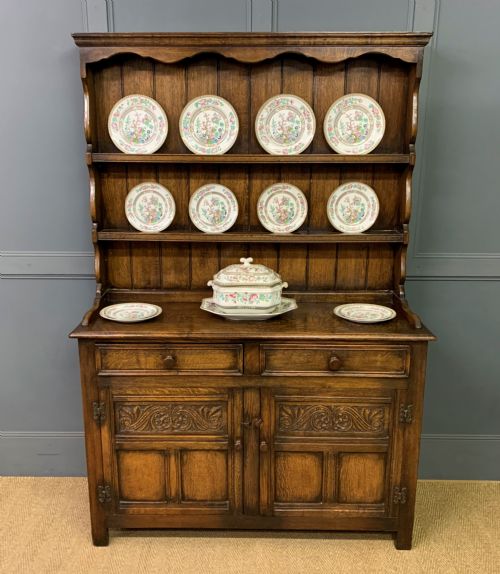
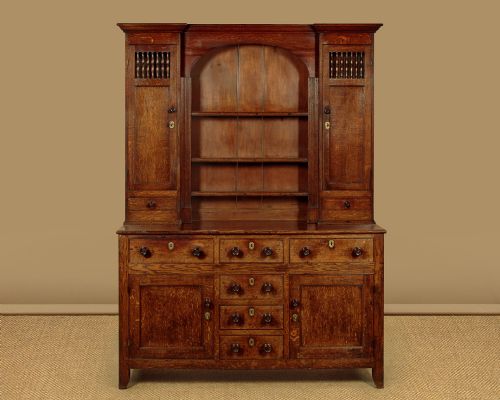
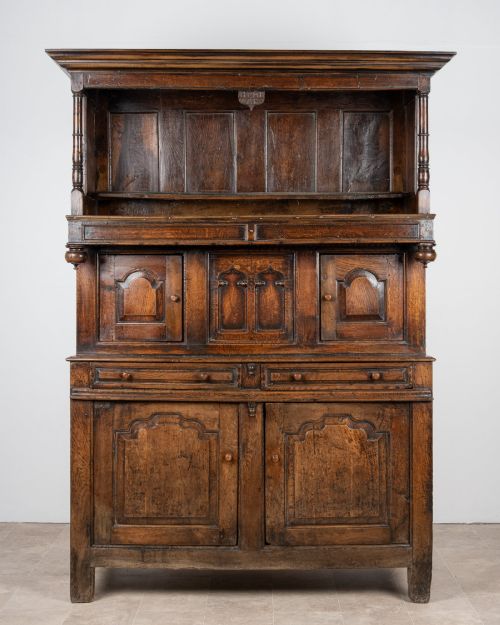
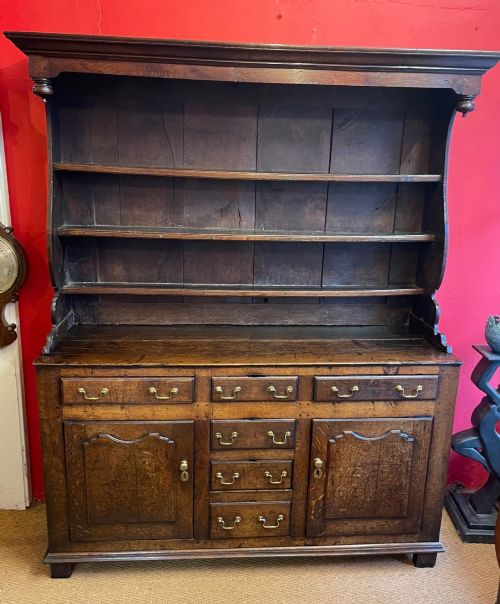
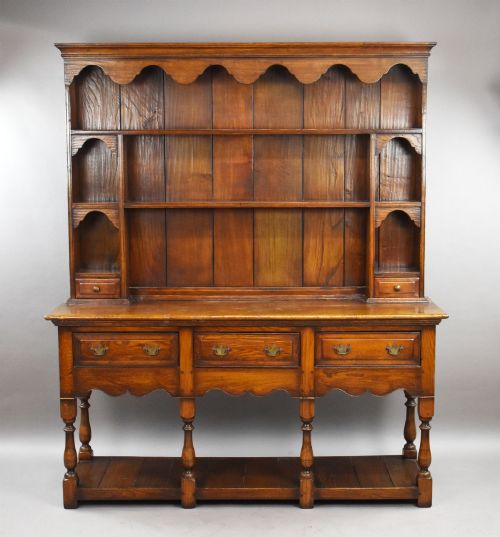
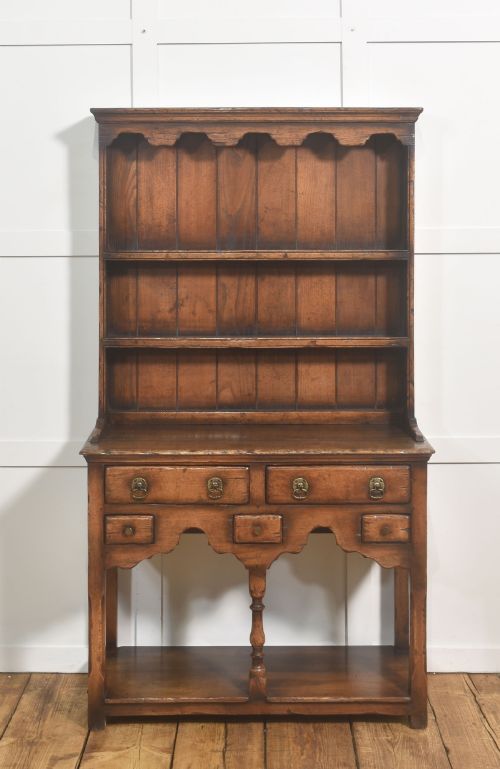
When you search for a traditional brown hutch, you are looking at substantial wooden storage pieces predominantly recorded as dressers, welsh dressers, and press cupboards. These items combine a lower base of drawers or cupboards with upper plate racks or glazed shelving, functioning as the central storage unit of the traditional kitchen or dining space.
The versions you will most commonly meet on this page lean heavily into oak and pine constructions from the eighteenth century, the Victorian era, and the Edwardian period. Many of these pieces display regional English and Welsh vernacular traits, such as pot-board bases, breakfront drawers, and pegged joints.
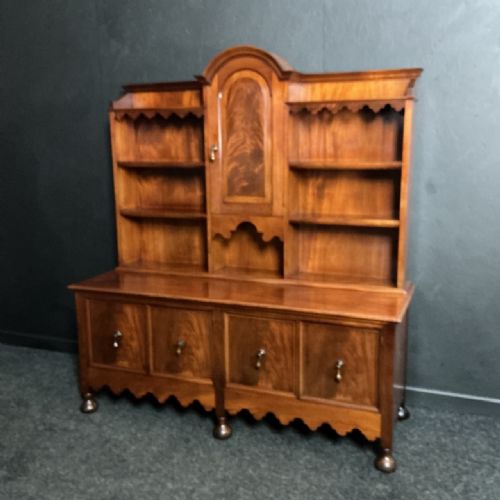
Alongside standard dressers, the selections encompass related forms like monks benches and clock dressers, each sharing the dark timber patination and utility that define the category. These utilitarian items have transitioned from working farmhouses into domestic living areas where their shelving displays ceramics and pewter.
Construction and materials
The primary material underpinning these pieces is solid oak, complemented by pine, mahogany, and flame mahogany veneers. Artisans utilised durable native hardwoods for structural integrity, often pairing heavy timber frames with softer secondary woods for interior drawer linings.
Surface hardware relies on brass fixtures and iron fittings, which secure doors and drawers while adding metallic contrast to the deep brown wood tones. Many items incorporate inlay wood details or turned legs to introduce decorative refinement to the otherwise functional carcasses.
Construction techniques visible across the period range from early pegged tenon joints to later industrial framing methods. Rack backs are frequently integrated directly into the base or secured with traditional brackets to support heavy rows of display plates.
Traditional Brown Hutch Retail Price Guide 2026
Typical asking prices for traditional brown hutch among the pieces listed under this phrase on Sellingantiques today, from the lower quarter to the upper quarter. They describe what is for sale here now, not the wider market.
Several pieces preserve original plate racks designed to hold heavy ceramic dishes upright while rural families went about their daily chores.
Judging the quality of brown hutches
Quality in these brown hutches rests upon the integrity of the timber patination and the survival of original components such as plate racks and brass handles. Pieces that retain their early surface colour and untouched hardware demonstrate greater craftsmanship and historical authenticity.
Structural proportion and regional quirks, including pot-board lower shelves or breakfront drawer arrangements, distinguish finer country workshop outputs from simpler vernacular builds. The subtlety of carved details, panel moulding, and dovetail precision further separates standard utility furniture from exceptional examples.
The Traditional Brown Hutch Glossary
- Pot-board base
- An open lower shelf beneath a dresser used historically for storing pots and pans. This platform sits directly above the floor on feet or stiles.
- Welsh dresser
- A traditional vernacular furniture form originating in Wales. It typically combines a base of drawers and cupboards with a substantial multi-tiered plate rack.
- Cwpwrdd tridarn
- A traditional Welsh three-part press cupboard. This tall piece incorporates an enclosed upper section, an open middle stage, and a base cupboard.
- Inlay wood
- Decorative contrasting timber segments inserted into the primary wood surface. This technique creates geometric or botanical patterns across drawer fronts and doors.
Traditional Brown Hutch: Frequently Asked Questions
What is the difference between a dresser and a hutch?
In British furniture terminology, a dresser combines a lower storage base with an upper open rack for displaying plates. A hutch often refers more specifically to an enclosed cupboard structure, though the terms frequently overlap in modern marketplace searches.
Traditional examples in this category lean towards open-backed plate racks paired with solid wood drawer bases. Both forms served as the main kitchen storage and display unit in historic homes.
How do I date an antique oak dresser?
Dating relies on examining construction methods, timber choice, and hardware styles. Eighteenth-century examples often feature hand-cut dovetails, pegged joints, and heavy native oak planks with deep natural patination.
Later Victorian and Edwardian pieces introduce softer pine secondary woods, machine-sawn elements, and different handle designs. Regional styles also shift over time from plain vernacular utility toward revivalist Jacobean or Georgian aesthetics.
Where should I place a large wooden dresser?
These substantial items anchor dining rooms, large kitchens, and open-plan living spaces where their height and depth can be accommodated safely. Ensure the wall behind the piece is sound if you need to secure the top rack for stability.
Keep wooden furniture away from direct heat sources and strong sunlight to protect the aged finish and prevent timber splitting. The upper shelves provide an ideal stage for displaying vintage ceramics, glassware, and pewter collections.
Are these dressers made from solid wood?
The majority of listings feature solid timbers such as oak and pine throughout the structural frame, drawer construction, and shelving. Some later or finer Victorian and Edwardian items incorporate flame mahogany veneers applied to secondary carcass woods.
Examining the drawer linings and panel edges reveals the construction methods and verifies the use of solid boards. This natural timber build accounts for the considerable weight and durability of the furniture.