

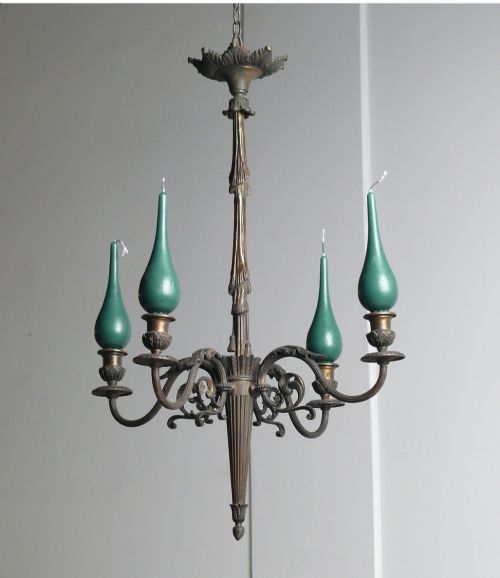
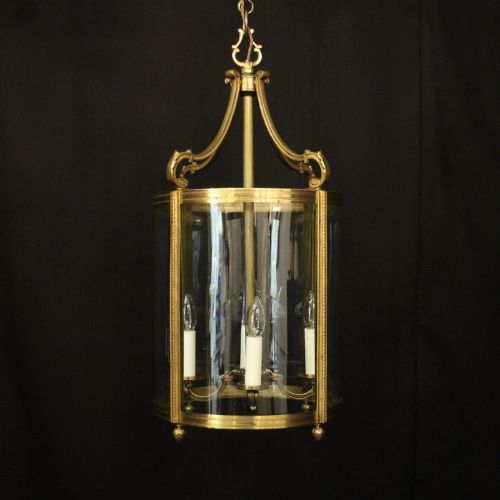
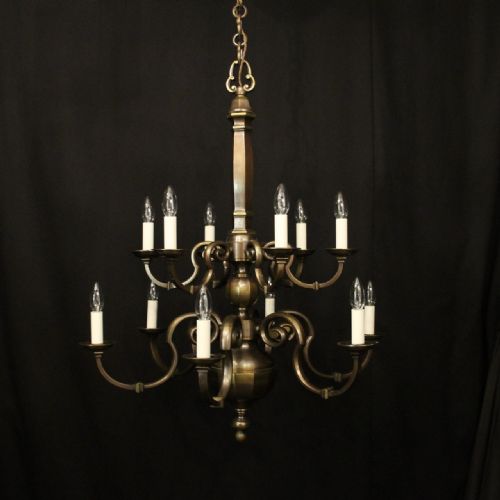
Traditional Bronze Ceiling Light
These traditional bronze ceiling light pieces bring nineteenth and early twentieth century illumination into modern spaces with heavy cast metal and glass.
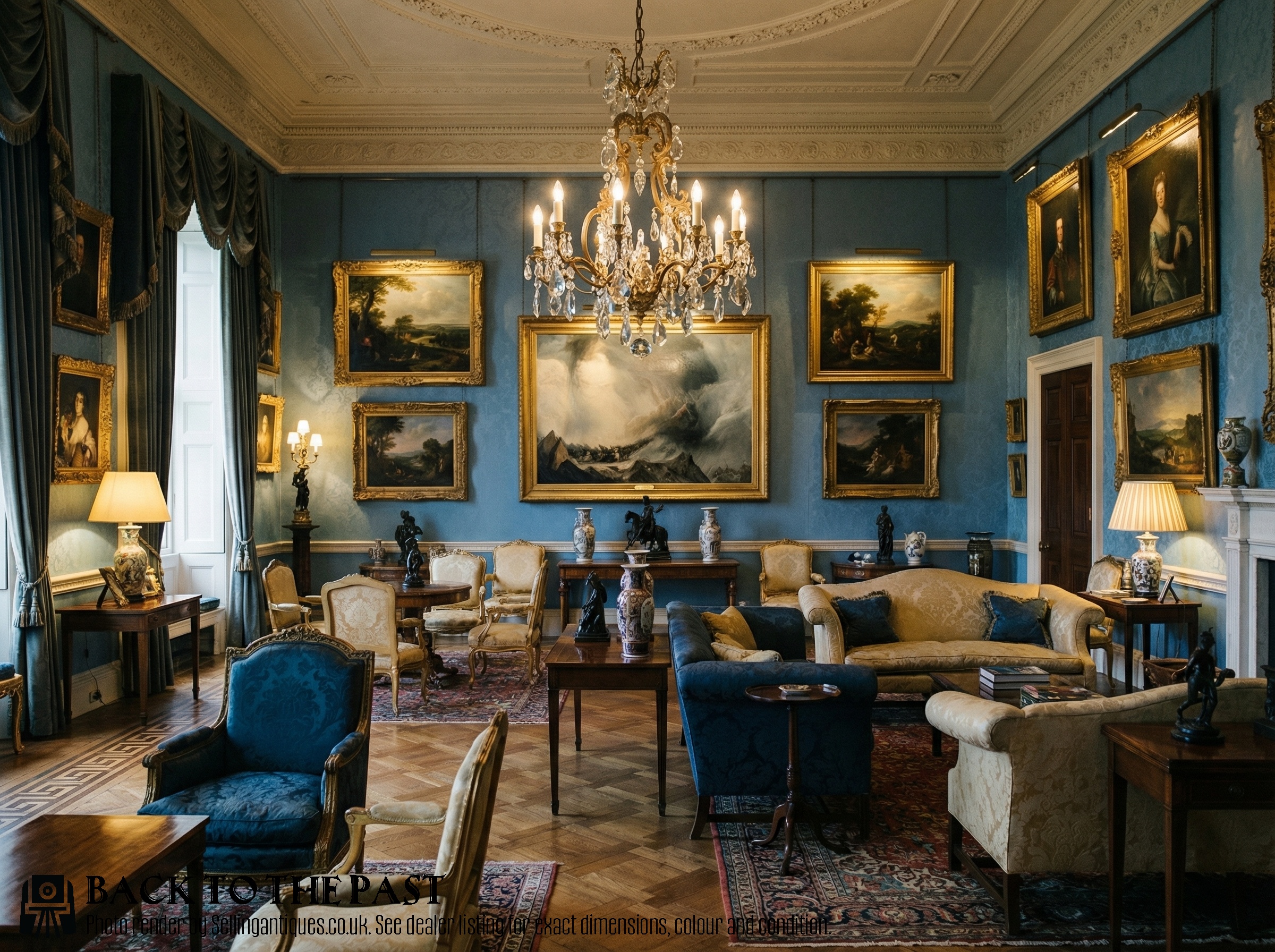
Traditional Bronze Ceiling Light
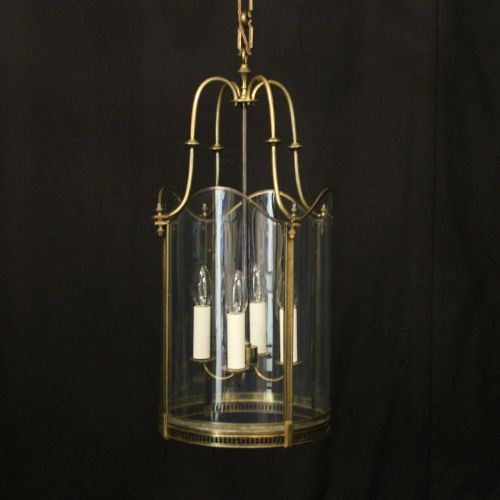
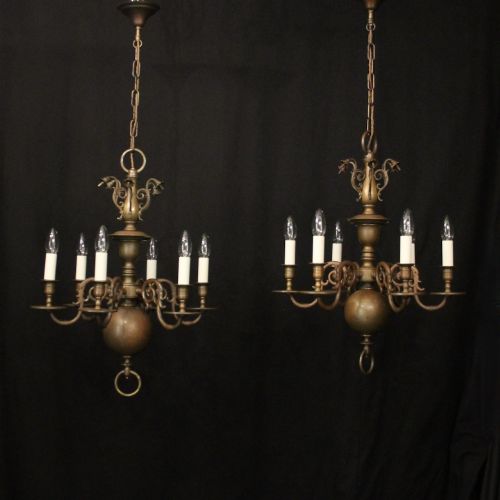
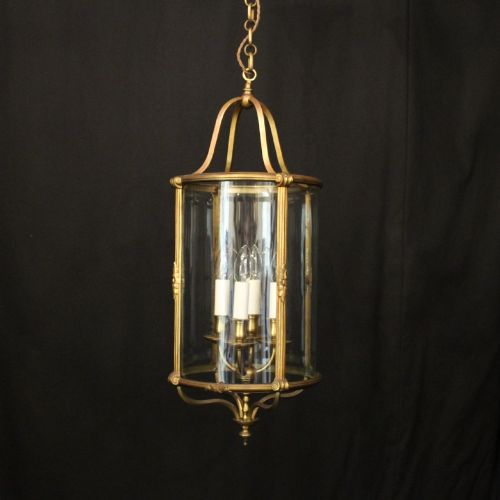
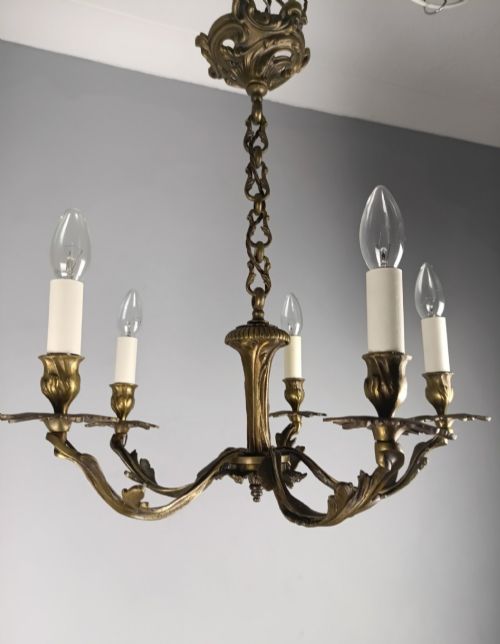
When you search for a traditional bronze ceiling light, you encounter multi-armed chandeliers, hall lanterns, and pendant lights originating mostly from French and English workshops. These fixtures span the nineteenth century through the Edwardian period and the nineteen-twenties, incorporating styles from Rococo Revival to French Neoclassical.
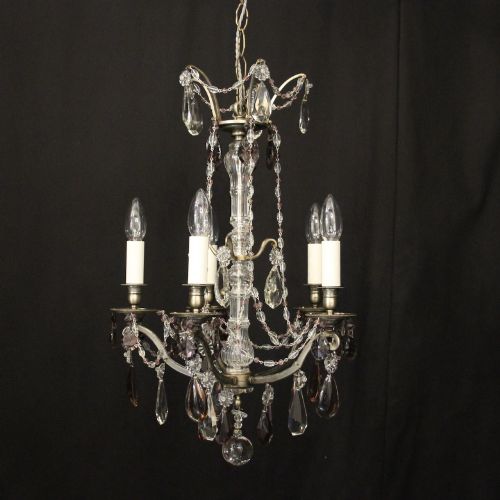
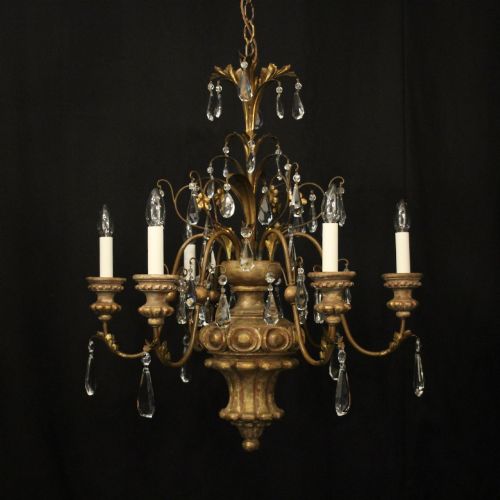
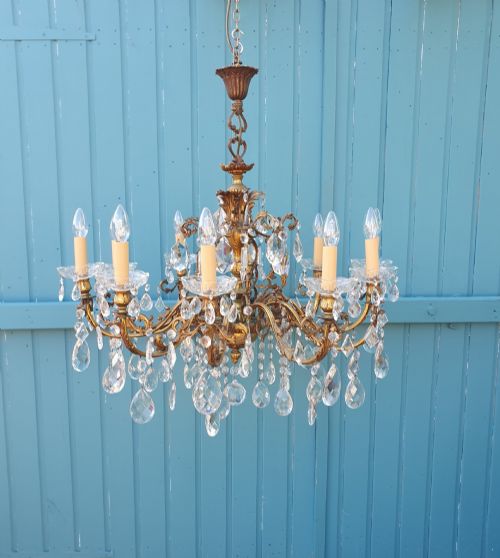
The most common examples on this page are French multi-light chandeliers and gilded lanterns featuring varying numbers of candle arms. Pieces range from modest twin-light hall lanterns up to grand sixteen-light double-tiered ballroom fixtures hung with cut crystal drops.

Materials and construction methods
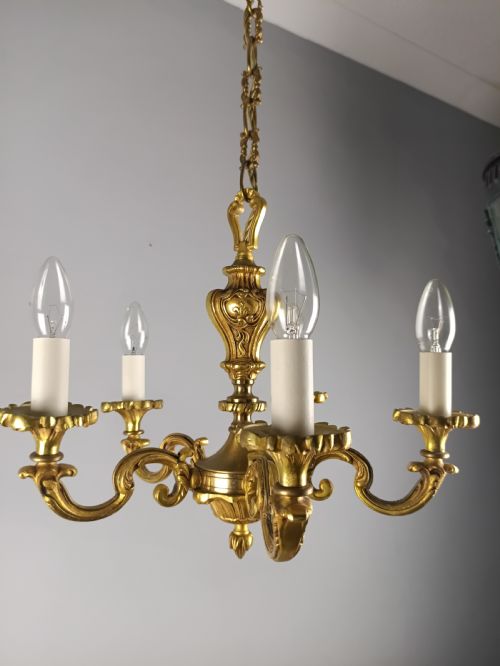
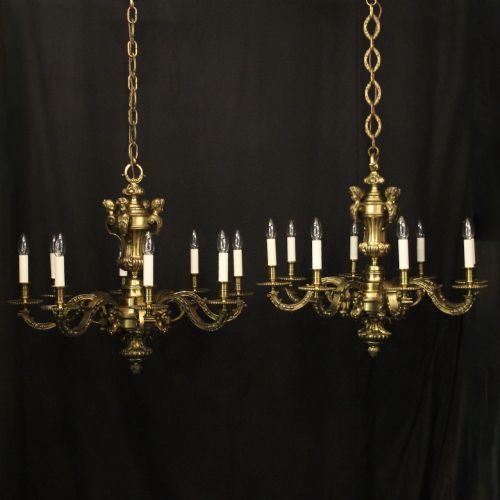
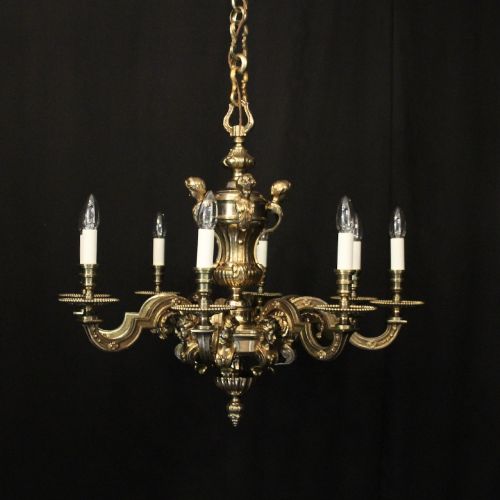
Metalwork forms the structural core of these fittings, utilising cast bronze, brass, and metal finished with gilding or silvering. Foundries cast the bronze and brass components in sections before assembling the frames with threaded rods and pins.
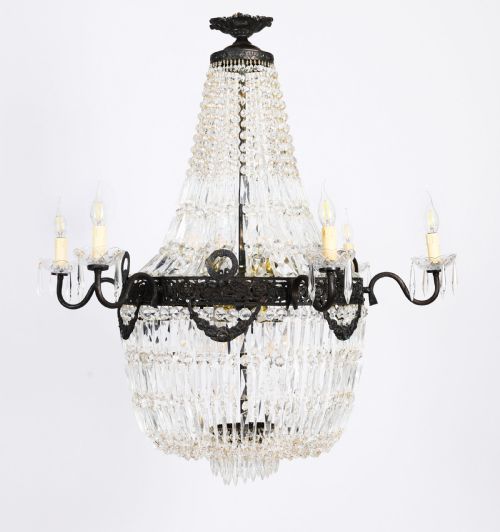
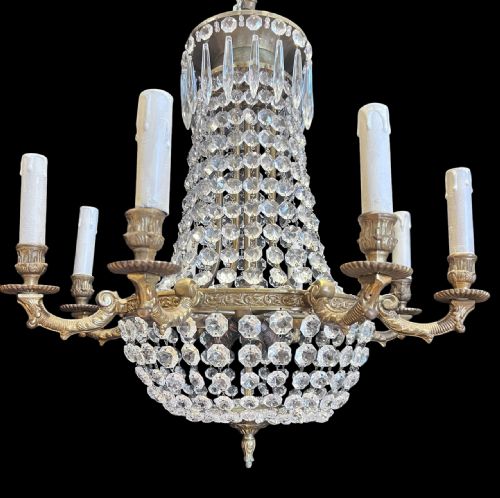
Glass elements such as bevelled panes, convex bowls, tent strands, and waterfall drops complete the assemblies. Artisans integrated these crystal and glass components to refract the light produced by the internal bulb tiers.
The listings span the Victorian and Edwardian eras into the nineteen-thirties, dominated by French chateau and Neoclassical styles.
Distinguishing quality across the range
The definition in the casting work separates standard production from superior pieces. Heavier bronze frames with crisp chisel work on the ornamentation indicate higher workshop standards than lighter stamped metal alternatives.
The integration of the glass and crystal elements dictates the overall harmony of the fitting. Superior examples employ heavy bevelled glass panels in lanterns and hand-cut crystal drops on chandeliers that catch the ambient light fully.
The Traditional Bronze Ceiling Light Glossary
- Bronze
- An alloy of copper and tin used extensively for the heavy cast frames of nineteenth and twentieth century chandeliers.
- Hall lantern
- An enclosed ceiling fixture designed specifically for entranceways and corridors, often featuring glass panels set within a metal cage.
- Tent and waterfall
- A chandelier configuration where crystal beads form an upper cone above a cascading lower section of drops.
- Gilt bronze
- Metal coated with a thin layer of gold or gold-coloured leaf, frequently termed ormolu in French pieces.
- Double tiered
- A chandelier structure featuring two distinct horizontal rings of lights arranged one above the other.
Traditional Bronze Ceiling Light: Frequently Asked Questions
How do I hang a heavy bronze chandelier?
These heavy cast metal fittings require direct attachment to ceiling joists using a steel mounting hook capable of supporting the substantial combined weight of the bronze and crystal components.
Professional electrical installation is necessary to manage the internal wiring and secure the fixture safely at your chosen height.
Can I clean the crystal drops easily?
Crystal pendants and glass panels can be cleaned in situ using a specialist spray cleaner and a soft cloth to remove dust without disturbing the delicate wire fixings.
For a thorough clean, individual drops may be unhooked and washed in warm soapy water before being dried and reattached to the bronze frame.
What rooms suit a hall lantern?
Enclosed lanterns suit entrance halls, stairwells, and landings where their directional glass panels protect the interior illumination from drafts.
Their vertical proportions make them particularly effective in spaces with high ceilings where standard multi-armed chandeliers might hang too low.
How do I date a bronze light fitting?
Dating relies on stylistic clues, such as the ornate scrolling of Rococo Revival pieces from the nineteenth century compared to the cleaner lines of nineteen-twenties designs.
Examination of the fixings, screw threads, and wiring channels also provides reliable indicators of the period of manufacture.