


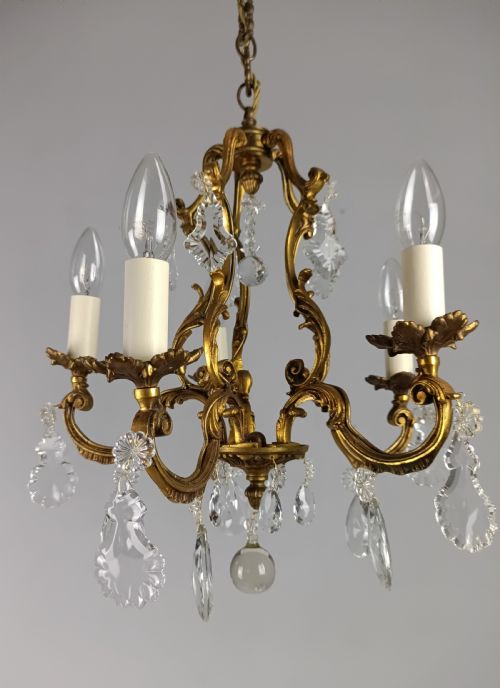

Rococo Style Ceiling Fitting
A rococo style ceiling fitting brings exuberant curves and asymmetric grace to a room through ornate metalwork and dangling crystal.
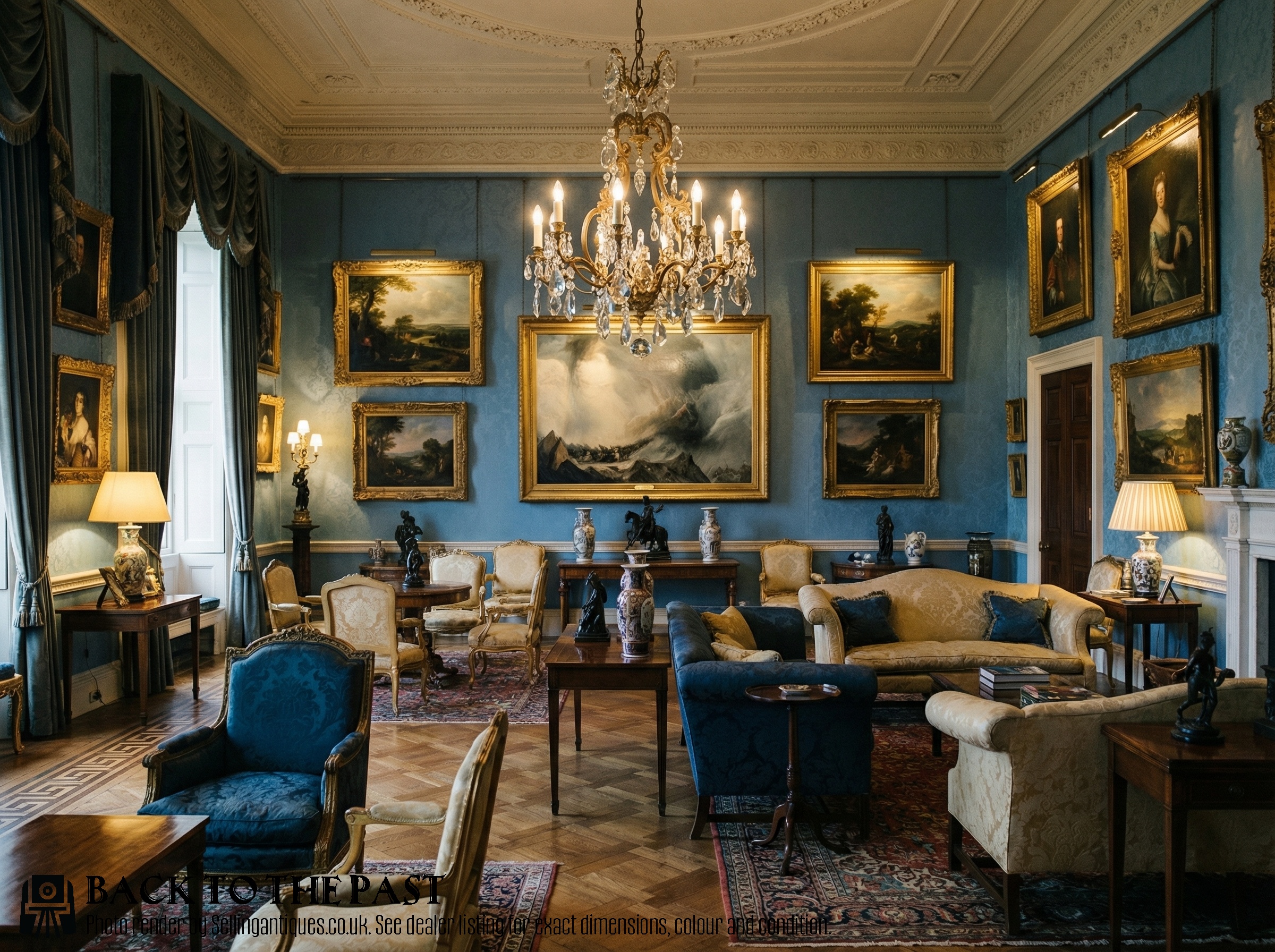
Rococo Style Ceiling Fitting
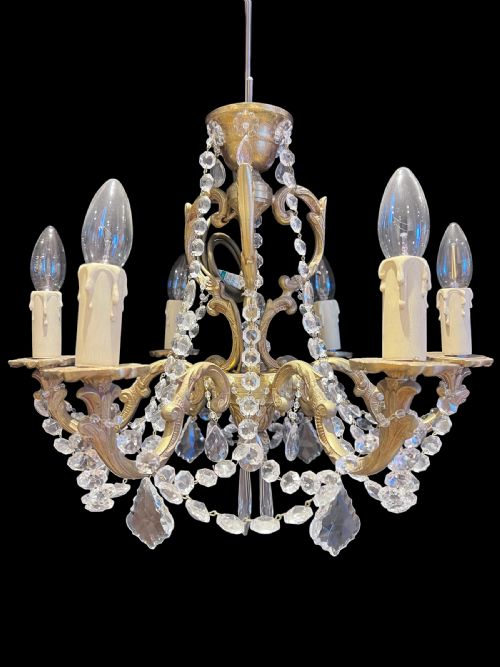
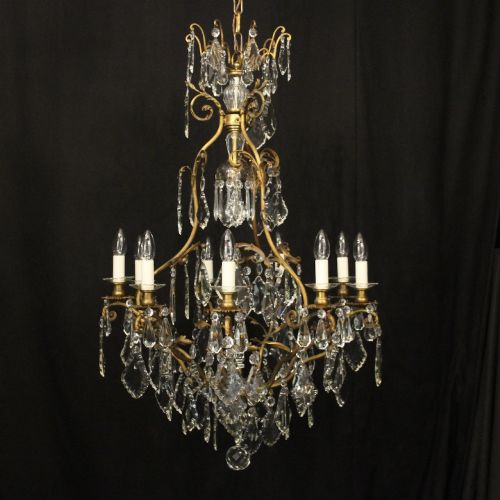
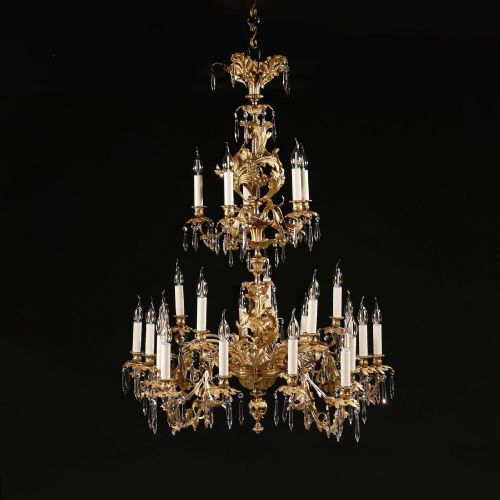
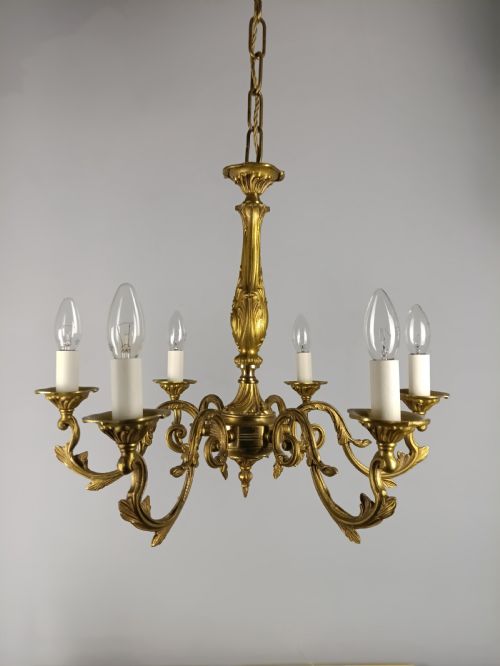
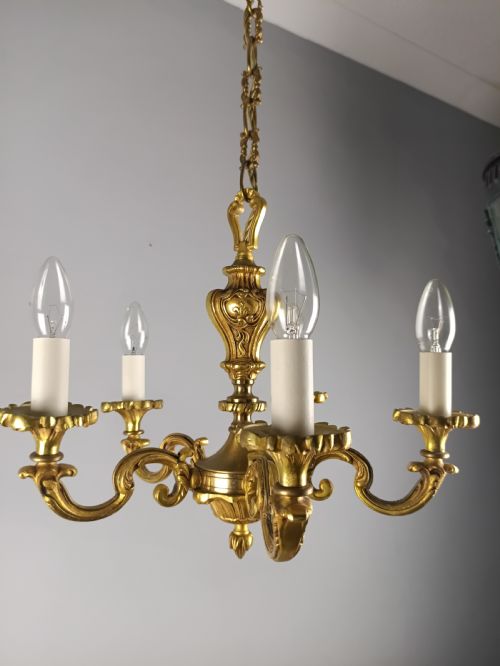
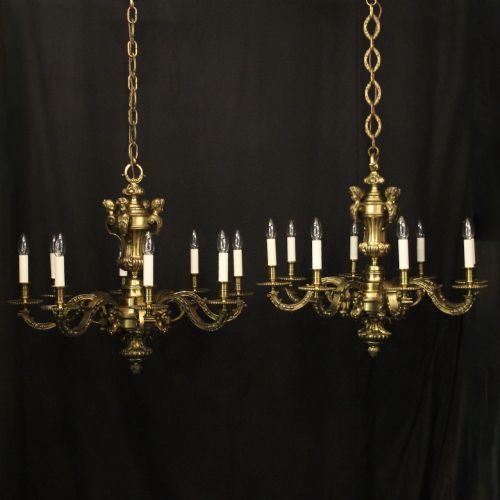
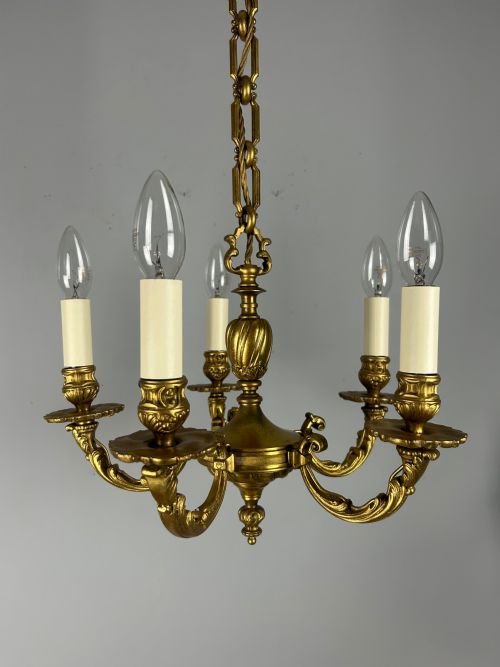
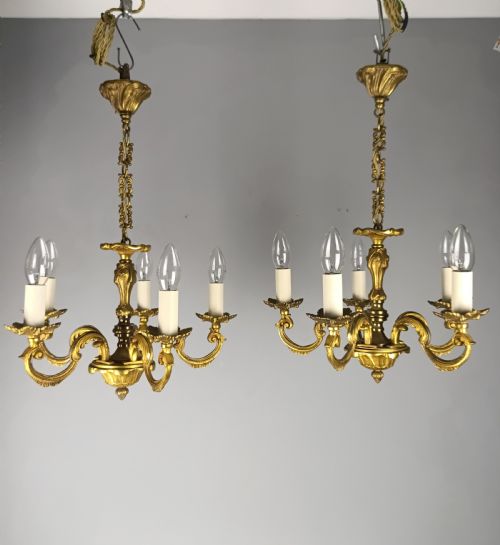
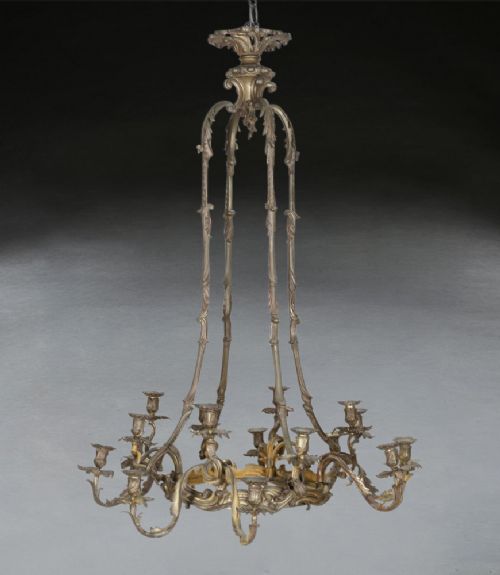
When you search for a rococo style ceiling fitting, you encounter substantial multi-light chandeliers and occasional hall lanterns configured for domestic illumination. These pieces take the form of cage fixtures, tiered multi-arm arrangements and single-tier lights designed to command the centre of a reception room.
The objects span periods from the eighteenth century through to the early decades of the twentieth century, with a strong representation of nineteenth-century revival pieces and 1930s interpretations. French origins dominate the selection, accompanied by notable Italian examples in carved giltwood and gilded bronze.
Materials and construction
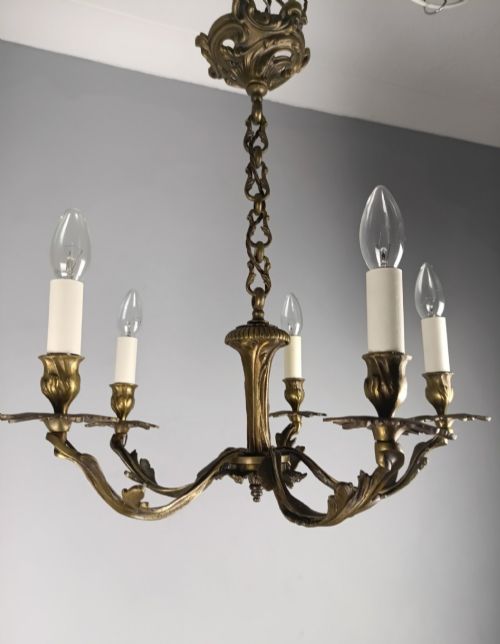
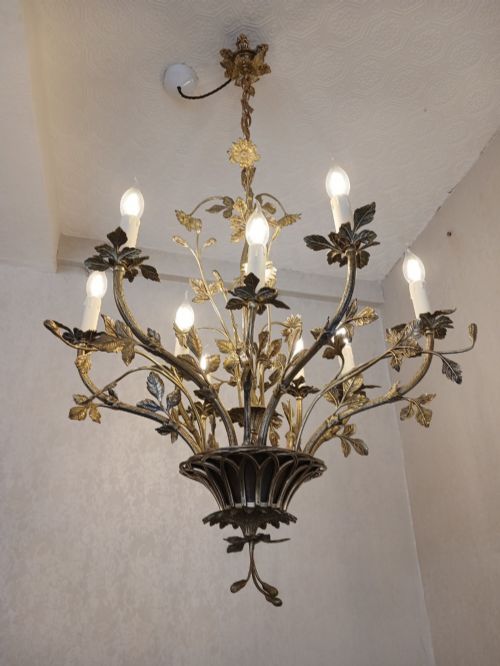
The structural framework relies on cast and chased bronze, brass, wrought iron or carved wood, frequently finished with gilding or silvering. Metal arms branch outwards to support numerous candle or electric light points, often numbering from three up to twenty-five.
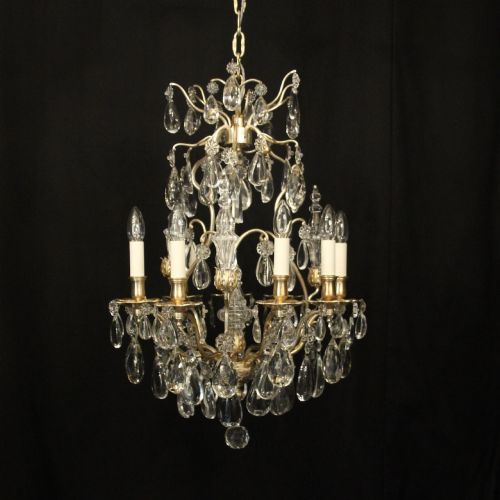
Cut crystal drops, beads and pendants are suspended from the brass and bronze armature to refract the light. Complex assemblies combine gilt metal with moulded glass components, particularly within cage-style configurations and double-tiered designs.
Listings feature pieces spanning the eighteenth, nineteenth and twentieth centuries, constructed from brass, bronze, giltwood, wrought iron and cut crystal.
Judging quality and execution
Quality reveals itself in the crispness of the bronze chasing and the depth of the original gilding, where finer castings display sharp botanical motifs and fluid scrollwork without surface blurring. The weight and clarity of the cut crystal drops further distinguish superior examples from standard commercial production.
Structural complexity also marks the hierarchy of these fixtures, separating simple single-tier brass frames from elaborate double-tiered creations featuring numerous lights and intricate glasswork.
The Rococo Style Ceiling Fitting Glossary
- Ormolu
- Gilded bronze used extensively in French metalwork. The technique involves applying a gold amalgam to a bronze base before heating.
- Cage chandelier
- A lighting fixture featuring an internal metal framework enclosed by glass rods and strings of crystal beads. This form protects the candleholders and enhances light reflection.
- Electrolier
- A light fixture designed specifically for electricity rather than candles or gas. These pieces date primarily from the late nineteenth century onwards.
- Giltwood
- Timber that has been coated with a thin layer of gold leaf. It appears frequently on Italian and French carved frames.
Rococo Style Ceiling Fitting: Frequently Asked Questions
How do I hang a heavy antique chandelier?
These large metal and crystal fixtures require secure anchoring into ceiling joists using rated steel fixings. Professional installation ensures the weight of multi-tier bronze frames is properly supported.
Wiring must also be inspected and adapted to meet current electrical standards while preserving the original internal channels of the brass or bronze arms.
What rooms suit a large multi-light chandelier?
Grand proportions and high ceilings allow multi-light fixtures with extensive crystal drops to perform effectively. Reception rooms and formal dining spaces provide the necessary scale for fittings with ten or more lights.
Smaller rooms accommodate compact cage chandeliers or fixtures with three to five lights without overwhelming the interior architecture.
How do I clean crystal drops safely?
Pendants and beads should be washed individually using warm water and a mild solution rather than harsh chemical sprays. Leaving the drops attached to the frame risks damaging the delicate brass or bronze wiring.
Careful drying with a lint-free cloth restores the refractive quality of the cut glass without disturbing the surrounding metalwork.
How can I distinguish revival pieces from older work?
Nineteenth-century and 1930s revival pieces adopt Louis XV and eighteenth-century motifs while utilising manufacturing techniques typical of their actual period of production. Examining the construction joints, fixings and patination helps clarify the true age.
Stylistic markers such as asymmetric scrollwork appear across multiple eras, making material analysis essential for accurate dating.