


Traditional British Rural Art
Traditional British rural art captures nineteenth and early twentieth-century countryside scenes in oil and watercolour, bringing heritage and calm landscapes into your home.
Traditional British Rural Art
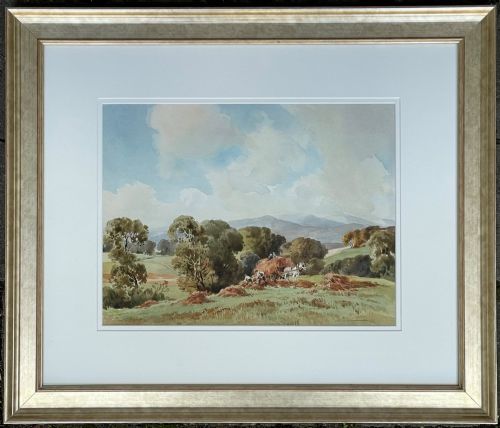
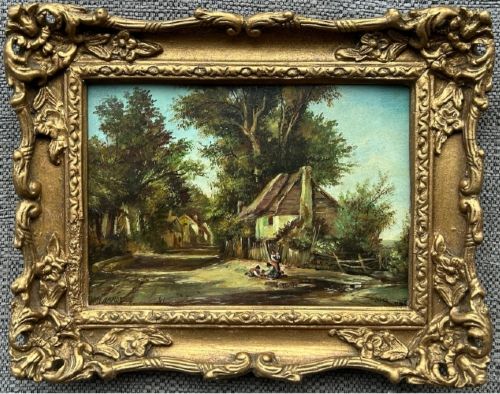
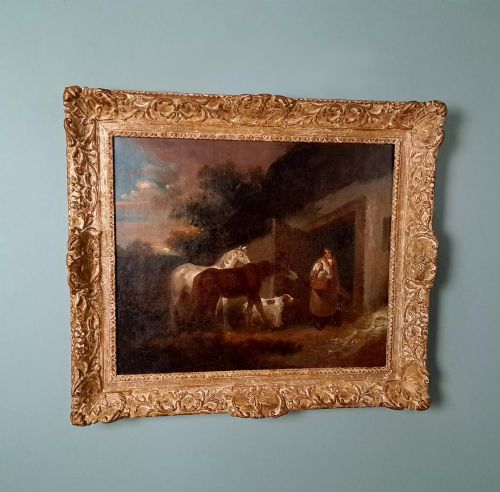
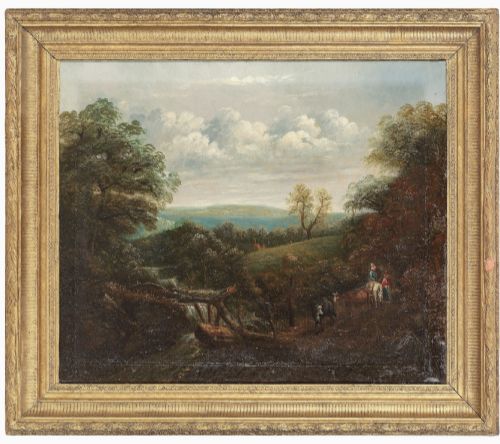
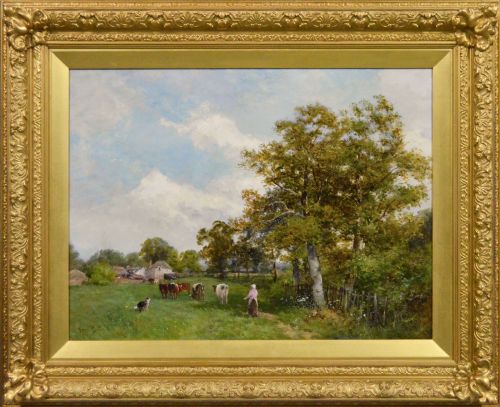
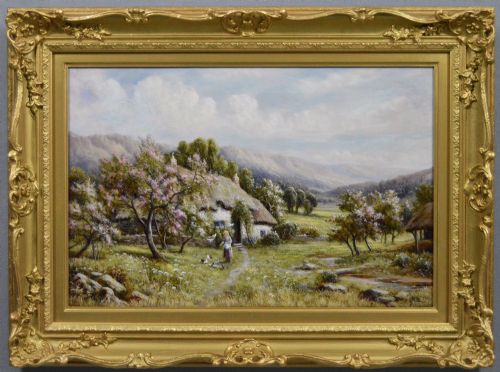
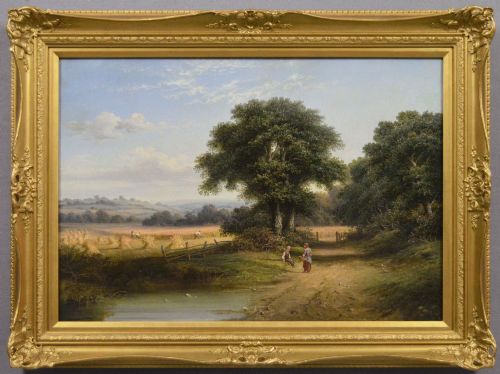
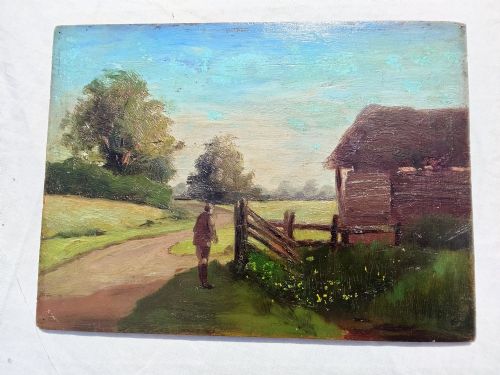
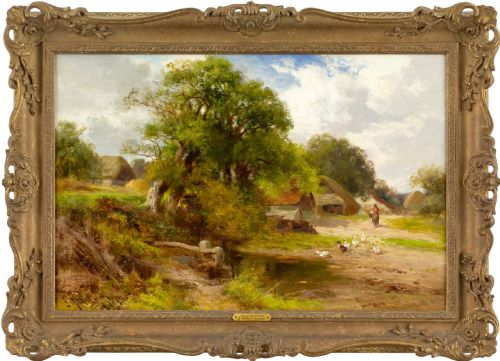
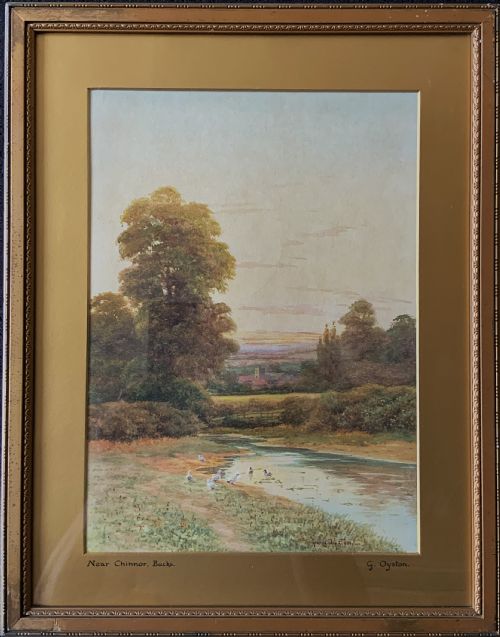
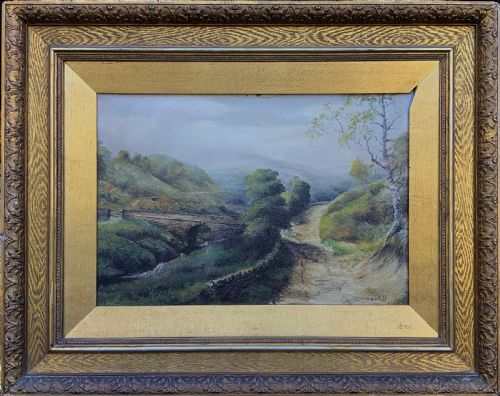
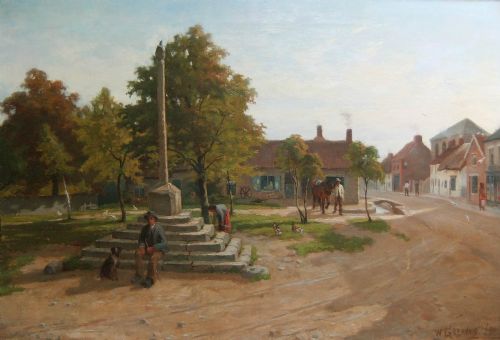
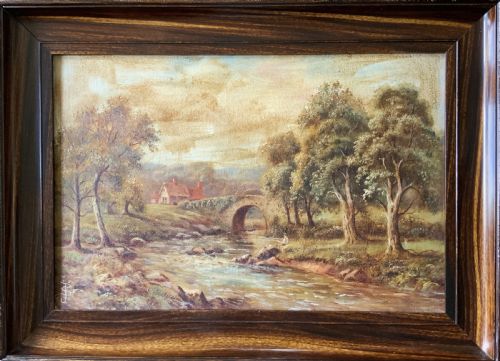
Traditional british rural art comprises framed oil paintings and watercolours depicting pastoral scenes, country cottages, farming life, and rivers. These works concentrate heavily on the nineteenth century, Victorian, and Edwardian eras, capturing agrarian life across English and Welsh counties.
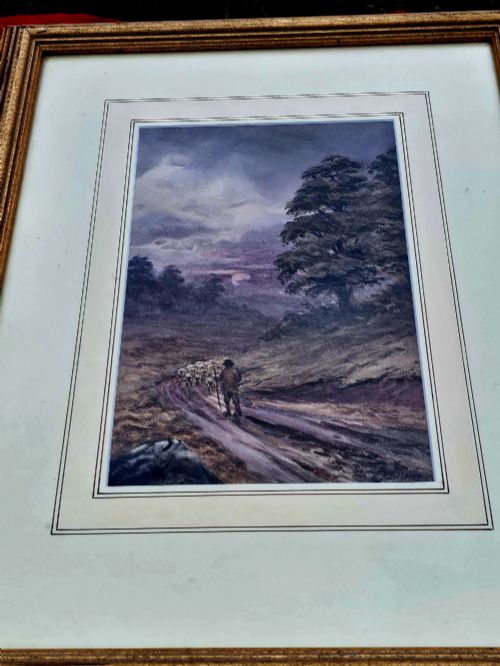
You will frequently encounter canvas works and wooden panel paintings alongside delicate watercolours on paper. The subjects range from shepherds driving flocks and harvesters gathering crops to quiet village paths and rural streams.
Regional British schools, including the Norwich School and various English landscape traditions, shape these pieces. The focus remains steadfastly on the countryside, documenting historical rural topography through traditional media.
Materials and techniques
Artists relied primarily on oil paint applied to canvas or wooden board, or watercolour pigment brushed onto paper. These materials allowed painters to render natural light, atmospheric weather conditions, and detailed textures of foliage and thatch.
Brushwork varies from the tight academic realism of the Victorian period to looser applications associated with British Impressionism. Framing typically involved period wooden mouldings that complemented the earthy palettes of greens, browns, and golds.
Sheep appear with astonishing frequency across these fields, seemingly determined to remain the true stars of British rural art.
Judging quality in rural art
Quality rests upon the artist's command of light, composition, and atmospheric depth rather than mere subject matter. Stronger works convey authentic movement in figures and animals, whereas lesser pieces rely on rigid formulas and static compositions.
The handling of natural elements like water, skies, and foliage distinguishes accomplished regional painters from minor amateurs. Original framing, clear provenance, and strong condition of the canvas or paper surface elevate the standing of a piece.
George Graham·Percy Lancaster·William Howard Hardy·David Bates·Robert John Hammond·Walter Heath Williams·John Horace Hooper·George Oyston·Sydney Yates Johnson·Owen Bowen·Henry Charles Fox·William Henry Mander·Herbert Royle·Reginald Grange Brundrit·Fred Lawson·Henry John Yeend King·William Hoggatt·William Sydney Cooper·James Orrock·Henry John Boddington·William Greaves·John Atkinson·Robert Winchester Fraser·James William Booth·William Langley
The Traditional British Rural Art Glossary
- Oil on Canvas
- Pigment mixed with drying oil applied to stretched woven fabric. This medium dominated nineteenth-century landscape painting for its durability and rich colour depth.
- Watercolour
- Paint consisting of water-soluble pigment on paper. Artists utilised this medium to capture soft light and transient weather across rural vistas.
- Norwich School
- The first provincial art movement in Britain, centred around East Anglian landscape painters. Members focused on local scenery and everyday rural subjects.
- Genre Painting
- The pictorial representation of scenes from everyday life. These works depict ordinary people engaged in farming, fishing, or domestic labour.
- British Impressionism
- A late nineteenth and early twentieth-century painting style. Practitioners embraced plein-air observation and broken brushstrokes to capture modern light effects.
Traditional British Rural Art: Frequently Asked Questions
What periods do these paintings date from?
The selection spans from the late eighteenth century through the Victorian and Edwardian eras into the mid-twentieth century. Most examples cluster around the nineteenth century and the early decades of the 1900s.
Artistic styles transition from detailed Victorian realism towards lighter British Impressionist interpretations of the countryside during this timeframe.
How should I care for antique watercolours?
Watercolours on paper require protection from direct sunlight to prevent fading of the pigments. Framing with acid-free mounts and conservation glass ensures the paper remains stable over decades.
Keep these works away from damp environments like kitchens or unheated rooms to avoid foxing and paper deterioration.
What subjects are most common?
Common subjects include agricultural labour such as hay cutting, harvest fields, and herding sheep or cows along country lanes. Cottages, rivers, and pastoral valleys also feature prominently across the collection.
These scenes document traditional rural trades and landscapes that existed before modern industrial expansion changed the British countryside.
How do I identify a regional school?
Regional schools often focus on specific geographic areas, such as Yorkshire valleys, Welsh landscapes, or East Anglian rivers. Signatures, titles written on the reverse, and exhibition labels frequently point to the artist's local connection.
Stylistic traits and handling of local topography further link paintings to defined British art communities.