
Traditional British Oil Art
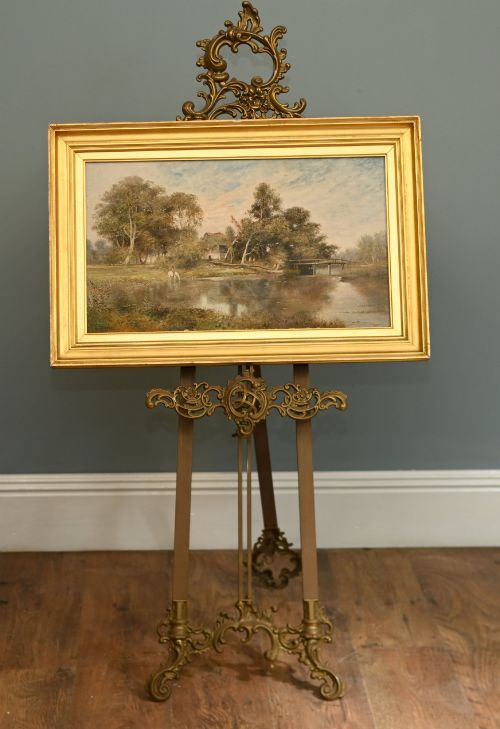
Traditional british oil art brings domestic pastoral scenes, animal portraits and coastal views into a room through pigment laid on canvas or wood.
Traditional British Oil Art
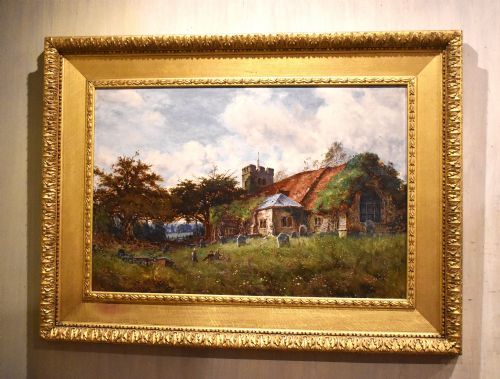
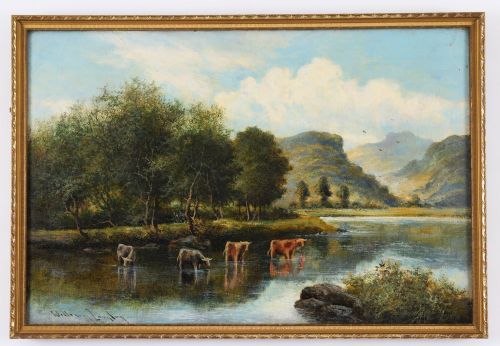
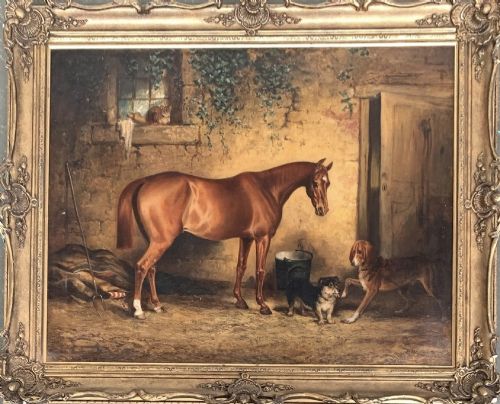
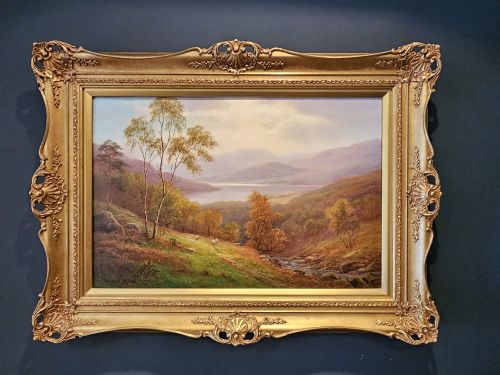
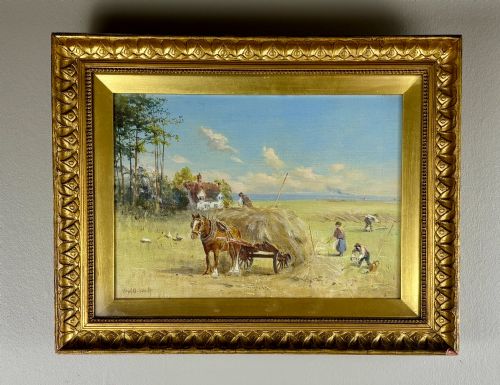
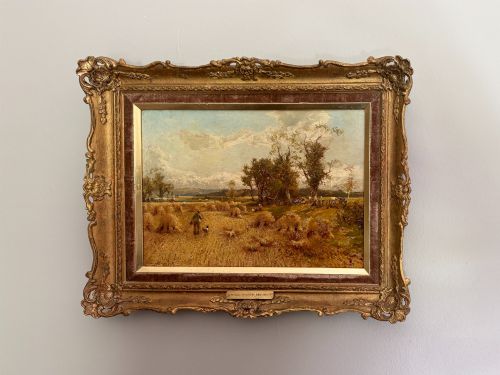
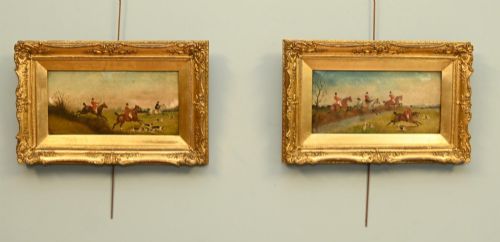
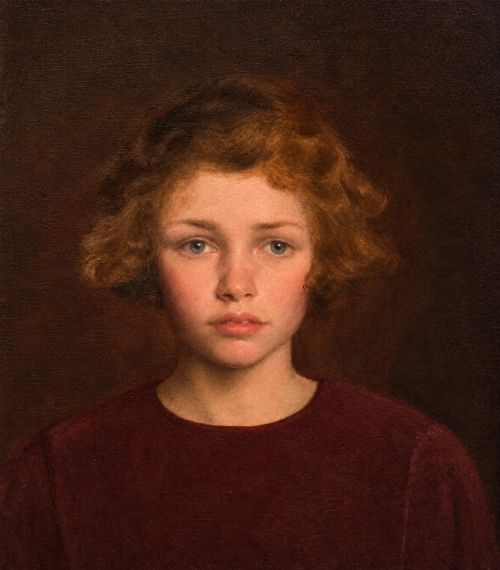
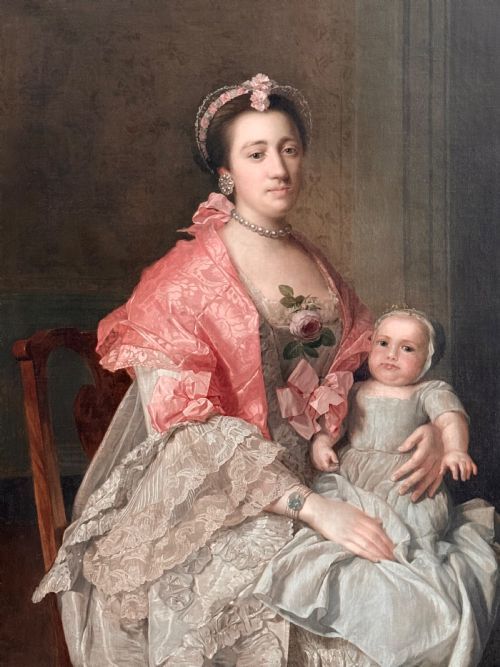
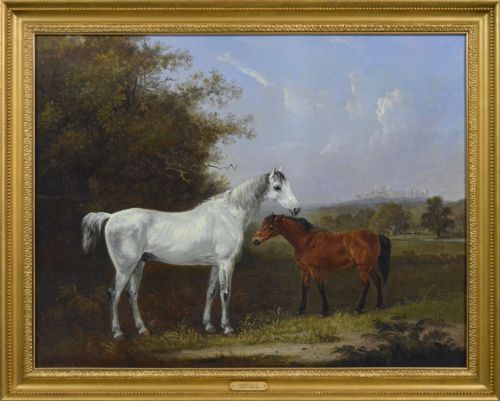
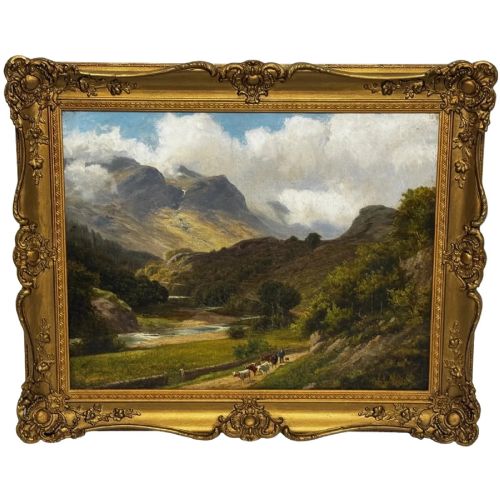
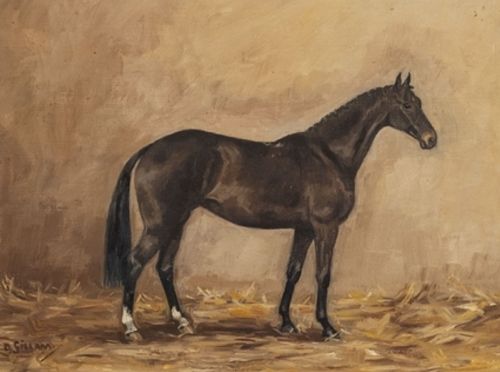
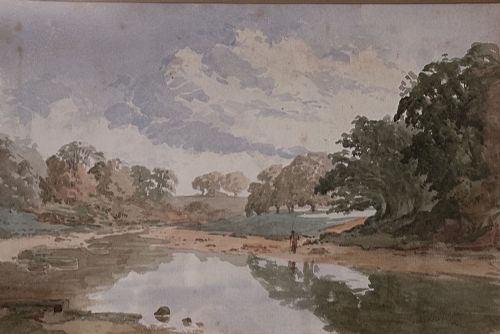
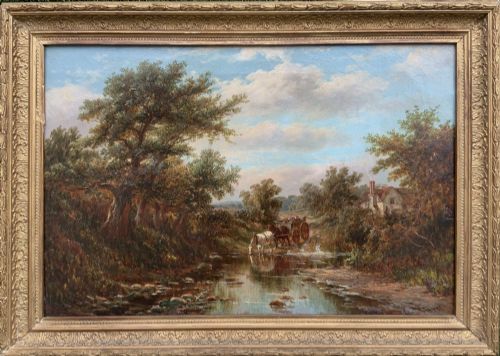
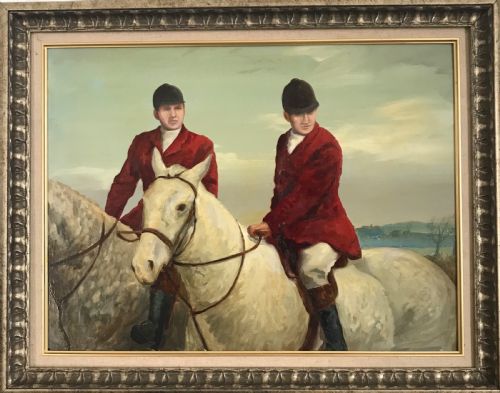
Traditional british oil art encompasses paintings executed in oil paint on supports such as canvas, wood panels and wooden boards across the nineteenth and twentieth centuries. These works frequently depict rural landscapes, livestock, portraits, sporting subjects and maritime views.
The pieces on this page lean heavily into Victorian and Edwardian aesthetics, alongside representations from the British Impressionism and British Folk Art movements. Common subjects range from Scottish highland vistas and woodland paths to detailed studies of horses, cattle and dogs.
Works appear both signed by named artists from the British School and attributed to anonymous hands working within regional traditions. Frames typically consist of period giltwood or gilt wood matching the age of the painting.
Materials and construction
Traditional british oil art relies upon oil paint applied to stretched canvas or rigid wooden panels using traditional brushwork techniques. Painters of these periods prepared their supports with grounds to receive the pigment layers, building depth through successive applications of oil media.
Framing forms an integral part of these pieces, utilising carved and gilded wood known as giltwood or gilt wood to house the canvas or panel. The construction methods reflect studio practices of the nineteenth and early twentieth centuries, prioritizing durable supports.
Several canvases capture racing pigeons and prize shorthorn bulls taking pride of place alongside human portraits.
Judging quality in oil paintings
Quality in traditional british oil art rests upon the confidence of the brushwork, the handling of light and shadow, and the anatomical accuracy of figures or animals. Superior works demonstrate deliberate composition and atmospheric depth rather than mechanical repetition of scenery.
The preservation of the original paint surface and the integrity of the support dictate the standing of a piece. Original giltwood frames that match the period of the painting elevate the overall character of the work.
William Oliver·Richard Sebastian Bond·Tom Campbell·William Howard Hardy·John Horace Hooper·William Joseph Shayer Senior·Alfred Fontville de Breanski Jr·Edward Mills·Thomas Barker of Bath·Thomas W Lascelles·David Bates·Thomas Smythe·Albert Clark·Robert John Hammond·Walter Heath Williams·Thomas Creswick·Stephen Pearce·George Wright·William Albert Clarke·Carl Whitfield·Ernest Payne·Delapoer Downing
The Traditional British Oil Art Glossary
- Canvas
- A heavy woven fabric stretched across a wooden frame to serve as a support for oil paint. It provides a flexible and textured surface that responds to the tension of the stretcher bars.
- Giltwood
- Wood that has been coated with a thin layer of gold leaf or gilt. This material is standard for period frames accompanying nineteenth-century paintings.
- Wood panel
- A rigid flat piece of timber utilised as an alternative to canvas for painting. Panels offer a stable surface that prevents the cracking often found in aged fabric supports.
- British School
- A designation for artists working within Britain whose specific identities remain unknown or collective. It links stylistic traditions to regional academies and teaching methods.
Traditional British Oil Art: Frequently Asked Questions
What periods do these paintings cover?
The selection spans from the late eighteenth century through the Victorian and Edwardian eras into the mid-twentieth century. Most examples cluster around the nineteenth century and the early nineteen-hundreds.
Specific dates depend on the individual artist and stylistic markers associated with British painting traditions of those decades.
Are these paintings supplied with frames?
Many works retain their original or period-appropriate frames, often constructed from giltwood or gilt wood. These frames complement the era of the canvas.
Listing details indicate whether a painting is housed in a period frame or offered unframed.
What subjects are most common?
Landscape scenes featuring woodlands, rivers and coastal views dominate the selection. Animal portraits, particularly horses, cattle and sporting dogs, also appear frequently alongside human figures.
Subjects reflect rural British life and topographical interests popular during the Victorian period.
How do I identify the artist?
Signatures, monograms or inscriptions on the front or reverse of the canvas or panel provide direct attribution. Documentation or attribution to the British School applies when no signature is present.
Stylistic comparison with known works helps establish the hand behind unsigned pieces.