
Traditional Brass Hall Light
A traditional brass hall light brings warm illumination and period character to an entryway, drawing the eye upwards as guests step inside.
Traditional Brass Hall Light
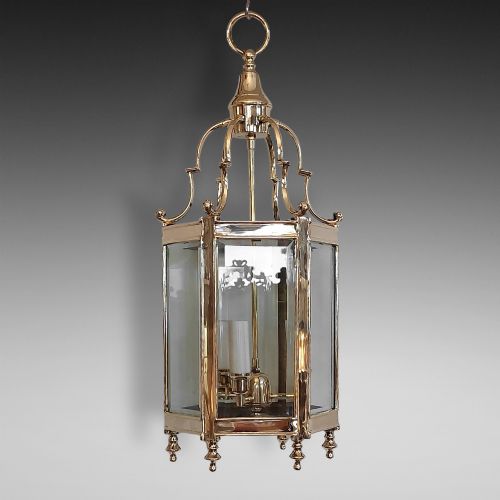
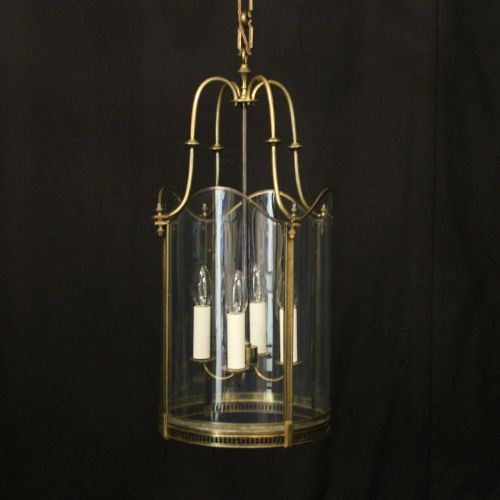
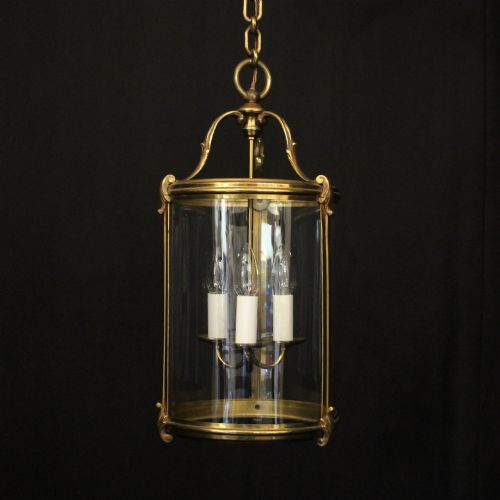
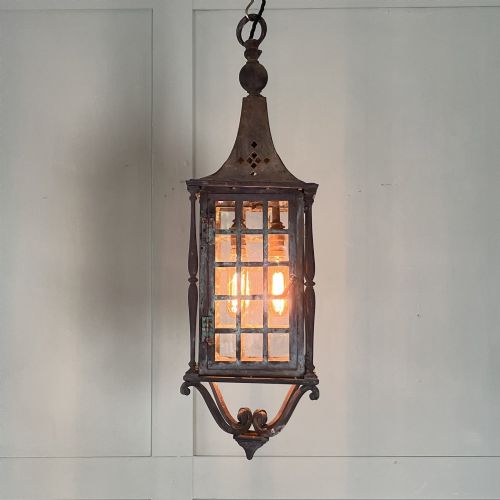
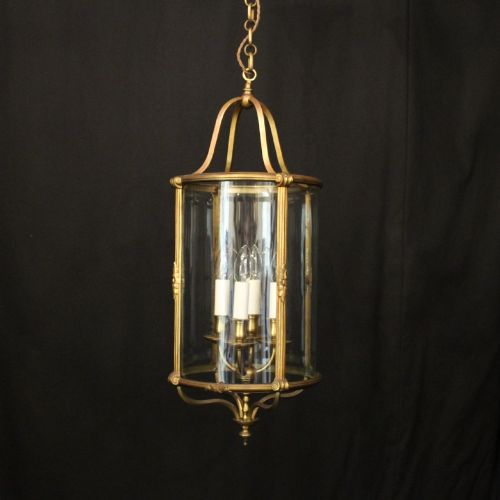
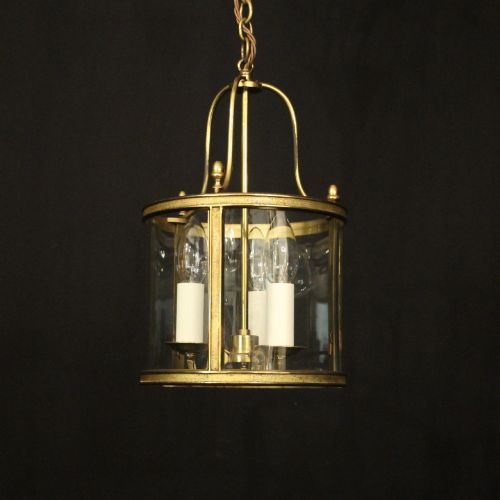
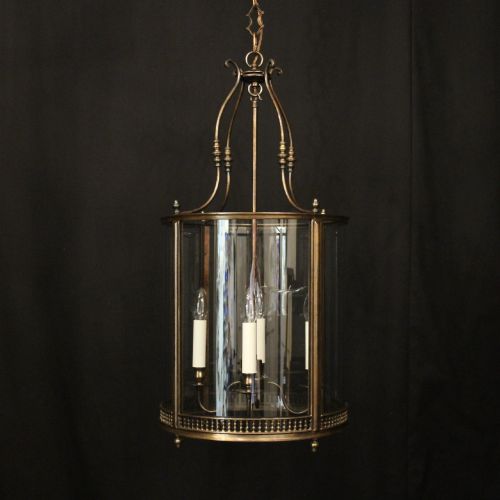
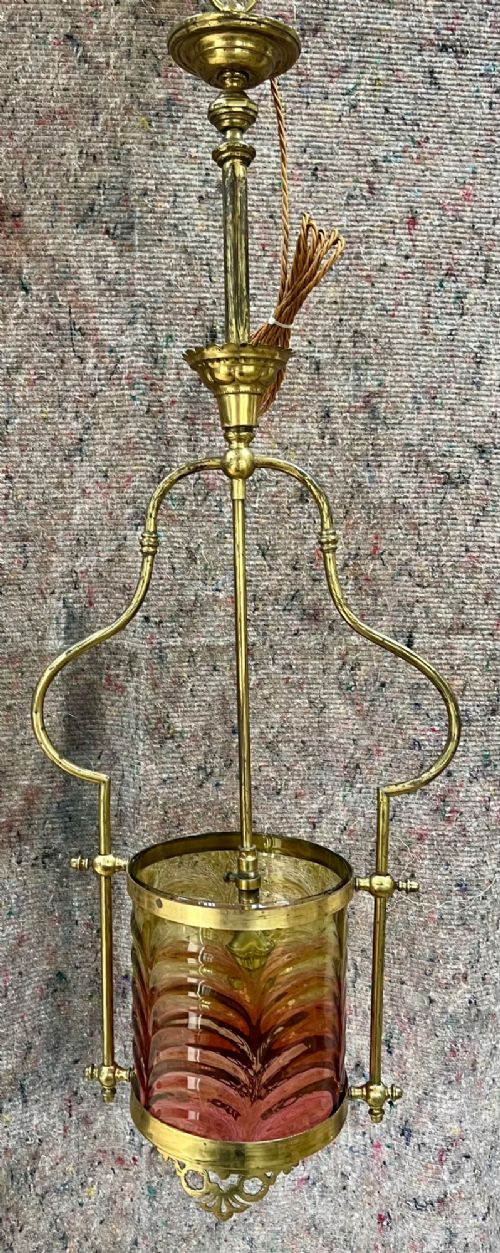
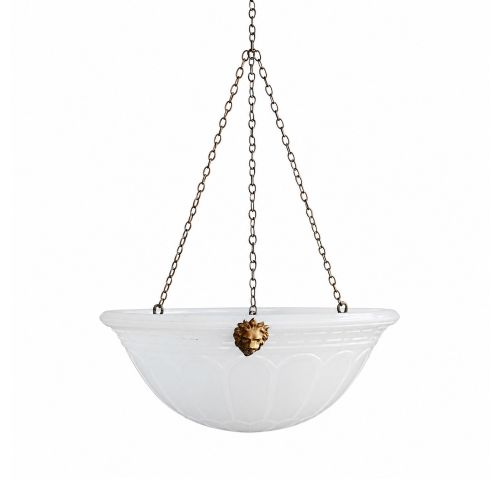
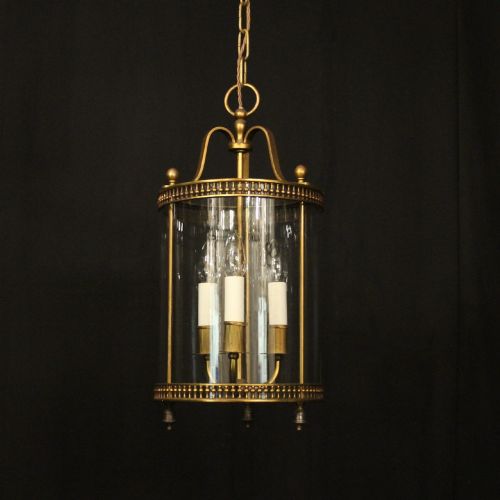
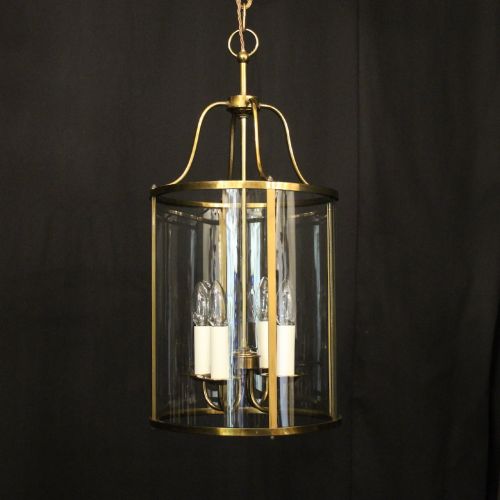
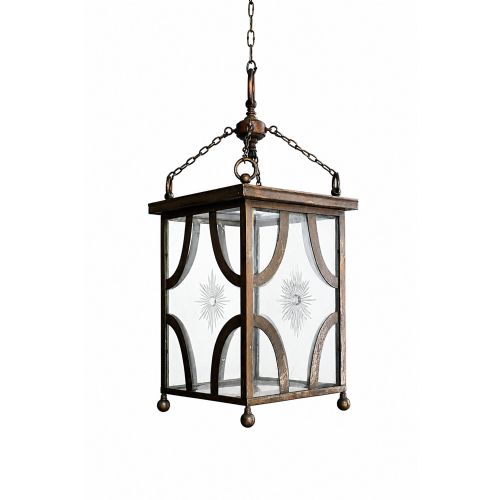
A traditional brass hall light comprises hanging lanterns, pendant lights, and ceiling lights designed specifically for corridors and vestibules. These fixtures emerge from periods spanning the Victorian and Edwardian eras into the early twentieth century.
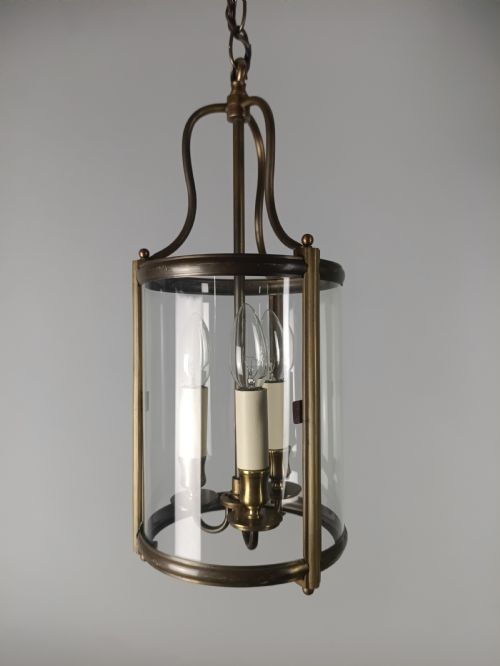
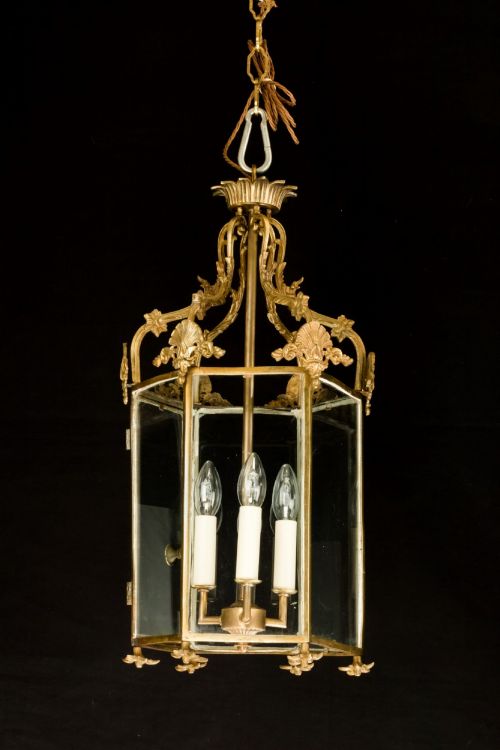
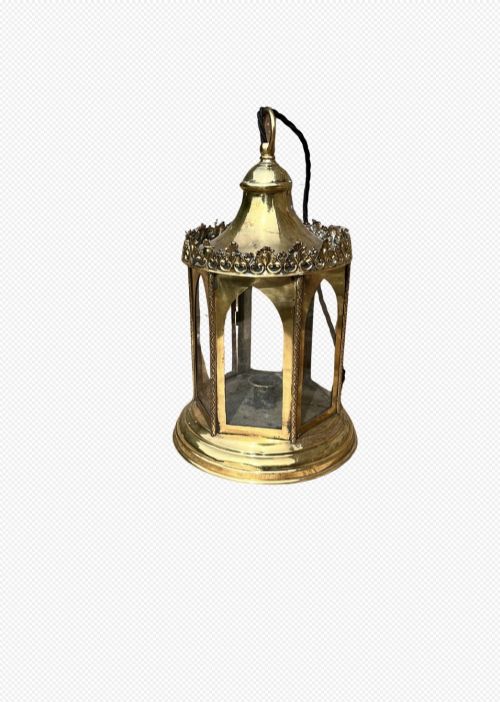
Hexagonal and convex glass forms dominate the selection, often framed in brass, bronze, or gilded metal. English and French designs appear frequently, ranging from simple utilitarian shapes to elaborate multi-light fittings.
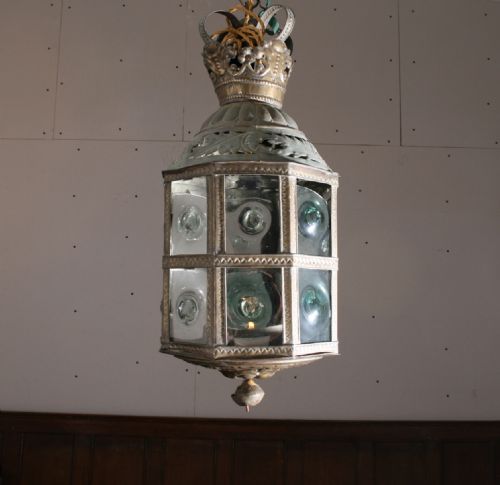
Buyers will encounter fixtures equipped with bevelled glass, cut glass, and hand-blown bullseye panes. Such fittings provide both functional illumination and a distinct architectural presence in narrow spaces.
How they were made
Metalworkers constructed the frames using cast and sheet brass or bronze, sometimes applying a layer of gilt for enhanced reflection. These structural elements house panes of glass secured by traditional glazing techniques.
Glassmakers produced specialised components such as convex, bevelled, and hand-blown bullseye panes to refract light effectively within confined hallways.
Materials across the selection combine brass, bronze, and various forms of glass, spanning the Victorian, Edwardian, and early twentieth-century periods.
What varies in quality
The substance of the frame separates standard production from superior pieces, with heavier cast bronze and thick gilded brass maintaining structural integrity over decades. Subtleties in metal finishing and the crispness of casting detail also mark out better work.
Glass selection dictates how light diffuses through the space, distinguishing simple flat panes from complex bevelled edges and heavy convex lenses.
The Traditional Brass Hall Light Glossary
- Convex glass
- Curved glass panels that project outward to diffuse light across a wider angle. This technique appears frequently in French and English hall lanterns.
- Bevelled glass
- Glass panes featuring angled edges ground and polished to create prismatic light effects. Such detailing signals higher craftsmanship in period lighting.
- Bullseye glass
- Circular glass with a prominent centre distortion left by the glassblowing process. It adds texture and historical authenticity to simpler lantern designs.
- Gilded bronze
- Bronze metal treated with a thin layer of gold leaf or gilt wash. This finish resists tarnish and enhances the warm glow of the fixture.
- Hexagonal lantern
- A hanging light fixture constructed with six distinct side panels. This geometric form provides balanced illumination in narrow entryways.
Traditional Brass Hall Light: Frequently Asked Questions
How high should I hang a hall lantern?
Hang the fixture to ensure adequate clearance beneath for people walking through the entrance. In tall hallways, position the bottom of the light above the door frame.
Shorter corridors benefit from flush or semi-flush suspension to maintain proportion and clear sightlines.
Are these lights suitable for low ceilings?
Many Edwardian and Victorian designs feature compact drops suited to standard ceiling heights. Selecting a shorter chain or flush-mounting option prevents the fixture from dominating the space.
Hexagonal and round lantern shapes distribute light efficiently without requiring excessive downward extension.
How do I identify an Edwardian lantern?
Edwardian pieces often display cleaner lines and lighter metal framing compared to heavy Victorian counterparts. Arts and Crafts influences frequently appear alongside traditional geometric forms.
Date attribution relies on construction methods, hardware types, and glass-cutting styles characteristic of the early twentieth century.
Can I use modern LED bulbs in these?
Modern LED lamps fit easily into electrified period fittings provided the internal lampholder matches standard sizing. Choose warm white colour temperatures to replicate the soft glow of historic lighting.
Consult a qualified electrician to check the internal wiring before installing any antique fixture.