

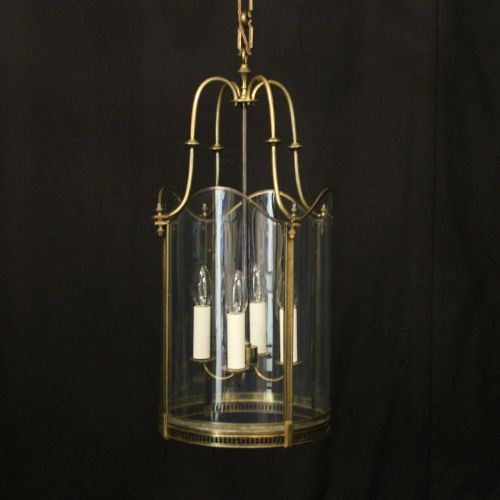
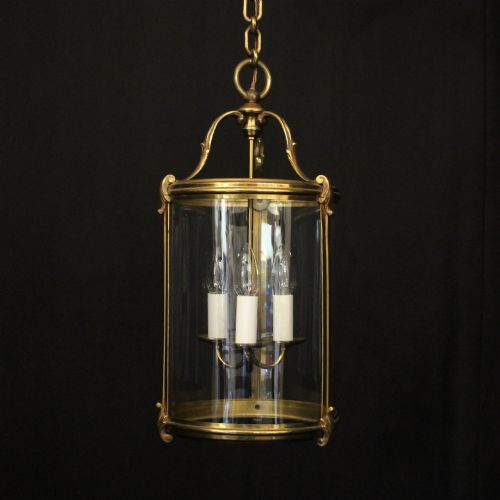
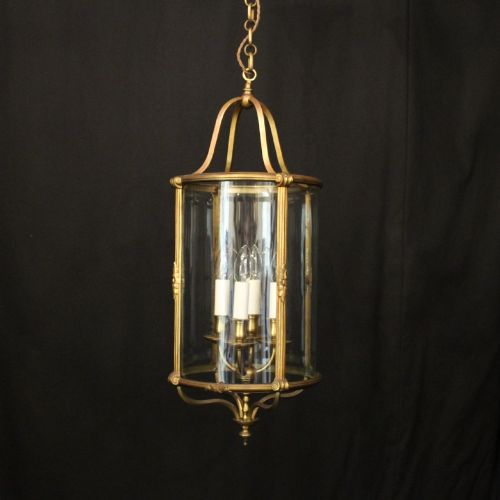
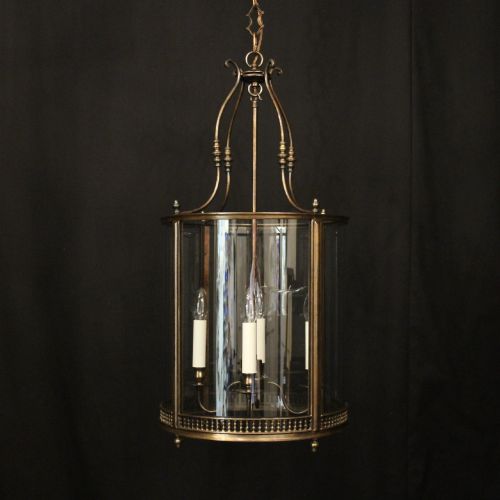

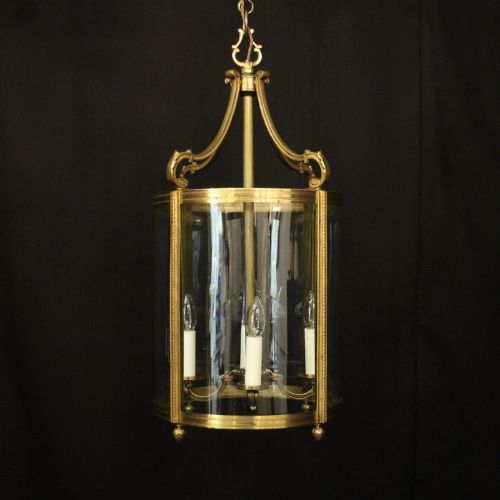
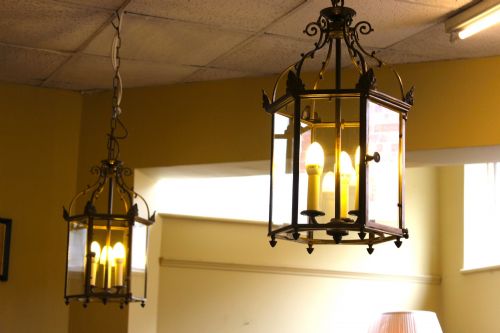
Gold Brass Hall Lantern
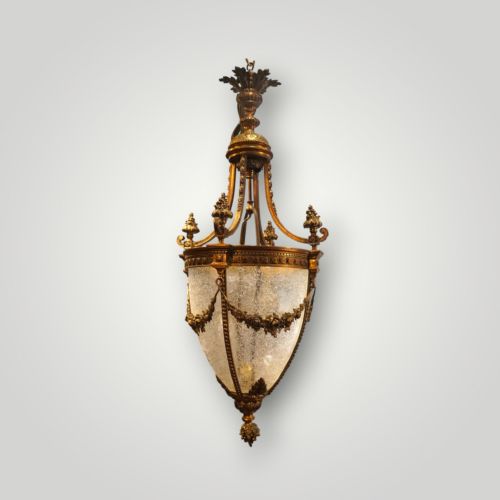
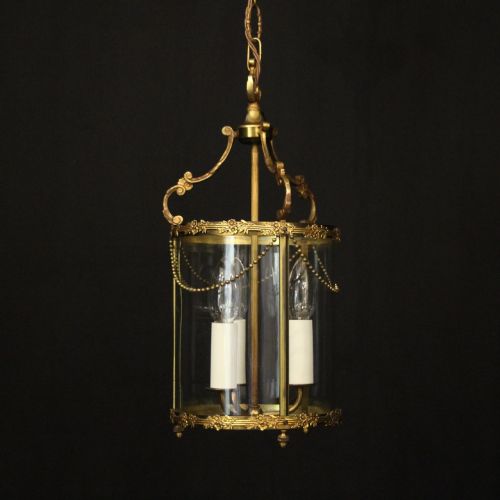
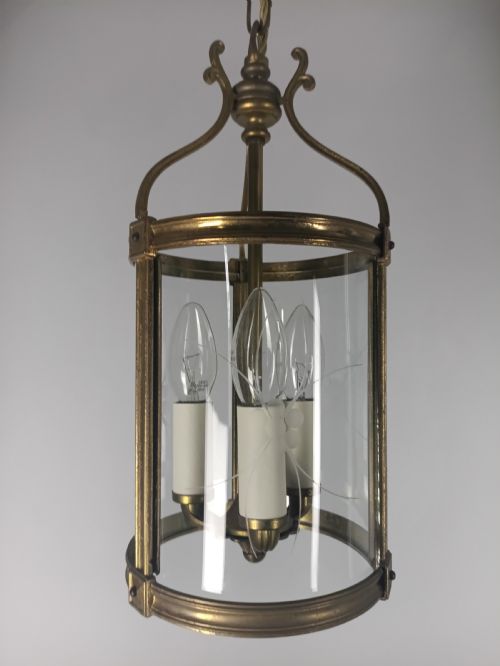
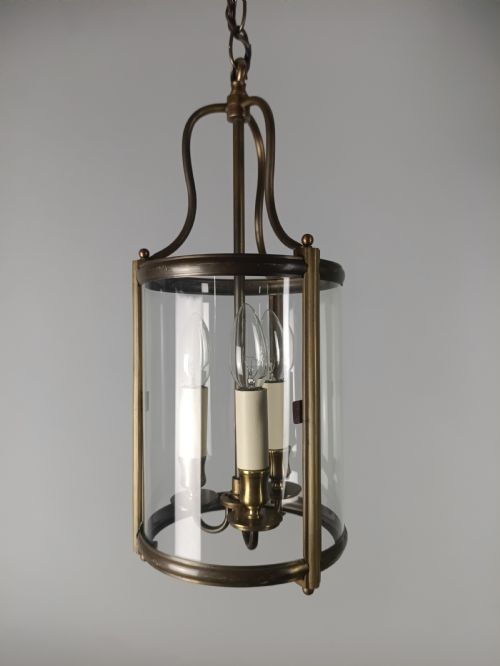
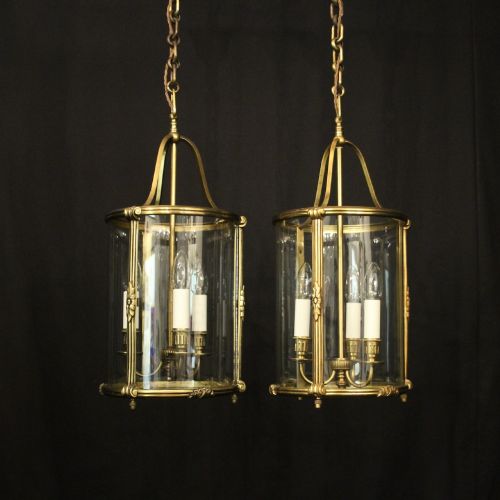
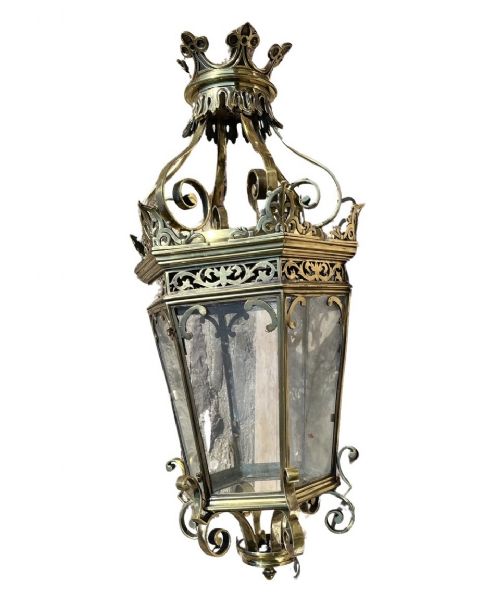
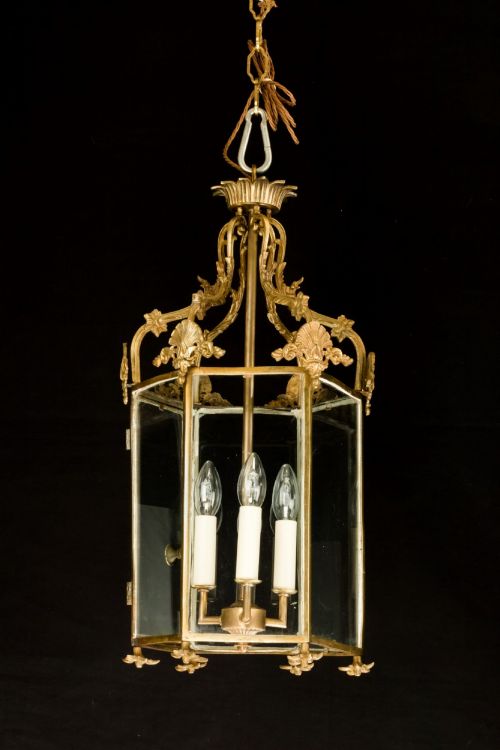
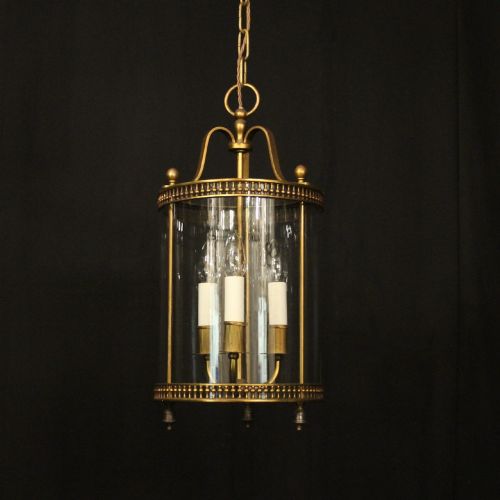
A gold brass hall lantern lights an entryway with warm metalwork and clear glass, combining practical illumination with classical French and English design.
Gold Brass Hall Lantern
When you search for a gold brass hall lantern, you encounter overhead hanging fixtures designed specifically for entrance halls, vestibules and corridors. These pieces belong to ceiling lighting categories, functioning as pendant lights, hanging lanterns and hall lanterns rather than table or wall lamps. The selection spans the Victorian and Edwardian eras alongside pieces from the 1890s through to 1930.
French and English origins dominate the selection, bringing distinct aesthetic traditions to the metalwork and glass panels. You will frequently meet French examples styled after Louis XVI, Neo-Classical and Rococo designs, alongside English brass and gilded bronze interpretations. Forms range from hexagonal geometries to convex profiles housing single or multiple lights.
Materials and construction methods
The makers of these lanterns built their frames from brass, gilt brass, or gilt bronze, sometimes referred to as ormolu, applying gilding to enrich the metallic surface. These structural metals support various glass configurations, including bevelled, etched, frosted and opaline panes that diffuse the internal illumination. Doors are often integrated into the framework to allow access for changing bulbs or candles.
Construction techniques combine cast metal components with glazed panels secured tightly within the brass or bronze framework. Hexagonal forms require precision in joining individual metal segments, while convex glass panels demand specialist glassblowing or curving skills. Surface finishes range from polished brass to patinated gilt bronze.
Some lanterns echo the grandeur of Versailles, letting you bring palace lighting into an everyday hallway.
Factors influencing quality
The distinction between standard examples and the finest pieces lies in the crispness of the metal casting and the complexity of the decorative style. Superior lanterns display finely chased details on gilt bronze or ormolu mounts, reflecting courtly French styles such as those inspired by Versailles. Simpler brass frames offer clean lines but lack the intricate ornamentation found on high-end pieces.
Glass selection also marks the hierarchy of quality, with bevelled or etched panes representing superior craftsmanship compared to plain flat glass. The weight of the metal frame, the integration of functional doors, and the presence of multi-light configurations further distinguish exceptional pieces from ordinary hallway lighting.
Perry & Co
The Gold Brass Hall Lantern Glossary
- Gilt bronze
- Metal alloy coated with a thin layer of gold, providing a rich, enduring metallic surface. It is frequently found on French hall lanterns.
- Convex glass
- Curved panes that project outward from the metal frame, adding optical depth to the lantern. This technique is common in 1920s and 1930s designs.
- Bevelled glass
- Panes with angled edges that catch and refract light, creating subtle prismatic effects. This feature denotes higher-tier craftsmanship.
- Ormolu
- Finely cast and gilded bronze decorative hardware used extensively in French Neoclassical and Louis XVI style pieces. The term translates from French as milled gold.
- Hexagonal form
- A six-sided geometric structure common in traditional hall lanterns, offering a balanced distribution of light and metalwork.
Gold Brass Hall Lantern: Frequently Asked Questions
Where should I hang a hall lantern?
These hanging fixtures suit entrance halls, vestibules and high-ceilinged corridors where they provide a distinct focal point. Their downward illumination lights walkways effectively while setting a formal tone upon entry.
Ensure adequate ceiling height for pendant mounting, particularly with larger multi-light or hexagonal models that drop further into the space.
How do I date an antique lantern?
Dating relies on stylistic markers such as Louis XVI neoclassical motifs, Edwardian simplicity or 1930s convex glass forms. Metal patination and construction methods also offer clues to the period of origin.
Victorian and Edwardian pieces often feature heavier brass casting, whereas later 20th-century examples frequently adopt streamlined French shapes.
Are these lanterns electrified?
Many examples arrive converted for modern electricity, accommodating single or multiple interior bulbs depending on the model's light capacity. Triple and quadruple light configurations provide brighter illumination for larger entrance spaces.
Wiring methods vary, so consulting a qualified electrician ensures safe installation in domestic settings.
What is the difference between brass and gilt bronze?
Brass is an alloy of copper and zinc with a natural golden hue, whereas bronze is a copper and tin alloy that received a gold leaf or mercury gilding layer. Gilt bronze pieces typically display finer chased detailing and a richer, warmer surface.
Both materials were used extensively across French and English lighting traditions from the nineteenth into the twentieth century.