



Traditional Bench Stool
A traditional bench stool offers sturdy low seating and generous footrests, spanning practical vernacular forms and formal mahogany designs.
Traditional Bench Stool
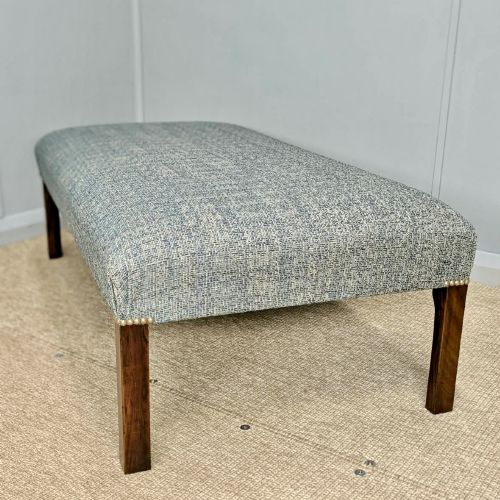
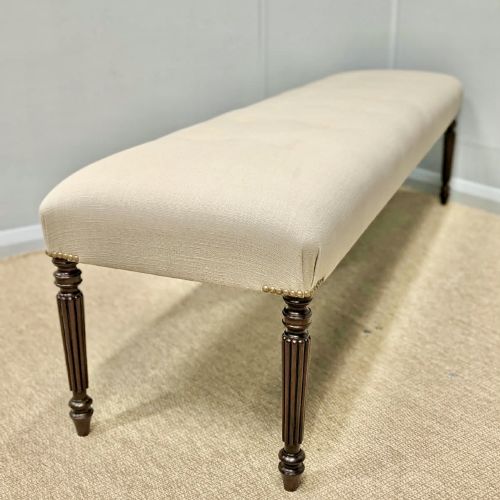
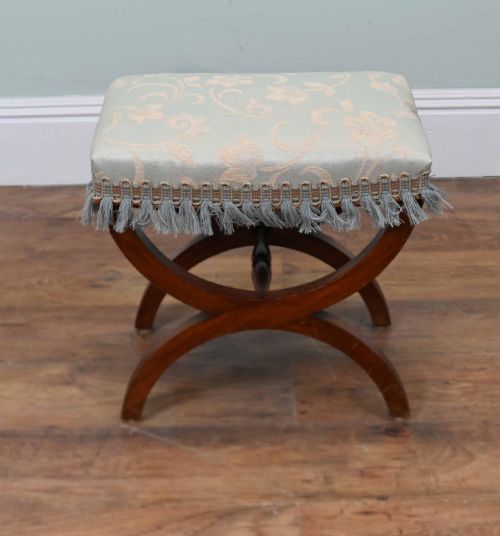
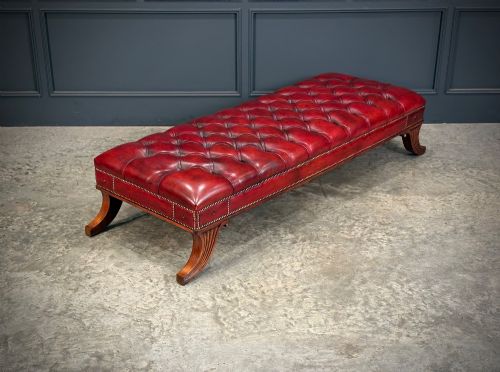
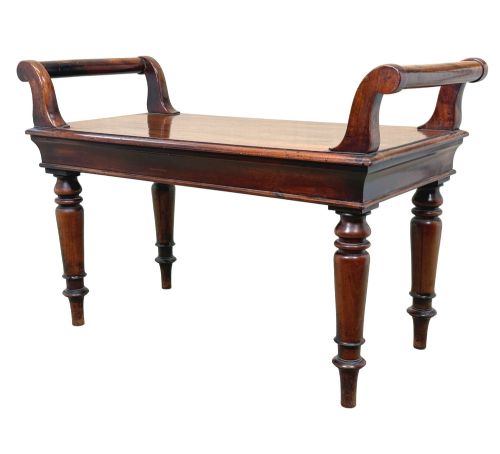
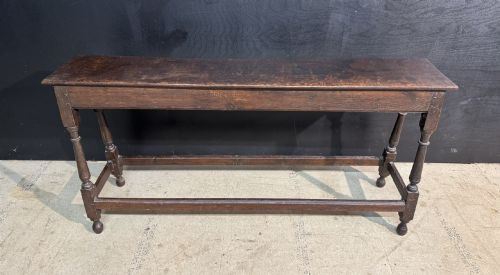
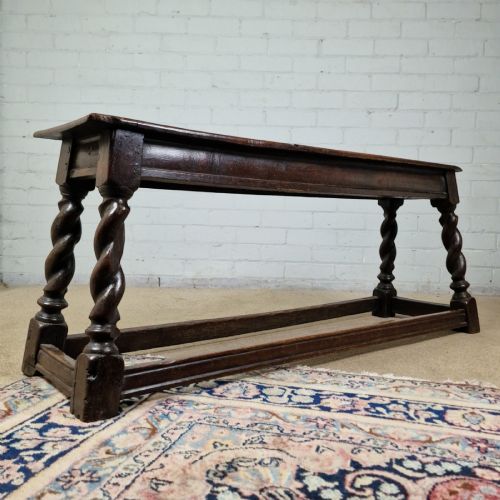
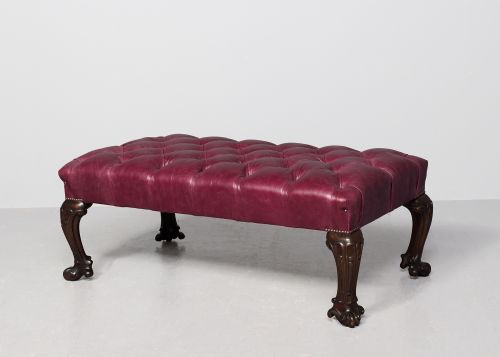
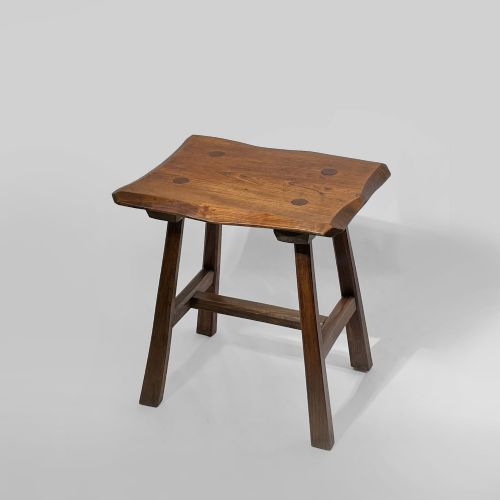
A traditional bench stool spans diverse low seating forms, including long oak joint stools, piano benches, window seats, and extensive footstools. These items appear across centuries, from eighteenth-century vernacular oak pieces to formal Victorian and Edwardian mahogany iterations.
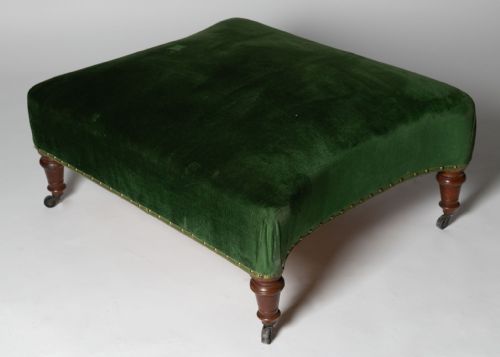
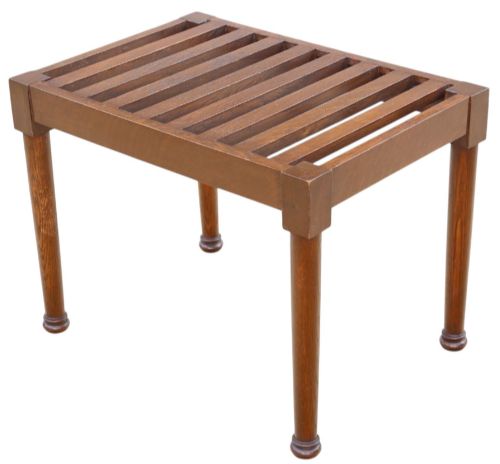
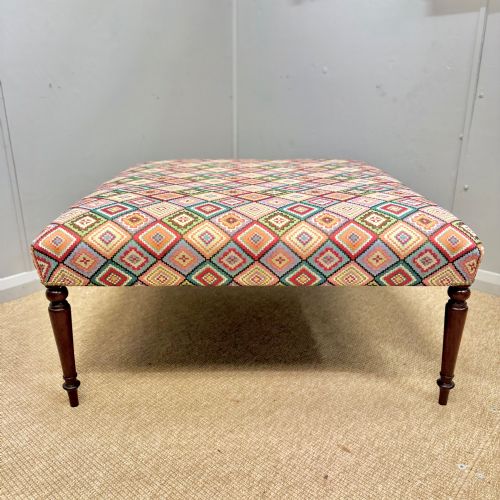
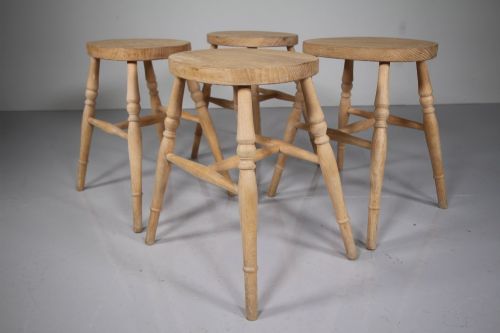
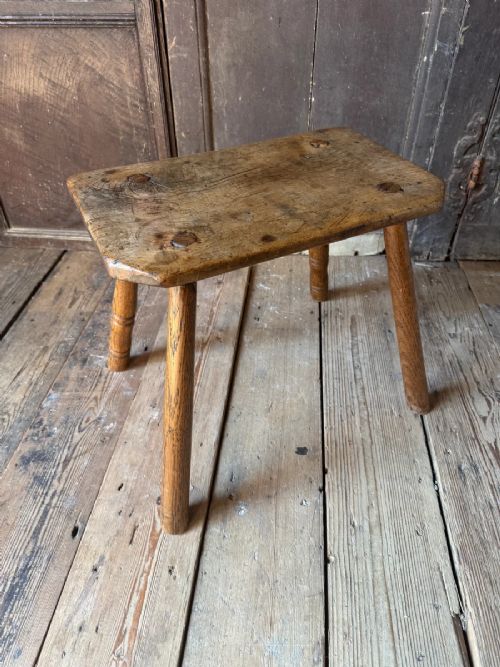
Buyers encounter multiple utilitarian and decorative variants, such as luggage stands, milking stools, low footboards, and large upholstered centre stools. The selection ranges from rustic elm and sycamore constructions to refined walnut, rosewood, and teak frames.
Originating largely from British and European domestic settings, these pieces function equally as impromptu seating, low coffee tables, and decorative hallway furniture. The category prioritises functional utility alongside period craftsmanship.
How they were made
Carpenters utilised sturdy timbers such as oak, mahogany, walnut, and ash, frequently employing pegged construction for early joint stools and benches. Turning and carving shaped the legs, ranging from simple vernacular supports to cabriole and fluted styles.
Upholstery techniques combined traditional stuffing with leather, hide, woven rattan, tapestry, wool, and modern fabric coverings. Details like buttoning, brass castors, and caned tops finished many of the finer Victorian and Edwardian examples.
Traditional Bench Stool Retail Price Guide 2026
Typical asking prices for traditional bench stool among the pieces listed under this phrase on Sellingantiques today, from the lower quarter to the upper quarter. They describe what is for sale here now, not the wider market.
Listings feature oak, mahogany, walnut, and teak woods, alongside leather, wool, and rattan upholstery spanning the eighteenth to early twentieth centuries.
What varies in quality
Timber selection and frame integrity dictate the durability of each piece, distinguishing solid hardwood framing from lighter secondary woods. Original structural components, such as pegged joints and turned stretchers, determine the structural authenticity of older oak and walnut examples.
The sophistication of the carving, upholstery finish, and hardware integration - such as fitted brass castors or hand-dyed leather - sets finer decorative pieces apart from utilitarian workshop seating.
The Traditional Bench Stool Glossary
- Joint stool
- A sturdy wooden stool constructed with mortise and tenon joints, typically pegged together without metal nails.
- Luggage stand
- A low bench or rack traditionally positioned at the foot of a bed to hold suitcases.
- Cabriole leg
- A furniture leg featuring a double curve, typically curving outward at the knee and inward at the ankle, common on finer period seating.
- Duet stool
- An elongated piano stool designed to seat two musicians side by side, often featuring a hinged seat for sheet music storage.
- Window seat
- A long, narrow bench designed specifically to fit the recess of a window, frequently upholstered or fitted with slatted tops.
Traditional Bench Stool: Frequently Asked Questions
How were traditional bench stools used historically?
These low seats served practical domestic functions around the hearth, dining table, and hallway. Many acted as movable footrests or supplementary seating in crowded rooms.
Specific variants like luggage stands and piano stools fulfilled dedicated household duties. Their low profiles and sturdy construction suited daily utility across centuries.
How do I date an antique wooden stool?
Examining the timber species, tool marks, and joint construction reveals the era of manufacture. Eighteenth-century examples often display pegged oak frames and hand-sawn boards.
Later Victorian and Edwardian pieces utilise factory-turned mahogany, machine-sawn components, and standard brass hardware. Style revivals also offer clues regarding the period of production.
Can I use a long bench stool as a coffee table?
Many upholstered and wooden bench stools function effectively as low coffee tables in modern interiors. Large footstools and long oak benches provide stable flat surfaces for books and trays.
Selecting a piece with a sturdy wooden frame or firm buttoned upholstery ensures practical daily use. Their low height matches standard lounge furniture proportions.
What is the difference between a joint stool and a regular stool?
A joint stool relies on specialised joinery where pegged mortise and tenon connections bind the frame securely. This architectural method predates common commercial furniture assembly.
Regular stools may utilise simpler nailed, screwed, or turned pillar designs. Joint stools offer heavier structural stability and typically date from earlier centuries.