




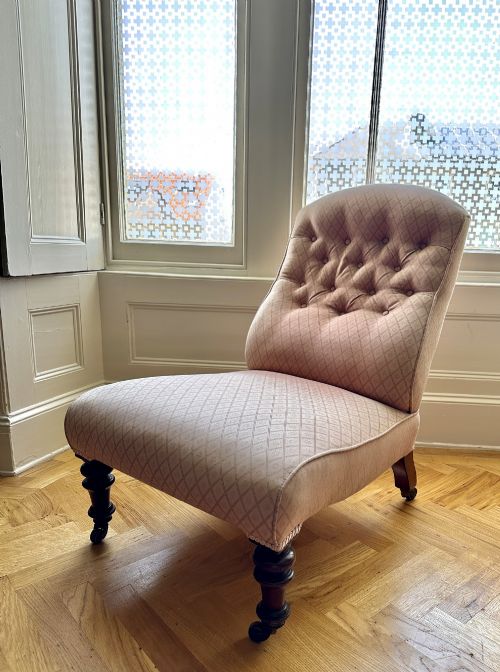
Traditional Bedroom Seating
Traditional bedroom seating brings together period timber frames and low upholstered profiles designed for dressing rooms and chambers.
Traditional Bedroom Seating
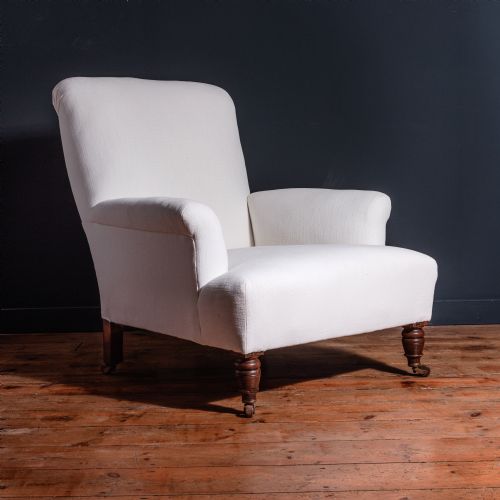
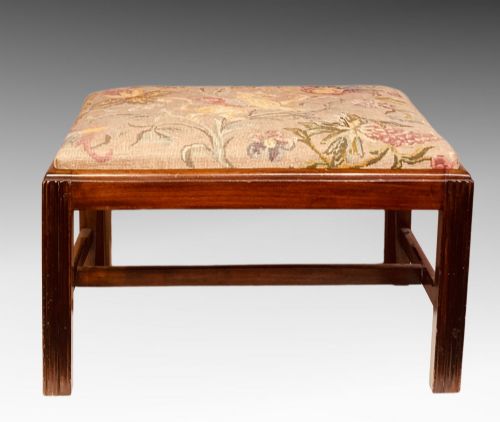
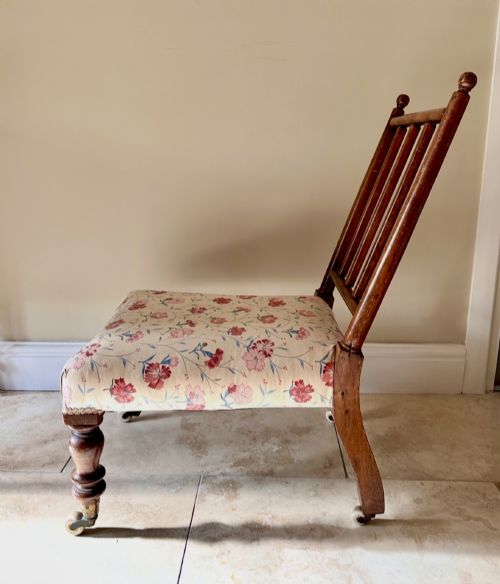
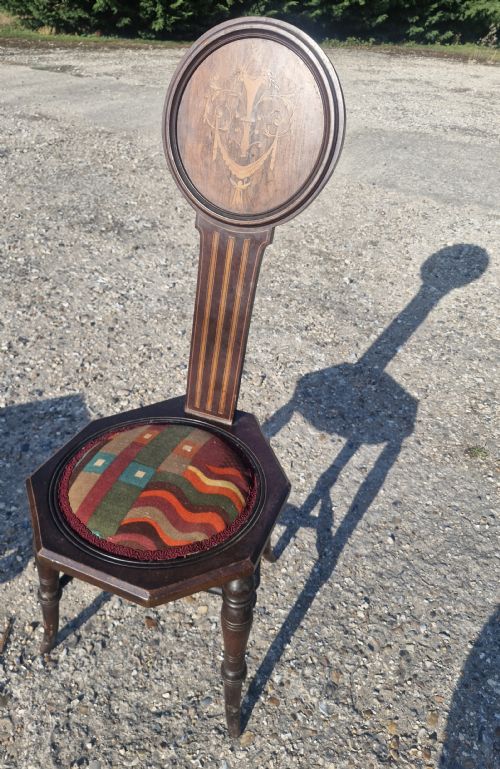
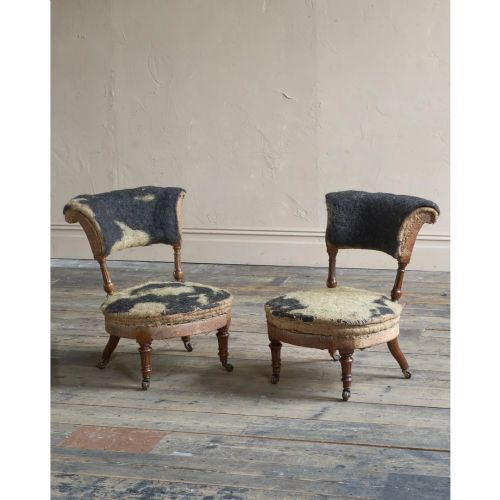
Traditional bedroom seating encompasses a diverse group of low-slung chairs, benches, and stools created for private chambers rather than formal public rooms. When you examine traditional bedroom seating, you encounter low profiles, intimate proportions, and specialised forms such as slipper chairs, nursing chairs, and dressing stools.
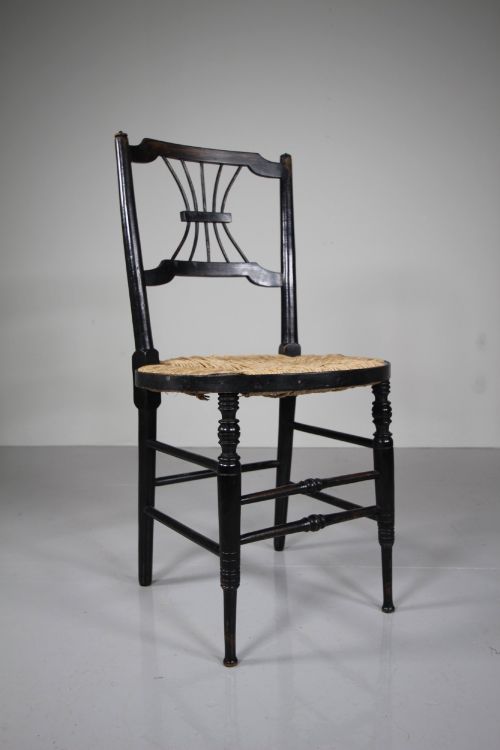
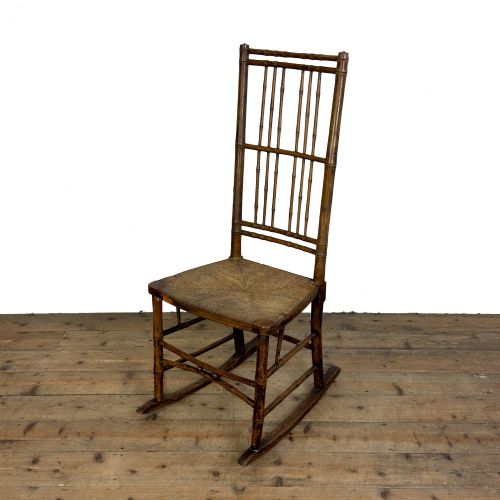
The pieces appearing on this page span the nineteenth and early twentieth centuries, drawing on Victorian, Edwardian, and Regency idioms. Mahogany and walnut frameworks dominate, alongside occasional oak and faux bamboo structures designed to fit domestic bedchambers.
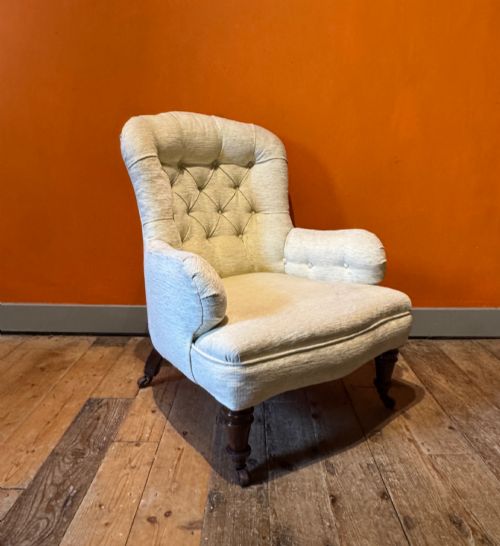
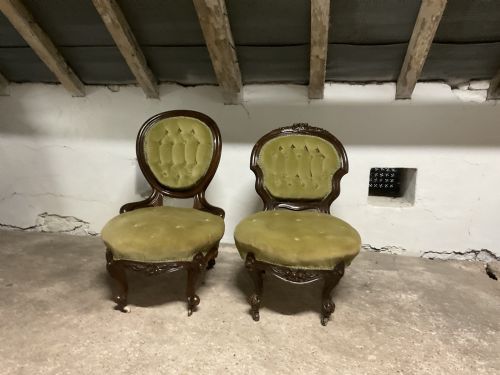
Makers designed these items for specific daily domestic rituals, from lacing boots to nursing infants near the hearth. Consequently, the seating forms remain remarkably varied, ranging from simple spindle-back chairs to deeply upholstered button-back designs.
Construction and Materials
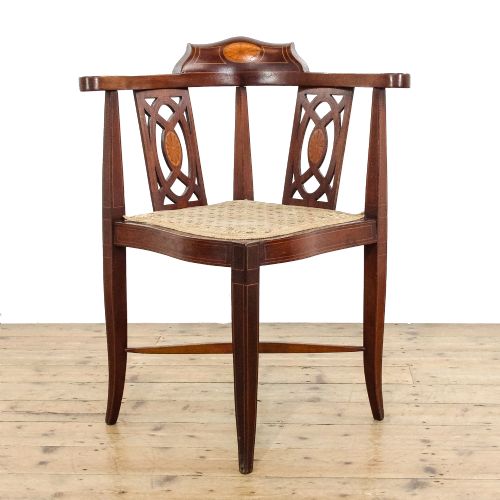
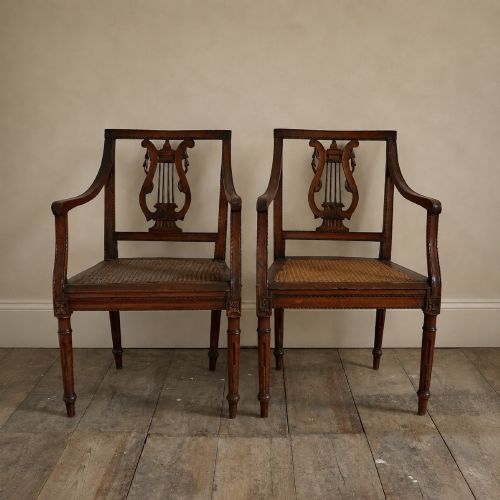
Cabinetmakers and joiners constructed these frames primarily using solid timbers like mahogany, walnut, and oak, often incorporating turned or carved supports. Brass fittings, cane panels, and marquetry inlays frequently accent the structural woodwork.
Upholstery techniques involved traditional stuffing materials layered over webbing and hessian, finished with textiles such as velvet, linen, and patterned fabric. Makers secured these coverings with decorative trim, fringe, or buttoning to enhance the visual texture of the bedroom chair.
Traditional Bedroom Seating Retail Price Guide 2026
Typical asking prices for traditional bedroom seating among the pieces listed under this phrase on Sellingantiques today, from the lower quarter to the upper quarter. They describe what is for sale here now, not the wider market.
Early spinning chairs invite daydreams of fireside wool-winding in Victorian country houses.
Distinctions in Quality
Quality rests upon the integrity of the timber frame, the crispness of any hand-carved or inlaid detail, and the retention of original structural joinery. Superior examples maintain firm proportions without movement in the joints.
The standard of upholstery work and the choice of covering fabric further separate everyday workshop output from finer production. Pieces retaining thoughtful upholstery choices alongside sound wooden frames command closer attention from collectors.
William Morris·Howard and Sons
The Traditional Bedroom Seating Glossary
- Slipper chair
- A low-seated upholstered chair traditionally used in bedrooms for dressing and putting on footwear. These pieces sit close to the floor for added comfort during daily routines.
- Nursing chair
- A low armchair specifically designed to provide comfortable seating for feeding or holding infants. They frequently feature padded backs and low seats to accommodate the sitter.
- Bobbin framing
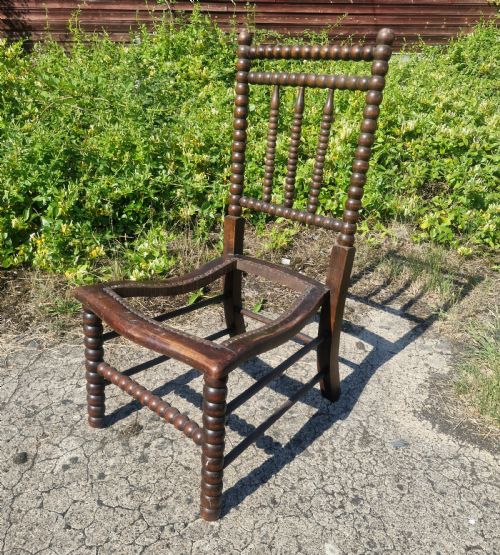
- Furniture construction utilising turned wooden balls or discs resembling bobbins along the legs or back rails. This decorative turning technique appears often on nineteenth-century vernacular pieces.
- Marquetry inlay
- The art of applying small pieces of veneered wood into a fitted surface to create decorative patterns. Edwardian cabinetmakers utilised this method extensively on mahogany and rosewood frames.
- Cane seat
- A woven rattan panel inset into the wooden frame of a chair seat. This technique provides a lightweight, resilient surface.
Traditional Bedroom Seating: Frequently Asked Questions
What distinguishes a nursing chair?
Nursing chairs are defined by their notably low seats and supportive backs, engineered for comfort during prolonged periods of sitting in the bedroom or nursery.
Their compact scale allows them to fit easily into smaller chambers where standard armchairs would overwhelm the floor space.
How do I identify a Victorian bedroom chair?
Victorian bedroom chairs typically display dense mahogany or walnut frames, often featuring balloon backs, button-tufted upholstery, or turned bobbin woodwork. Dating relies on stylistic cues tied to the mid to late nineteenth century.
Constructive elements like hand-cut joinery and traditional stuffing methods help confirm their period origin.
Where were slipper chairs used?
Slipper chairs belonged in private dressing rooms and bedrooms, positioned near the bed or dressing table for convenience while changing clothes.
Their low stature made them ideal for sitting comfortably while managing shoes, stockings, and undergarments.
Can I use these chairs in a modern room?
These traditional seats integrate smoothly into contemporary living spaces, serving as accent pieces in modern bedrooms, studies, or hallways.
Their compact proportions and rich timber tones provide functional seating with distinct historical character.