





Traditional Baby Cradle
These traditional baby cradle pieces are solid wooden beds built to soothe infants, offering a tangible link to centuries of domestic history.
Traditional Baby Cradle
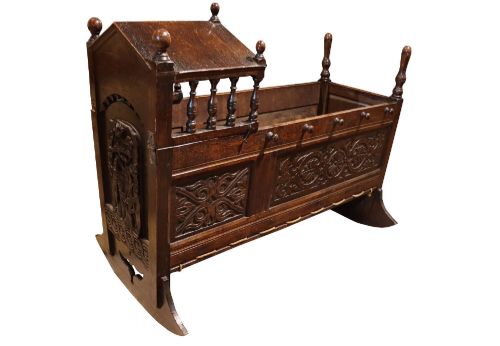
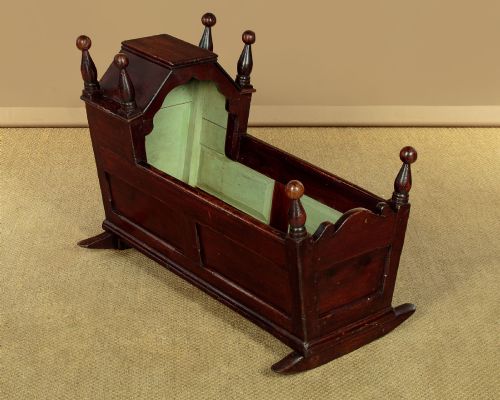
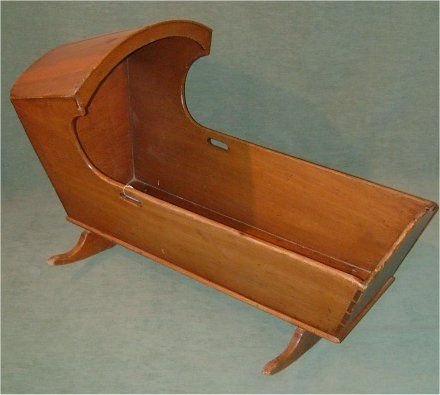
A traditional baby cradle is typically formed as a low-slung wooden bed mounted on rockers for gentle motion. The selection spans robust vernacular pieces and formal revival furniture, reflecting the domestic habits of past centuries.
Oak and pine dominate the material record, appearing across periods from the sixteenth century through the Victorian era. Plain country examples sit alongside panelled constructions incorporating earlier carved elements.
Buyers encounter rocking cradles and cribs featuring hood structures, canopy tops, and upholstered interiors. These forms provide a direct view into historical infant care practices and regional woodworking traditions.
How these wooden pieces were constructed
Local joiners built these items using heavy timbers of oak, mahogany, and pine, joined with pegged mortise and tenon joints to withstand constant movement. Field panels and carved decorations added structure and visual depth to the side walls.
Makers applied surface treatments ranging from natural polished wood grains to original layers of paint. Iron fittings occasionally reinforced the rockers and hood supports on utilitarian country models.
Traditional Baby Cradle Retail Price Guide 2026
Typical asking prices for traditional baby cradle among the pieces listed under this phrase on Sellingantiques today, from the lower quarter to the upper quarter. They describe what is for sale here now, not the wider market.
What separates the finest examples
Quality rests in the integrity of the timber, the precision of the panel joinery, and the preservation of original surfaces. Pieces retain greater interest when the structural rockers and hood elements survive unaltered.
The sophistication of the carving and the presence of early painted finishes elevate specific examples above standard vernacular work. Retained upholstery or original hardware further distinguishes the more accomplished items in the range.
The Traditional Baby Cradle Glossary
- Rockers
- Curved wooden feet attached to the base of a cradle to allow a gentle swaying motion. They form the primary functional mechanism of these beds.
- Field panel
- A raised wooden panel set within a frame, frequently decorated with bevelled edges. This construction method accommodated the natural movement of timber.
- Hood
- A protective canopy structure built over the head of the cradle to shield the infant from drafts. It defines the profile of many early sleeping vessels.
- William and Mary
- A late seventeenth-century design style characterised by linear turning and panels. Pieces from this era display specific joinery techniques distinct from later periods.
- Vernacular
- Everyday furniture made by local craftsmen using regional materials rather than following high-style metropolitan fashions. These objects prioritise practical utility.
Traditional Baby Cradle: Frequently Asked Questions
How do I care for antique wood?
Keep wooden surfaces away from direct heat sources and sudden humidity shifts to prevent the timber from splitting or warping.
Apply a traditional beeswax polish sparingly to maintain the natural finish without building up heavy residue.
Were these used for sleeping?
Historical cradles served as the primary daytime and nighttime sleeping vessels for infants in domestic settings.
The rocking mechanism allowed caregivers to soothe restless babies without lifting them from the bed.
How do I identify sixteenth-century pieces?
Sixteenth-century examples typically feature heavy oak construction with pegged joinery and characteristic panelled hoods. The timber grain and tool marks reflect period-specific woodworking methods.
Comparison with documented examples helps confirm the period of construction and stylistic details.
Can I use these for modern nurseries?
Many collectors place these items in modern spaces as decorative focal points or for holding soft furnishings and textiles.
Safety standards for infant sleeping furniture have changed significantly, so contemporary use requires careful evaluation.