

Traditional Ash Chairs
Traditional ash chairs combine sturdy country utility with vernacular craft, offering tangible historical character for daily domestic use.
Traditional Ash Chairs
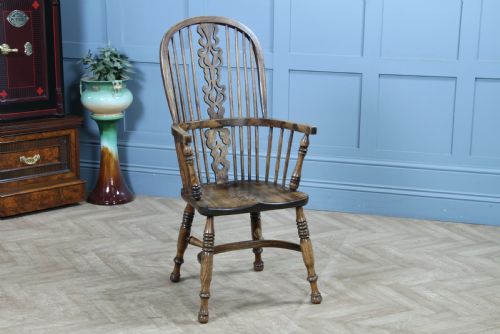
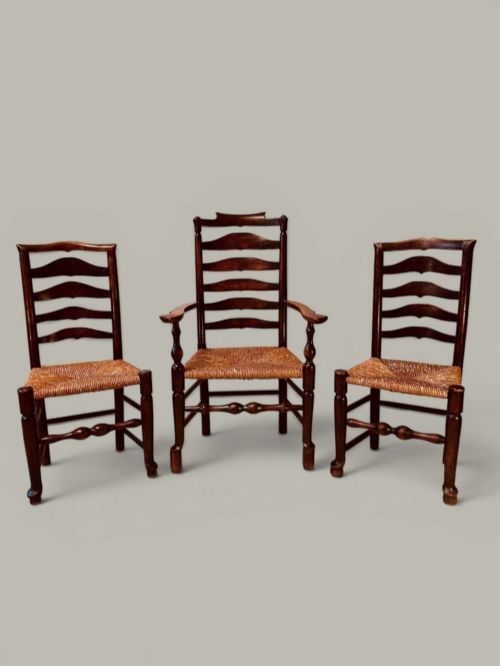
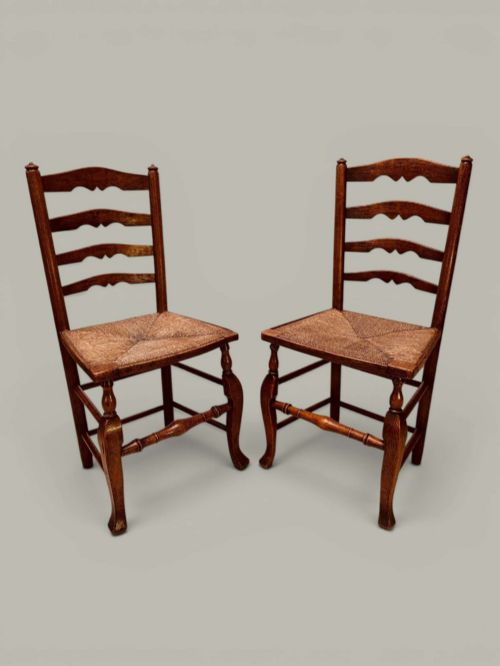
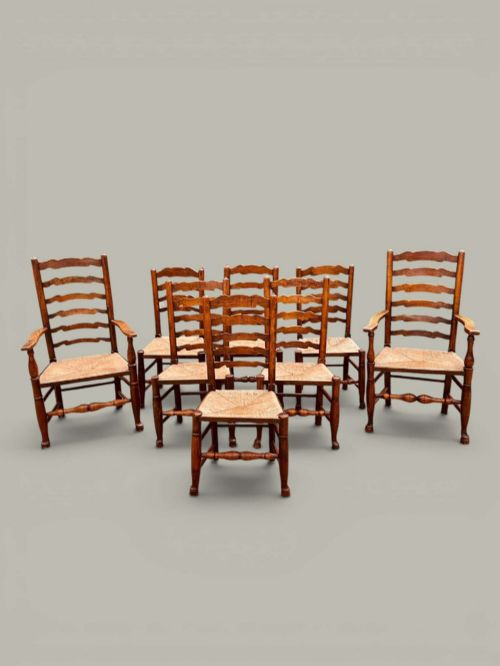
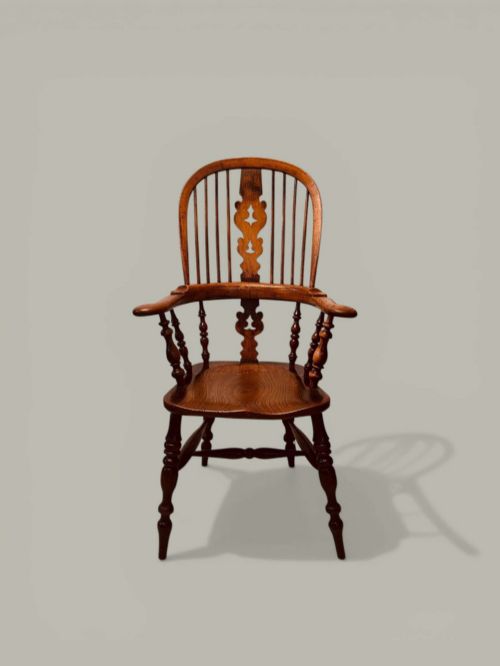
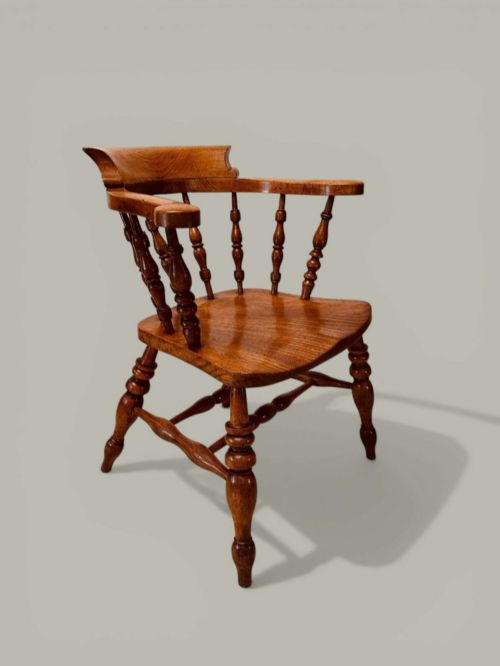
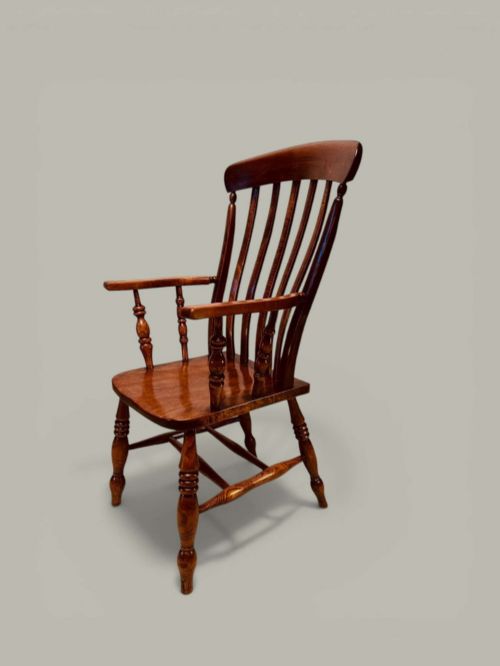
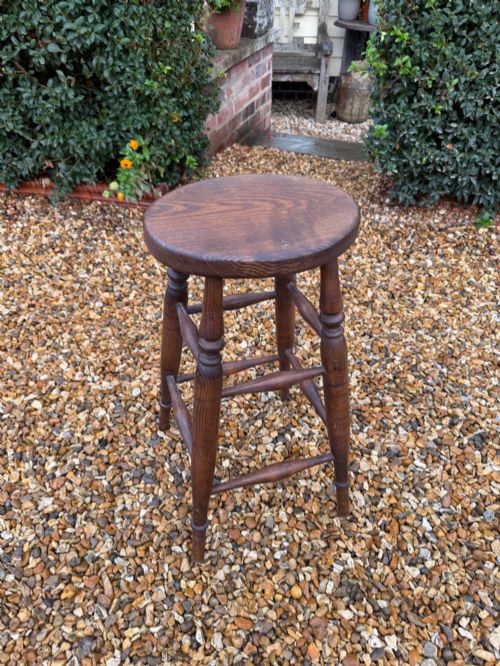
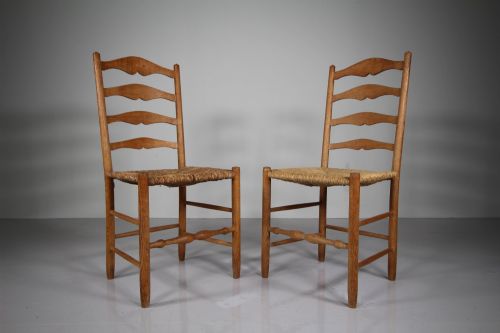
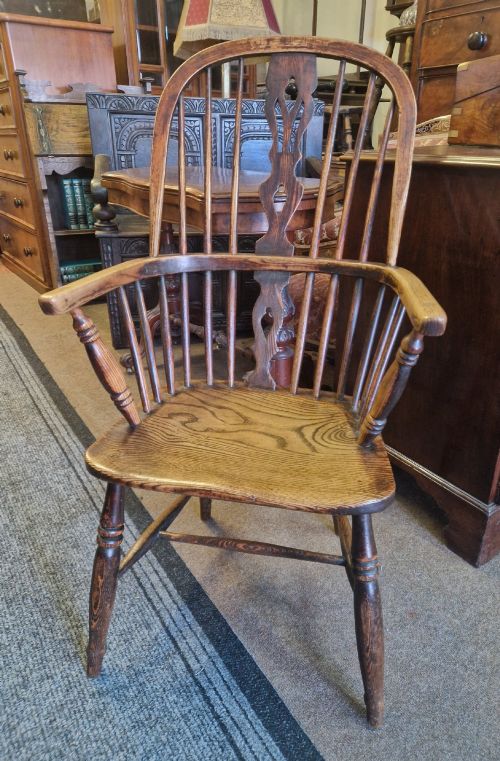
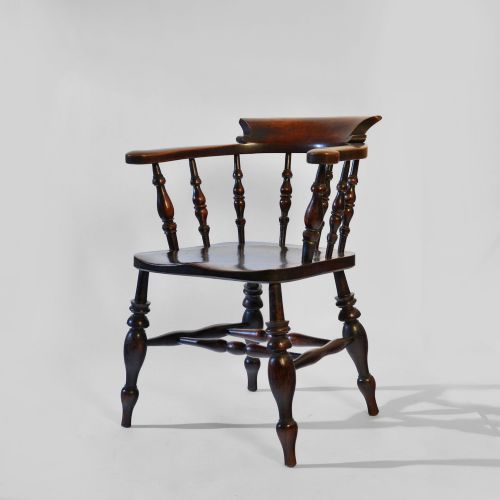
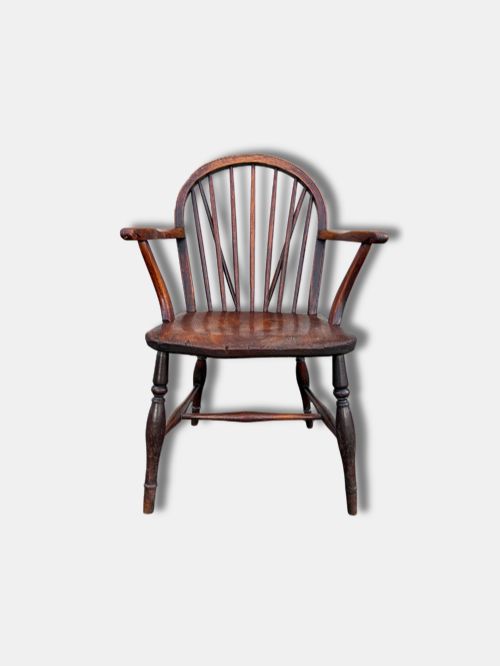
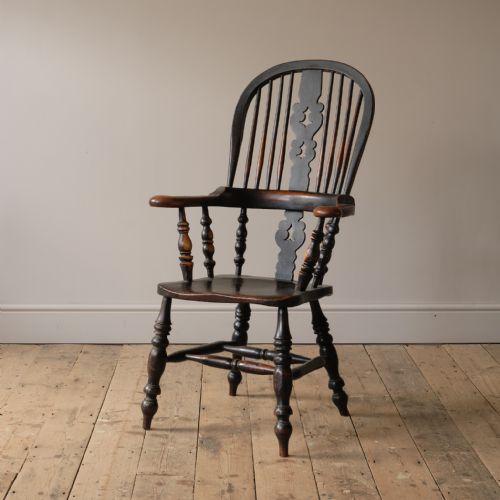
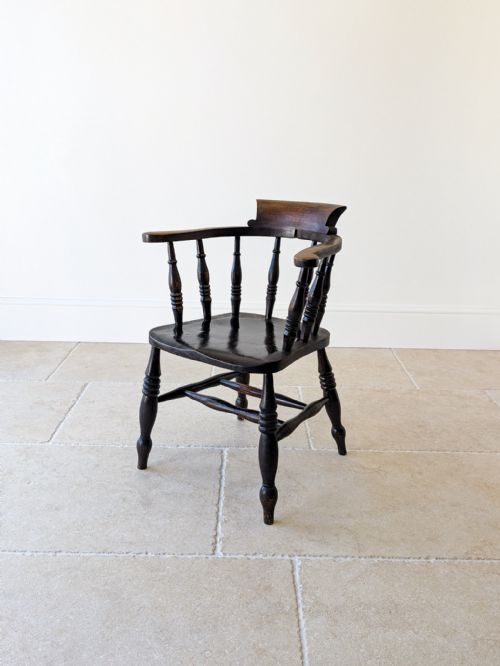
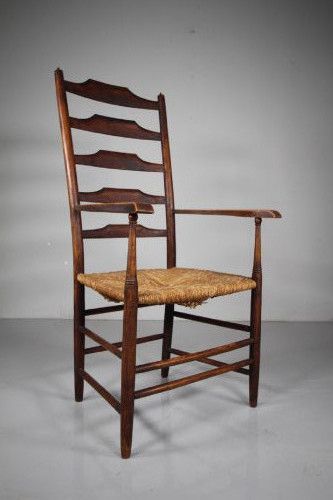
Traditional ash chairs encompass a range of vernacular English country seating primarily produced during the 18th and 19th centuries. Buyers searching for traditional ash chairs commonly encounter Windsor forms, ladder backs, and captain's chairs originating from regional workshops.
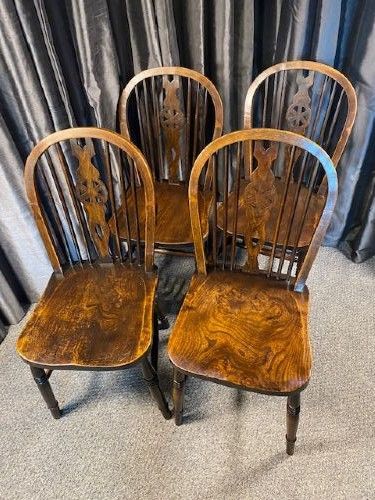
Forms vary from comb-back and bow-back armchairs to sets of spindle-back kitchen chairs. Many items originate from regional centres such as the Thames Valley, West Country, or Lancashire.
How traditional ash chairs were made
Maker-craftsmen utilised the distinct mechanical properties of ash for flexible hoops, spindles, and legs, pairing it with durable elm for sculpted solid seats. Beech and yew also appear in structural elements, while rush provides traditional seating material for ladder-back variants.
Construction relied on traditional joinery methods such as steam-bending wood for back bows and Windsor hoops, secured with wedged tenons and turned spindles. Painted finishes or natural wax patinas protected the timber while maintaining the grain.
Traditional Ash Chairs Retail Price Guide 2026
Typical asking prices for traditional ash chairs among the pieces listed under this phrase on Sellingantiques today, from the lower quarter to the upper quarter. They describe what is for sale here now, not the wider market.
Some chairs retain visible carpenter's witness marks, reminding us that rural makers tested their spindle fits by hand centuries ago.
What varies in quality
Quality depends upon the purity of the timber selection and the retention of original components, such as crinoline stretchers and wedged spindles. Chairs maintaining an untouched surface patina and crisp turning detail on the legs and arm supports stand higher in the range.
Proportion and structural integrity dictate desirability, where balanced bow shapes and deeply sculpted elm seats distinguish finer regional workshop output from standard utility seating.
Philip Clissett
The Traditional Ash Chairs Glossary
- Windsor chair
- A chair built with a solid wooden seat into which the legs and back spindles are separately dowelled.
- Crinoline stretcher
- A bent metal or wooden arched brace connecting the legs of a Windsor chair to provide structural rigidity.
- Comb-back
- A Windsor chair design where the central vertical spindles extend upward to support a horizontal top rail resembling a comb.
- Rush seat
- A woven seating surface made from dried marsh plants, commonly found on traditional ladder-back chairs.
- Vernacular style
- Regional furniture design shaped by local traditions, available materials, and practical function rather than academic architectural rules.
Traditional Ash Chairs: Frequently Asked Questions
What is a Windsor chair?
A Windsor chair is a form of seating characterised by a thick wooden saddle-shaped seat into which individual legs and back spindles are tenoned directly.
This construction method provides exceptional sturdiness without requiring heavy frame posts.
How are ash and elm combined?
Ash provides strong, flexible timber ideal for steam-bent hoops, back bows, and turned legs. Elm offers a dense, interlocking grain that resists splitting, making it the preferred choice for solid carved seats.
Craftsmen joined these woods using wedged tenons for lasting durability.
Where were these chairs made?
These chairs were produced across English rural workshops, with notable regional traditions developing in the Thames Valley, the West Country, and Lancashire.
Local timber availability and distinct turning patterns often identify the workshop origins.
How should I care for rush seats?
Rush seating requires stable indoor humidity and gentle cleaning with a dry brush to prevent the natural fibres from drying out or snapping. Avoid excessive moisture and harsh chemical cleaning agents.
Regular careful maintenance preserves the woven structure of traditional ladder-back chairs.