





Traditional Art Piece
These traditional art piece selections span centuries of craftsmanship, offering historic oil paintings and carved objects that bring genuine character to a room.
Traditional Art Piece
When searching for a traditional art piece, a buyer encounters a diverse mix of historic works, including oil paintings on canvas and board alongside carved wooden sculptures. These items bridge multiple periods, from the nineteenth century through the Edwardian era and the nineteen-twenties.
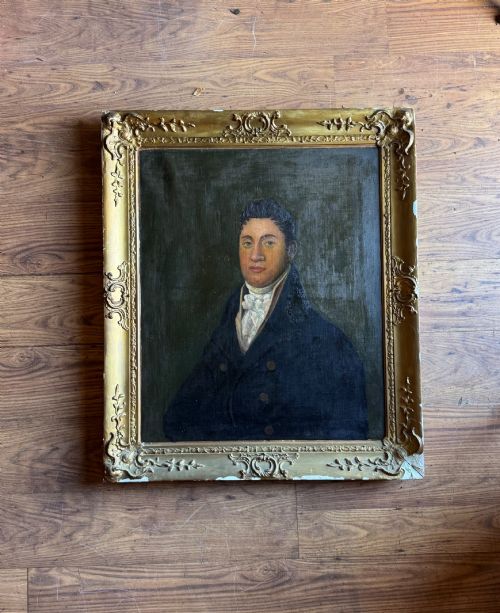
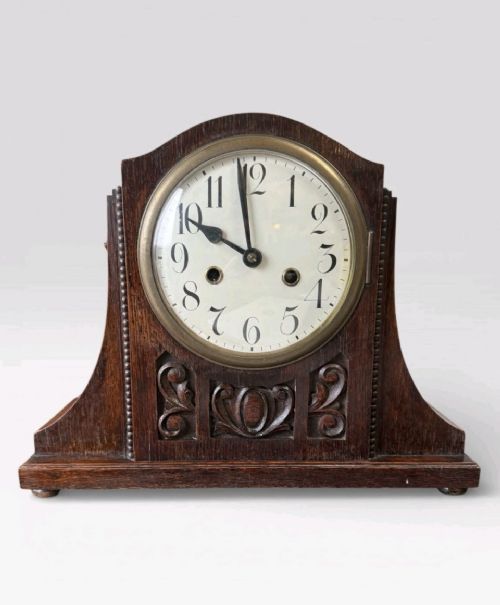
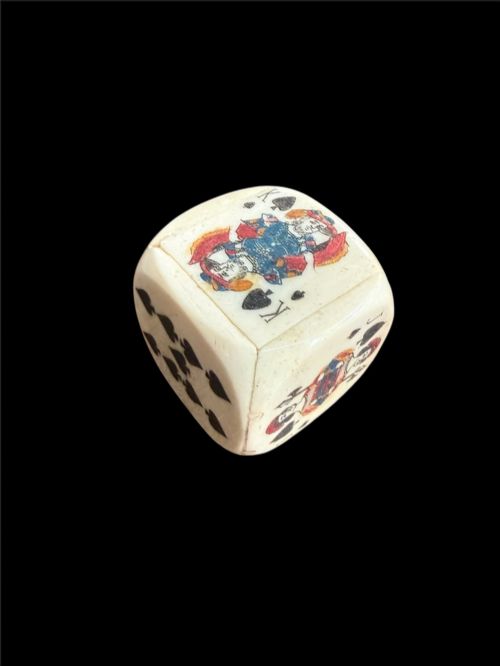
The most common examples on this page are framed oil paintings, featuring portraits and landscapes by named artists like Benjamin Callow and Lester Sutcliffe. Alongside these flat works, buyers find functional art objects such as carved dice shakers and mantel clocks.
The objects stem from distinct aesthetic movements, ranging from Victorian realism and British Impressionism to English and European folk art. Each piece serves as a physical record of past visual traditions and domestic utility.
What varies in quality
The distinction between tiers rests upon the skill of the execution and the preservation of the original materials. Finer oil paintings demonstrate superior handling of light and proportion by documented nineteenth-century artists, whereas simpler works lean towards anonymous vernacular charm.
Condition and originality dictate value in physical items like carved wood and clocks. Retaining original paint, unblemished canvas, and authentic mechanical movements separates exceptional survivals from heavily restored or altered pieces.
Traditional Art Piece Retail Price Guide 2026
Typical asking prices for traditional art piece among the pieces listed under this phrase on Sellingantiques today, from the lower quarter to the upper quarter. They describe what is for sale here now, not the wider market.
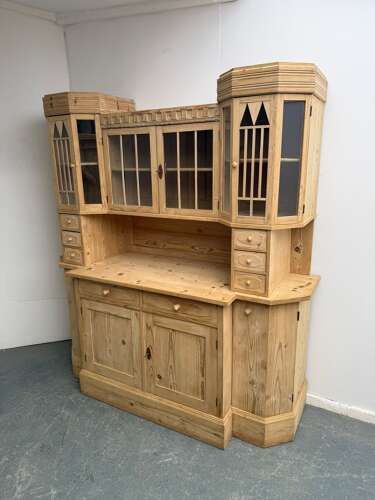
Current listings feature oil paint, canvas, pine, oak, and giltwood across nineteenth-century and Edwardian periods.
A M Gauci·John Robert Dicksee·Lester Sutcliffe·Benjamin Callow
The Traditional Art Piece Glossary
- Canvas
- A heavy woven fabric used as a surface for oil painting. It provides a textured base that interacts with the paint layers over time.
- Giltwood
- Wood that has been treated with a thin layer of gold leaf or metallic gilt. This finish is commonly found on traditional picture frames.
- Treen
- Small handmade wooden domestic objects. Items in this category include lace folders and carved containers.
- Folk art
- Artistic work created within a traditional culture by untrained or self-taught makers. This category includes vernacular carvings and regional paintings.
Traditional Art Piece: Frequently Asked Questions
What is a traditional art piece?
A traditional art piece refers to historic works of fine and decorative art created using established historical methods. These items include nineteenth-century oil paintings and period carved wooden objects.
They represent various established movements such as Victorian portraiture and folk art. Buyers select them to anchor historic interiors with authentic period objects.
How do I care for an oil painting?
Oil paintings require stable indoor environments away from direct sunlight and extreme temperature fluctuations. Dusting should be done gently with a soft, dry brush without applying pressure to the canvas.
Avoid using liquid cleaners or abrasive cloths on the painted surface or the frame. Professional conservation should be sought for any tears or flaking paint.
What periods do these pieces span?
The inventory encompasses works primarily from the nineteenth century, Victorian era, and early twentieth century. Dates stretch from the mid-nineteenth century through the Edwardian period and nineteen-twenties.
Each era brings distinct stylistic traits, from the dark varnishes of Victorian portraits to the brighter palettes of early twentieth-century landscapes.
Where were these art pieces made?
The pieces originate from various European traditions, with a strong representation of British artists and workshops. Specific items trace back to English, Scottish, and Hungarian origins.
Regional materials like oak, pine, and gnarled wood often point to the local crafting traditions of their makers.