



Traditional Accent Furniture
Traditional accent furniture brings distinct character to a room through practical seating and small tables spanning several centuries.
Traditional Accent Furniture
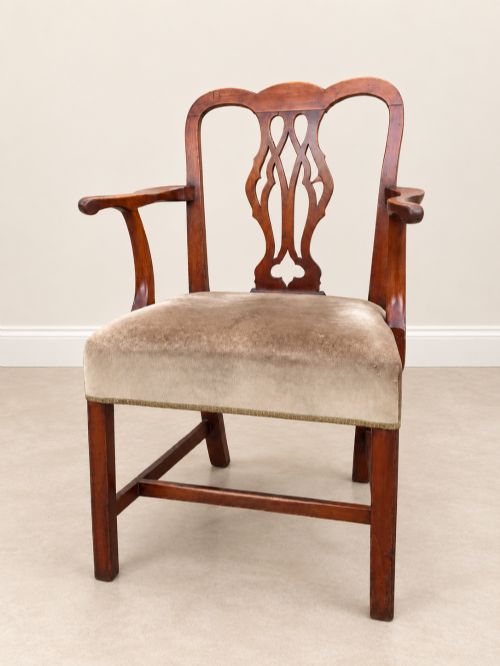
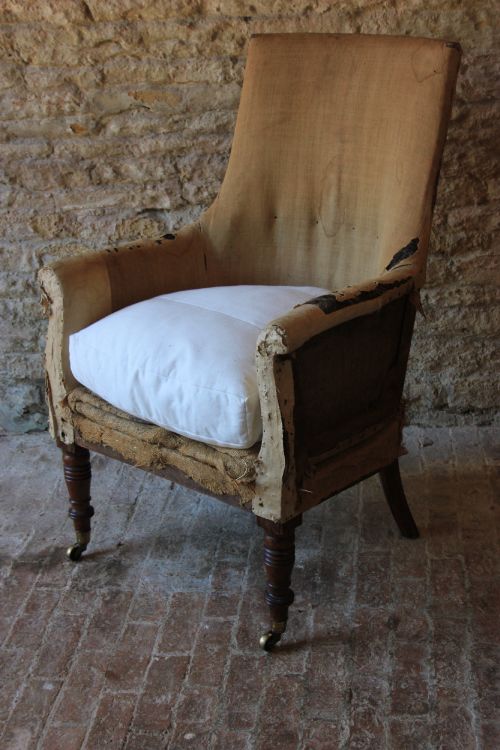
Traditional accent furniture comprises occasional pieces like side tables, armchairs, stools, and hall chairs designed to complement a main interior scheme.
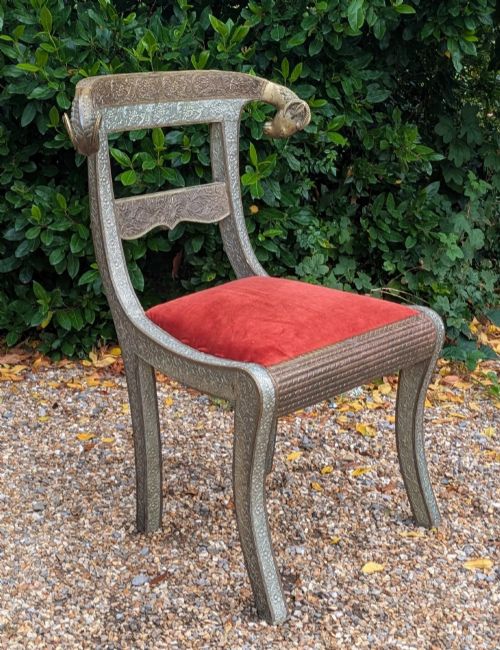
The selections available here range from Georgian and Victorian periods through to early twentieth century examples, incorporating styles such as English Country, Regency, and Qing Dynasty.
Materials and construction methods
Items rely heavily on solid timbers including oak, mahogany, yew, fruitwood, and rosewood, often selected for their grain pattern and structural durability.
Traditional joinery methods dictate the construction of these tables and chairs, utilising turned elements, pegged joints, and fitted table tops.
Secondary materials such as brass fittings, rush seating, and painted finishes appear across specific regional and period pieces.
Traditional Accent Furniture Retail Price Guide 2026
Typical asking prices for traditional accent furniture among the pieces listed under this phrase on Sellingantiques today, from the lower quarter to the upper quarter. They describe what is for sale here now, not the wider market.
Materials recur across multiple categories, with oak, mahogany, elm, and rosewood forming the core of the inventory.
Judging quality in accent pieces
Quality rests upon the selection of timber, visible in the choice of burr elm, figured walnut, or dense rosewood rather than plain secondary woods.
The refinement of hand-carved details, armorial painting, or turned spindle work separates standard utility items from exceptional workshop output.
Structural integrity maintained through original joinery and minimal intervention preserves the physical character of each table or chair.
Whytock and Reid
The Traditional Accent Furniture Glossary
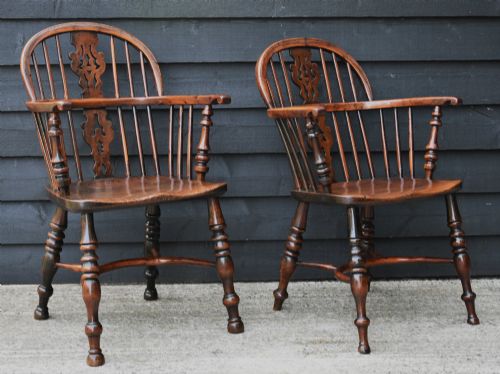
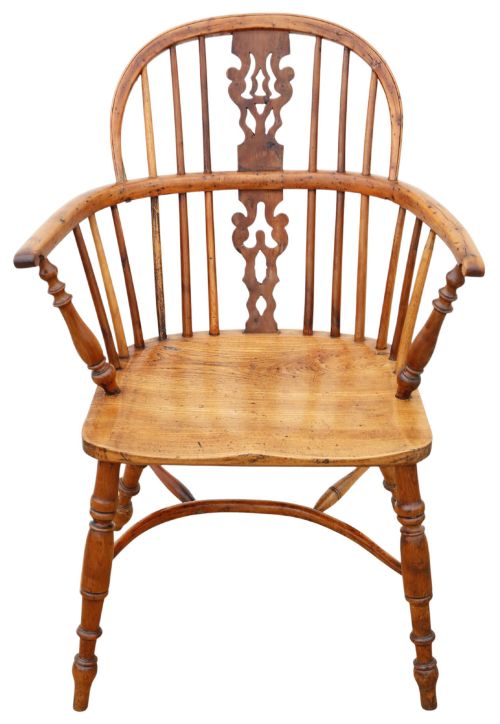
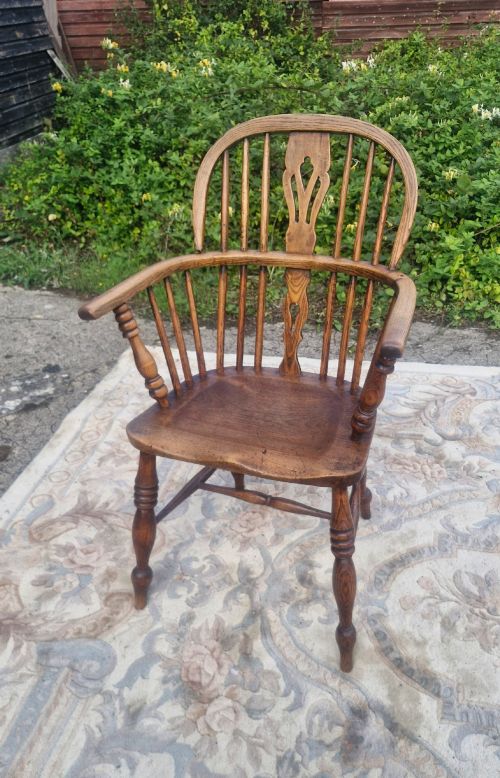
- Windsor armchair
- A wooden seating form featuring a saddle-shaped seat into which the legs and back spindles are wedged directly. These chairs often combine yew and elm.
- Cricket table
- A small, light three-legged table with a round top, traditionally used beside a hearth. The tripod base ensures stability on uneven floors.
- Pembroke table
- A drop-leaf table with hinged flaps on either side, introduced during the eighteenth century. It typically includes a single drawer.
- Joint stool
- A low wooden stool constructed with pegged mortise and tenon joints, predating upholstered seating. They served various household functions in early centuries.
Traditional Accent Furniture: Frequently Asked Questions
What is a corner chair?
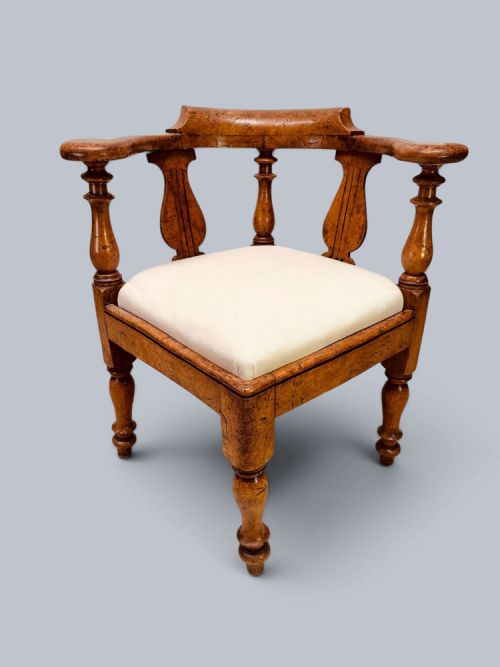
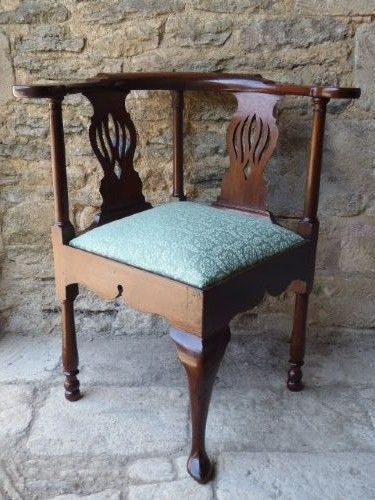
A corner chair is designed to fit directly into the angle of a room, featuring a curved backrest supported by multiple turned posts.
These pieces often double as desk chairs or decorative seating in smaller spaces.
How do I use a wine table?
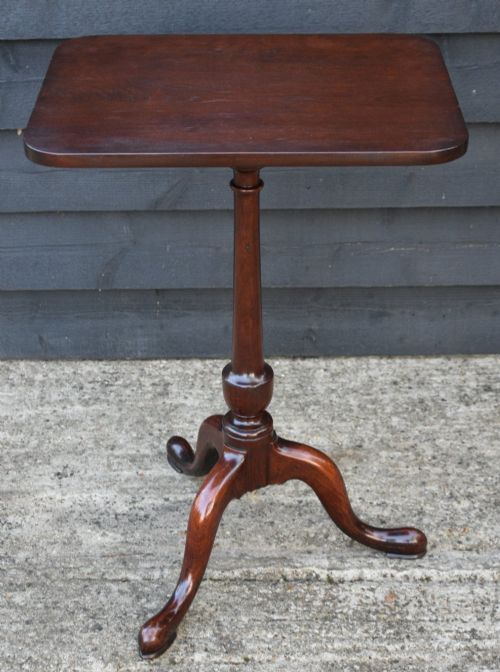
A wine table functions as a small movable surface for holding drinks or small decorative objects beside a larger armchair.
Many examples feature tilt-top mechanisms allowing the surface to fold away flat when not in use.
What defines a hall chair?
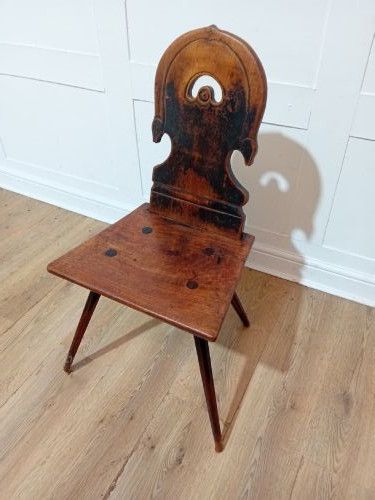
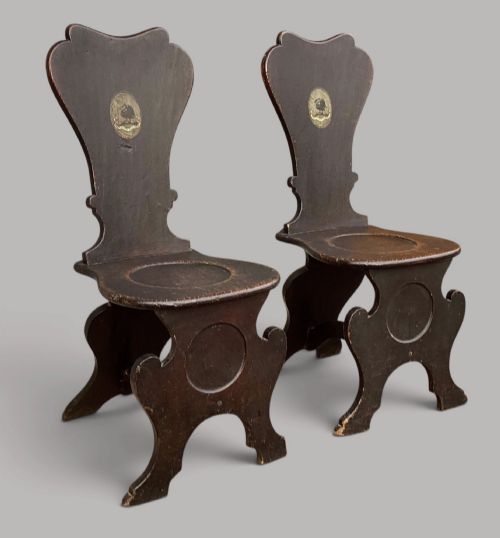
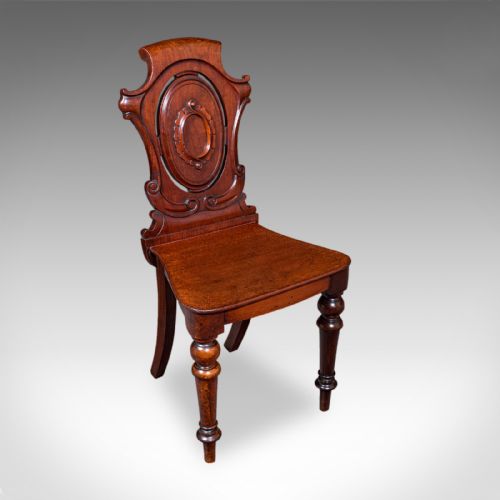
Hall chairs are rigid wooden seats intended for entranceways, usually featuring solid timber backs adorned with carved crests or painted armorials.
They were designed for brief seating rather than long periods of relaxation.
How do I date an oak table?
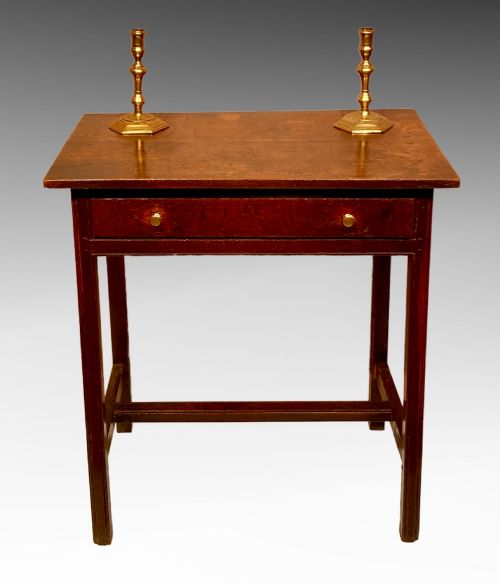
Dating oak furniture involves examining the tool marks, construction joints, and the method by which the timber was sawn.
Earlier pieces display irregular grain patterns and hand-cut joinery, whereas later revival styles show more uniformity.