




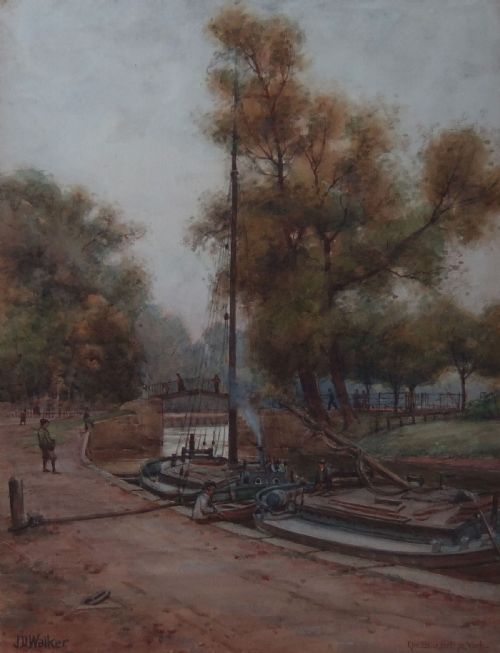


Toned Paper Fine Art
Toned paper fine art brings together atmospheric watercolours and ink drawings set against tinted grounds, offering a distinct sense of depth and luminosity.
Toned Paper Fine Art
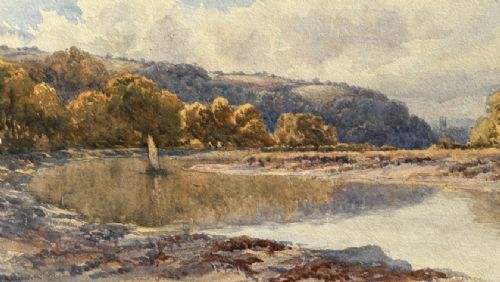
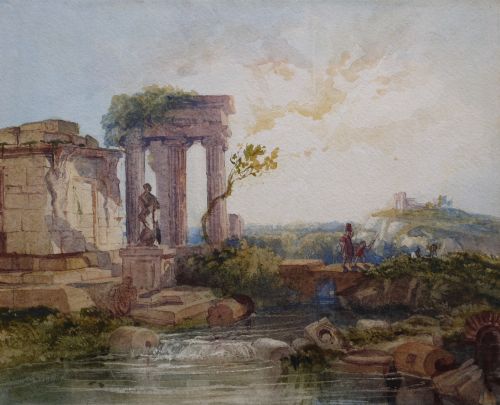
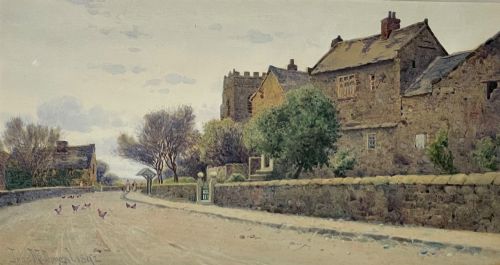
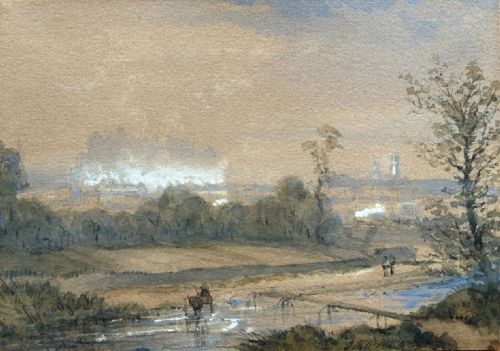
When searching for toned paper fine art, buyers encounter works executed on tinted surfaces rather than stark white sheets. These pieces primarily span the nineteenth century and the early decades of the twentieth century, capturing landscapes, architectural views, and figurative subjects.
British and continental scenes dominate the inventory, ranging from Scottish river landscapes to Italian townscapes. These works showcase the diverse approaches artists took when selecting tinted grounds to enhance their pigments.
How they were made
Artists combined watercolour pigment and ink on specially prepared or naturally tinted paper, allowing the ground to act as an active colour within the scene. Pigments were applied alongside fine line ink work to define architectural details and landscape contours.
Makers often framed these delicate works behind glass to protect the paper surface and the water-soluble pigments from atmospheric damage. The physical support relies on the inherent sturdiness of period paper stock, which holds both wet washes and crisp ink lines.
Toned Paper Fine Art Retail Price Guide 2026
Typical asking prices for toned paper fine art among the pieces listed under this phrase on Sellingantiques today, from the lower quarter to the upper quarter. They describe what is for sale here now, not the wider market.
Listings span the nineteenth and twentieth centuries, featuring works created on paper using watercolour and ink.
What varies in quality
Quality rests in the deliberate handling of the tinted ground, where the artist leaves passages of the paper bare to serve as highlights or shadows. Superior examples demonstrate a confident interplay between opaque bodycolour and translucent washes.
The strength of the draughtsmanship separates routine topographical records from compelling artistic statements. Works that show assured pen and ink work alongside fluid watercolour application hold greater visual presence.
David Law·Richard Principal Leitch·John R Prentice·Thomas Ellison·John McDougal·James Orrock·Thomas Rowlandson·Charles H Poingdestre·Thomas Swift Hutton·John J Hamer·George Cattermole·John D Walker·William Kay Blacklock·John Atkinson·Sir Ernest Albert Waterlow·Fred Cecil Jones·Alfred Leyman
The Toned Paper Fine Art Glossary
- Toned paper
- Paper that possesses a natural or prepared tint, such as grey, buff, or tan, rather than a bright white finish. This background tone provides a mid-tone foundation for the entire composition.
- Bodycolour
- Watercolour paint mixed with a white pigment to make it opaque rather than transparent. Artists use it on tinted paper to create solid highlights and dense areas of colour.
- Fine line drawing
- A detailed linear work executed with a sharp pen and ink. It often provides the underlying structure for watercolours on paper.
- Wash
- A thin, fluid layer of diluted watercolour pigment spread evenly across the paper. It establishes expansive areas of sky, water, or shadow.
Toned Paper Fine Art: Frequently Asked Questions
What is toned paper fine art?
These works are original paintings and drawings created on tinted paper stocks rather than standard white sheets. The background colour actively participates in the visual balance of the piece.
Artists during the nineteenth and early twentieth centuries favoured this technique because it reduced stark contrasts and allowed highlights to be applied with white bodycolour.
How should I frame these watercolours?
Works on paper require framing behind glass to prevent airborne dust and moisture from damaging the pigments and the paper support. Conservation-grade mounts keep the sheet away from the glass.
Direct sunlight causes fading in historic watercolours, so placement away from bright south-facing windows is essential for long-term preservation.
How do I identify period drawings?
Dating relies on stylistic markers, framing evidence, and the type of paper stock used by the artist. Signatures and inscribed locations often link works to specific exhibition dates and sketching tours.
Victorian and Edwardian pieces frequently exhibit characteristic handling of watercolour pigments and ink lines that distinguish them from later reproductions.
Where were these scenes painted?
The subjects range widely across British landscapes, coastal villages, and continental destinations such as Italy and France. Artists travelled extensively to record architectural landmarks and rural scenery.
Many pieces capture specific local views, including Scottish river valleys, northern English towns, and historic almshouses.