





Tole Painted Tray
A tole painted tray brings hand-painted sheet iron into a room with rich pigment and gilt decoration, offering both utility and striking visual presence.
Tole Painted Tray
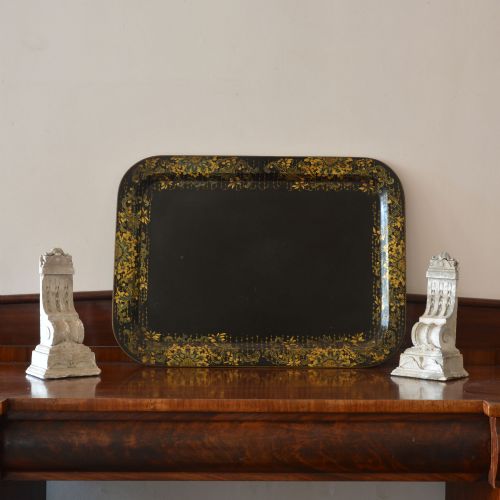
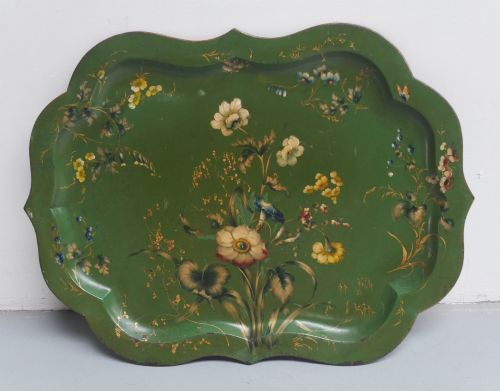
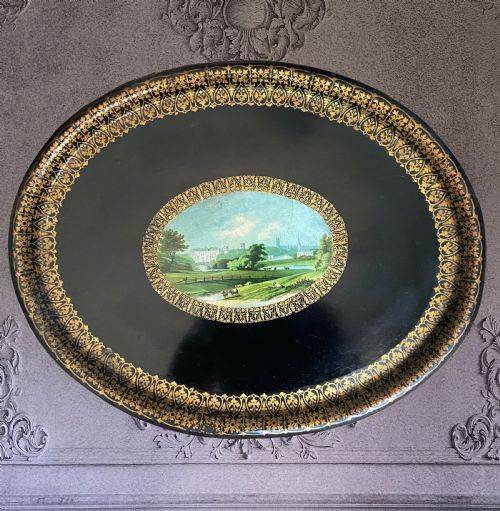
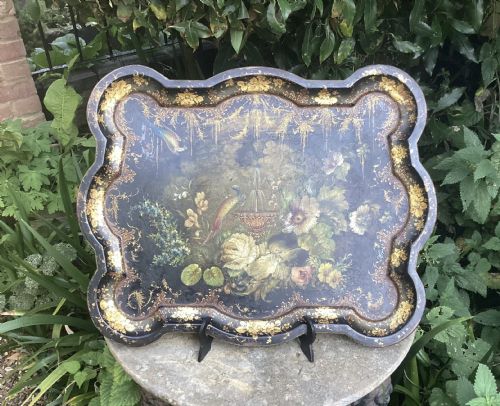
A tole painted tray is a decorated metal piece created for serving or display, frequently appearing in forms like serving trays, decorative trays, and tray tables from the nineteenth century.
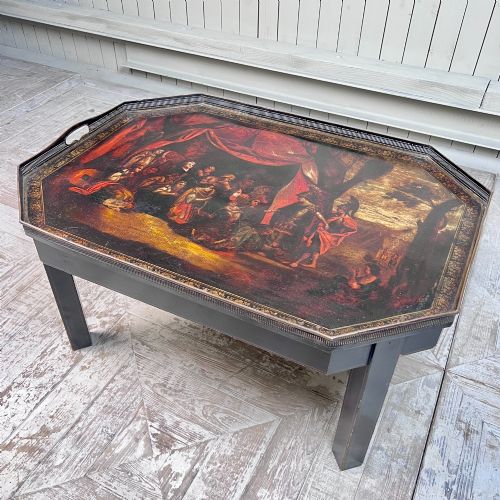
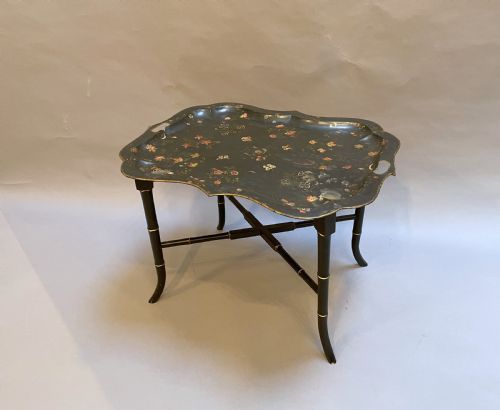
Buyers encounter varied configurations, including large oval or octagonal serving vessels and elevated tray tables supported on custom stands.
The objects span periods from the Regency era through the Victorian period and the French Second Empire, showing regional origins such as Pontypool alongside continental workshops.
How they were made
Artisans formed these pieces using sheet iron or metal substrates, preparing the surface to receive dark lacquer or ground paint before applying detailed artistic motifs.
Makers embellished the compositions with hand painting and delicate gilding, building rich figurative or decorative scenes across the metal plane.
Tole Painted Tray Retail Price Guide 2026
Typical asking prices for tole painted tray among the pieces listed under this phrase on Sellingantiques today, from the lower quarter to the upper quarter. They describe what is for sale here now, not the wider market.
Listings feature pieces spanning the Regency and Victorian periods, alongside French Second Empire examples.
What varies in quality
Quality rests in the precision and complexity of the hand-painted brushwork, distinguishing simple floral borders from elaborate narrative compositions like historical figure scenes.
The finesse of the gilt embellishment and the preservation of the original painted surface separate exceptional examples from standard production.
H. Meeson
The Tole Painted Tray Glossary
- Toleware
- Painted or lacquered metalware, typically manufactured on a sheet iron base during the eighteenth and nineteenth centuries. The term derives from the French phrase for painted sheet metal.
- Pontypool
- A historic British centre for toleware production known for quality japan finishes and metal goods. Pieces from this origin often feature distinctive varnishes.
- Gilt
- A thin layer of gold applied to the surface of the metal tray to highlight borders or decorative details. This technique adds luminous contrast to the dark painted ground.
- Regency
- An English design period spanning the early nineteenth century defined by classical restraint and rich decorative surface treatments. Trays from this era often incorporate bold gilt embellishment.
Tole Painted Tray: Frequently Asked Questions
What is a tole painted tray?
A tole painted tray is a decorative serving piece fashioned from sheet iron and finished with hand-painted designs and lacquer. These objects range from portable serving items to larger formats mounted as occasional tables.
Originating primarily in nineteenth-century workshops, they combine functional metal construction with artistic surface decoration.
How were tole painted trays used?
These pieces served practical functions in domestic interiors for carrying tea, beverages, or dining accessories. Their decorative painted surfaces also made them suitable for display on side tables or walls.
Over time, many examples were fitted onto custom wooden stands to function permanently as coffee tables or side tables.
How do I care for a painted metal tray?
Protect the antique surface by keeping the tray away from direct moisture, excessive heat, and direct sunlight. Clean only with a soft, dry cloth to avoid disturbing the historic paint and gilt layers.
Avoid using liquid cleaners, abrasive pads, or polishes on the painted or gilded areas.
How can I tell the period of a tole tray?
Dating relies on examining the substrate construction, the composition of the paint layers, and the stylistic vocabulary of the artwork. Regency and Victorian examples each display characteristic palettes and decorative motifs.
Reference points include the specific handling of the gilt work and the form of the metal edges.