





Timuri Tribal Weaving
Timuri tribal weaving brings dense nomad craftsmanship into your space, forged from hand-spun wool and camel hair across the Afghan borderlands.
Timuri Tribal Weaving
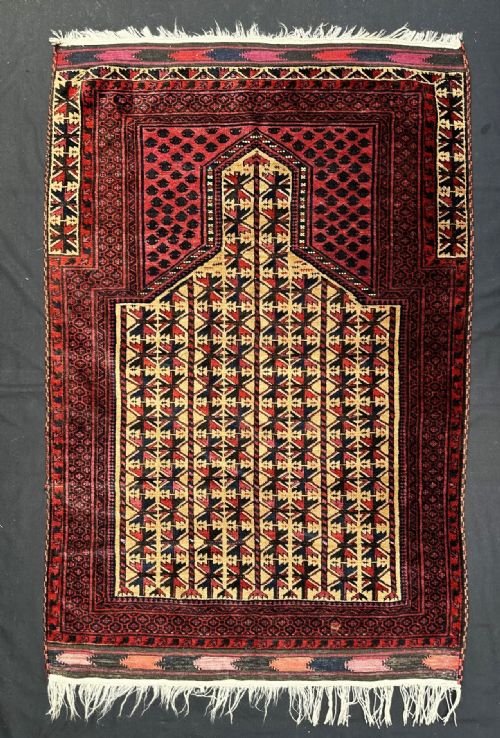
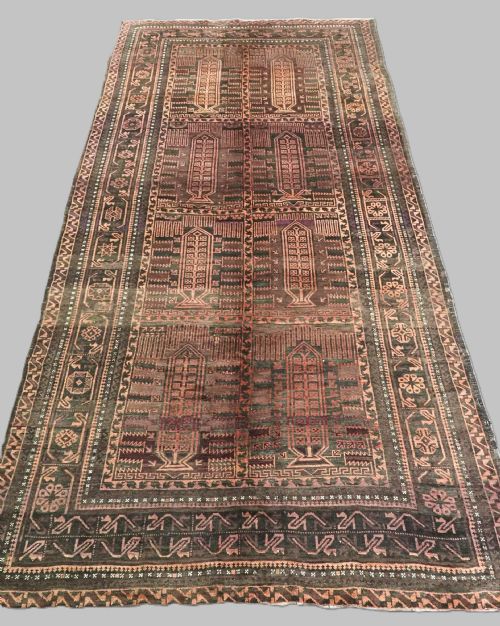
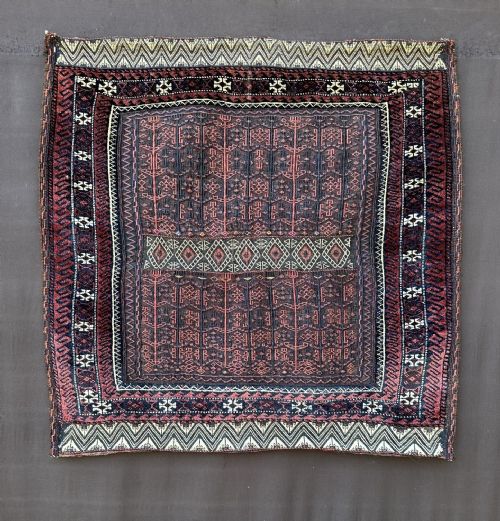
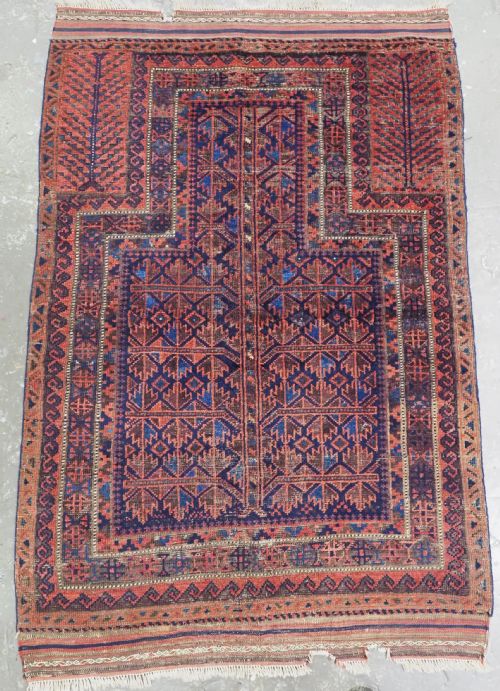
Timuri tribal weaving encompasses floor coverings and household textiles created by nomadic and semi-nomadic groups inhabiting the borderlands of north-eastern Persia and western Afghanistan. These pieces date from the late nineteenth century up to the early twentieth century, capturing a period of traditional tribal production before settled urban influences took over.
The most common forms you will encounter on this page are main carpets, prayer rugs, and utilitarian household items such as bread sofrehs, salt bags, and ru korssi covers. Rugs and carpets tend to feature characteristic geometric field patterns, while utilitarian textiles serve specific domestic functions within the nomadic tent.
Design vocabulary leans heavily towards tribal motifs, including the classic 'pencil box' or kalam donneh pattern, prayer mihrabs, and tree of life compositions. Origins span regional subgroups like the Sangtshuli tribe of the Chakhansur region and the Yaqoub Khani weavers, reflecting distinct tribal identities.
Judging quality
Quality rests upon the fineness of the knotting and the tightness of the weave across wool and hair foundations. Tightly packed rows create a durable textile that holds its geometric precision.
The handling of natural dyes and the crispness of the tribal design dictate visual success. Pieces displaying scarce patterns like the Dokhtar-e-Qazi design or unusual layouts show greater artistic ambition by the weaver.
Timuri Tribal Weaving Retail Price Guide 2026
Typical asking prices for timuri tribal weaving among the pieces listed under this phrase on Sellingantiques today, from the lower quarter to the upper quarter. They describe what is for sale here now, not the wider market.
Current site listings exclusively feature wool, goat hair, hand-spun wool, cotton, and camel hair across nineteenth and early twentieth-century periods.
The Timuri Tribal Weaving Glossary
- Kalam donneh
- A repeating motif resembling a pencil box, often found in main carpets. This design organises the field into neat, compartmentalised rows.
- Sofreh
- A flatwoven or piled cloth used for spreading meals or handling bread. These utilitarian textiles carry tribal symbols specific to the weaving group.
- Ru korssi
- A decorative cover draped over a low table heated by a brazier. Nomadic households used these textiles to retain warmth in domestic spaces.
- Mihrab
- An arch-shaped niche depicted on prayer rugs to direct the worshipper. Its pointed design indicates the direction of prayer.
- Warp
- The vertical threads stretched tightly on the loom before weaving begins. These foundational threads support the entire structure of the carpet.
Timuri Tribal Weaving: Frequently Asked Questions
How do I date a Timuri rug?
Dating relies on material analysis, structural evidence, and stylistic markers compared against known nineteenth-century examples. Natural dye palettes and hand-spun wool foundations typically point to production before the twentieth century.
Changes in structure and synthetic dye introduction help separate nineteenth-century pieces from later twentieth-century village work.
Where were these textiles made?
These pieces originate from the borderlands of north-eastern Persia and western Afghanistan. Specific regions include the Chakhansur region and western Afghan tribal encampments.
Nomadic groups moved across these frontiers, sharing design influences with neighbouring Baluch populations.
How do I care for antique wool rugs?
Vacuum gently without a rotating brush roll to protect the hand-spun wool pile and goat hair foundations. Keep the textile out of direct sunlight to prevent natural dye fading.
Rotate the rug periodically to ensure even wear across high-traffic floor areas.