




Timber Umbrella Stand
These timber umbrella stand pieces range from Victorian country pine to Black Forest carvings, offering practical hallway storage with genuine historical character.
Timber Umbrella Stand
A timber umbrella stand provides a dedicated place to store wet walking sticks, canes, and umbrellas in a hallway or entrance. Buyers searching for a timber umbrella stand will find substantial pieces designed to handle everyday household use while anchoring the entrance space.
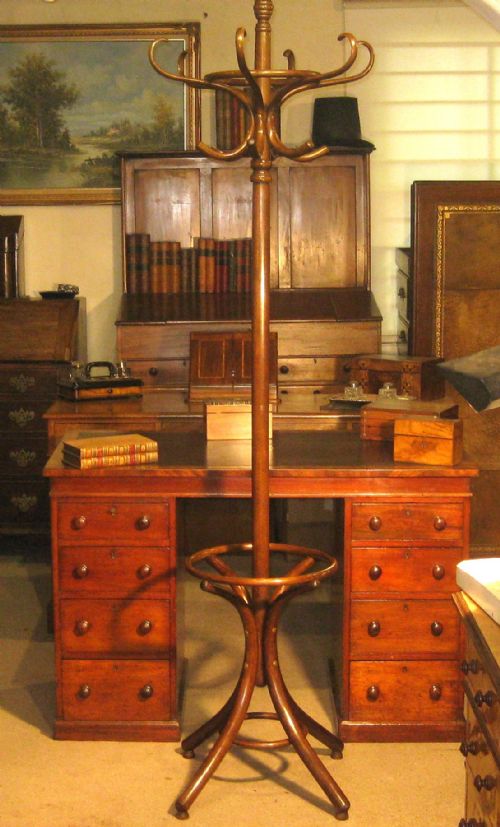
The selections span the nineteenth century and the early twentieth century, taking forms such as dedicated stick stands, revolving bentwood hatstands, and larger hall stands. Originating from periods including the Victorian and Edwardian eras, these items reflect the practical domestic needs of past households.
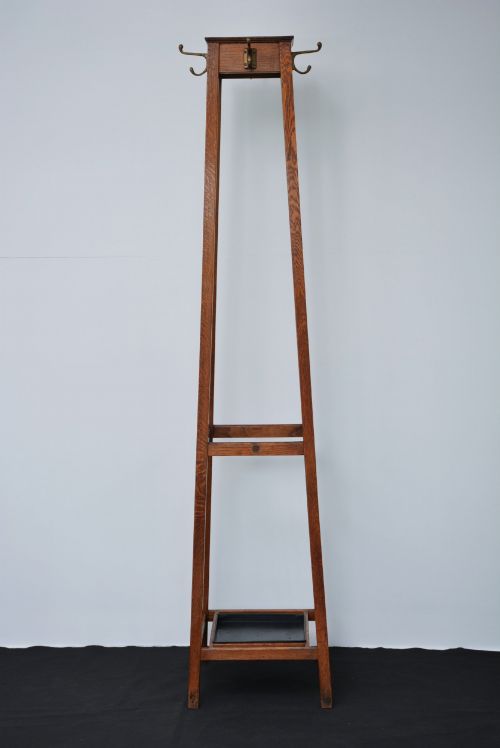
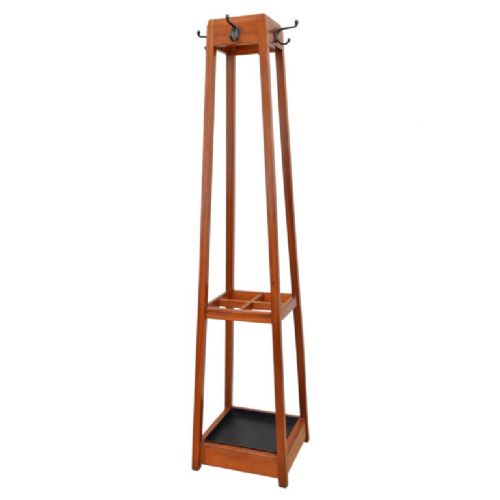
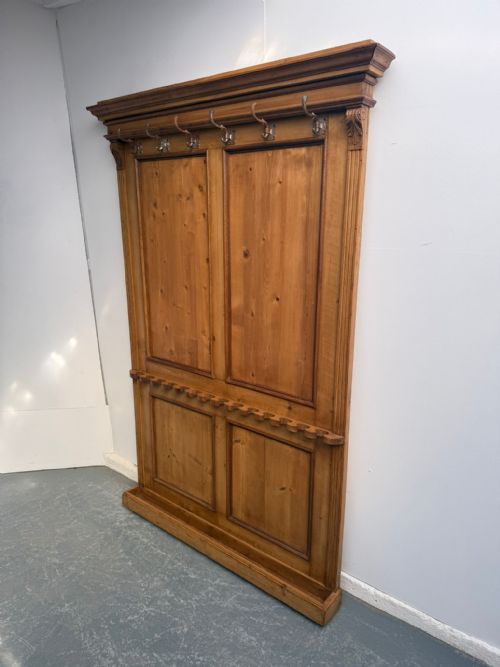
Materials vary from solid oak and pitch pine to carved hardwood and maple, often incorporating metal drip pans or brass details. Many pieces combine multiple functions, serving simultaneously as coat racks, hat stands, and umbrella storage.
What varies in quality
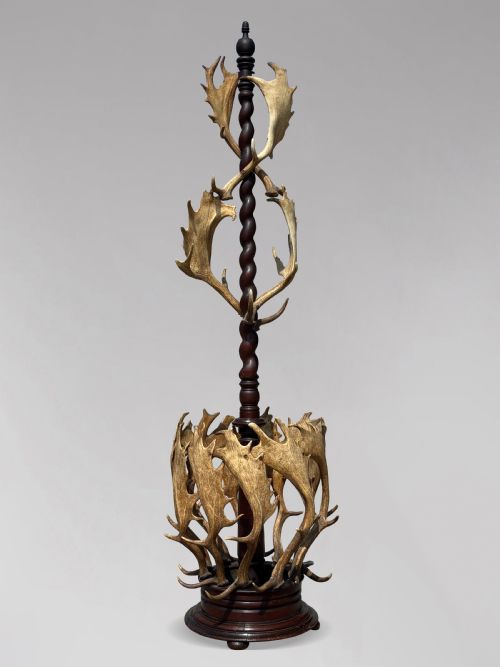
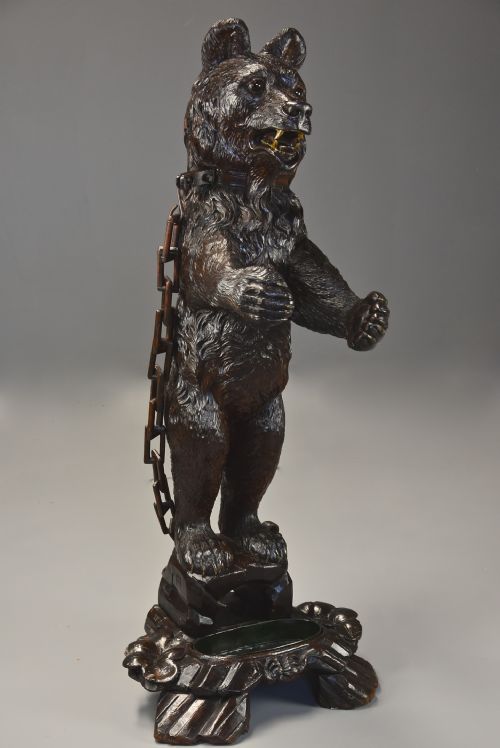
The depth of carving and the selection of timber dictate the distinction between standard utilitarian items and masterworks. Finely carved Black Forest examples featuring complex animal motifs demonstrate high sculptural skill compared to simpler turned wooden frames.
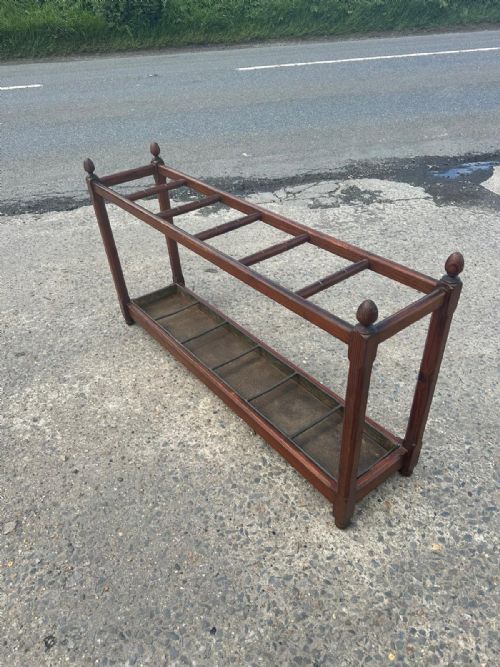
Structural integrity and the survival of original components, such as internal metal liners or drip trays, influence the overall character of a piece. Solid construction in woods like oak, mahogany, or pitch pine ensures lasting durability through changing domestic environments.
Several pieces feature carved bears keeping watch over stray walking sticks and umbrellas.
J. Parker of Woodstock·Astrola
The Timber Umbrella Stand Glossary
- Hallstand
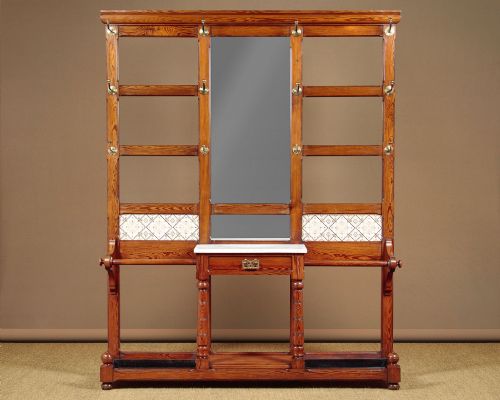
- A piece of hallway furniture combining umbrella storage with hooks for hats and coats, frequently including a mirror or glove box. They anchor traditional entrance spaces.
- Bentwood
- Wood that has been rendered pliable by steam and then bent into curved shapes, commonly utilised in Edwardian and nineteenth-century stands. This technique creates strong yet light frames.
- Black Forest
- A nineteenth-century style of intricate wood carving originating from the German region, typically featuring naturalistic animal subjects like bears and foxes. These carvings are applied directly to hall stands and stick holders.
- Pitch Pine
- A durable resinous softwood utilised in nineteenth-century country house furniture and utilitarian items. It provides resistance to moisture from wet umbrellas.
Timber Umbrella Stand: Frequently Asked Questions
What is a timber umbrella stand?
A timber umbrella stand is a piece of hallway furniture made from woods such as oak, pine, or walnut, designed to hold wet umbrellas and walking sticks. These items help keep entrance areas tidy while adding period character to a home.
Designs range from simple nineteenth-century dug-out tree trunks to elaborate carved hall stands and revolving bentwood frames. Many include integrated metal liners or trays to catch water from wet items.
How do I care for a wooden stick stand?
Maintaining a wooden stick stand involves keeping the interior metal drip pan clean and dry to prevent moisture from damaging the surrounding timber base. Regular dusting and occasional application of appropriate wood wax preserve the finish.
Placing the stand away from direct heat sources prevents the wood from drying out and cracking. Ensuring that wet items are shaken before storage protects the internal structure.
How do I identify Victorian hall stands?
Victorian hall stands typically feature dense hardwoods like mahogany, walnut, or oak, often decorated with turned spindle work, bevelled mirrors, and carved panels. They reflect the ornate domestic tastes of the nineteenth century.
Many incorporate heavy coat hooks and dedicated umbrella wells with original metal drip trays. The construction relies on traditional joinery methods appropriate for the period.
Where should I place a hall stand?
A hall stand belongs in an entrance hall, boot room, or large hallway where wet weather gear and outdoor garments are deposited upon entry. Its vertical proportions make it suitable for narrow wall spaces.
Sufficient clearance around the piece allows easy access to coat hooks, mirrors, and umbrella wells. Pairing the stand with complementary wooden furniture enhances the traditional feel of the entrance.