


Timber Trestle Dining Table
A timber trestle dining table brings enduring utility and robust character to a room, offering sturdy surfaces shaped by generations of practical use.
Timber Trestle Dining Table
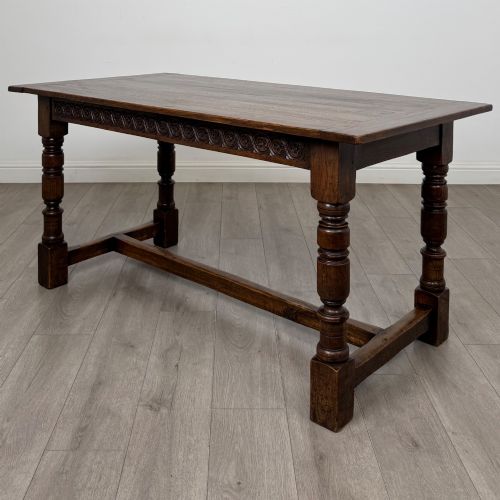
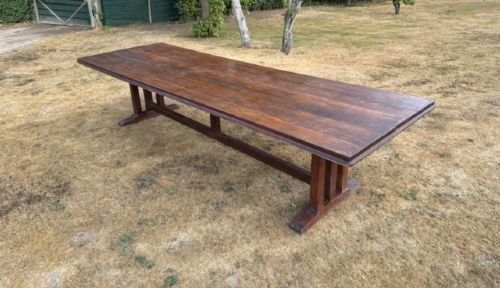
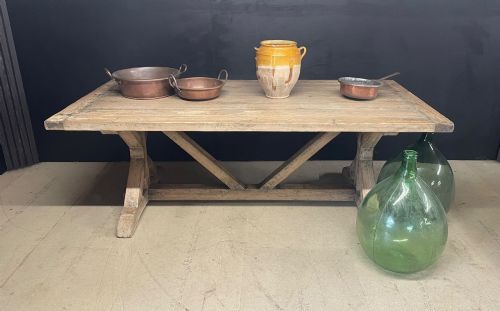
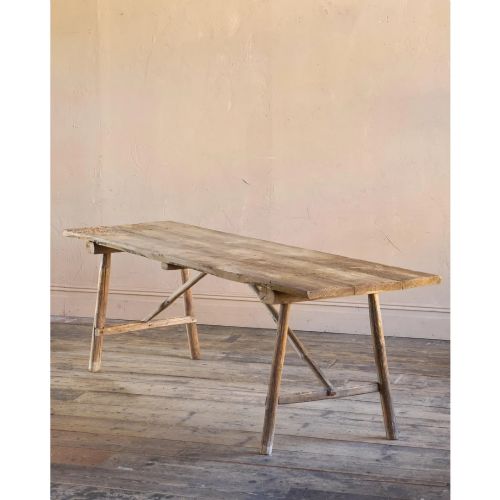
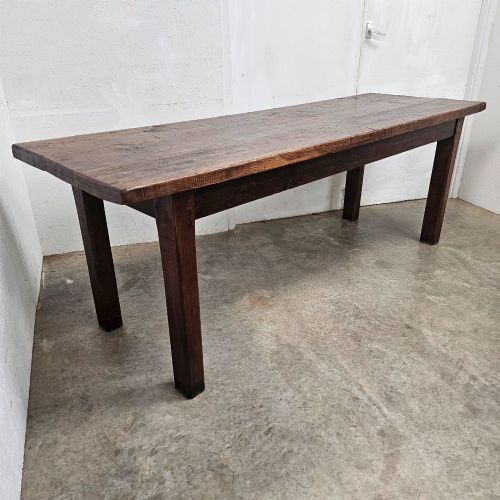
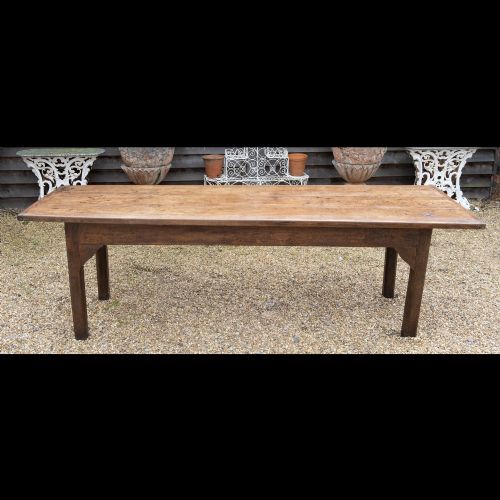
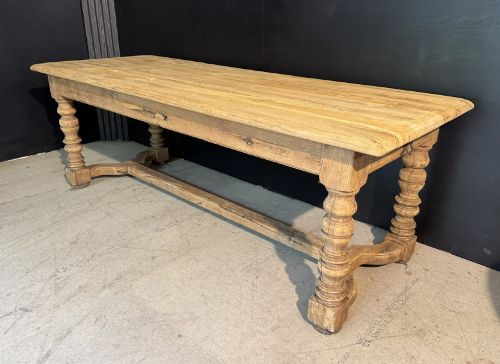
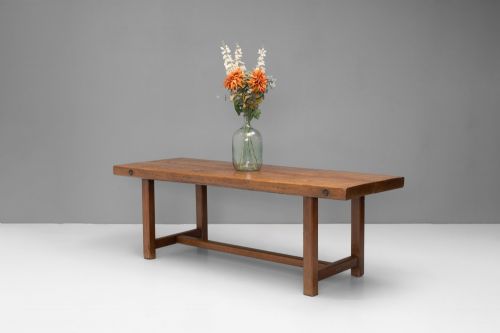
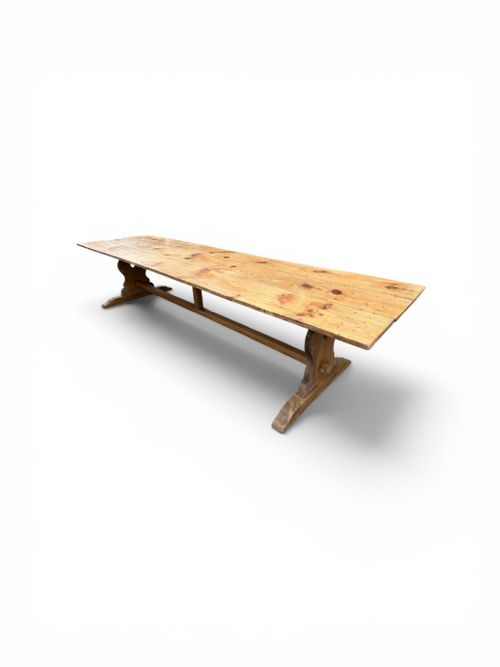
A timber trestle dining table forms the centrepiece of communal spaces, drawing inspiration from utilitarian forms found across centuries. When searching for a timber trestle dining table, buyers encounter examples originating from French provincial workshops to English country kitchens, spanning periods from the eighteenth century through the Edwardian era. These pieces frequently manifest as substantial farmhouse boards, refectory styles, or folding designs supported by sturdy end uprights rather than traditional corner legs.
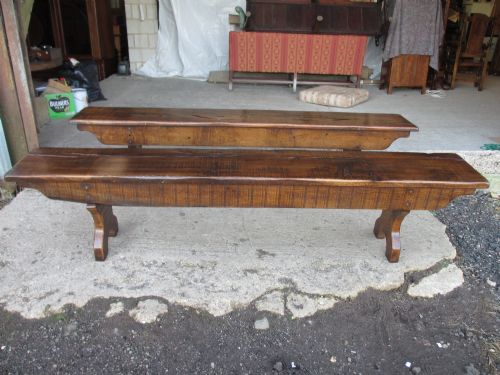
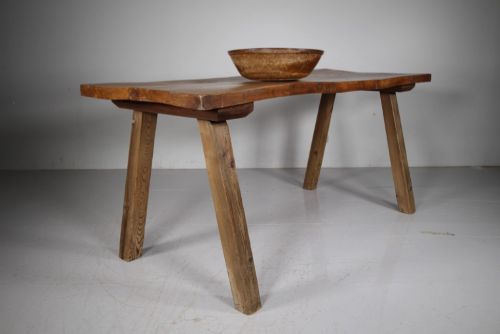
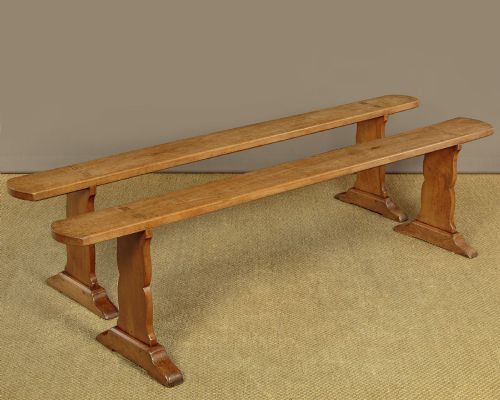
The material palette of a timber trestle dining table relies heavily on domestic hardwoods and softwoods recorded in the listings, including oak, pine, elm, sycamore, cherrywood, chestnut, and poplar. Alongside wooden construction, certain variants incorporate iron or wrought iron supports, merging industrial strength with domestic warmth. Forms range from compact kitchen boards to large three-metre dining surfaces and paired benches designed for substantial gatherings.
Methods and materials of construction
Makers of a timber trestle dining table utilised solid native timbers, selecting oak, elm, and pine for their structural resilience and capacity to endure heavy daily labour. Planks were joined and secured to substantial trestle ends, sometimes employing pegged joints or sturdy crossbeams to stabilise the expansive tops without inhibiting legroom. Scrubbed finishes, natural bleaching, and regional paints such as Swedish Falu red protected the wood while accommodating functional wear.
The integration of metal components appears in specific pieces, where cast iron or wrought iron frames provide rigid support for wooden tops, particularly in industrial or garden contexts. Woodworking techniques prioritized utility and stability, resulting in thick tabletops, durable poplar or oak frameworks, and demountable folding mechanisms intended for versatile storage and transport.
Some nineteenth-century tables arrive with secret drawer compartments, built quietly into the framing to keep bread knives safely tucked away from wandering farmyard hands.
Distinctions in craftsmanship and material grade
The quality of a timber trestle dining table rests upon the selection and thickness of the primary timbers, where dense grain patterns in older oak, elm, or chestnut provide superior longevity compared to lighter softwoods. The integrity of the joint work between the top planks and the trestle supports determines the overall stability of the structure. Superior examples demonstrate thoughtful timber matching and robust joinery that withstands centuries of shifting humidity without losing balance.
Proportion and surface preservation further differentiate specimens, as well-balanced proportions and harmonious wood patination reflect thoughtful workshop execution. Tables that retain original surface treatments, whether scrubbed finishes or historical paint layers, exhibit an authentic integration of material and form that distinguishes exceptional vernacular furniture from routine utility items.
The Timber Trestle Dining Table Glossary
- Trestle
- A structural support consisting of a horizontal beam fixed to two splayed legs, allowing maximum legroom beneath long tabletops. This form dates back to medieval refectories.
- Refectory table
- A long, narrow dining table traditionally used in communal dining halls and monastic institutions. These pieces often feature stretcher rails connecting the base supports.
- Scrubbed finish
- A surface treatment resulting from repeated washing and scouring with abrasive materials, which lightens the timber and accentuates the natural grain. This treatment is typical of utilitarian kitchen and farmhouse tables.
- Falu paint
- A traditional Swedish matte red paint derived from copper mine waste, utilised extensively on Scandinavian woodwork. It provides durable protection against harsh weather and wear.
- Plank-top
- A tabletop constructed from several distinct boards joined edge to edge. This method accommodates the natural expansion and contraction of solid timber over time.
Timber Trestle Dining Table: Frequently Asked Questions
How do I style a timber trestle dining table?
Pair the table with benches or mismatched chairs to accentuate its vernacular charm and accommodate flexible seating arrangements.
Keep surface decoration simple, allowing the aged timber grain and structural trestle ends to remain the visual focus of the room.
Are these tables suitable for daily family use?
These tables were originally built for heavy daily labour and communal dining, making them exceptionally durable for modern households.
Their robust construction handles everyday wear with ease, while existing surface marks often contribute to the character of the piece.
How do I identify the age of a wooden table?
Examine the timber species, tool marks left on the underside, and the method of joining the planks and trestle supports together.
Older examples from the eighteenth and early nineteenth centuries often display hand-sawn boards, peg construction, and deep natural patination developed over generations.
What is the difference between a farmhouse table and a refectory table?
Farmhouse tables typically feature straightforward four-leg configurations or simple trestle supports designed for domestic kitchen work and family meals.
Refectory tables are generally longer and narrower, historically associated with formal communal dining and reinforced with low stretcher rails between the base supports.