

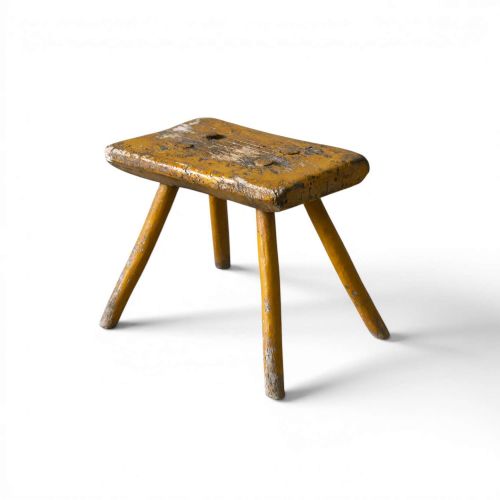
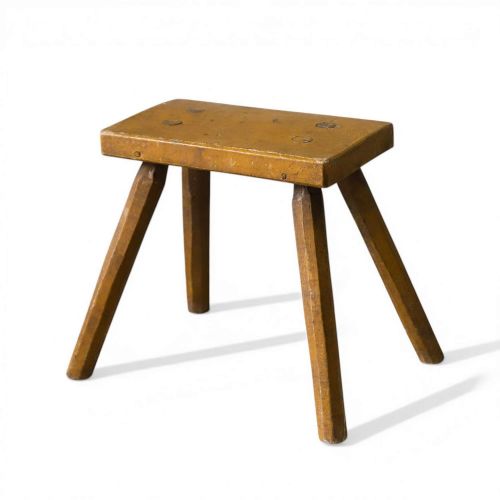

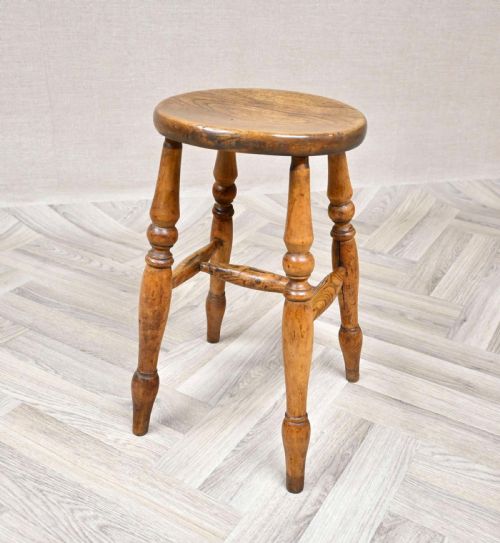
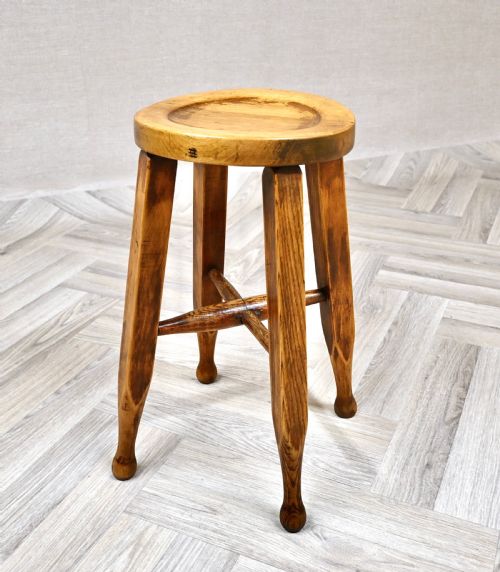


Timber Leg Footstool
These timber leg footstool pieces are practical domestic seats and supports, offering solid wood construction and varied period charm for daily use.
Timber Leg Footstool
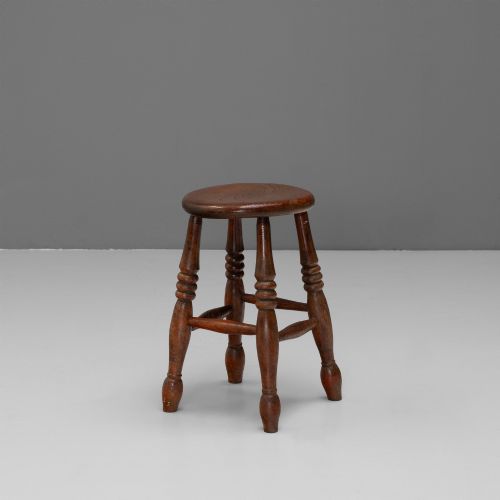
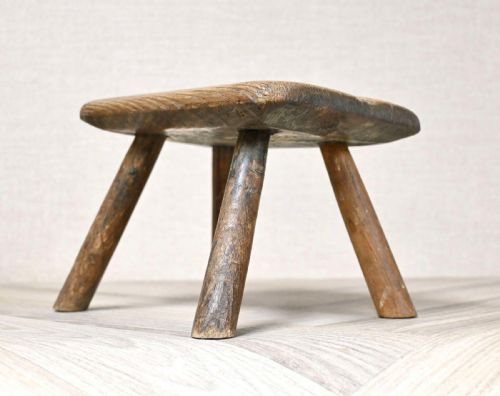
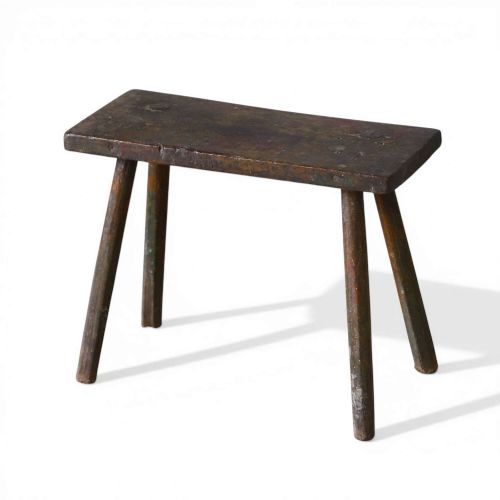
A timber leg footstool is a low domestic seat or support encountered across the eighteenth, nineteenth, and early twentieth centuries. These pieces encompass utilitarian milking stools, hearth stools, and upholstered Victorian designs.
The selection ranges from vernacular rustic country items in elm and pine to more formal rosewood and mahogany examples. Sturdy hardwood and softwood frames define the primary forms available on this page.
Makers produced these functional items for specific domestic tasks or fireside comfort, utilising local timber resources. Buyers will find both unpainted wooden surfaces and pieces retaining original ochre, yellow, or green paint.
How they were made
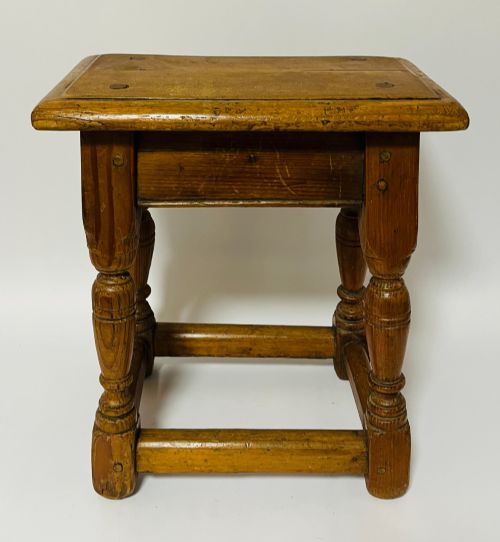
Construction relies on solid timbers such as oak, elm, pine, beechwood, and teak, often shaped with turned legs or carved supports. Joinery methods include traditional joint stool construction and Windsor framing techniques.
Surface treatments vary from polished hardwood finishes and burr yew wood to applied coats of original paint. Upholstered variants incorporate fabrics, woven rattan, cane, and velvet, sometimes paired with adjustable mechanisms.
Timber Leg Footstool Retail Price Guide 2026
Typical asking prices for timber leg footstool among the pieces listed under this phrase on Sellingantiques today, from the lower quarter to the upper quarter. They describe what is for sale here now, not the wider market.
Listings feature items spanning the 18th, 19th, and early 20th centuries, utilising elm, pine, teak, oak, and woven rattan.
What varies in quality
The sophistication of the joinery and the selection of secondary woods influence the overall merit of a piece. Finer examples display careful proportion and harmonious integration between the timber legs and the seat.
The Timber Leg Footstool Glossary
- Joint stool
- An early form of wooden stool constructed with mortise and tenon joints rather than turned legs driven into a solid seat.
- Milking stool
- A simple three or four-legged functional seat historically used by agricultural workers during dairy tasks.
- Windsor stool
- A piece featuring turned legs wedged directly into a thick, often saddled wooden seat.
- Gout stool
- An adjustable footrest designed to elevate and support the foot or leg for health purposes.
- Vernacular
- Objects built by local craftsmen to satisfy practical daily needs without reference to high-style academic design.
Timber Leg Footstool: Frequently Asked Questions
How do I date an old wooden stool?
Dating relies upon examining the tool marks, timber species, joinery methods, and any surviving surface finishes like old paint or wax.
Comparing the turning style of the legs and the wear patterns on the seat provides further context for the period of manufacture.
Were these stools used in the kitchen?
Many sturdy timber stools served utilitarian roles in kitchens, dairies, and farmhouses for daily chores.
Lighter or upholstered variants were intended for sitting near the hearth or in reception rooms.
How do I clean a painted wooden seat?
Cleaning requires a soft, dry cloth to remove surface dust without disturbing fragile historic paint layers.
Avoid harsh liquid cleaners or chemical solvents that might strip original ochre, yellow, or green pigments.
What is the difference between elm and pine stools?
Elm offers a tough, interlocking grain that resists splitting, making it ideal for solid shaped seats and traditional country furniture.
Pine provides a softer, lighter softwood alternative that builders frequently utilised for painted vernacular items.