
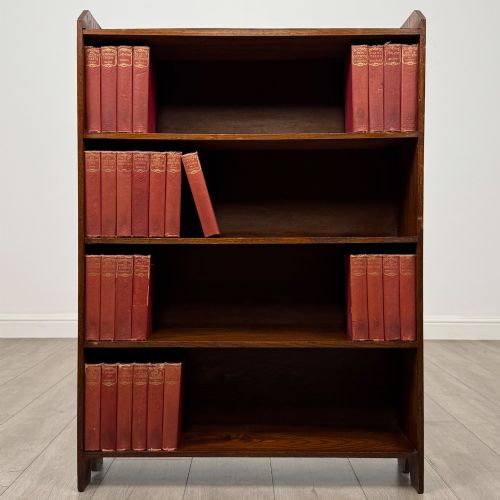
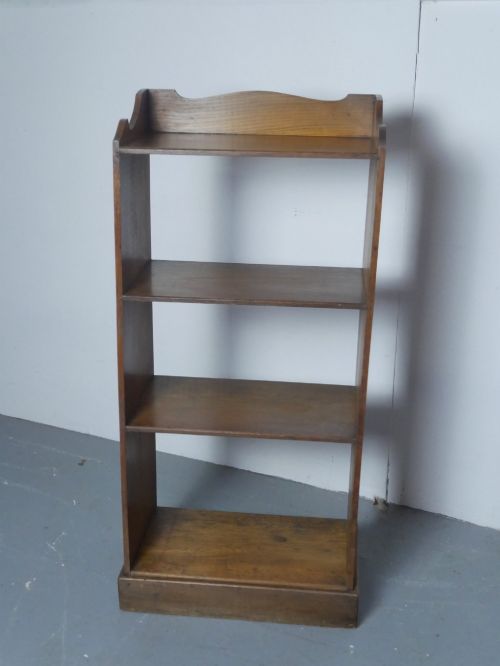
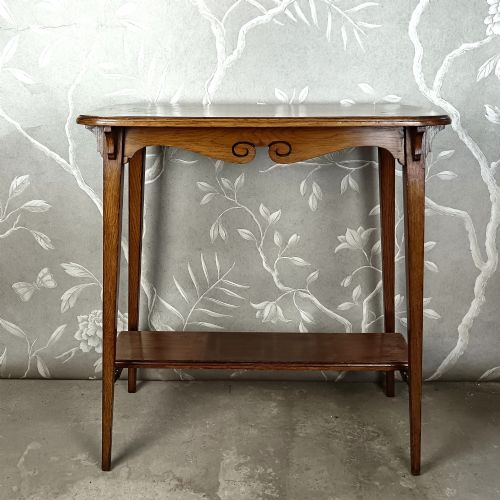


Tiered Oak Display Stand
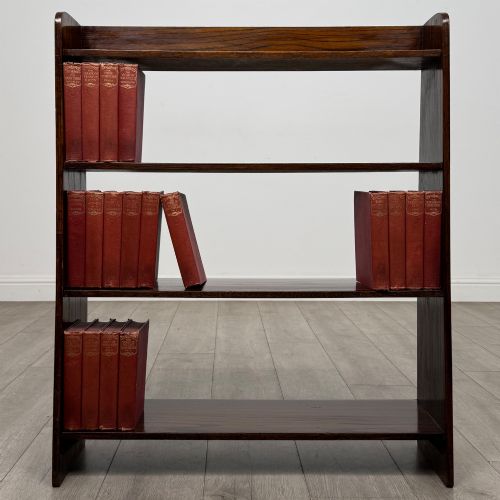
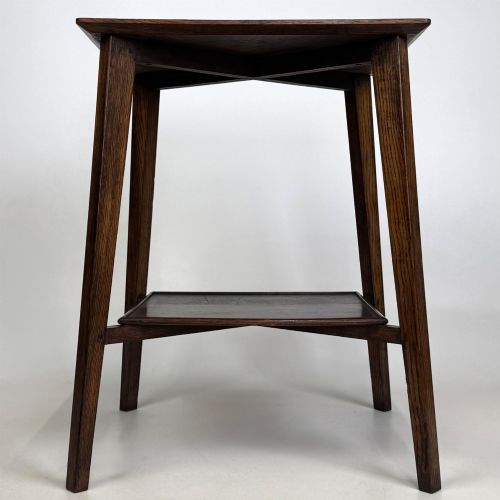
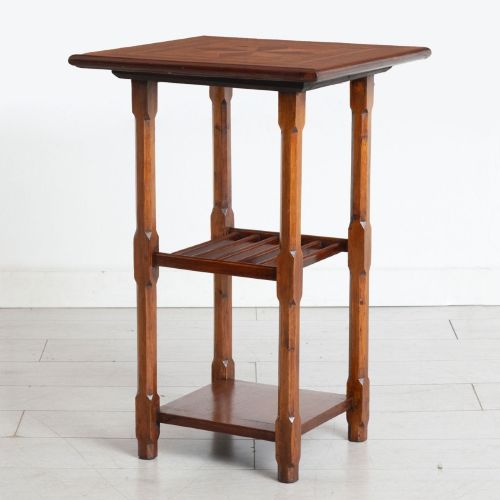
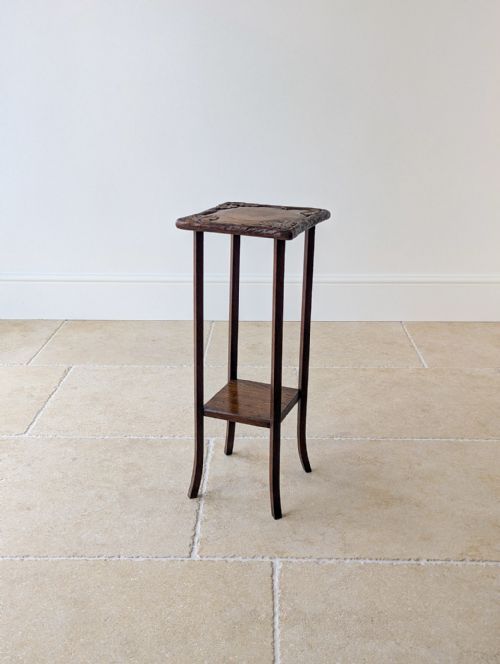
A tiered oak display stand brings architectural height and warmth to a room, offering multiple levels to exhibit small objects.
Tiered Oak Display Stand
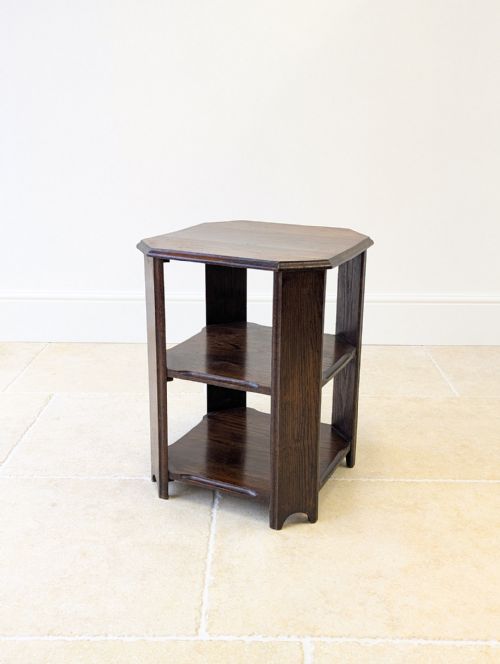
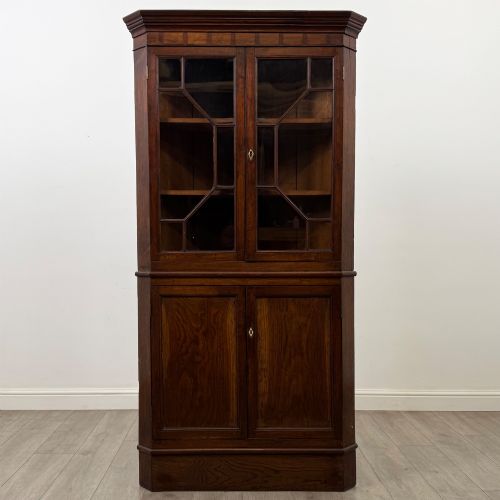
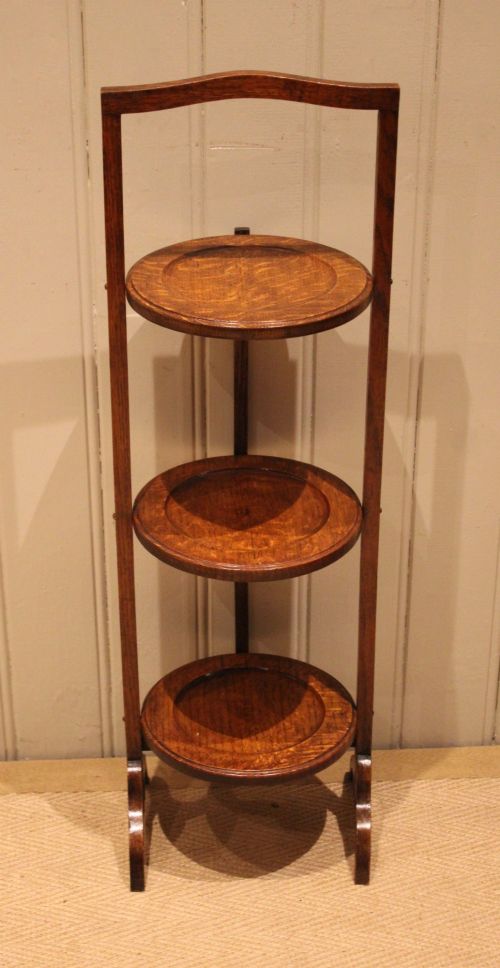
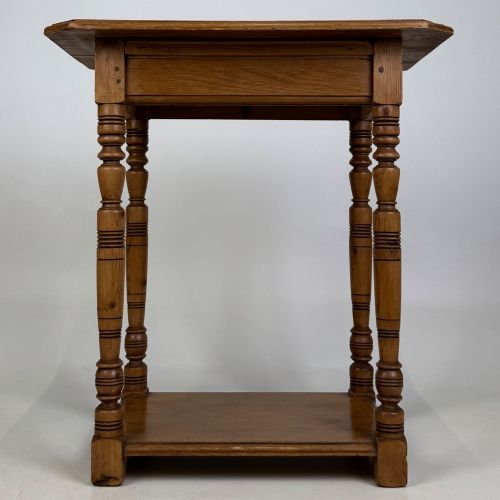
A tiered oak display stand appears across various forms in the evidence, ranging from folding cake stands and plant stands to etageres and shop display tables. Buyers searching for a tiered oak display stand encounter pieces predominantly from the Edwardian period and the early twentieth century, alongside nineteenth-century examples and earlier Georgian furniture.
The structure typically involves multiple ascending levels supported by columns, folding frames, or barley twist uprights, designed originally for domestic tea service, plant display, or retail merchandising. These stands utilise the natural grain and durability of oak, sometimes incorporating glass, brass, or marble elements to create functional surface area in compact footprints.
Materials and Construction
Solid oak serves as the primary structural material across these pieces, frequently complemented by secondary timbers such as mahogany or pine. Joinery methods include traditional framing, fret-cutting, and turning for upright supports like barley twist columns.
Metal components appear in hinges for folding cake stands, alongside brass fittings and occasional bronze framework on shop display counters. Surface finishing relies on polished or golden oak treatments that accentuate the natural timber grain.
Periods represented range from eighteenth-century Georgian examples to 1930s shop display counters.
Distinctions in Execution
Quality in a tiered oak display stand rests on the crispness of the turning, the precision of fret-cut details, and the stability of the tiers under weight. Better examples show careful selection of figured timber grain and robust structural joints that maintain level surfaces.
Simpler utilitarian pieces, such as shop fittings or folding stands, prioritise practical endurance over decorative carving, whereas fine quality items exhibit refined edge mouldings and harmonious proportions between the tiers.
The Tiered Oak Display Stand Glossary
- Tiered
- Having levels arranged one above another. This configuration maximises vertical display space.
- Cake Stand
- A freestanding piece with multiple circular or shaped shelves. Originally used for serving afternoon tea.
- Etagere
- A piece of furniture consisting of a set of open shelves for displaying small objects. French in origin, it often incorporates mixed materials like marble and canework.
- Plant Stand
- A tall, slender support designed to hold a single pot of greenery. They often feature multiple tiers at varying heights.
- Barley Twist
- A type of turning resembling a spiralling rope. It is frequently found on the upright supports of Edwardian furniture.
- Fret-Cut
- Sawn with a fretsaw to create decorative pierced patterns. This technique appears on brackets and bookcase galleries.
Tiered Oak Display Stand: Frequently Asked Questions
What were tiered oak stands used for?
These stands served domestic and commercial purposes, holding cakes for tea, displaying decorative plants, or presenting retail goods on shop counters.
Their stepped design allowed multiple items to be viewed simultaneously without taking up excessive floor space.
How do I date an oak display stand?
Dating relies on stylistic markers such as Edwardian fret-cutting, Victorian turning, or the simpler lines of early twentieth-century pieces.
Hardware, joinery techniques, and the colour of the oak finish also provide clues to the decade of manufacture.
Are these stands sturdy enough for daily use?
Most pieces were built to support books, china, or plants, making them robust for normal household placement.
Folding versions require careful handling at the hinges to ensure the tiers remain level when opened.
Where should I place a tiered stand in a room?
Corner positions suit triangular cabinet variants, while freestanding etageres and plant stands function well against plain walls or beside seating.
The vertical format draws the eye upward, making them useful in rooms with limited floor area.