



Tibetan Gilt Figure
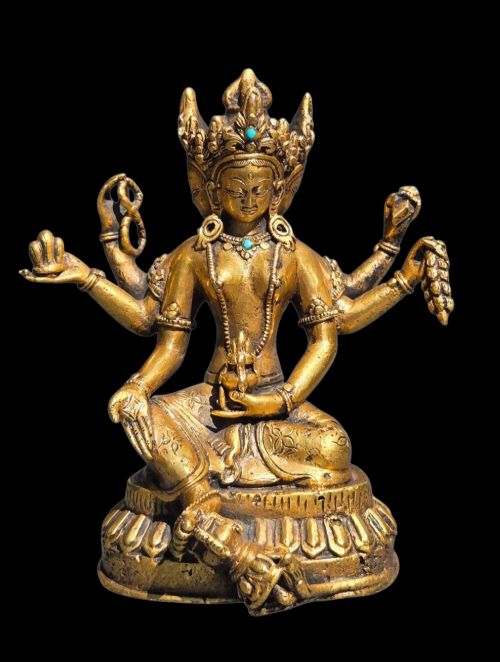
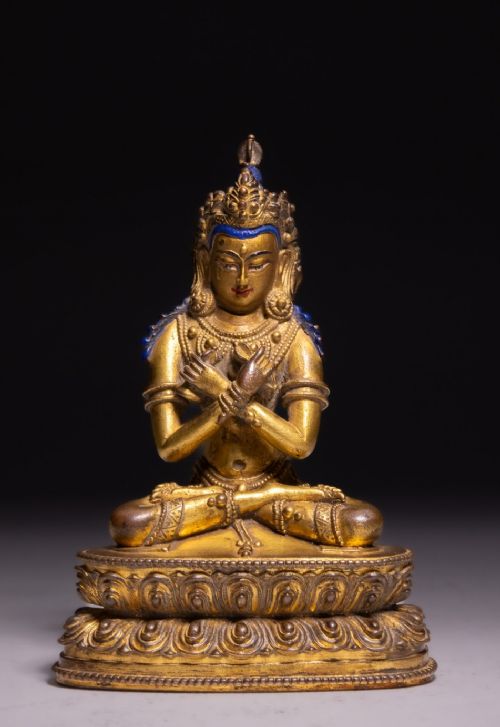
A tibetan gilt figure brings the rich ritual art of the Himalayas into a room, prized for its gleaming metal surface and intricate divine iconography.
Tibetan Gilt Figure
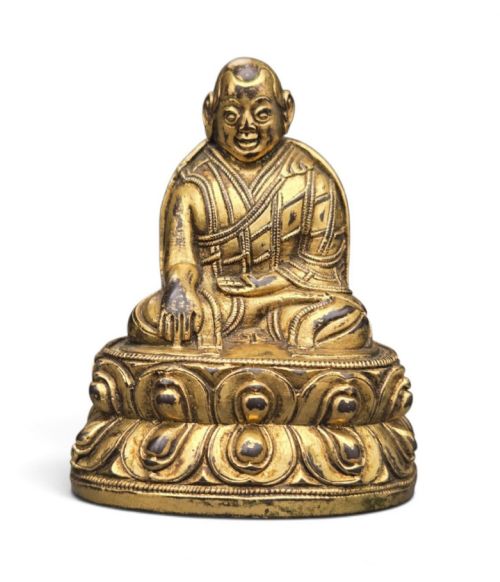
When you search for a tibetan gilt figure, you encounter sacred sculptures depicting deities, lamas, protectors, and mythical beasts from Buddhist and Hindu traditions. These pieces range from miniature depictions of teachers to large ritual statues created for temple worship.
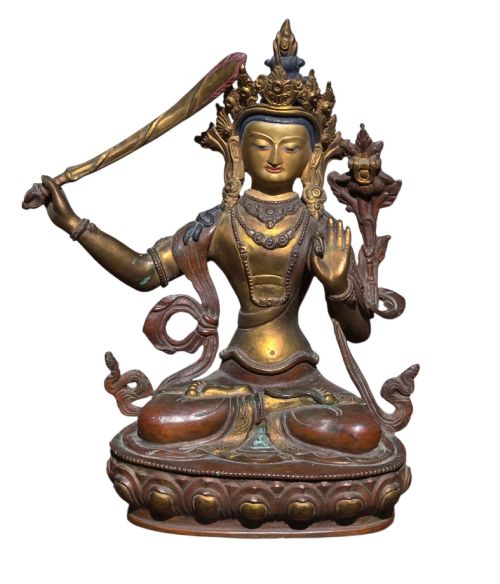
The versions you are most likely to meet on this page span several centuries, including 16th-century wrathful protectors, 18th-century bodhisattvas, and early 20th-century temple lions and Buddhas. Sino-Tibetan styles appear frequently alongside traditional Tibetan works.
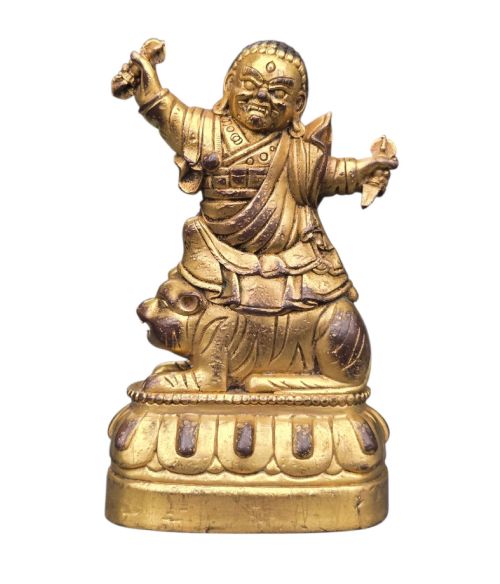
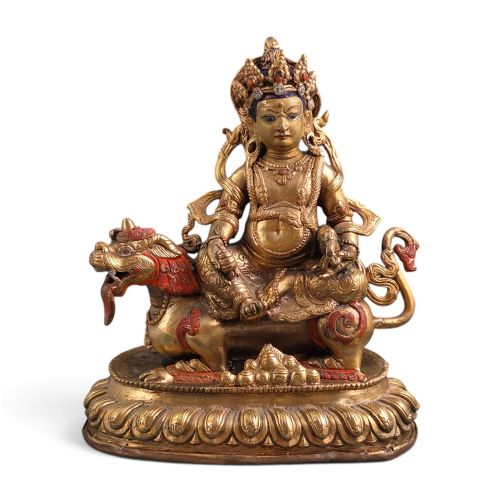
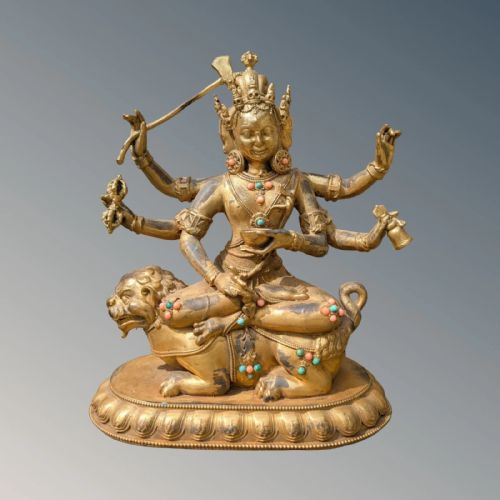
Forms include multi-armed deities, figures seated on tigers or lions, and wrathful deities like Vajrakilaya. Each sculpture reflects the specific iconography of its subject, whether peaceful or fierce.
How they were made
Many sculptures incorporate mineral inlays such as turquoise and coral to accent jewellery, crowns, and borders. These materials required precise setting techniques into the metal body during the finishing process.
Tibetan Gilt Figure Retail Price Guide 2026
Typical asking prices for tibetan gilt figure among the pieces listed under this phrase on Sellingantiques today, from the lower quarter to the upper quarter. They describe what is for sale here now, not the wider market.
Several fierce protectors maintain an intense glare while comfortably seated atop tigers and lions.
What varies in quality
The precision of the casting and the depth of the chasing separate the finest sculptures from simpler pieces. Superior examples exhibit sharply defined facial expressions, intricate drapery folds, and clean detailing in ornaments and hair.
The preservation of the original gilt surface and the secure placement of mineral inlays strongly influence the visual impact of a piece. Wear to the gilding or loss of turquoise and coral inlays alters the overall integrity of the surface.
The Tibetan Gilt Figure Glossary
- Gilt bronze
- Metal cast in bronze and coated with a thin layer of gold to give a radiant finish. This technique protects the underlying metal while offering a rich visual presence.
- Bodhisattva
- An enlightened being who delays nirvana to help others achieve spiritual liberation. These figures are typically depicted with serene expressions and ornate royal garments.
- Sino-Tibetan
- A stylistic classification describing works that blend Tibetan religious iconography with Chinese artistic conventions. This fusion often appears in bronzes produced during the Qing dynasty and later periods.
- Mineral inlay
- The practice of embedding crushed or cut stones, such as turquoise and coral, into recesses within the metal. This adds colour and contrast to the sculpture's surface.
- Votive figure
- An object dedicated to a deity as an act of devotion or petition. These sculptures were placed in domestic shrines or larger monastic temples for ritual use.
Tibetan Gilt Figure: Frequently Asked Questions
How were these figures used?
These sculptures served as focal points for meditation, prayer, and ritual offerings in Himalayan monasteries and household shrines.
Devotees engaged with the specific deity represented, using the form to aid spiritual practice and contemplation.
How do I identify a 17th century piece?
Seventeenth-century sculptures often display deep casting quality, traditional ritual proportions, and specific patination built up over centuries.
Stylistic markers align with classical Tibetan Buddhist iconography distinct from later manufacturing methods.
What is a wrathful deity?
Wrathful deities are fierce protectors in Buddhist iconography designed to overcome obstacles and negative forces.
They are depicted with dynamic postures, multiple arms, and intense facial expressions intended to ward off ignorance.
Where should I place one at home?
Display the sculpture in a stable location away from direct sunlight and excessive moisture to protect the gilt surface and mineral inlays.
A quiet shelf or cabinet allows the intricate details of the bronze casting to be viewed clearly.