




Three Seater Couch
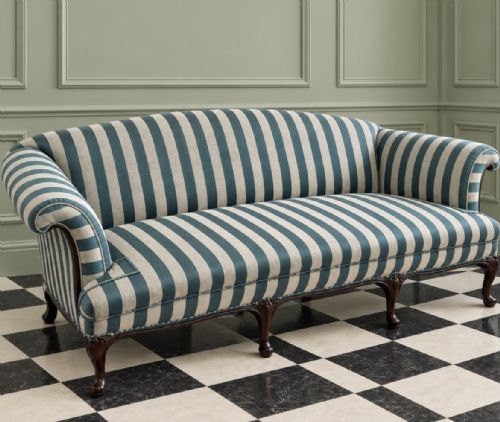
When you search for three seater couch, you encounter large seating spanning the Victorian period through to Art Deco.
Three Seater Couch
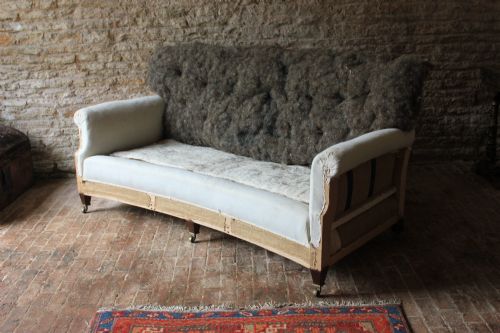
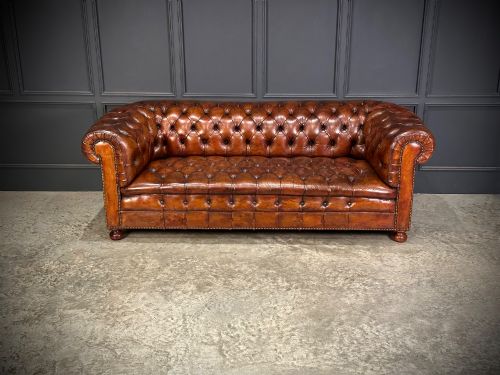
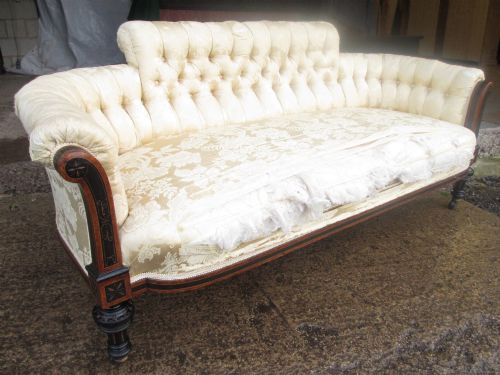
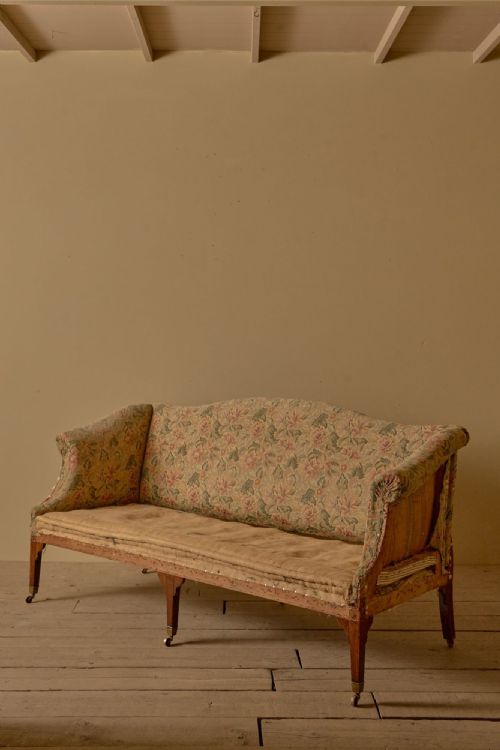
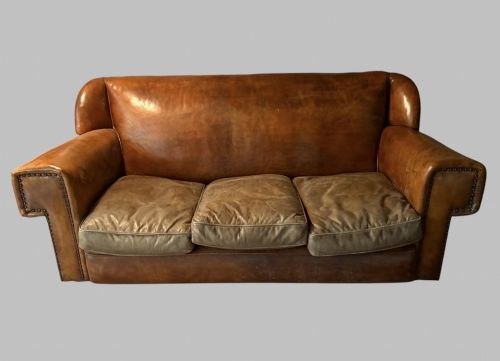
A three seater couch takes many forms across the nineteenth and twentieth centuries, functioning as the primary seating piece in large rooms. Buyers seeking a three seater couch most frequently encounter nineteenth-century brown leather Chesterfields and upholstered country house sofas.
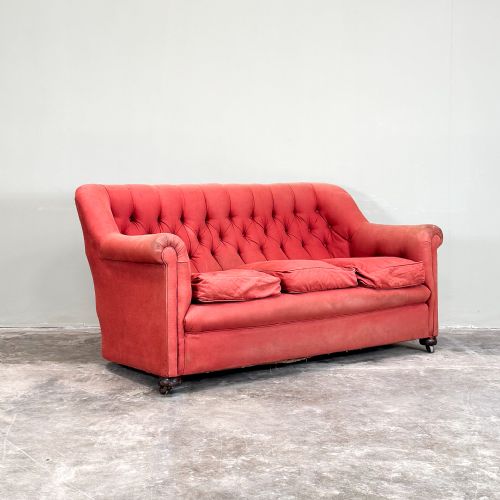
The selections span traditional English styles, Victorian buttoned designs, and twentieth-century Art Deco interpretations. Makers such as Howard and Sons and Harry and Lou Epstein produced substantial seating designed for long-term comfort.
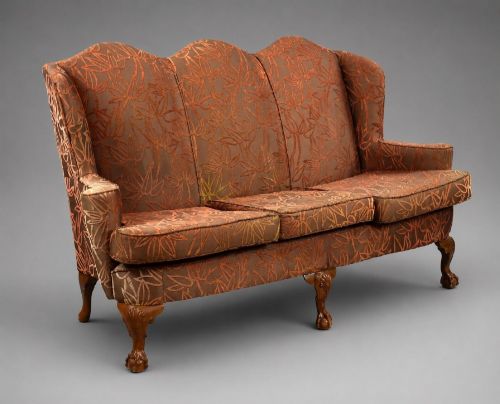
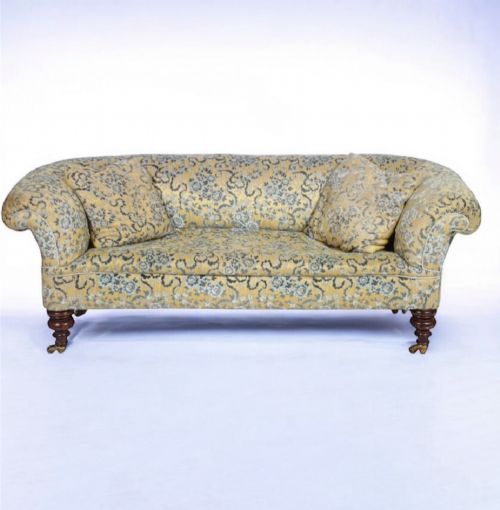
Pieces range from deep-seated club sofas in hand-dyed leather to walnut frames finished in damask or floral fabrics. The category also accommodates French settees, Queen Anne style frames, and mahogany pieces with carved details.
Materials and construction
Frames rely on sturdy timbers including mahogany, walnut, and general hardwood timber to support heavy sprung interiors. Wood carvers shaped details on legs and arms, utilising brass castors on feet for mobility.
Upholstery incorporates traditional horsehair stuffing, deep buttoning, and coil springs bound with twine. Coveted coverings include brown and red leather, velvet, and patterned fabric such as Flora Soames textiles.
Three Seater Couch Retail Price Guide 2026
Typical asking prices for three seater couch among the pieces listed under this phrase on Sellingantiques today, from the lower quarter to the upper quarter. They describe what is for sale here now, not the wider market.
One notable sofa originated in the ballroom of the RMS Queen Elizabeth ocean liner before finding a home on dry land.
Quality variations
The standard of a three seater couch depends largely on the integrity of the internal wooden frame and the original springing system. Heavy timber construction and hand-tied springs elevate the durability and comfort of the piece.
Surface finish and leather patination separate standard examples from finer works by esteemed makers. Original upholstery textiles and well-preserved carved woodwork indicate superior craftsmanship.
Hampton and Sons·Harry and Lou Epstein·Howard and Sons
The Three Seater Couch Glossary
- Chesterfield
- A deep-buttoned sofa traditionally upholstered in leather with arms and back of the same height. This form remains a staple of nineteenth-century seating.
- Camelback
- A sofa style featuring a serpentine curving backrest that rises in a gentle hump towards the centre. Makers often paired this profile with mahogany or walnut legs.
- Drop end
- A sofa mechanism where one or both armrests can be lowered or adjusted. This allows the seating to convert into a daybed.
- Knowle sofa
- A traditional English sofa style characterised by hinged or adjustable high arms tied with decorative braids. It originated in Kent at Knole House.
- Bergere
- An enclosed upholstered armchair or sofa featuring woven cane panels on the back and sides. Walnut and mahogany frames frequently house this technique.
Three Seater Couch: Frequently Asked Questions
What is a three seater couch?
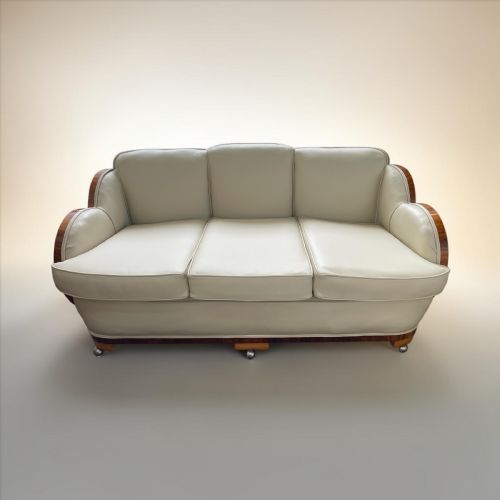
A three seater couch is a large upholstered seating furniture piece designed to accommodate three people comfortably. Examples range from Victorian leather Chesterfields to twentieth-century Art Deco cloud sofas.
These pieces served as formal and domestic seating in drawing rooms, libraries, and country houses. Their substantial scale provided a central focal point for entertaining and daily relaxation.
How do I identify a Victorian chesterfield?
Victorian chesterfields are typically identified by their deep-buttoned leather upholstery, low backs, and scrolled arms. The leather often displays a rich brown or whiskey tone developed through age.
Many examples from this era utilise sturdy internal wooden frames and heavy horsehair stuffing. Brass studs frequently outline the structural curves of the arms and back.
What is an Art Deco cloud sofa?
An Art Deco cloud sofa is a streamlined, bulbous seating form popular during the 1930s. Makers like Harry and Lou Epstein shaped these pieces with smooth, rounded upholstered sections resembling cumulus clouds.
These sofas often feature walnut accents and low profiles that reflect the modernist design shifts of the interwar period. They prioritize bold, sculptural comfort over traditional carved woodwork.
How do I care for antique leather furniture?
Antique leather requires regular feeding with appropriate conditioning balms to prevent drying and cracking. Keeping the leather away from direct sunlight and heat sources preserves the natural patina.
Gentle dusting with a soft cloth maintains the surface without stripping historical dyes and finishes. Professional restoration should be consulted for deep structural or leather repairs.