



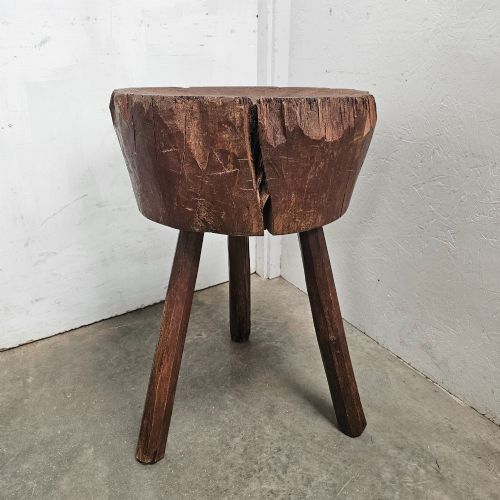


Three Leg Stool Table
These three leg stool table pieces combine sturdy seating and compact surface utility, offering timeless domestic charm.
Three Leg Stool Table
A three leg stool table search brings together versatile three-legged forms ranging from low milking stools to compact occasional and side tables. Buyers seek these pieces for their modest footprint and honest domestic utility in tight spaces.
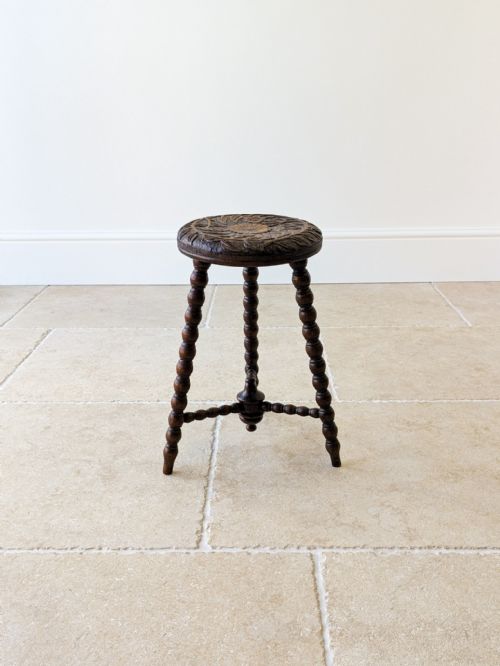
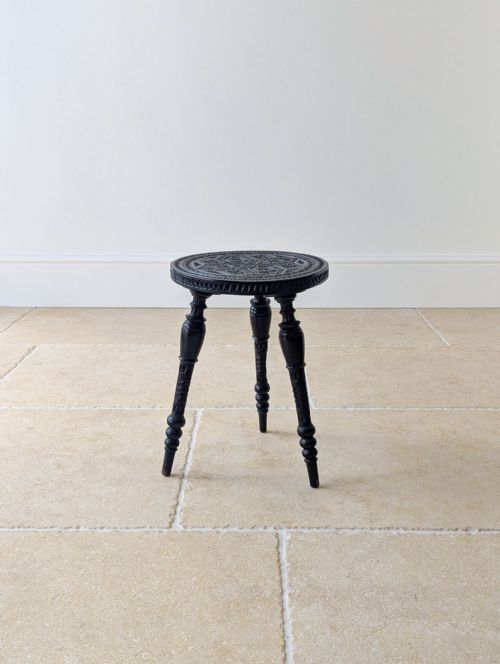
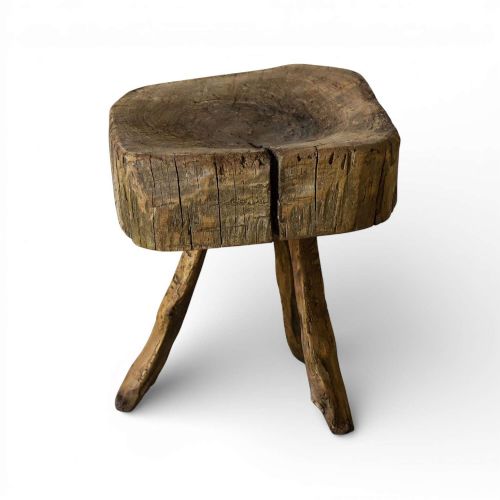
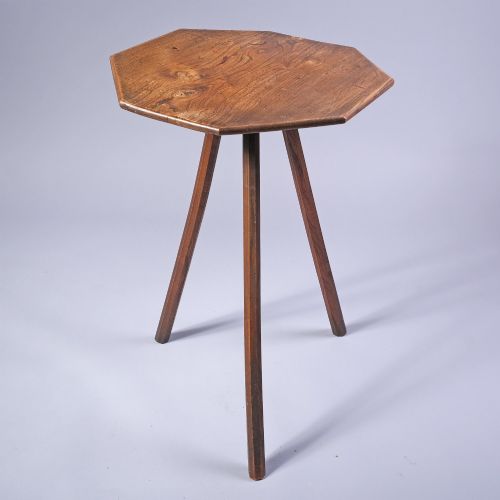
The selections span periods from the Georgian era through the Victorian period into the early twentieth century. Common formats include French elm chopping blocks, cricket tables with pollard oak tops, and vernacular rural designs.
Origin styles vary widely across the inventory, encompassing French Country, Jacobean Revival, Arts and Crafts, and Chinese vernacular traditions. Many items double as seating and small surfaces, reflecting centuries of practical rural craftsmanship.
Evaluating Quality
Quality rests in the integrity of the timber selection, visible in the character of live edges, pollard oak figuring, and the density of the core wood. Thicker slab tops and original gnarled supports command greater appreciation than later replacements.
The articulation of the joinery distinguishes standard utility work from finer artistic outputs like Liberty style or Arts and Crafts triangulation. Surface finishes, whether simple waxed polish or historic ebonisation, dictate the visual depth of the piece.
Three Leg Stool Table Retail Price Guide 2026
Typical asking prices for three leg stool table among the pieces listed under this phrase on Sellingantiques today, from the lower quarter to the upper quarter. They describe what is for sale here now, not the wider market.
The Three Leg Stool Table Glossary
- Cricket table
- A small wooden table traditionally featuring three legs and a round top, designed to stand steadily on uneven flagstone floors.
- Joint stool
- A sturdy wooden stool constructed with mortise and tenon joints, common in domestic interiors before the widespread use of chairs.
- Bobbin turned
- Turned woodwork featuring a series of rounded, spool-like swellings carved along the length of a leg or stretcher.
- Pollard oak
- Timber taken from oak trees that were cut back at height to produce dense, highly figured wood grain patterns.
- Vernacular rural
- Objects built by local craftspeople using regional materials for immediate everyday use rather than following high fashion.
Three Leg Stool Table: Frequently Asked Questions
What is a three leg stool table used for?
These items function as compact side tables, bedside surfaces, or extra seating in domestic settings.
Their small footprint suits tight corners and narrow spaces where traditional four-legged furniture proves too bulky.
How do I date an antique wooden stool?
Dating relies on tool marks, timber choice, and construction methods visible beneath the top and around the joints.
Hand-sawn surfaces and older fastening techniques help distinguish Georgian and Victorian pieces from later revival items.
Are chopping blocks stable enough for daily use?
Solid tree trunk and game blocks offer exceptional weight and structural stability due to their thick timber construction.
Their original purpose demanded high durability, making them suitable as side tables or display surfaces today.
What timber types appear most often?
Oak, elm, ash, and beech dominate the material record across these rural and vernacular pieces.
Makers utilised local hardwoods that offered high resistance to splitting and heavy wear over generations of use.