


Three Drawer Cabinet
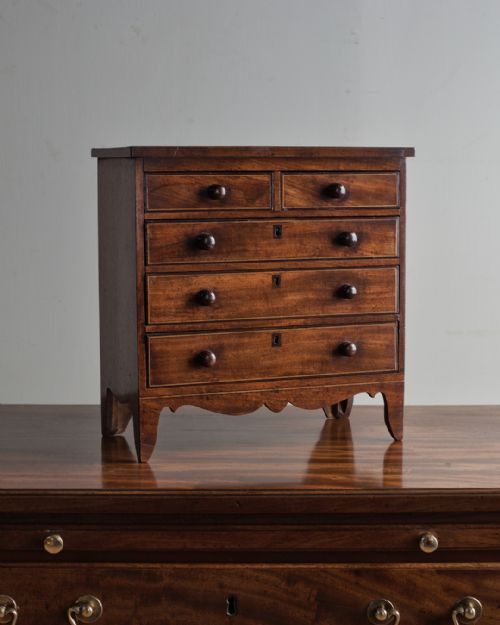
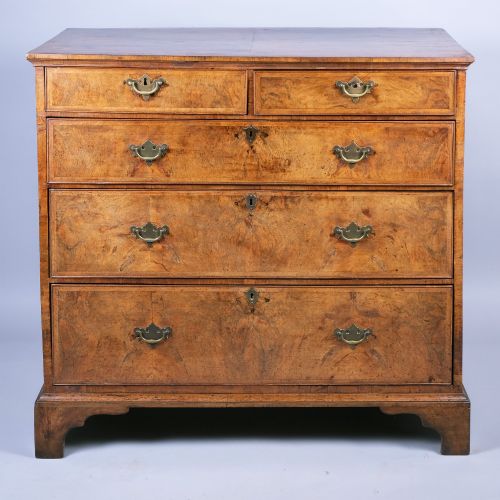
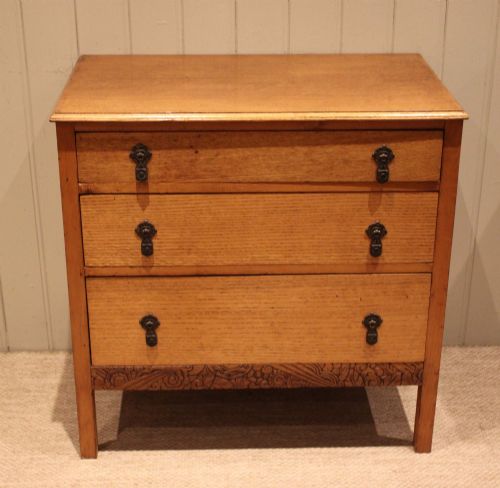
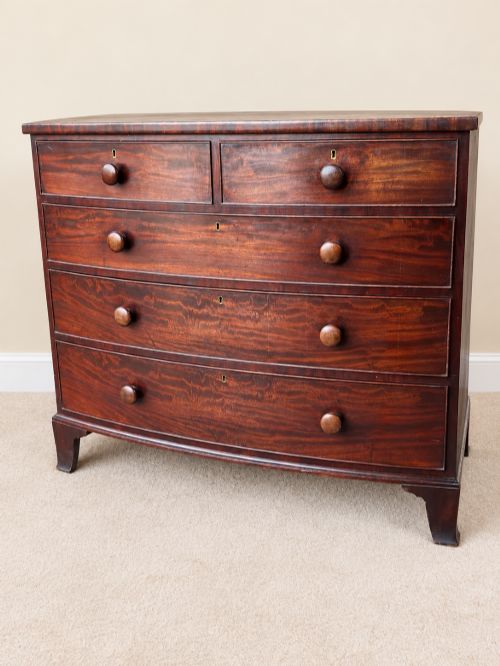
A three drawer cabinet offers compact storage through timber construction, spanning Georgian elegance to Art Deco utility.
Three Drawer Cabinet
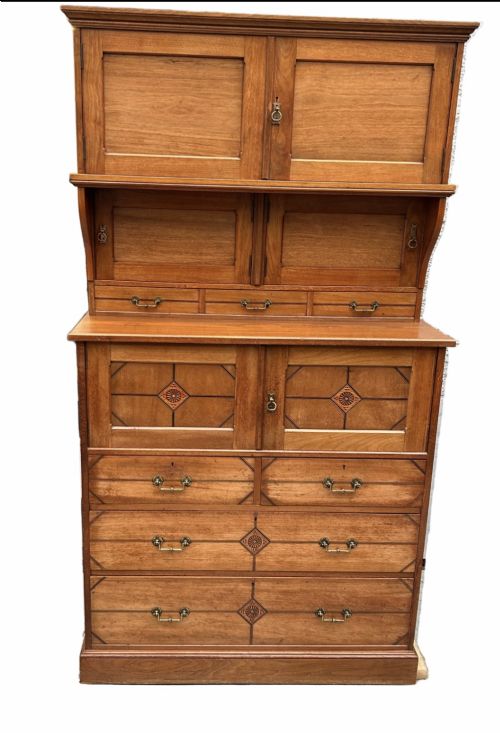
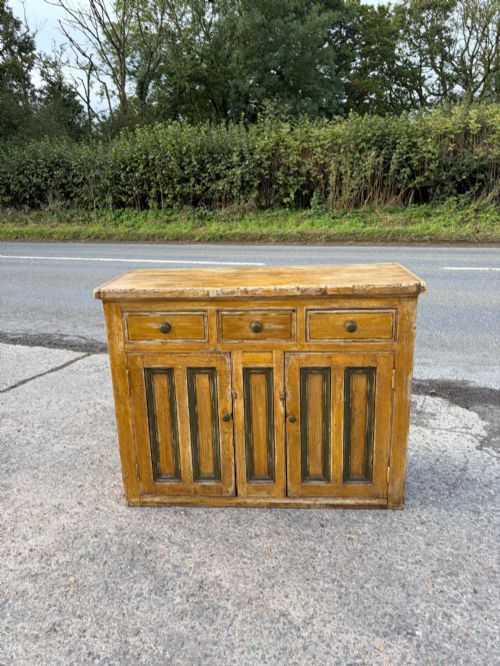
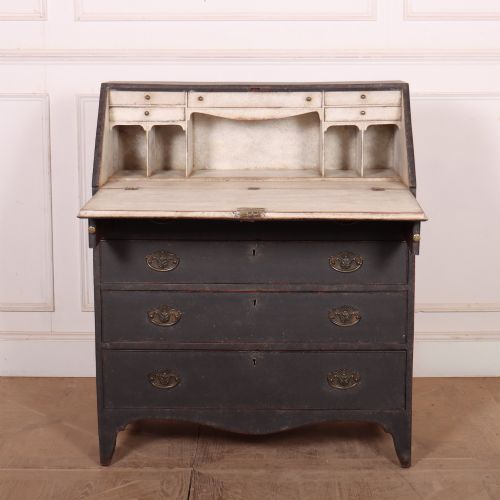
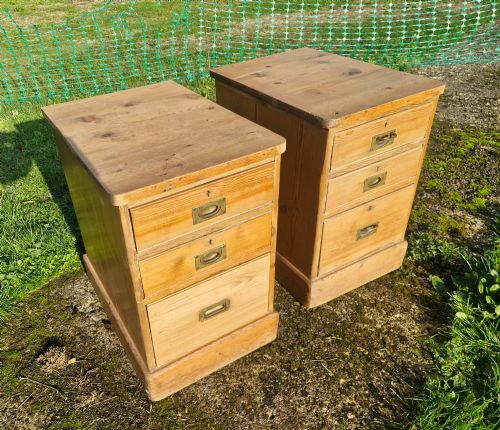
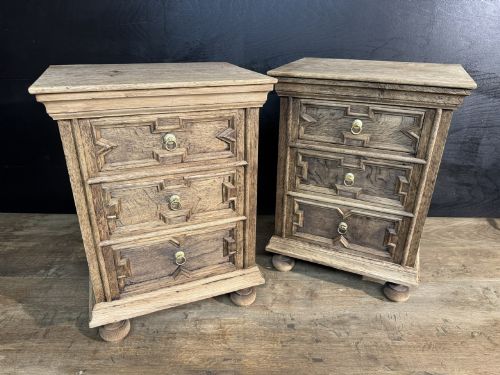
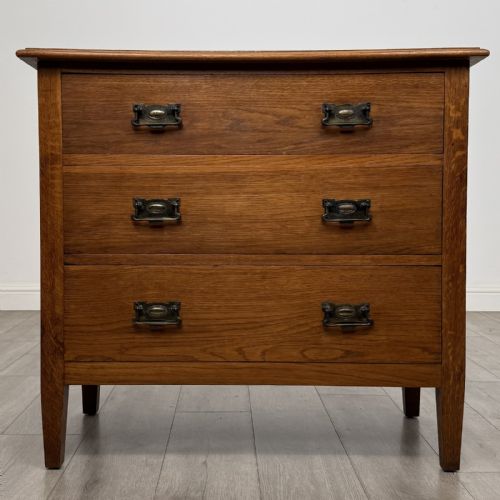
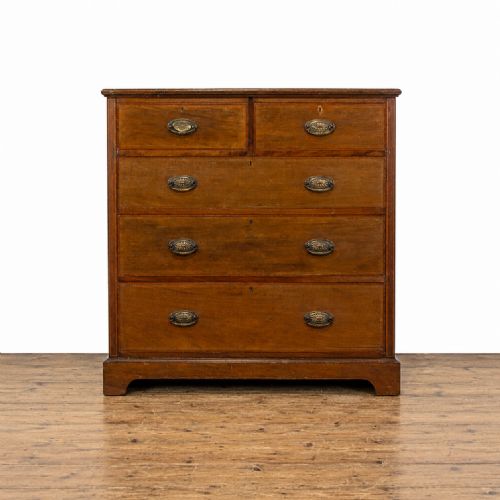
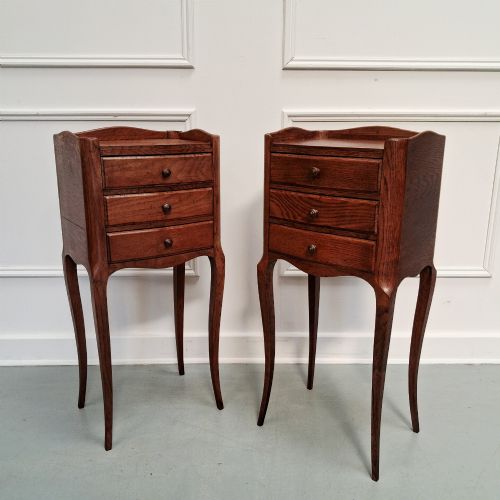
A three drawer cabinet takes many forms across domestic interiors, appearing most frequently as bedside tables, compact chests of drawers, and low dresser bases. When searching for a three drawer cabinet, buyers encounter diverse domestic furniture tailored for storage in bedrooms, hallways, and living spaces.
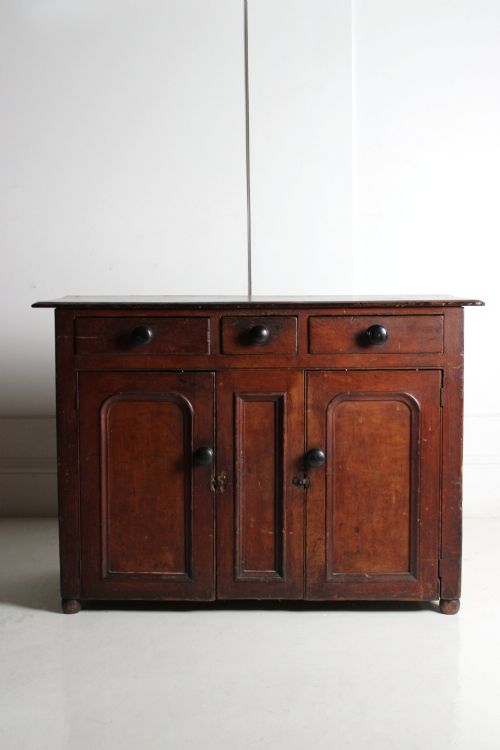
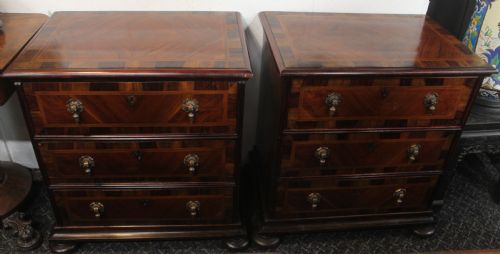
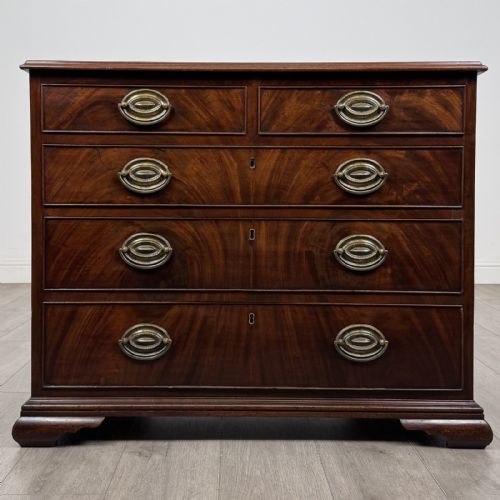
The selection ranges from Georgian mahogany hall chests and Victorian pine pieces to French marquetry nightstands and 1930s satinwood designs. Smaller bedside versions and wider chest formats provide practical surfaces alongside their triple-tier drawer arrangements.
Materials and Construction
Cabinet makers relied primarily on hardwoods such as mahogany, oak, walnut, and elm, alongside softwood pine for vernacular pieces. Timber selection dictated the structural integrity and visual character of each cabinet.
Decorative techniques include marquetry, inlaid details, crossbanding, and carved ornamentation. Brass hardware frequently secures the drawer fronts, while specific continental examples incorporate marble tops.
Three Drawer Cabinet Retail Price Guide 2026
Typical asking prices for three drawer cabinet among the pieces listed under this phrase on Sellingantiques today, from the lower quarter to the upper quarter. They describe what is for sale here now, not the wider market.
Materials recorded across the selection include solid oak, mahogany, walnut, pine, brass hardware, and rouge marble.
Judgments of Quality
Excellence in a three drawer cabinet rests on the selection of figured timbers and the precision of the joinery. Superior pieces display harmonious grain matching across the drawer tiers and crisp execution of inlaid motifs or carved details.
The integrity of the original structure and the restraint of subsequent restoration separate standard utility pieces from finer examples. Proportion and balance in the scale of the drawers dictate the visual success of the piece.
The Three Drawer Cabinet Glossary
- Caddy top
- A raised, moulded tabletop profile commonly found on Georgian chests and cabinets. This decorative edge softens the upper perimeter of the furniture.
- Commode
- A low French storage cabinet featuring drawers or doors. The term often describes decorative continental chests with marble surfaces.
- Dresser base
- A low sideboard or cabinet featuring drawers set beneath a surface. These pieces originated in kitchens and dining rooms for storage and serving.
- Marquetry
- The art of applying pieces of veneer to a structure to form decorative patterns. Craftsmen utilise various coloured woods to create pictorial designs on the cabinet surface.
Three Drawer Cabinet: Frequently Asked Questions
Where do I place a three drawer cabinet?
These cabinets suit bedrooms as bedside storage or smaller reception rooms where floor space remains limited. Their modest height allows them to function effectively beneath mirrors or windows.
Larger variations, such as dresser bases and hall chests, serve dining rooms and corridors for linen or tableware storage.
How do I identify a Georgian piece?
Georgian cabinets often display figured mahogany or burr walnut timbers with precise dovetail joinery on the drawer constructions. Their proportions remain classical and understated, frequently featuring brass drop handles.
Later Victorian and Edwardian interpretations tend to incorporate heavier mouldings, pine carcases, or lighter inlaid satinwood decoration.
Are bedside cabinets different from chests?
Bedside cabinets generally comprise smaller standalone cupboards or multi-drawer nightstands designed to sit adjacent to a bed. They prioritise enclosed or compact drawer space over the broader capacity of a chest.
Chest formats offer wider proportions suitable for general garment storage rather than immediate bedside utility.
What woods were used in these cabinets?
Cabinet makers utilised dense hardwoods like mahogany, oak, and walnut for formal domestic furniture throughout the eighteenth and nineteenth centuries. Pine served as a common material for painted or simpler country pieces.
Twentieth-century examples introduced satinwood veneers, blond walnut, and specialised bleached oak finishes.