



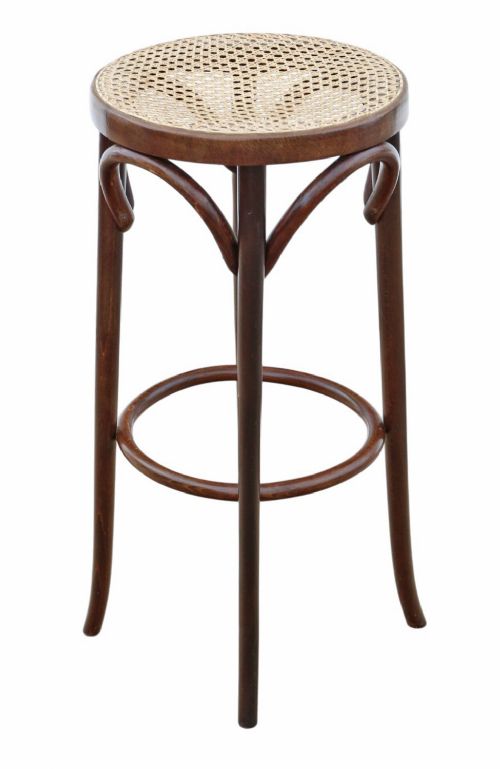


Thonet Seating
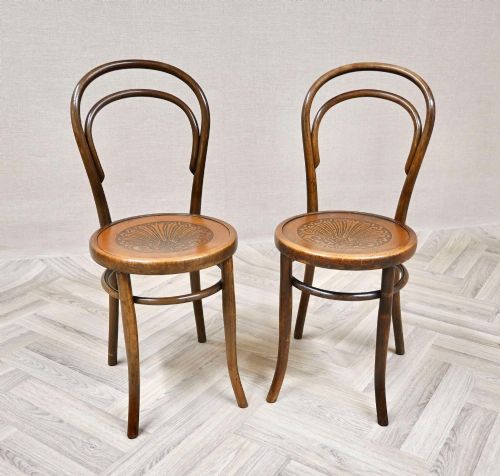
Thonet seating brings resilient steam-bent wooden curves into domestic and commercial spaces, offering lasting structural integrity and distinctive form.
Thonet Seating
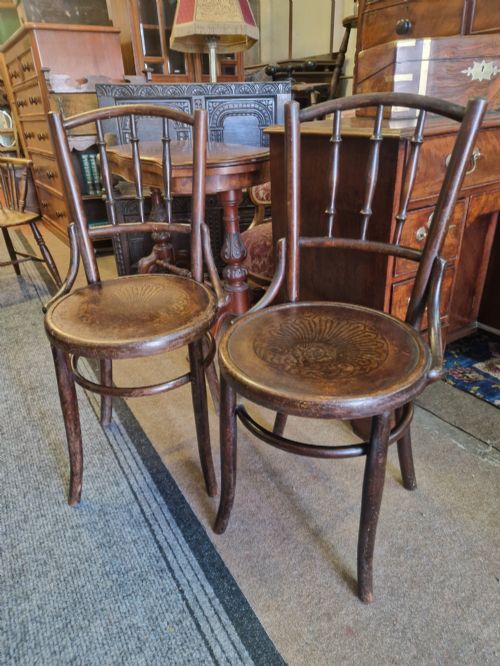
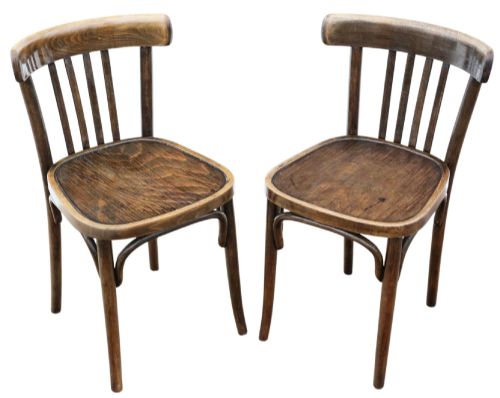
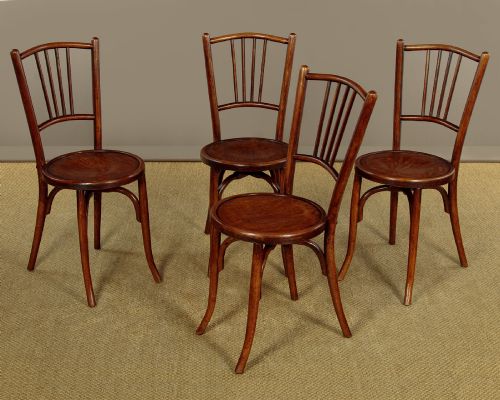
When you search for thonet seating, you encounter a specialised range of chairs, stools, armchairs, and settees originating from periods such as the Edwardian era, nineteen hundred, and nineteen twenty. The selection frequently showcases dining chairs, bistro chairs, and rocking chairs built with innovative steam-bending techniques.
The objects span individual pieces, matched sets of chairs, and larger dining arrangements that originated across European workshops. Forms vary from simple bar stools and child's chairs to elaborate settees and carver chairs bearing distinct stylistic influences.
Materials and construction
These pieces rely on timber, specifically beech and beechwood, subjected to steam heating until pliable enough to form continuous curved frames. Manufacturers combined solid wooden components with woven cane seats and formed plywood elements to create resilient structures.
The ingenious application of heat and moisture allowed straight lengths of wood to take on organic, flowing radii without joints failing. Artisans secured components using minimal hardware, trusting the natural tension and grain strength of the timber.
Thonet Seating Retail Price Guide 2026
Typical asking prices for thonet seating among the pieces listed under this phrase on Sellingantiques today, from the lower quarter to the upper quarter. They describe what is for sale here now, not the wider market.
An antique child's rocking chair sits ready for a doll, proving that nineteenth-century artisans took miniature commissions just as seriously.
Judging the range
Quality separates through the integrity of the steam-bent frame and the precision of the joinery rather than surface ornamentation alone. Pieces retaining original cane work or bearing clear maker attribution command closer attention from those studying historical production.
The distinction between standard utility items and finer output lies in the smoothness of the timber curves and the overall balance of the frame. Greater care in finishing distinguishes exemplary studio or factory production from routine commercial output.
Thonet·Codina·J&J Kohn Ltd
The Thonet Seating Glossary
- Bentwood
- Wood that has been rendered pliable by steam and bent into curved structural forms. This process defines the core aesthetic and engineering of the genre.
- Cane
- Woven plant material, frequently rattan, utilised for lightweight and resilient seat panels. It provides flexibility and breathability to the seating surface.
- Carver chair
- An armchair designed with armrests, traditionally intended for the head of a dining table. These pieces match surrounding side chairs in a set.
- Plywood
- Engineered wood manufactured from thin sheets of wood veneer glued together. It contributes flat or gently moulded surfaces to seat bases and backs.
- Bistro chair
- A lightweight, robust seating form created for commercial hospitality environments. These items prioritise stackability and ease of movement.
Thonet Seating: Frequently Asked Questions
What defines thonet seating?
Thonet seating encompasses chairs, stools, and settees constructed through the industrial steam-bending of beech timber. These designs emerged from innovative nineteenth and twentieth-century European manufacturing methods.
The resulting forms rely on continuous curves rather than heavy traditional joinery, creating lightweight yet remarkably durable furniture suited to both cafes and homes.
How do I date a piece?
Dating relies on observing construction details, timber characteristics, and any stamps or paper labels left by makers such as Thonet or Kohn. Stylistic cues also help place items within periods like the Edwardian era or the nineteen twenties.
Changes in screw types, manufacturing marks, and the complexity of the bentwood curves provide reliable clues regarding the decade of production.
Are cane seats durable?
Original cane seating offers remarkable resilience and flexibility when treated with care and kept properly humidified. It distributes weight evenly across the open weave.
While traditional cane withstands daily use well, heavy concentrated pressure can damage the natural fibres over decades of domestic habitation.
Can I use these dining chairs daily?
These chairs were originally engineered for bustling European cafes and dining rooms, making them well-suited for everyday contemporary use. Their sturdy beech frames handle regular seating without losing structural rigidity.
Placing felt pads on the feet and avoiding damp environments helps preserve the timber and finish during routine domestic life.